National Park Vacations for Families: Which Parks, Which Ages
The rule that decides a family trip is distance to payoff. Bryce Canyon, Zion, Acadia and Shenandoah all put something remarkable within a mile or two of a car park, which is why they work with young children. Yellowstone and Grand Teton suit ages eight and up, because the wildlife rewards patience and the driving is long.
Glacier, Rocky Mountain and Olympic absorb teenagers who can walk all day. Whichever you pick, plan one thing a day, book beds early, and get the junior ranger booklet at the first visitor centre. Our Utah Mighty 5 family route is built on exactly this logic.
Ages 3 to 7: short walks, big payoffs
- Bryce Canyon. The best park in the country for small children. The rim walk is flat and paved, and the Navajo Loop drops into the hoodoos in under a mile so a five year old can walk down inside the amphitheatre. See easy Bryce hikes for families.
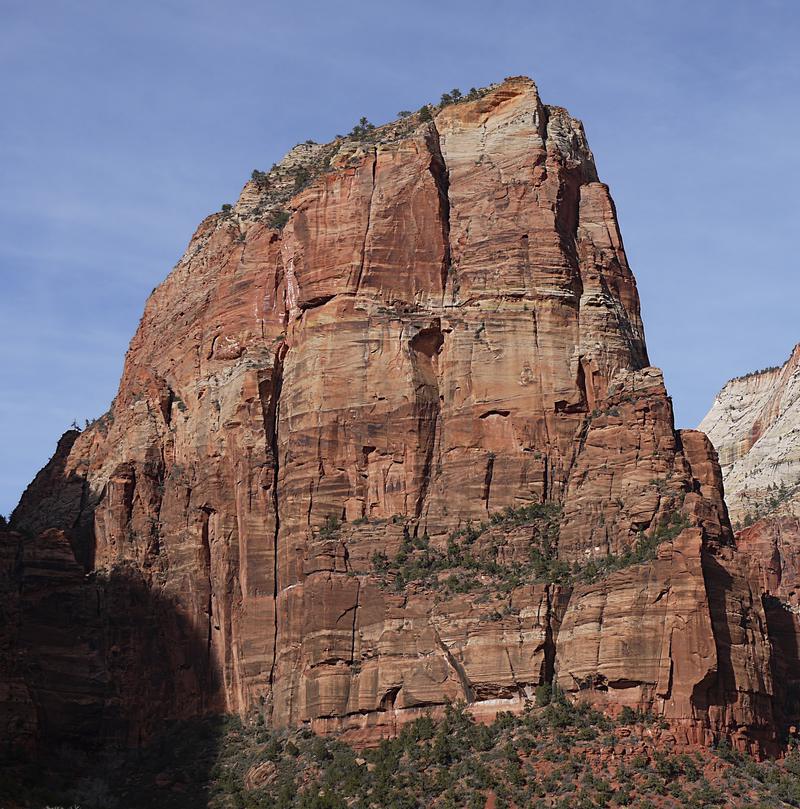
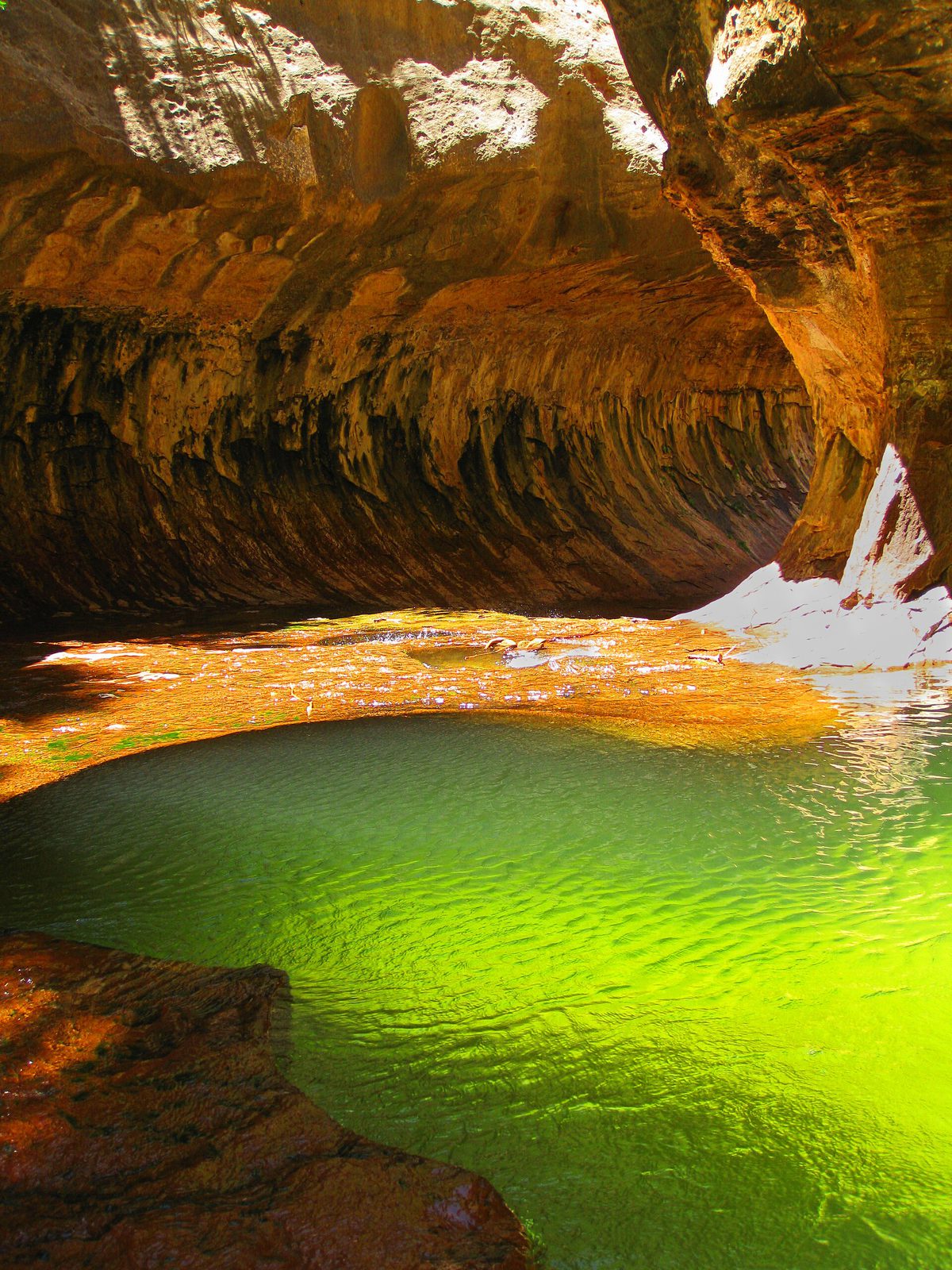
- Zion. The Riverside Walk is paved and flat, and wading the first stretch of the Narrows in summer is the thing children remember for years. Skip Angels Landing entirely. Our Zion with kids guide has the list.
- Acadia. Forty five miles of carriage roads with no cars, flat enough for a first proper bike ride, plus tide pools at Ship Harbor and a mile long Ocean Path.
- Shenandoah. Skyline Drive does the sightseeing from the car seat, and Dark Hollow Falls is 1.4 miles to a waterfall.
Ages 8 to 12: wildlife and space
- Yellowstone. Geysers behave like machinery, which children find fascinating, and bison stop traffic. The driving is the drawback, so split nights between two areas. Four days minimum, laid out in our Yellowstone 4 day itinerary.
- Grand Teton. Better hiking than Yellowstone at this age, plus the Jenny Lake shuttle, which turns a 5 mile walk into a 2 mile one with a boat ride attached.
- Rocky Mountain. Alpine lakes within 2 miles, elk in Moraine Park at dusk, and Trail Ridge Road to 12,000 feet where the tundra looks like another planet. Our Rocky Mountain family adventure paces it.
- Sequoia and Kings Canyon. Trees a family can stand around and not span, and Moro Rock's 350 steps, which children like more than adults do.
Teenagers: give them something hard
- Glacier. The Highline Trail, Grinnell Glacier, and a paddle on Lake McDonald. Enough to tire out a 16 year old, which is the goal.
- Olympic. Three landscapes in one park keeps a teenager interested: rain forest, coast with sea stacks, and a mile high ridge.
- Canyonlands and Arches. Slickrock scrambling with real consequence, plus a rafting day on the Colorado out of Moab.
- A first backpacking trip. One night, five miles in, is the version that works. Our guided backpacking for beginners guide covers doing it with somebody who has done it before.
Five rules that save family park trips
- One thing a day. A hike, or a boat, or a drive. Not two, never three. The day falls apart at the second car park.
- Start at 7am. Children are awake anyway, the car parks are empty, and you are finished before the heat and the crowds. This single change fixes most park days.
- Junior ranger books. Free at any visitor centre, and they turn a walk into a task list with a badge at the end. They work far better than the age on the cover suggests.
- Book beds first. In park lodging opens 12 months out and campgrounds six months out on recreation.gov, and gateway towns are 20 to 60 minutes from the trailheads.
- Carry more water and more snacks than you think you need, and treat altitude seriously above 8,000 feet, where children dehydrate faster than adults.
Which month
School holidays force most families into July and August, which is the worst time in the desert parks and the best time in the mountain ones. Two ways round it. Pick the high parks in high summer: Glacier, Rocky Mountain, Yellowstone, Olympic and Bryce all sit high enough to stay comfortable. Or take the last week of August and the first week of September, when many school calendars still allow travel and the crowds have thinned noticeably.
Have us plan the family trip
Tell us your children's ages, your dates and how far anyone will realistically walk, and we will lay out the days around that. Planning is free, and we earn only if you book through us.
Yellowstone National Park With Kids
Yellowstone works for families once you accept the driving and build the day around short stops rather than one long hike. The boardwalks at Fountain Paint Pot, Mud Volcano and West Thumb Geyser Basin are flat, under a mile, and turn into a genuine attraction for children who like things that bubble and smell like sulfur.
Old Faithful erupts on a posted, predictable schedule, which matters more with children than any other geyser in the park: check the board at the visitor centre and time your stop instead of waiting around. Pick up the junior ranger booklet at any visitor centre before the first stop, since the tasks fit naturally into a boardwalk walk.
Keep children close on every boardwalk: the ground beside them is thin crust over boiling water, and Yellowstone still enforces the 25 yard bison rule strictly because getting closer for a photograph is the most common way people get hurt. The one real hazard for young kids is altitude, since most of the park sits between 6,000 and 8,000 feet and dehydration and fatigue show up faster than at home. See our guide to Yellowstone's altitude before you go, and Yellowstone's top sights for which stops are worth the short walk.
National Park Vacations for Families: Which Parks, Which Ages FAQs
Bryce Canyon for young children, because the hoodoos are a short flat walk from the rim and the Navajo Loop descends into them in under a mile. Yellowstone for ages eight and up, and Glacier for teenagers who can hike all day.
Acadia, thanks to 45 miles of car free carriage roads, tide pools at Ship Harbor and a paved mile along the Ocean Path. Shenandoah is a close second because Skyline Drive does the sightseeing.
Four to five days in one park, or seven to ten for two. Plan one activity per day rather than three, and expect to spend more time at each stop than you would without children.
Entry is charged per vehicle at most parks, so children are effectively free. Fourth graders and their families can get a free annual pass through the Every Kid Outdoors programme, and children under 16 need no separate pass anywhere.
A free activity booklet available at any visitor centre. Children complete age appropriate tasks during their visit, then get sworn in by a ranger and receive a badge. It reliably turns a walk into something they want to do.
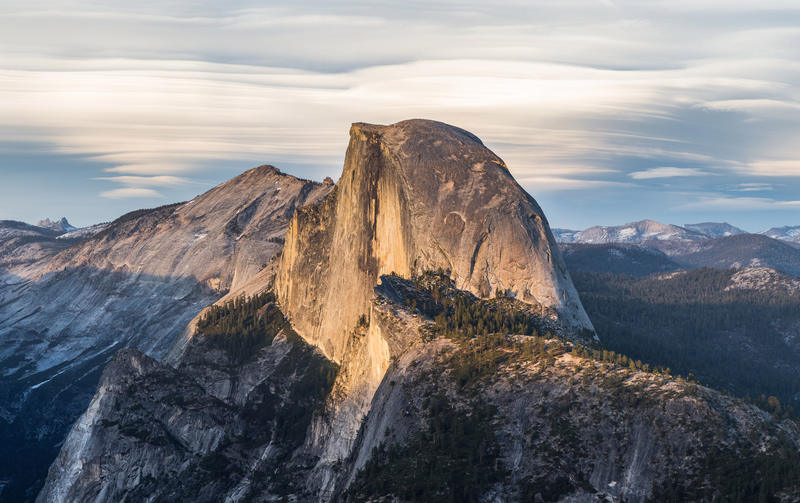
Not the parks themselves, but specific hikes. Angels Landing in Zion, the Grand Canyon below the rim in summer, Half Dome in Yosemite and any Death Valley trail after 10am from May to September should all be off the list.
Yes, from about age eight up, and the geysers and boardwalks hold younger children's attention too. The long drives between areas suit kids who can sit for an hour or more, so pace the day around short boardwalk stops rather than a single long hike.
Yes. The worked day-by-day plan is Utah's Mighty Five: Family Road Trip (7–10 Days) (Multi-day), with the permits, the stays and the drive times already sorted. Tell us your dates and we will put it together for you and confirm what is genuinely open on those days. Asking is free: no card, no deposit, and nothing is held until you say yes.