The Most Beautiful National Parks in the US, Ranked by What You See
Any ranking of beauty is an argument, so this one is built on a single question per park: what do you actually stand in front of? Glacier gives you Going to the Sun Road and Grinnell Glacier. Grand Teton gives you a 7,000 foot wall rising straight out of a valley floor with no foothills. Zion puts you inside the canyon rather than above it. Crater Lake is a colour photographs cannot hold. Denali is scale nothing else in the country matches. The month matters as much as the park, and each entry below says when.
1. Glacier, Montana
The park most first time visitors find most beautiful, and the reason is honest: Going to the Sun Road delivers alpine scenery to the windscreen. Fifty miles across the park over Logan Pass, with the Garden Wall on one side and a 3,000 foot drop on the other. Then walk to Grinnell Glacier, 10.6 miles with a turquoise lake at the end, or the Highline Trail along the Continental Divide. Go from early July to mid September, which is when the road is fully open. Our Going to the Sun Road itinerary covers the drive.
2. Grand Teton, Wyoming
No foothills. The range rises 7,000 feet directly from the valley floor, which is why every photograph of it looks vertical. Stand at Schwabacher Landing at dawn with the reflection in the beaver ponds, then walk to Delta Lake, 9 miles with a boulder field at the end and glacier melt the colour of antifreeze. June for water, late September for gold aspens against grey rock.
3. Zion, Utah
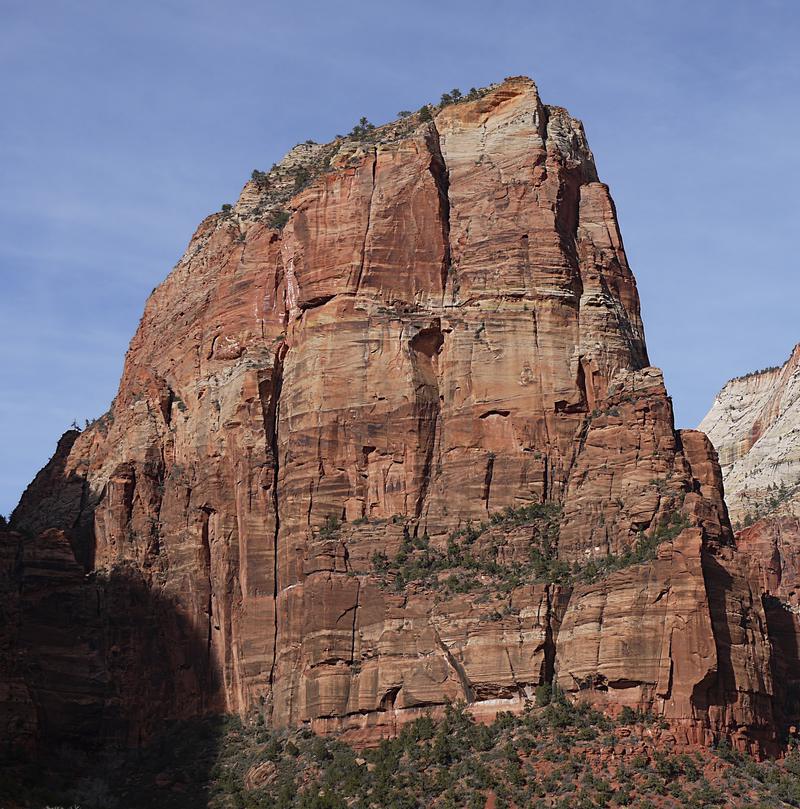
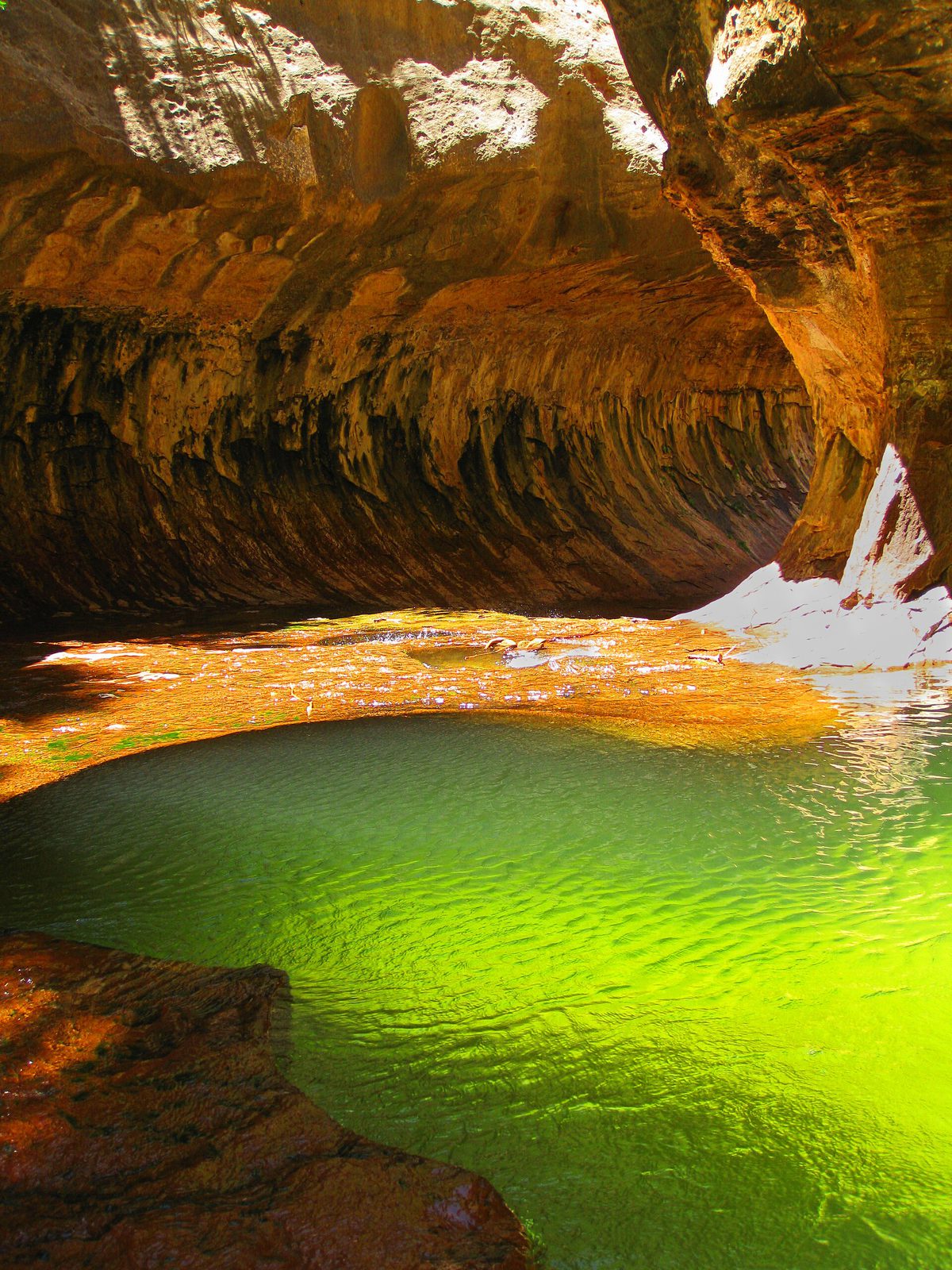
Most canyons put you on the rim. Zion puts you on the floor, looking up 2,000 feet of Navajo sandstone that turns from cream to rust in the last hour of light. Wade the Narrows between walls 20 feet apart, or climb to Observation Point for the whole canyon at once. April, May, September and October.
4. Crater Lake, Oregon
A caldera 1,943 feet deep filled with nothing but snowmelt, which is why the blue is a shade you will not believe from photographs. There is no inlet and no outlet and almost no sediment. Drive the 33 mile Rim Drive, walk up the Watchman for sunset, and if it is July, take the switchbacks down Cleetwood Cove and swim in it. Late July to September, because the rim is under 40 feet of snow the rest of the year.
5. Denali, Alaska
Scale that resets your sense of distance. Twenty thousand three hundred and ten feet, rising from a plateau around 2,000 feet, which gives it the greatest base to summit rise of any mountain on land. The mountain is only out about one day in three, so give it three days. Tundra turns red and gold in the first week of September.
6. Grand Canyon, Arizona
The one everybody has seen photographed and nobody is prepared for. A mile deep, 277 river miles long, and 18 miles across at the widest. The South Rim at sunrise from Mather or Yaki Point is the standard, and hiking even two miles down the South Kaibab to Ooh Aah Point changes the scale entirely. The North Rim is quieter, higher and open only from mid May to mid October. See our Grand Canyon South Rim itinerary.
7. Bryce Canyon, Utah
Not a canyon at all but an eroding amphitheatre full of hoodoos, and there is nowhere else on earth with this density of them. Walk down the Navajo Loop into Wall Street and back up Queen's Garden, three miles, in the first hour of light when the hoodoos glow. At 8,000 to 9,000 feet it stays cool in July and snowy in January, and snow on orange rock is the best version of it.
8. Kenai Fjords, Alaska
Ice meeting sea. A day boat out of Seward takes you to a tidewater glacier calving into the water with humpbacks and puffins on the way, and the Harding Icefield Trail climbs 3,500 feet to a viewpoint over 700 square miles of ice that looks like an ocean stopped mid wave. June to August. Our Kenai Fjords kayaking itinerary gets you closer to it.
9. Canyonlands, Utah
The Island in the Sky mesa hangs 2,000 feet above a canyon system that runs to the horizon in every direction, and Mesa Arch at sunrise frames it with the underside of the arch lit orange by reflected light. Then go down into the Needles district, where you walk among the rock instead of looking at it. April, May, October.
10. Olympic, Washington
Three parks in one, which is what makes it beautiful in a way the mountain parks are not. Moss hanging in the Hoh Rain Forest, sea stacks and driftwood at Rialto Beach, and the Olympic range from Hurricane Ridge at 5,242 feet. Seeing all three in two days is the point. July to September for the clearest weather, though rain in the rain forest is not a problem to be solved.
Honourable mentions
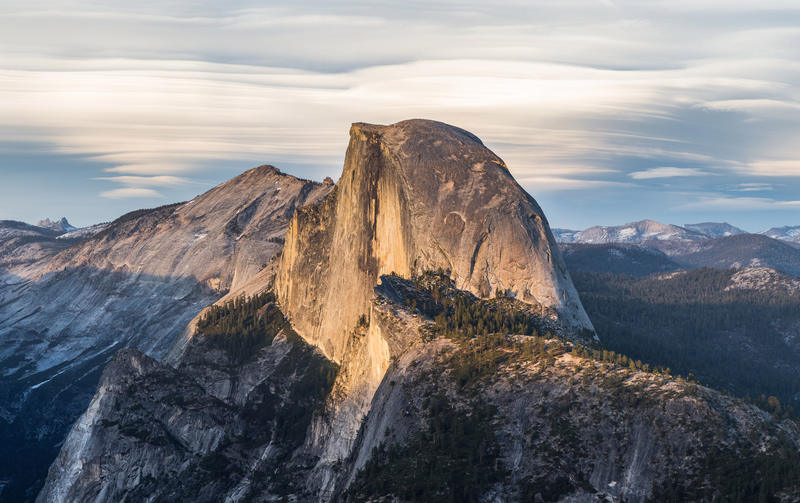
- Yosemite Valley in May, when the waterfalls are at maximum. It would be top three in spring and top twenty in September, which is why it is here rather than up the list.
- Great Sand Dunes, for 750 foot dunes against a 13,000 foot snowy range.
- Acadia, for granite dropping into the Atlantic and the first sunrise in the country.
- Wrangell St Elias, which would be near the top if more people could reach it.
Have us build the trip
Tell us which of these you want and when you can travel, and we will lay out the days with the permits and the beds already found. Planning is free, and we earn only if you book through us.
The Most Beautiful US National Parks, Ranked by What You See FAQs
Glacier, for most first time visitors, because Going to the Sun Road puts alpine scenery in front of you without a hike and Grinnell Glacier is a genuinely great day out. Grand Teton and Zion are the closest rivals.
Glacier via Going to the Sun Road, Grand Canyon along the South Rim, and Crater Lake on Rim Drive. All three deliver their defining view from a viewpoint a few steps from the car.
Bryce Canyon. It sits between 8,000 and 9,000 feet, so it holds snow, and orange hoodoos under fresh snow with almost nobody there is the best version of the park.
Zion or Grand Teton. Both concentrate their best scenery into a small area you can cover in three days, both have short hikes with real payoffs, and neither requires a bush plane or a boat.
Kenai Fjords is the most accessible answer, with tidewater glaciers on a day boat from Seward. Denali wins on scale, and Wrangell St Elias is the most spectacular if you can reach McCarthy.
Mostly, though not always in proportion. Great Smoky Mountains takes three times the visits of the Grand Canyon, while Crater Lake and Canyonlands see a fraction of Zion's traffic despite standing comparison with it.
Yes. The worked day-by-day plan is Going-to-the-Sun Road: The Drive, Every Stop, in 2 Days (2 Days), with the permits, the stays and the drive times already sorted. Tell us your dates and we will put it together for you and confirm what is genuinely open on those days. Asking is free: no card, no deposit, and nothing is held until you say yes.