Kenai Fjords Kayaking Map
Glacier ice & sea kayaking, all from Seward.
2-day Kenai Fjords National Park itinerary from Seward, Alaska. Hike the ice at Exit Glacier and the Harding Icefield Trail on day one, then paddle a full-day guided sea kayak tour among tidewater glaciers, sea otters, and calving ice in Aialik Bay on day two.
“I’ve requested to book a Chain Lakes Loop guide on ExplorOFF, and it was the best idea ever! I highly recommend going with their guided option since you get a real human connection on the trail and don’t have to worry about a thing. Yulia was great to talk to!”
 9 stops on a real mapEvery stop pinned in order→
Kenai Fjords: every stop pinned in order.
Exit Glacier · Aialik Bay · Resurrection Bay · Alaska
Every stop on this trip, in order, opens as one driving route in the Google Maps app. No copying addresses across one at a time.
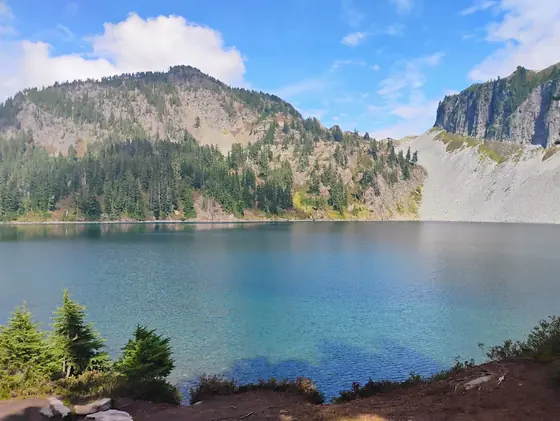
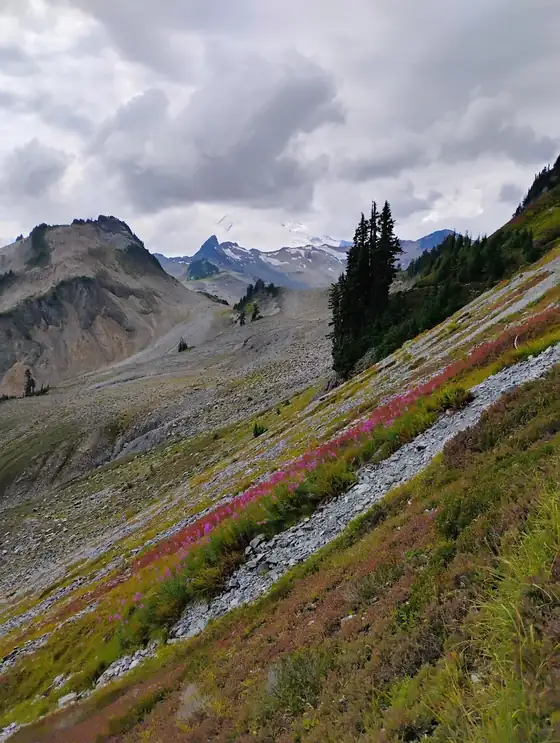
Kenai Fjords in photos: 5 of the stops.
Plan and book your 2 days in Kenai Fjords, one step at a time
- The 2026 guided kayak season in Seward is over: Sunny Cove ran May 16 to September 7, 2026, and its 2027 season runs May 15 to September 11. Book day 2 for next summer. Source
- Herman Leirer Road to Exit Glacier is open to cars today; it closes to cars for winter and much of spring. Source
- The canyon from the toe of Exit Glacier to the Outwash Plain is closed for outburst-flood risk, so stay on the designated trails. Source
How 2 days in Kenai Fjords split up
Plan 2 days for Kenai Fjords. Base town: Seward. Kayaking: 6–8 hrs. Permits: None. This 2-day Kenai Fjords National Park itinerary is built around Seward, Alaska, the gateway town 127 miles south of Anchorage. Day one is the accessible ice of Exit Glacier, the only part of the park you can reach by road; day two is a full-day guided sea kayak tour among tidewater glaciers and marine wildlife.
Day 1: Drive to Seward & Exit Glacier · up to 3 miles hiking
4 stops · Day one
Day 2: Full-Day Guided Sea Kayaking · 6–8 hours
5 stops · Day two
Drive to Seward & Exit Glacier · up to 3 miles hiking
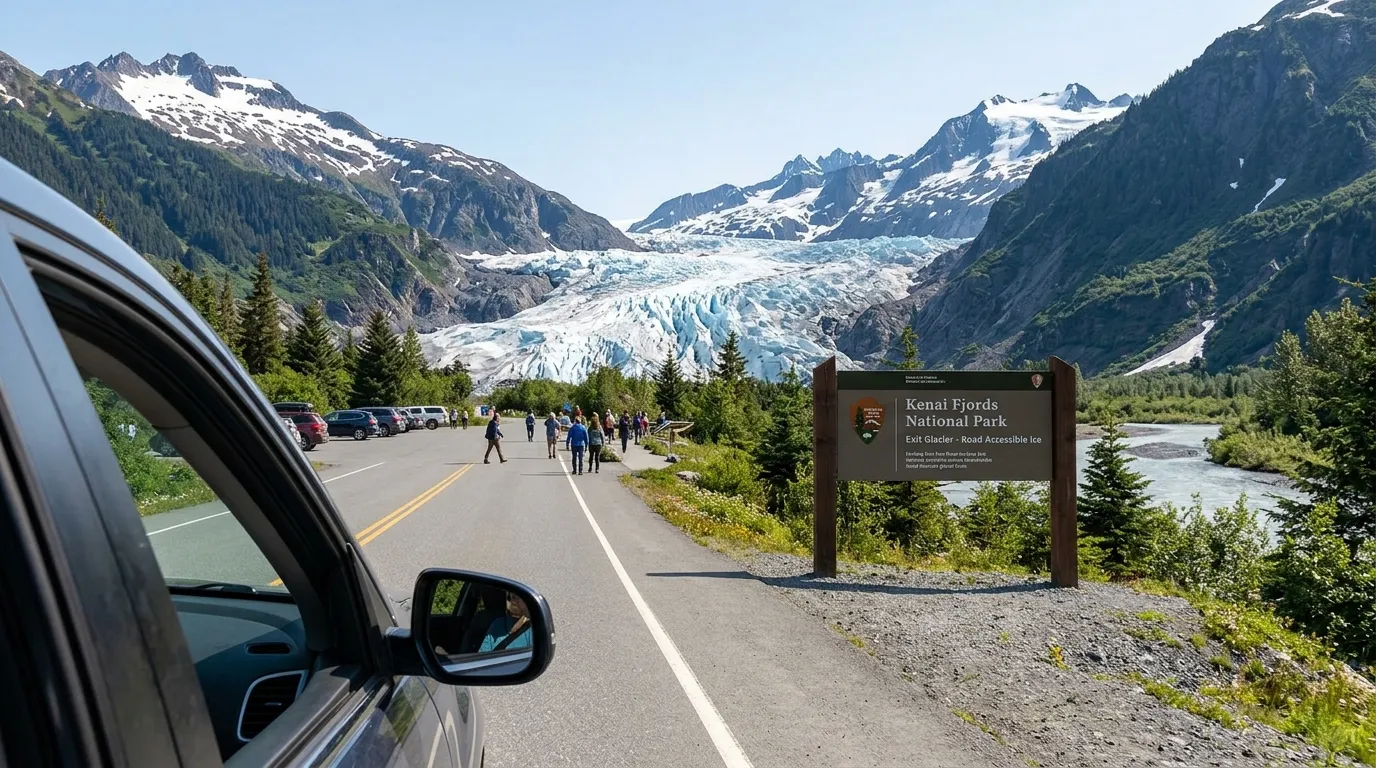
Drive the scenic Seward Highway (AK-1/AK-9) south from Anchorage, roughly 127 miles and 2.5 to 3 hours through Turnagain Arm and the mountains. It is a National Scenic Byway with constant photo stops, so leave extra time. After checking in at Seward, head straight to the Exit Glacier area, the only part of Kenai Fjords you can reach by road.
Not the order you want? Drag a stop, or use the arrows beside it. Stops move between days too.
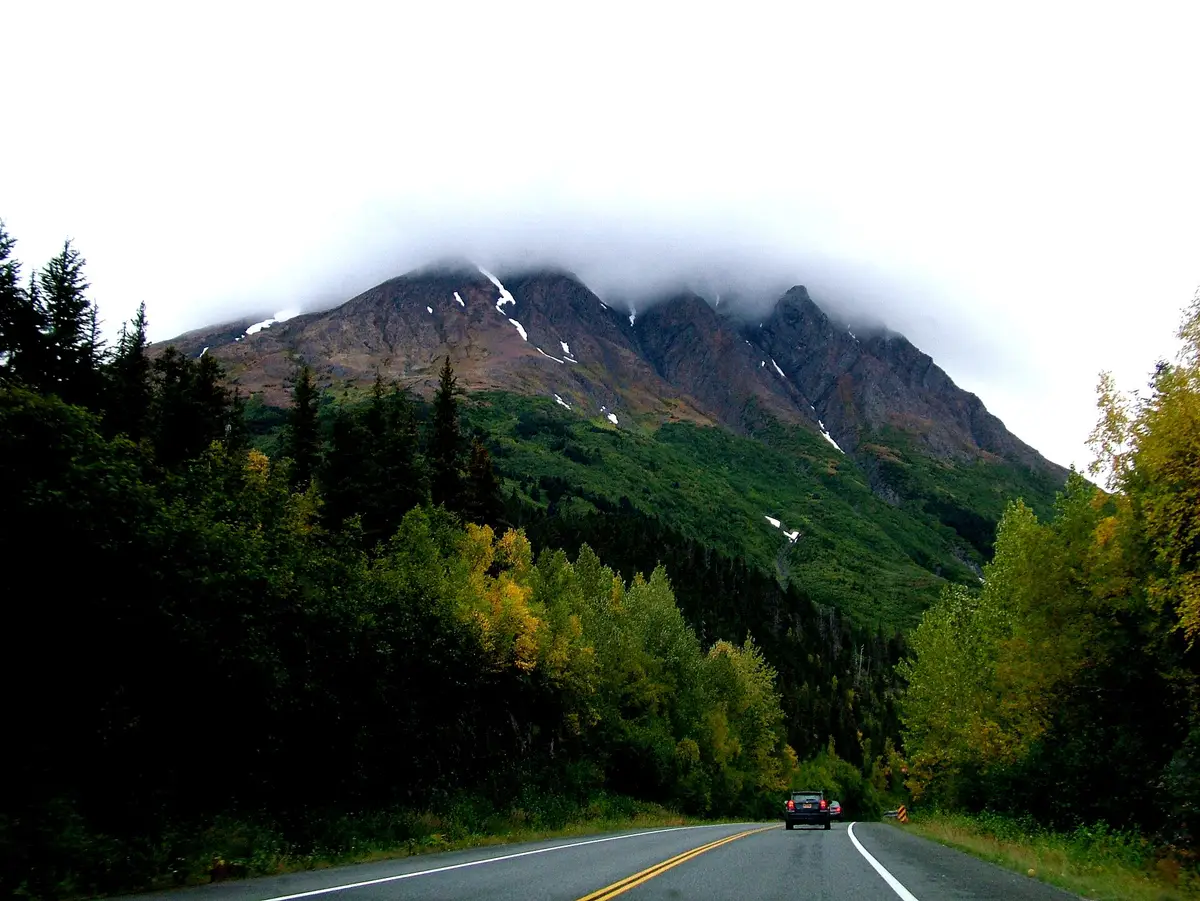 Kate Mereand from Silv / CC BY 2.0Drive from
127 mi · 2.5–3 hrs · Seward Highway · DriveDrive the Seward Highway (AK-1/AK-9) south from Anchorage, roughly 127 miles and 2.5 to 3 hours to Seward. It is a National Scenic Byway and part of the All-American Road system, running along Turnagain Arm with constant photo stops and a chance at beluga whales in the arm. Leave extra time for viewpoints.
- Exit Glacier Nature Center & trails
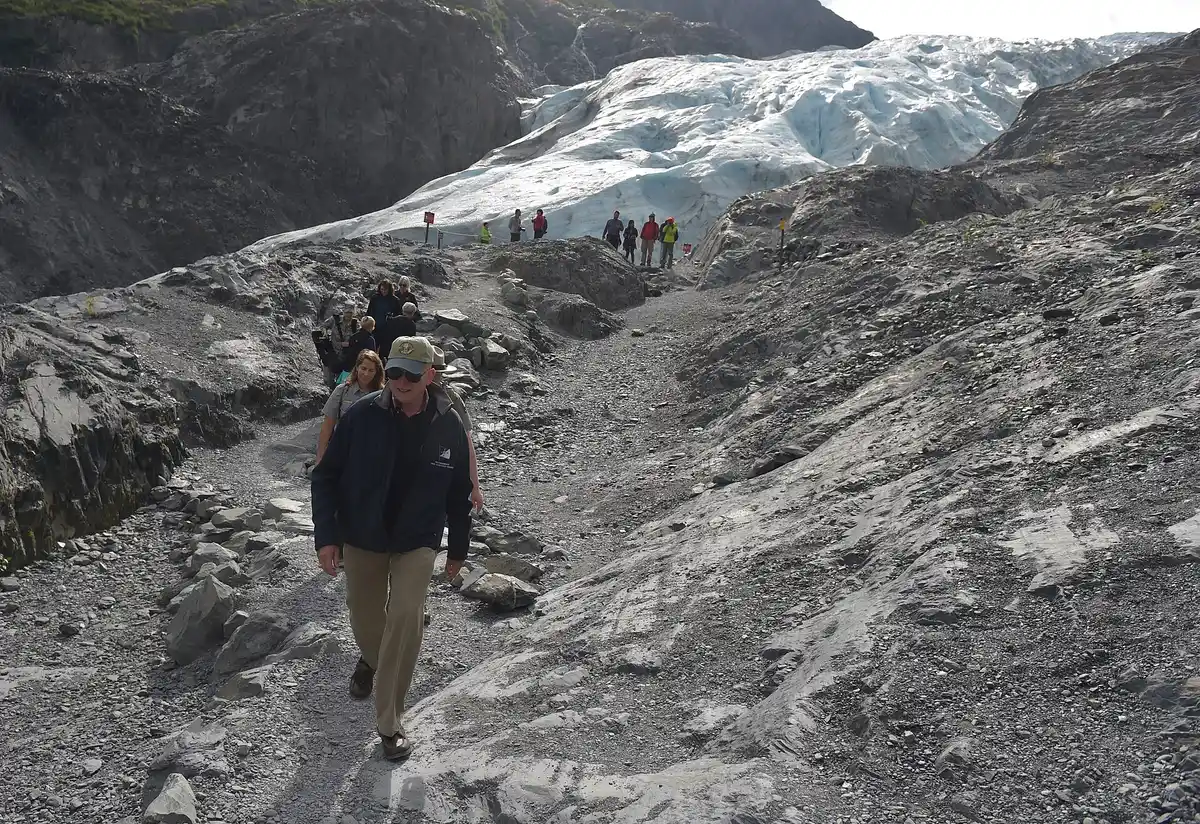
Road-accessible ice · 1–3 hrs of hiking · HikeHead to the Exit Glacier area, the only road-accessible part of Kenai Fjords. Start at the Nature Center, then choose a trail: the paved Glacier View Loop (~1 mile) to a viewpoint near the ice, the short flat Lower Outwash Plain Trail, or the strenuous Harding Icefield Trail. The road is typically open only late May to early September.
Official info → - Harding Icefield Trail (optional)
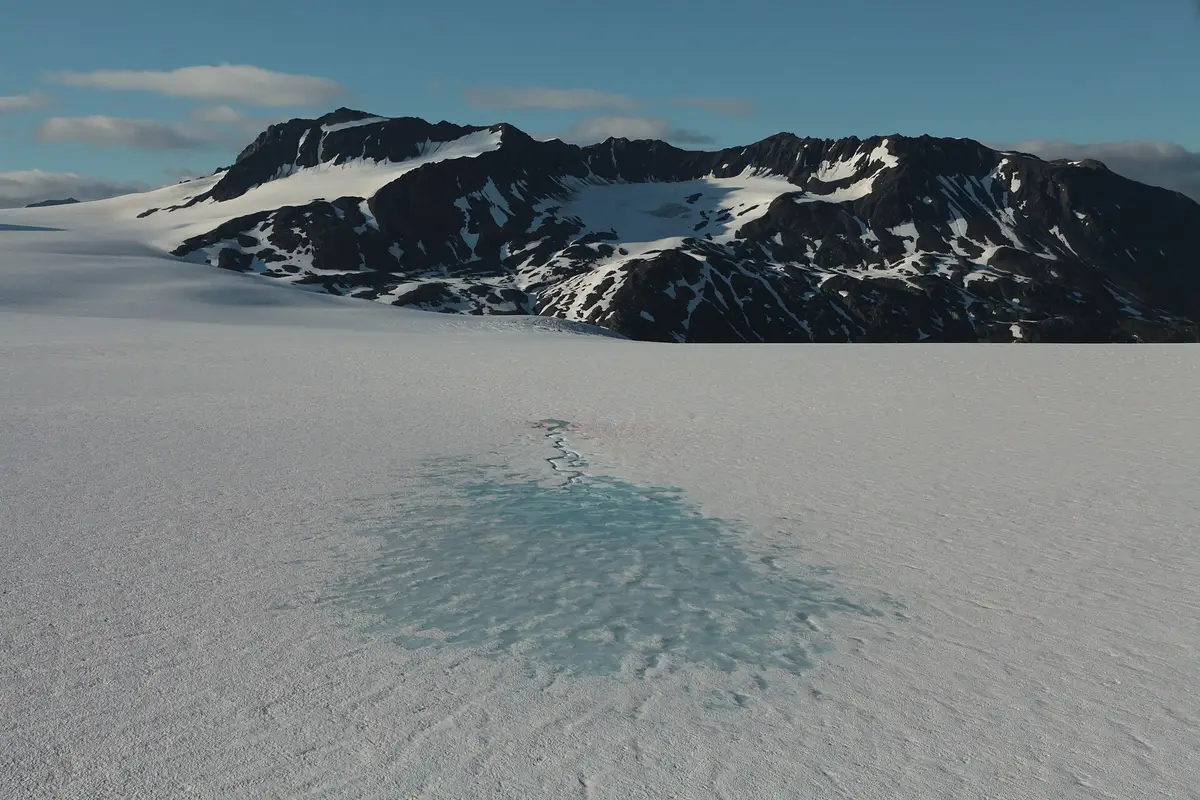
8.8 mi RT · ~3,200 ft gain · Hard · HikeIf you have the fitness and the weather, climb the Harding Icefield Trail from the Exit Glacier valley floor: about 8.8 miles round trip and roughly 3,200 feet of gain to a panorama of the largest icefield entirely within the United States. It crosses avalanche terrain and snow can linger into early July, so check conditions at the Nature Center first.
See the trail → - Mark Nenadov / CC BY 4.0Overnight in Seward
Hotels, cabins & campgrounds near the harbor · lodgeCheck in at Seward, the gateway town for Kenai Fjords. Options range from hotels and B&Bs to cabins and campgrounds, and many sit near the small boat harbor, which is the departure point for the next morning's kayak tour. Camping options include Miller's Landing and the Seward city campgrounds. Book well ahead for peak season.
Full-Day Guided Sea Kayaking · 6–8 hours
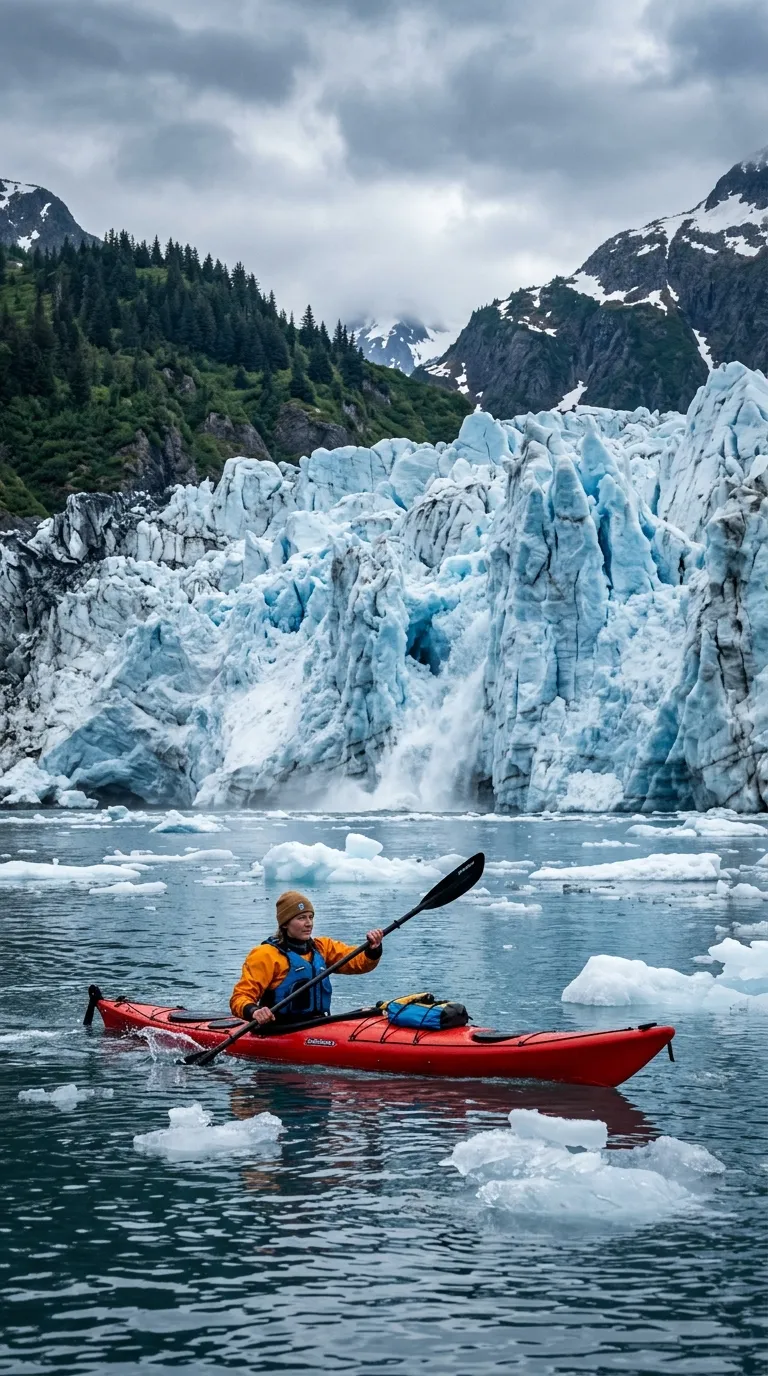
Today is a full-day guided sea kayak tour into Kenai Fjords, usually departing from Seward's small boat harbor. Most trips start with a boat transfer into Resurrection Bay or out toward a remote fjord like Aialik Bay, followed by several hours of paddling among icebergs and near active tidewater glaciers. Lunch, gear, and a guide are typically included.
Not the order you want? Drag a stop, or use the arrows beside it. Stops move between days too.
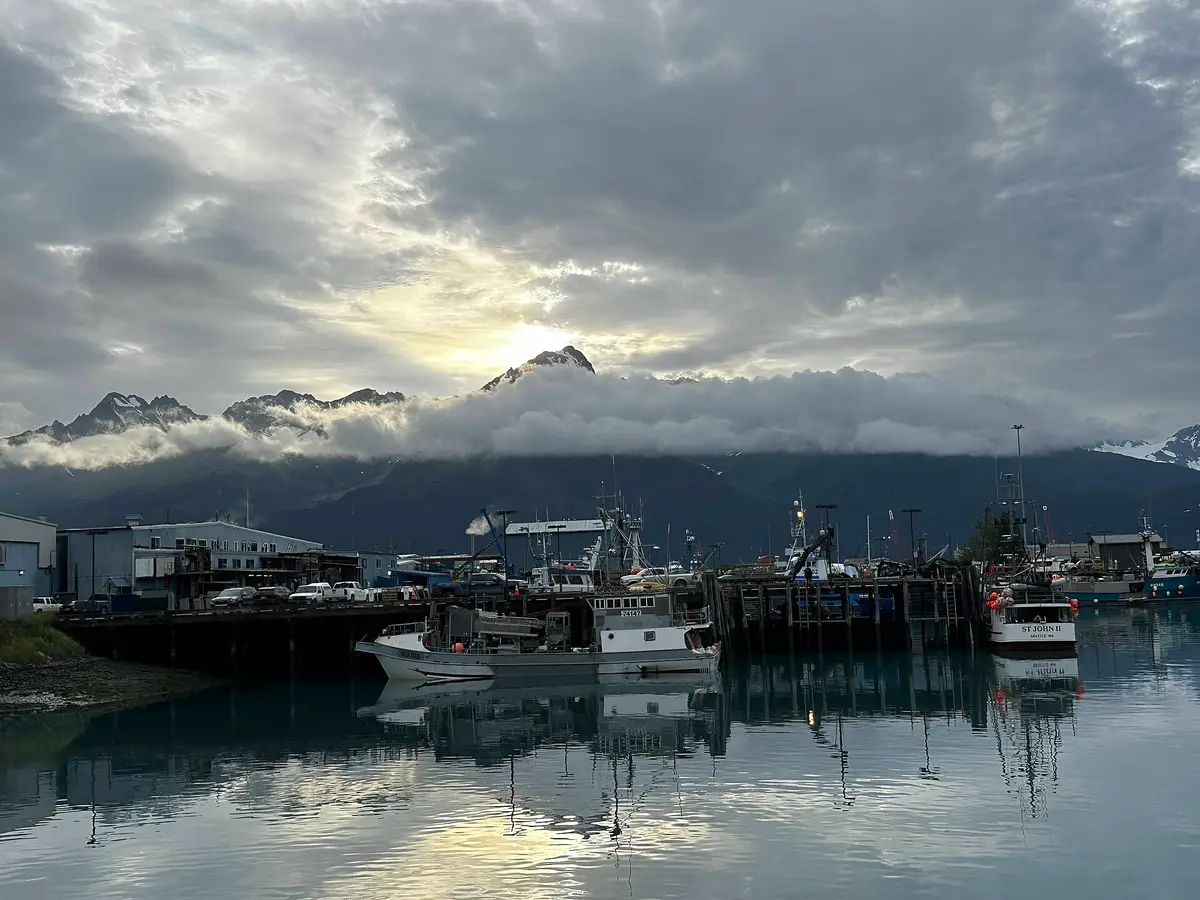
 Seward small boat harbor departure
Tour launch point · boat transfer starts here · ViewpointMeet your guided kayak tour at Seward's small boat harbor. Most full-day trips begin here with a boat transfer into Resurrection Bay or out toward a remote fjord, so this is where the day starts. Arrive early, dress in warm waterproof layers, and bring sun protection and a dry bag for electronics.
- Full-day guided sea kayak tour
Kayak Adventures Worldwide Aialik day trip $499 pp, or Sunny Cove · 6–8 hrs · gear & guide · activityJoin a full-day guided sea kayak tour into Kenai Fjords. Trips typically pair a boat transfer with several hours of paddling among icebergs and near tidewater glaciers, and usually include gear, a guide, and lunch. A guided tour is strongly recommended because of the cold water and demanding marine conditions. Book with a reputable, NPS-permitted outfitter.
Book this → 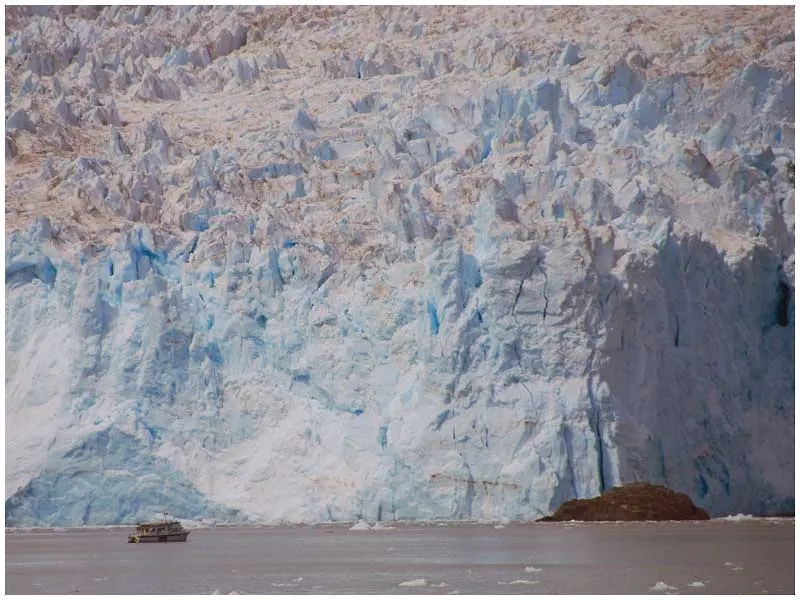 Daniel Hershman from F / CC BY 2.0Aialik Bay tidewater glacier
Paddle among icebergs below calving ice · ViewpointMany full-day trips run out to Aialik Bay, one of the top kayaking destinations in the park, where you paddle among icebergs below the face of Aialik Glacier and may hear and see it calve. Stay well back from the ice and follow your guide. On calmer days you may also visit Northwestern Lagoon or Bear Glacier Lagoon instead.
- Marine wildlife viewing
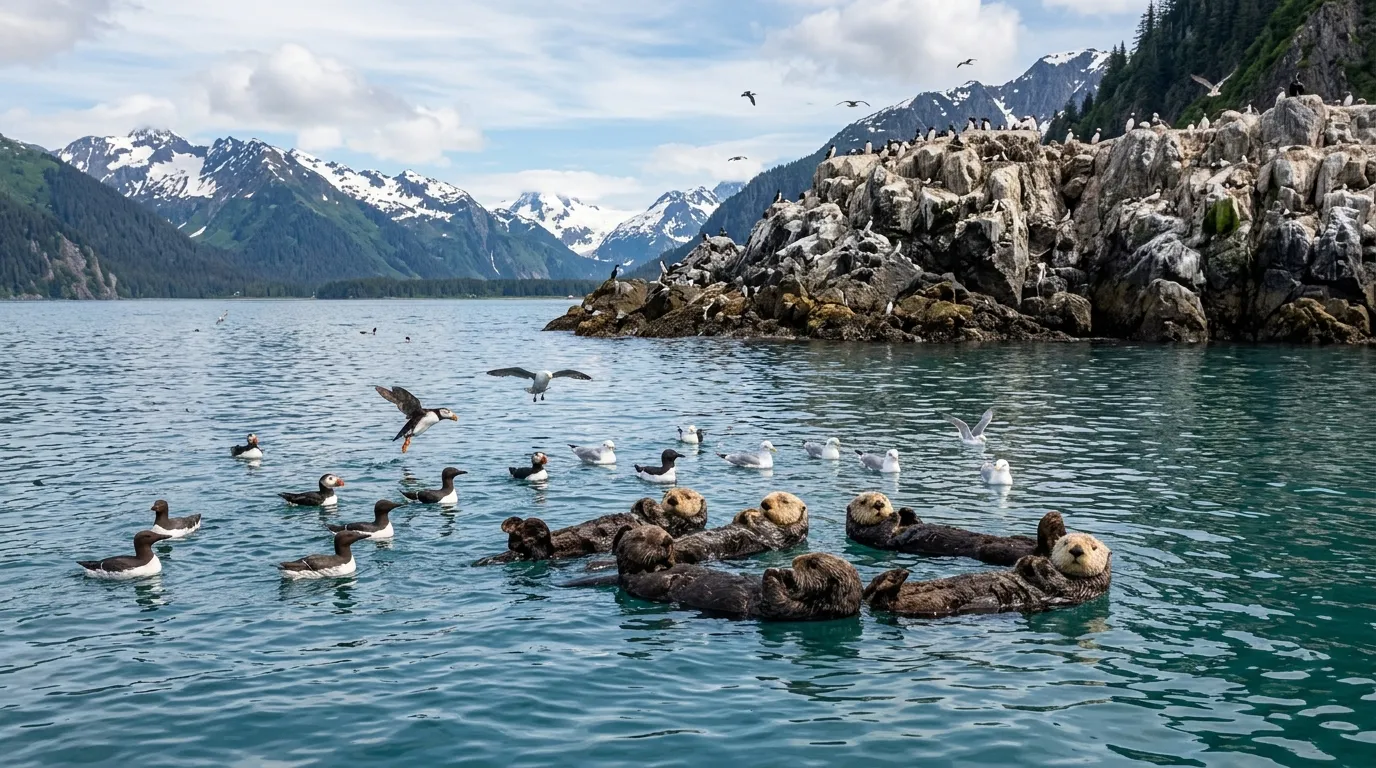
Otters, seals, sea lions, puffins & whales · ViewpointThroughout the paddle and the boat transfer, watch for abundant marine wildlife: sea otters, harbor seals, Steller sea lions, Dall's porpoises, and seabirds like puffins, murres, and kittiwakes. Humpback whales and orcas are frequently spotted, especially on the transfer through Resurrection Bay. Keep a safe, legal distance and never feed animals.
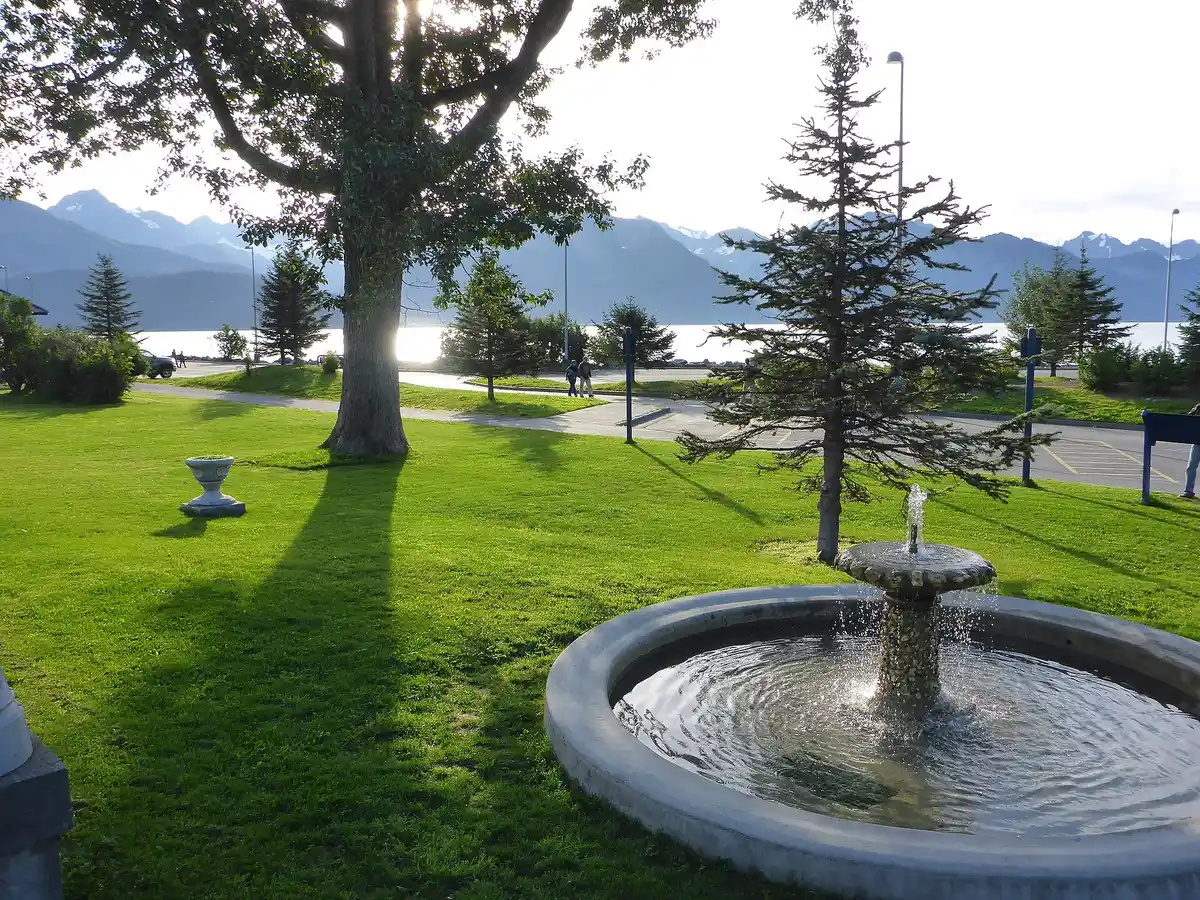 Dmadeo / CC BY-SA 3.0Seafood dinner & stay in Seward
Fresh Alaskan seafood · depart or extend · lodgeBack in Seward in the late afternoon, cap the trip with fresh Alaskan seafood in town before you drive north or spend a second night. From here you can extend into a Resurrection Bay wildlife cruise, more Exit Glacier hiking, or a third day exploring the Kenai Peninsula.
Book the 1 night
Beds near the trailheads are the one thing on this trip that genuinely runs out. Everything else can be decided later.
Tell us your dates and we will do the checking. We find what is still open near each trailhead and email you this plan back with a booking link for each night. Nothing is charged and you decide at the end.
Request to bookWhat to pack for Kenai Fjords
Built from this route, not a generic list. Every line says why it is here.
On every day of this trip
On your feet
Because you are sleeping indoors
For the driving days
Specific to Kenai Fjords
Essential park rules & planning.
No fee, no entry permit
Kenai Fjords National Park has no entrance fee and no timed-entry reservation for general access. You can visit Exit Glacier and Seward and day hike the established trails without a permit. Guided tours operate under their own NPS permits.
Exit Glacier road is seasonal
The road to Exit Glacier is typically open only late May to early September, weather permitting, and closed in winter under heavy snow. Always check the official NPS website for current road conditions before planning your day one hike.
Book kayak tours well ahead
For kayaking into the fjords, a guided tour is strongly recommended because of the cold water and challenging marine environment. Book with a reputable, NPS-permitted outfitter and reserve 3 to 6 months in advance for peak season in July and August.
Go June through August
The best window for kayaking and wildlife is June through August, when temperatures are mildest (roughly 50–70°F), daylight is long, and wildlife activity peaks. May and September bring fewer crowds and lower prices but colder, less predictable weather and reduced services.
Respect wildlife & Leave No Trace
Maintain a safe, legal distance from all marine wildlife and never feed animals. Pack out everything you pack in and dispose of waste properly, on the water and on the Exit Glacier trails.
Backcountry needs a free permit
This 2-day plan uses lodging in Seward, but if you extend into backcountry camping in the park you need a free NPS permit, obtained at the Seward ranger station or online. Reserve early for the Aialik Bay public-use cabins.
Check Harding Icefield ice at the ranger desk
The upper Harding Icefield Trail crosses active avalanche terrain and can hold snow well into July. Before you commit to the full 8.8-mile round trip, verify current upper-trail ice and snow conditions in person at the Exit Glacier Nature Center ranger desk, and turn around if the snowfields look sketchy.
Kenai Fjords: questions before you go
Kenai Fjords kayaking: the questions people ask most.
No. There is no entrance fee or permit for general access to Kenai Fjords National Park. You can visit Exit Glacier and walk around Seward without a permit, and no permit is required to day hike the established Exit Glacier trails. Guided kayak tours operate under their own NPS permits, and backcountry camping requires a separate free permit.
Full-day guided kayaking tours in Kenai Fjords typically range from about $250 to $450 per person, depending on the operator, duration, and how far the boat transfer runs. That price usually includes gear, a guide, and lunch. Book 3 to 6 months ahead for July and August.
Most guided tours suit beginners with basic physical fitness, and the guides provide instruction and manage the route. That said, sea kayaking in cold water can be physically demanding, especially if it is windy, so choose a tour that matches your comfort level.
You can expect sea otters, harbor seals, Steller sea lions, Dall's porpoises, and seabirds like puffins, murres, and kittiwakes. Whales, including humpback, orca, and fin, are common sightings, particularly on the boat transfer through Resurrection Bay.
No. The road to Exit Glacier is typically open only from late May to early September, weather permitting, and is closed in winter due to heavy snowfall. Always check the official National Park Service website for current road conditions before your visit.
Book your guided kayaking tour and Seward accommodations at least 3 to 6 months in advance, especially for the peak season of July and August. Popular tours and lodging fill up quickly, and rooms near the small boat harbor go first.
Only if you are an experienced sea kayaker with full cold-water gear and the skills to self-rescue. Aialik Bay and Resurrection Bay stay near freezing from constant glacier calving, so a capsize can become life-threatening within minutes, and the open crossings are exposed to fast-changing wind and swell. For almost everyone the safe choice is a guided tour with a boat transfer, dry gear, and a leader who reads the conditions.
A boat transfer out of Seward's small boat harbor followed by several hours of paddling flat, sheltered water among icebergs, close to a calving tidewater glacier and past rafts of sea otters and seabirds. It is scenic rather than technical: guided tours pace it for beginners, but the water is cold enough that a guide, a dry suit or wetsuit, and a boat transfer rather than a long open-water paddle are what make it safe.
Yes. Tell us your dates and we check what is still open for the plan on this page, then send it back with a booking link for each night and the total. Nothing is charged and nothing is held, and you pay the normal rate.
Pick how you want to go.
Same 2-day route. Same 6 stops.
- 1 night, a campsite near Seward
- Free
- Full-day guided sea kayak tour
- Priced when you book
- Kenai Fjords glacier cruise
- $530
- Rental car, 2 days
- $220
- Gas, about 129 miles
- $20
- 1 night, a room in Seward
- from $320
- Full-day guided sea kayak tour
- Priced when you book
- Kenai Fjords glacier cruise
- $530
- Rental car, 2 days
- $220
- Gas, about 129 miles
- $20
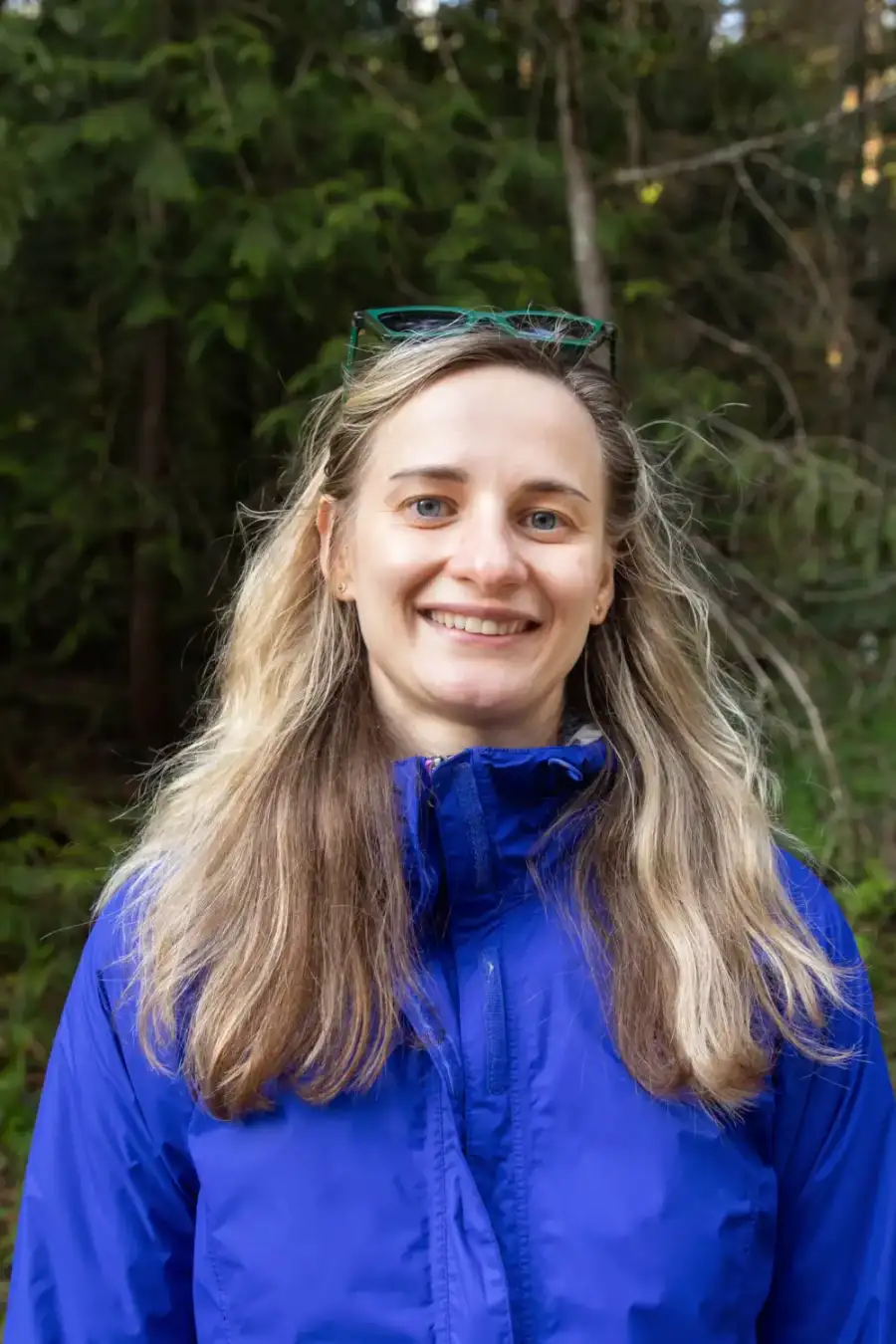
- A private local guide, rooms and campsites booked
- Included
- Airport pickup and every drive
- Included
- Park, permit and campsite fees paid
- Included
- All the gear and the trail meals
- Included
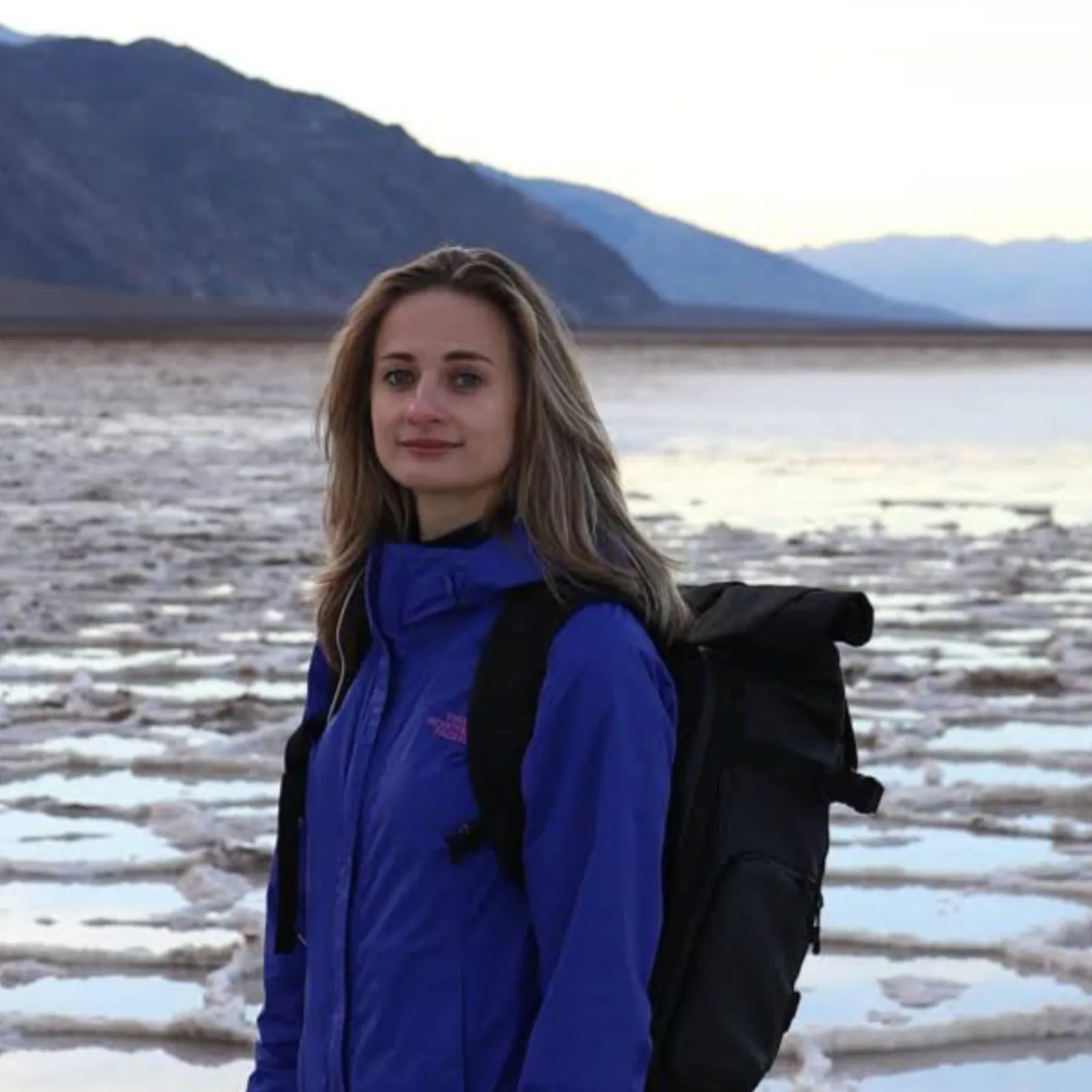
Written and walked by Yulia Vasilyeva · Co-founder · Lead planner and guide
Three years leading guided hikes in the Pacific Northwest, rated 5.0 by 20+ verified guests, and she builds every custom itinerary herself. Based in Seattle.
Last checked October 2026
The Kenai Fjords glacier cruise
The kayaking gets you into the water; the day boat is what gets you to the tidewater glaciers and the Chiswell Islands. Sailings run late May to early September and fill through July.
You might also love these
Other itineraries near this one.
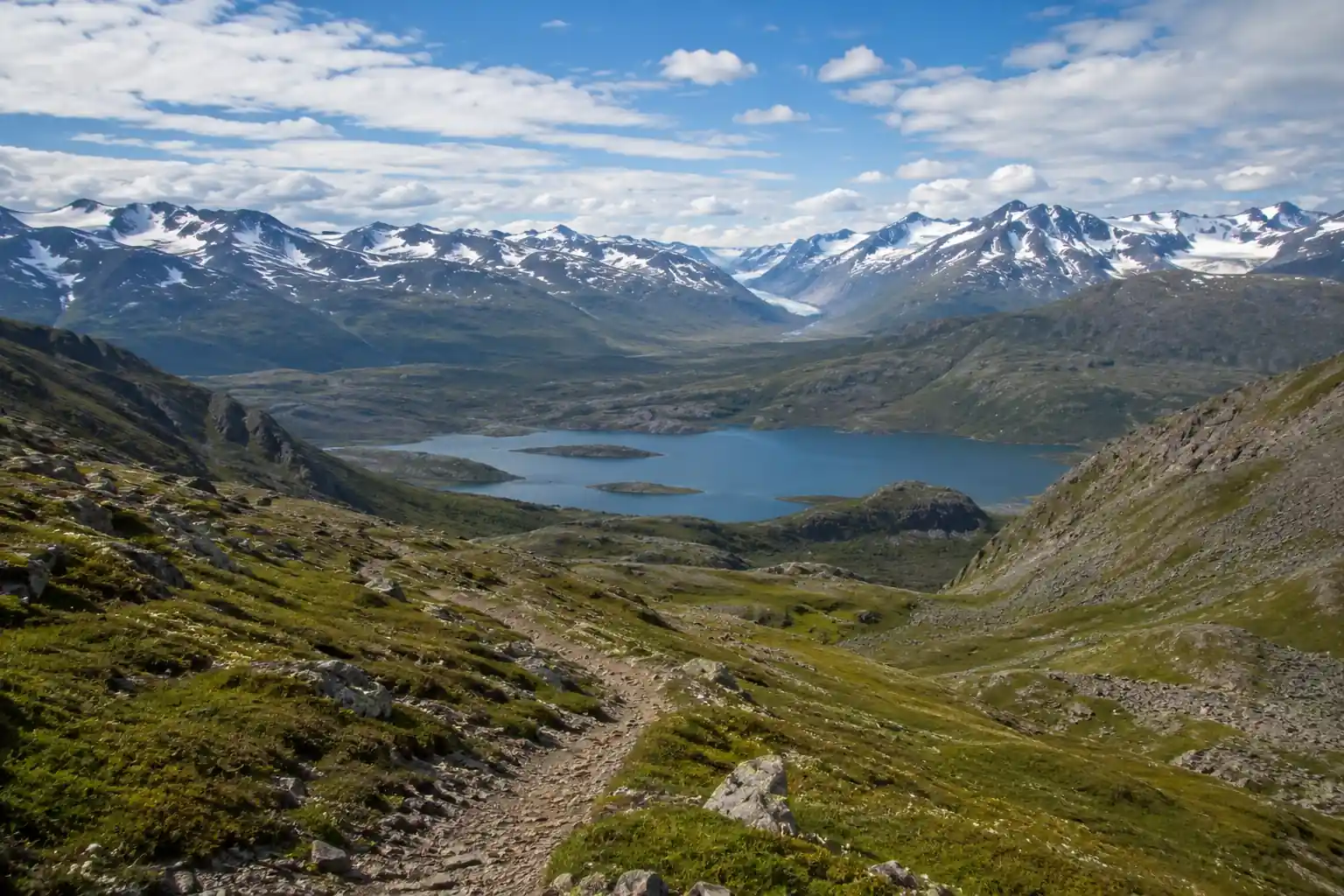
Resurrection Pass Trail: 5-Day Alaska Backpacking Itinerary
A 5-day Resurrection Pass Trail backpacking itinerary: 39 miles across the Kenai Peninsula from Hope to Cooper Landing, staying in Fox…
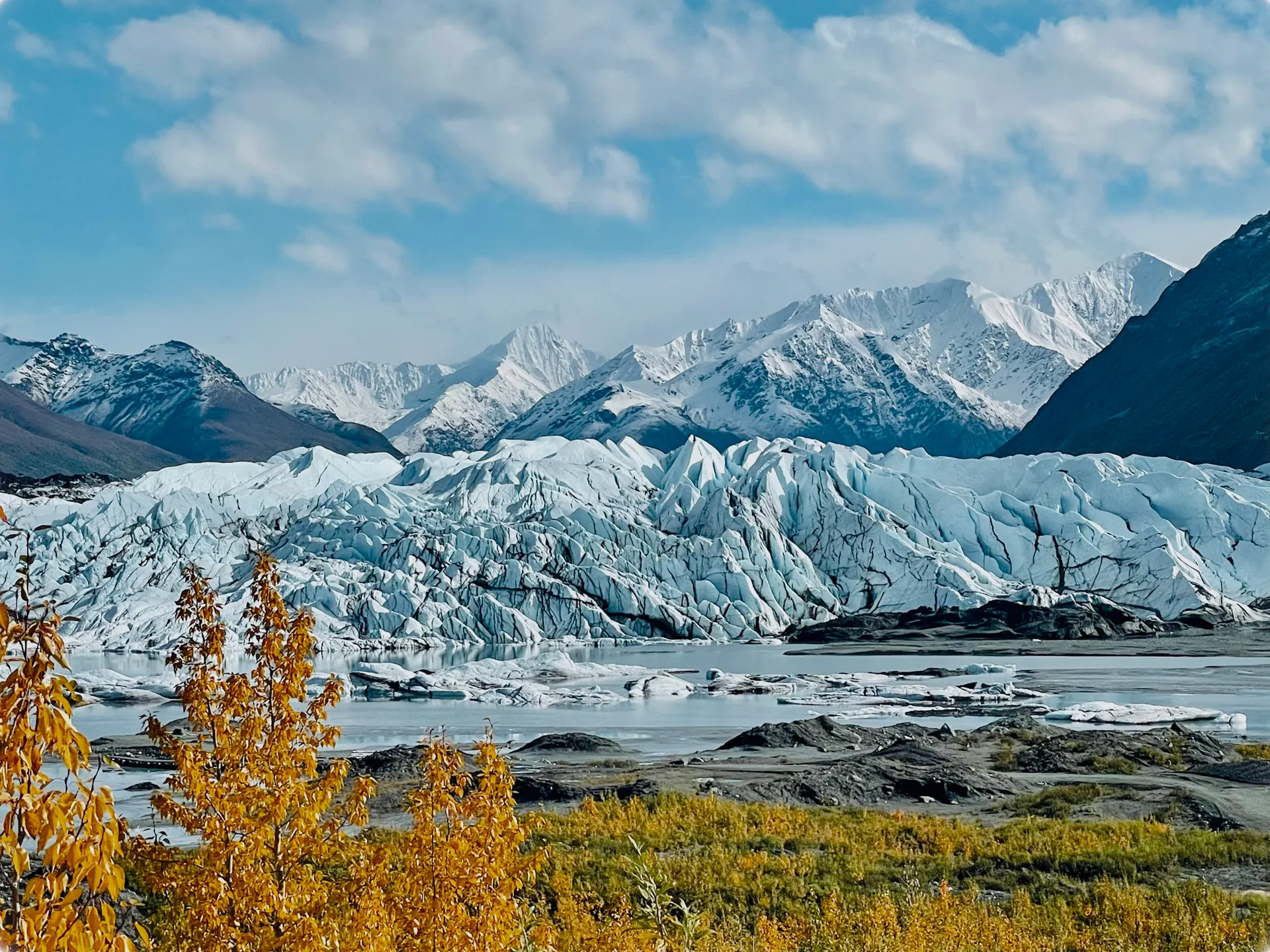
Wrangell-St. Elias National Park: A 4-Day Alaska Itinerary
Four days in America's largest national park: the McCarthy Road to the Kennecott Mines ghost town, the Root Glacier Trail and a guided…
Orcas Island Itinerary: What to Do in 3 Days
Three days on Orcas Island: Mount Constitution, Cascade Falls, bioluminescent night kayaking and whale watching.
Guides for this tripBrooks Lodge Lottery 2027Talkeetna to Denali National ParkThe Denali Park RoadDrive From Anchorage to Denali
What adventurers say about us.
All reviews are from verified guests. ★★★★★ 5.0 average from 20+ bookings.
"Felt like going out with a really knowledgeable friend who just happens to know everything about the area. No awkward tour-guide energy, just a magnificent day."
"Yulia is an incredible guide. She knew every trail, every viewpoint, and exactly how to pace the day for our group. The photos she took of us were stunning. 100% booking again."
"I was visiting Seattle solo and this was the best decision I made on the trip. Yulia picked me up, had snacks, and took us to a trail I never would have found on my own. Absolute must-do."
"We did this as a couple's trip and it was perfect. Yulia adapted everything to us, our pace, our interests, our photo obsession. The mountain views were unreal."
"Phenomenal experience. Yulia has deep local knowledge and a real passion for the outdoors. She went out of her way to show us the hidden gems tourists never see. Will remember this forever."
"I've done a few guided hikes and this was by far the best. Yulia is warm, funny, and genuinely expert. The trail she chose had the most insane wildflower bloom, we got so lucky."
Fees, reservation windows, shuttle dates and trail closures are planning estimates. Confirm hours, road status and any reservations with the land manager before you go.
What other travelers are saying
Be the first to leave a tip or question for the next traveler.
Was this helpful?
One tap. It goes straight to Yulia and Margarita.
You can't hike it if you can't get the permit.
The best hikes in America run on lotteries that open once a year and sell out in minutes. Every trail runs on its own calendar. Pick the ones you want and we do the watching.
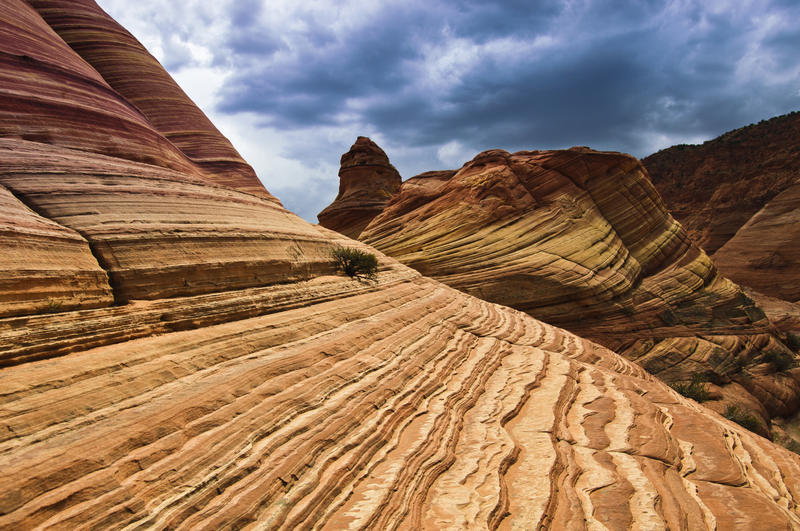 The WaveCoyote Buttes North · Arizona / UtahPermitLotterybrutal odds
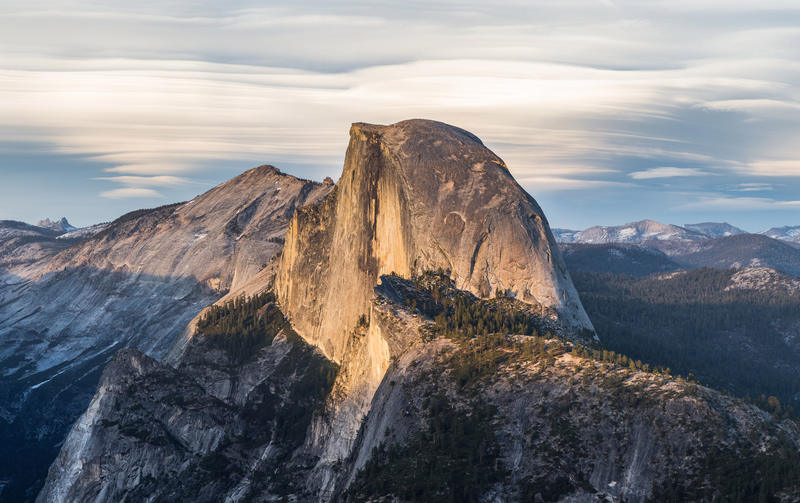 Half Dome CablesYosemite NP · CaliforniaPermitOpens Mar 1fair odds
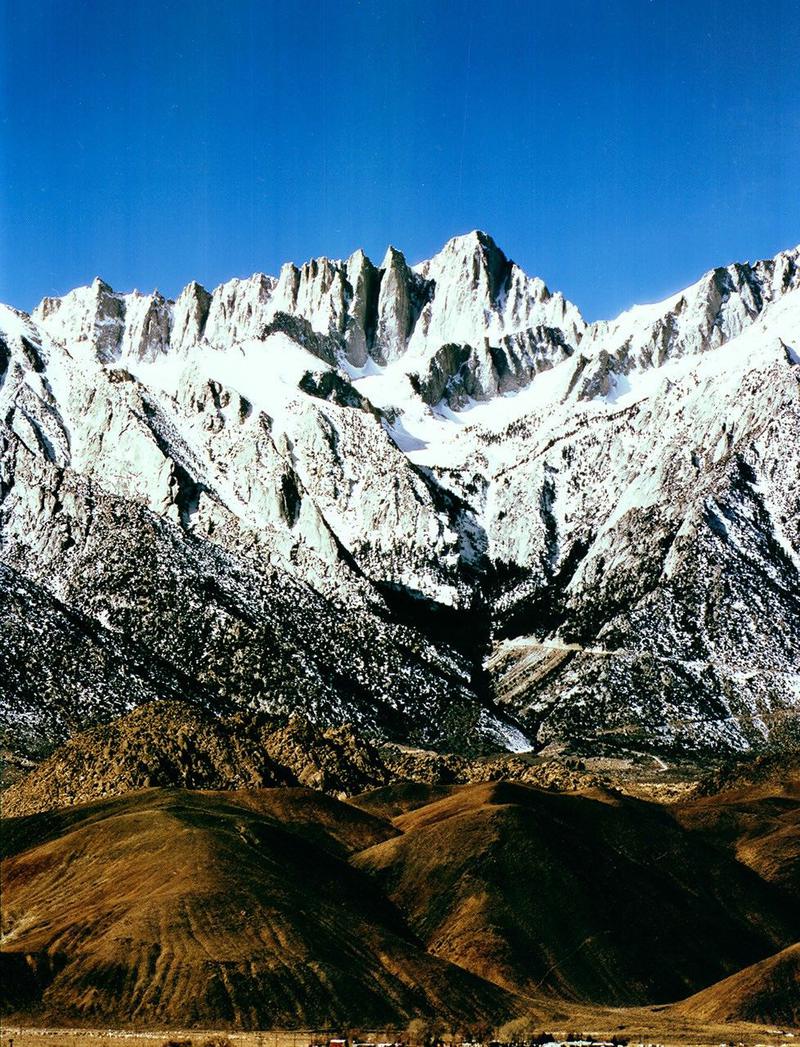 Mt. WhitneyInyo NF · CaliforniaPermitOpens Feb 1tough odds
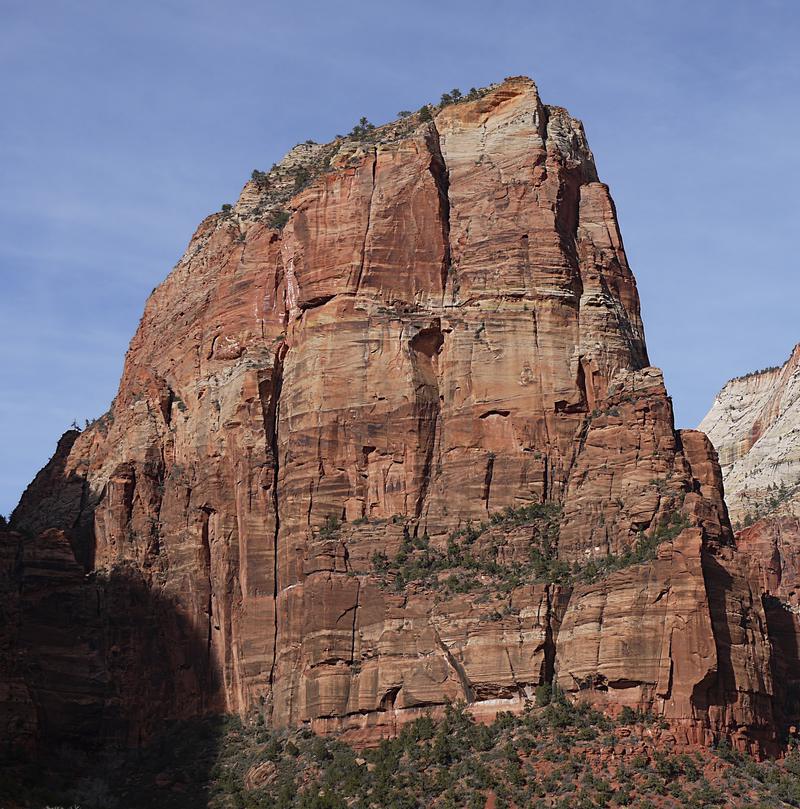 Angels LandingZion NP · UtahPermitLotterytough odds
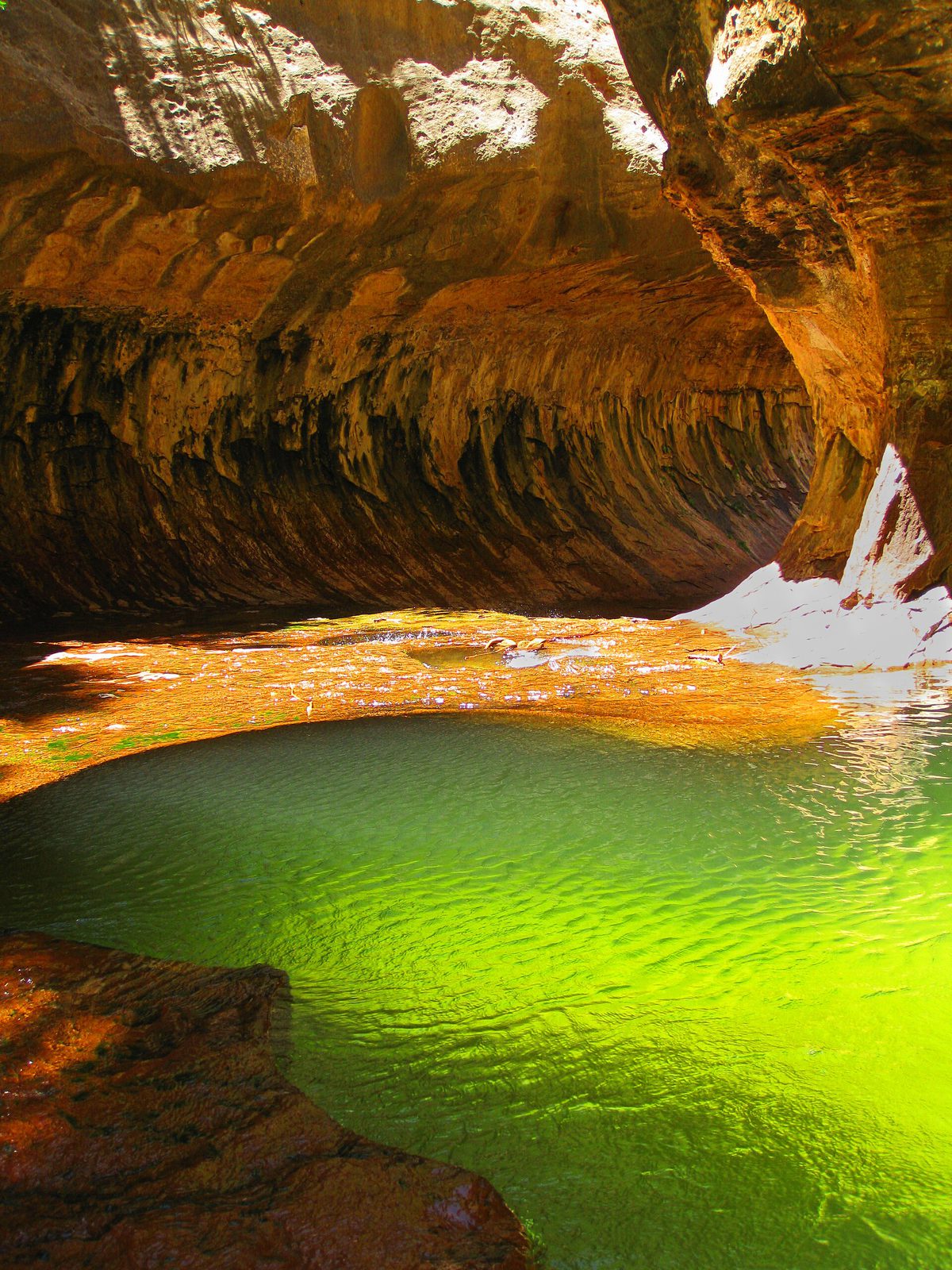 The SubwayZion NP · UtahPermitLotterytough odds
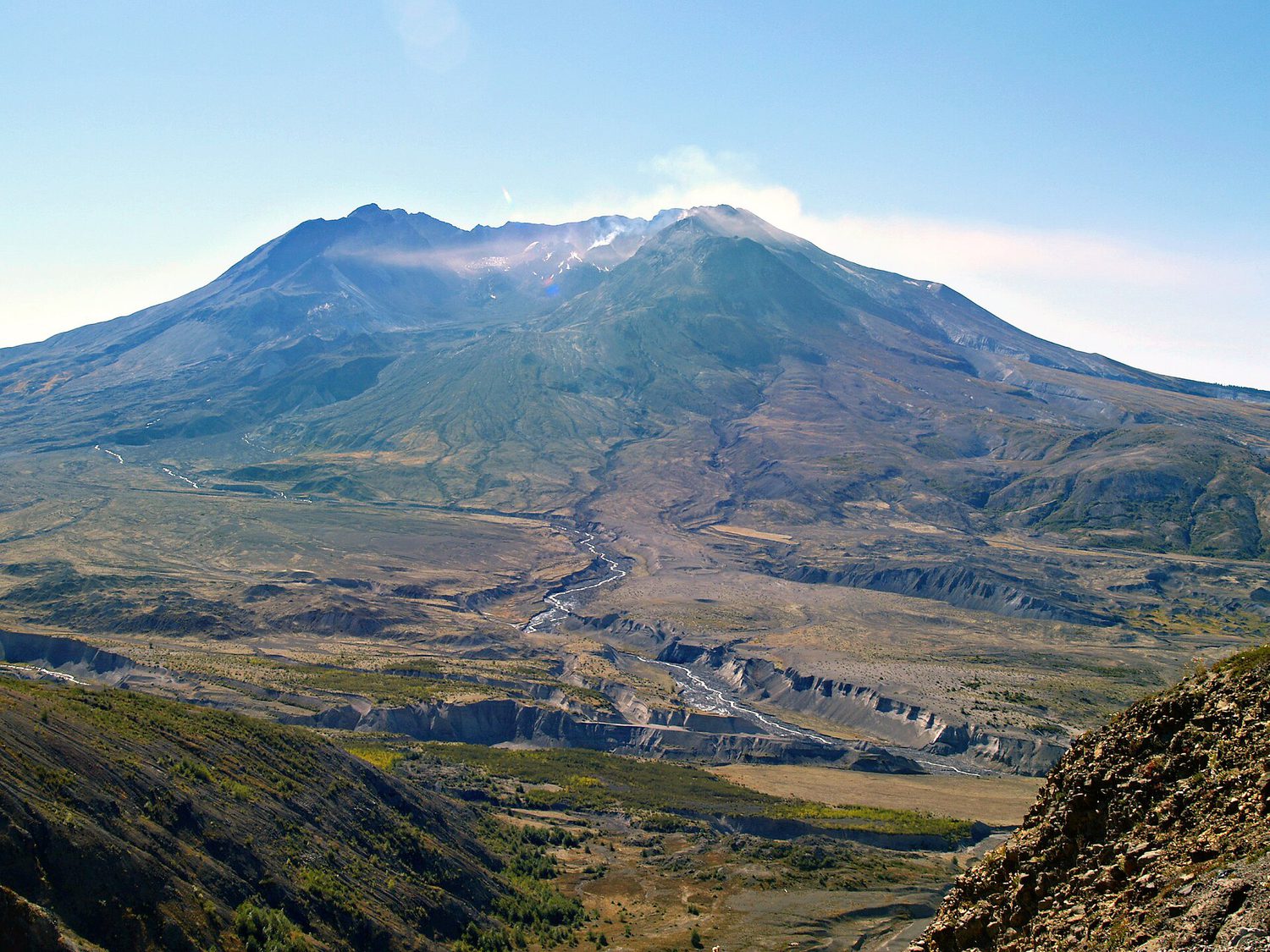 Mount St. Helens Summit ClimbGifford Pinchot NF · WashingtonPermitReservationtough odds
How it works
- An email the morning each window opens, never the day after.
- A 14-day heads-up so you can line up your group and dates.
- Win odds and a ranked backup plan for every trail you pick.
Didn't win? We keep watching. We check recreation.gov every day for The Enchantments, Half Dome and Angels Landing, and email you the moment a sold-out date frees up. Cancellations are the second chance most people never hear about.