Why Backcountry Sleep Is Different From Home
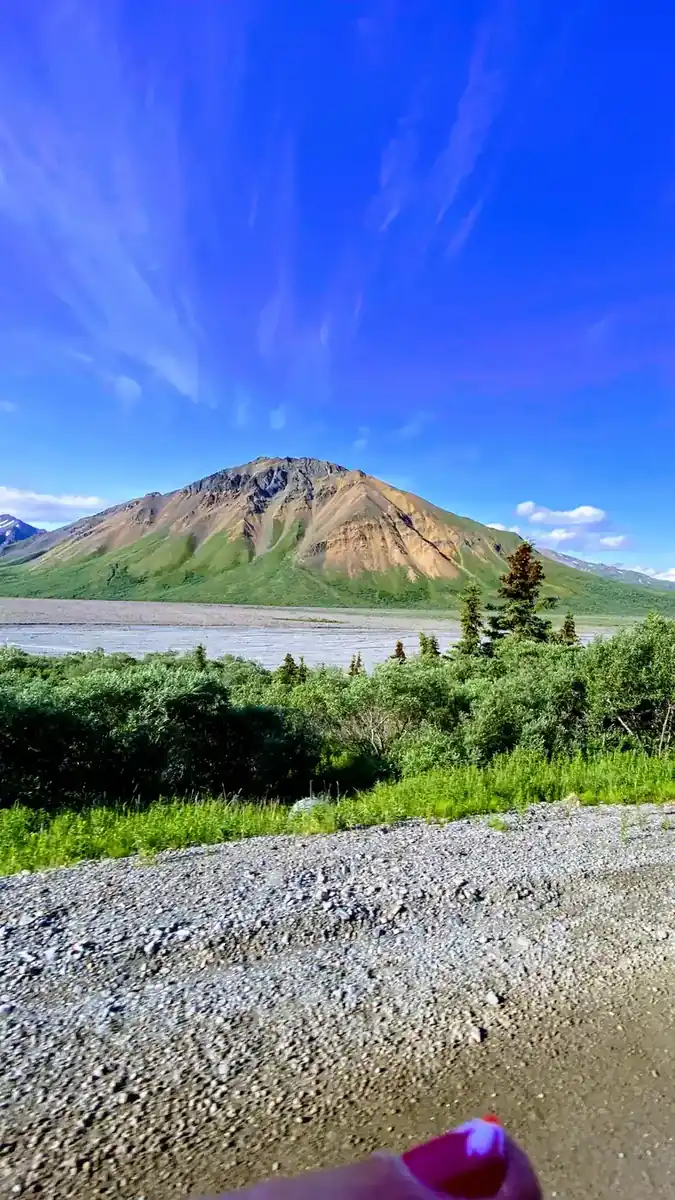
At home, you adjust the thermostat. In the backcountry, the temperature drops 3–5°F for every 1,000 feet of elevation gain, night temperatures frequently fall 30–40°F below daytime highs, and ground cold conducts heat out of your body faster than cold air does. A sleep system that works at a car campground at 3,000 feet fails completely at a high Sierra camp at 11,000 feet, even if the weather looks identical.
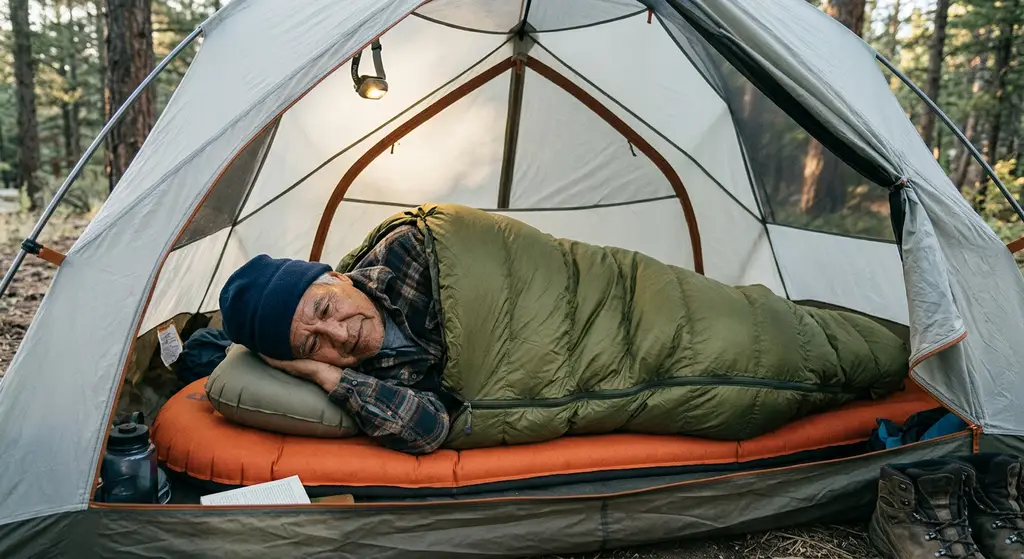
The three variables that determine whether you sleep comfortably are: your sleeping pad (ground insulation), your sleeping bag or quilt (air insulation), and your campsite setup. Get the pad wrong and no sleeping bag fixes it. Get the campsite wrong and neither helps you.
Sleeping Pads: The Most Underrated Piece of Gear
Most beginning backpackers underinvest in sleeping pads because bags get all the marketing attention. This is backwards. Your sleeping bag insulates based on trapped air, compressed insulation doesn't insulate. When you lie on your back, your sleeping bag compresses completely underneath you and provides almost no warmth from below. Your sleeping pad provides all of your ground insulation.
Pads are rated by R-value, a measure of thermal resistance. Higher R-value = more insulation. Here's the practical guide:
- R-value 1–2: Summer camping only, below 50°F nights. Thin foam pads and cheap inflatables fall here. Fine for July in the lowlands, inadequate above 7,000 feet.
- R-value 3–4: Three-season use, to about 30°F nights. This range covers most backpacking trips from late spring through early fall. The Therm-a-Rest NeoAir XTherm and Sea to Summit Ether Light XT both land around R4.
- R-value 5+: Winter and high-altitude use. Required for trips where temperatures drop below 20°F. The NeoAir XTherm (R5.7) and Nemo Tensor Insulated (R4, but warm-sleeping people find it adequate in the 20s) sit in this range.
You can also stack pads. A closed-cell foam pad under an inflatable is common, the foam protects the inflatable from punctures and adds 1–2 R-value. The combination of a $15 Nalgene foam pad (R2) and a mid-range inflatable hits R5+ for less money than a top-tier inflatable alone.
Types of Sleeping Pads
Closed-cell foam (CCF): EVA foam or similar. Can't puncture, very affordable, provides consistent R-value. The Therm-a-Rest Z-Lite Sol (R2, 14 oz) is the benchmark, virtually indestructible, straps to the outside of a pack, doubles as a camp chair or emergency shelter. The limitation is bulk and relatively low R-value. Most ultralight backpackers use CCF as a base pad under an inflatable.
Inflatable: Pump up with your breath or an inflation sack. Higher R-value, much more comfortable than foam, and packs small. Puncture risk is real but manageable, carry a repair kit (they're always included, never thrown away). Top options: Nemo Tensor Insulated (R4, 15 oz), Sea to Summit Ether Light XT (R3.2, 16 oz), Therm-a-Rest NeoAir XTherm (R5.7, 15 oz, the top of the category, expensive at $200). The NeoAir makes a distracting crinkling sound with every movement; some people find this tolerable, others are bothered by it.
Self-inflating: Open-cell foam that expands when the valve opens, with some manual top-off. Heavier than either pure foam or pure inflatable but very comfortable. Therm-a-Rest ProLite (R2.4, 18 oz) is the classic example. Better for car camping than backpacking because of the weight penalty.
Sleeping Bags: Temperature Ratings Explained
Sleeping bag temperature ratings are standardized (EN 13537 / ISO 23537 test) but still regularly misunderstood. The ratings:
- Comfort rating: The temperature at which a cold-sleeping woman is comfortable. This is the conservative, reliable number.
- Lower limit rating: The temperature at which a warm-sleeping man is comfortable. This is what most marketing uses.
- Extreme rating: Survival only, you won't be comfortable, you won't sleep, but you won't die. Ignore this for trip planning.
The practical rule: buy a bag rated 10°F colder than the coldest temperature you expect. If your campsite will hit 30°F, buy a 20°F bag. This buffer accounts for cold-sleeping tendencies (which most people have until they've done enough backcountry trips to know), fatigue from a hard day (you sleep colder when exhausted), and the fact that temperature forecasts for alpine areas are imprecise.
Down vs. Synthetic Insulation
Down: Better warmth-to-weight ratio, compresses smaller, lasts longer when cared for. Loses virtually all insulating ability when wet, compressed wet down is worthless. Water-resistant down (DWR treatment on the fill or hydrophobic down) mitigates this somewhat. 800-fill power and above is the target for backpacking bags, high-fill-power down uses fewer feathers to achieve the same insulation, reducing weight and improving compressibility. Western Mountaineering, Feathered Friends, and Enlightened Equipment make the best down bags; REI Co-op and Big Agnes hit the value range.
Synthetic: Retains most insulating ability when wet. Heavier and bulkier than equivalent-temperature down. Doesn't last as many wash cycles before insulation degrades. Right choice for Pacific Northwest trips where sustained rain is expected or for winter alpine environments where moisture management is critical. Patagonia and Mountain Hardwear make excellent synthetic options.
Sleeping Quilts
Quilts eliminate the insulation on the underside of a sleeping bag (which compresses and provides no warmth anyway) to save weight. A 20°F quilt weighs significantly less than a 20°F bag and compresses smaller. Enlightened Equipment Revelation (900-fill down, 18 oz, around $280) and Katabatic Flex are the favorites in ultralight communities. The trade-off: quilts require practice, drafts around the edges take a trip or two to manage. If you're a side-sleeper who moves at night, a bag's cocoon shape is more forgiving than a quilt.
Backcountry Pillow Options
Options from worst to best for sleep quality:
- Stuff your jacket into your sleeping bag's hood, this works and adds no weight, but a lumpy jacket is a lumpy pillow
- Pack cover stuffed with extra clothes, better than nothing, surprisingly adequate for side sleepers
- Nemo Fillo Elite or Sea to Summit Aeros pillow, inflatable camp pillows at 2–2.7 oz. The Fillo Elite has a foam layer over the inflatable for comfort; the Aeros is firmer with no foam. Both are much more comfortable than stuff sacks.
For car camping, a full-size memory foam pillow in a dry bag outperforms everything else. For backpacking, an inflatable camp pillow is worth the 2–3 oz.
Campsite Setup for Warmth
Where you sleep matters as much as what you sleep in:
- Avoid valley floors and depressions on cold nights: Cold air is dense and drains downhill. A campsite 50 feet above a valley floor can be 10–15°F warmer.
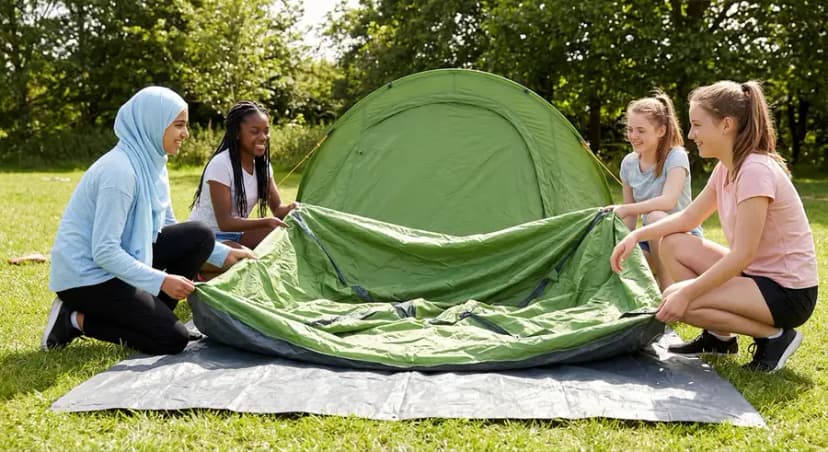
- Get out of the wind: Wind dramatically accelerates heat loss from your shelter. Trees, boulders, and ridge lines break wind. Your tent is a wind break too, face the door away from the prevailing wind direction.
- Insulate from the ground on snow or rock: Snow camping requires R-value 5+ under you. Rock camping in cold weather benefits from extra insulation, your sleeping pad and an additional foam layer.
- Eat a larger dinner: Digesting food generates body heat. A high-fat dinner (olive oil added to everything, full bag of instant mashed potatoes with butter) on a cold night improves how warm you sleep.
When You're Still Cold
If you're in your bag and cold:
- Do 30–40 jumping jacks outside before getting in, pre-warming the bag with body heat before your body temperature drops speeds the warming process
- Add a synthetic puffy jacket over your sleeping bag (especially over your chest)
- Fill a wide-mouth Nalgene with boiling water and put it in your bag near your core, holds heat for 6+ hours
- Add a vapor barrier liner (controversial among experienced backpackers, effective when properly used)
- Pull the hood tightly around your face, you lose substantial heat through your head when the hood isn't snugged down
How to Sleep Comfortably Backpacking FAQs
For three-season backpacking (spring through fall, down to around 30°F), target R3–R4. For high-altitude summer trips or shoulder-season camping above 10,000 feet, go R4–R5. Winter camping requires R5 or more, often achieved by combining a foam pad (R2) under an insulated inflatable (R3–4).
Buy a bag rated 10°F colder than the coldest temperature you expect on your trips. If you're camping in conditions that reach 30°F, buy a 20°F bag. This buffer accounts for cold-sleeping tendencies, fatigue, and forecast imprecision.
Quilts are lighter and pack smaller than equivalent-rated bags because they remove insulation from below (which compresses and doesn't insulate anyway). They require practice to manage drafts and work best for back sleepers who don't move much. Bags are more forgiving for restless sleepers.
Wet regular down loses most of its insulating ability. Hydrophobic down (treated with DWR) loses less but still underperforms in sustained wet conditions. For trips with significant rain risk (Pacific Northwest, Appalachians in spring), consider a synthetic bag which retains warmth when wet.
Fill a wide-mouth Nalgene with boiling water and place it near your core inside the bag, this is the fastest way to warm a cold sleeping bag. Also check that your bag's hood is pulled snug around your face; a loose hood loses enormous heat. Eating a high-fat snack before sleeping also generates body heat through digestion.