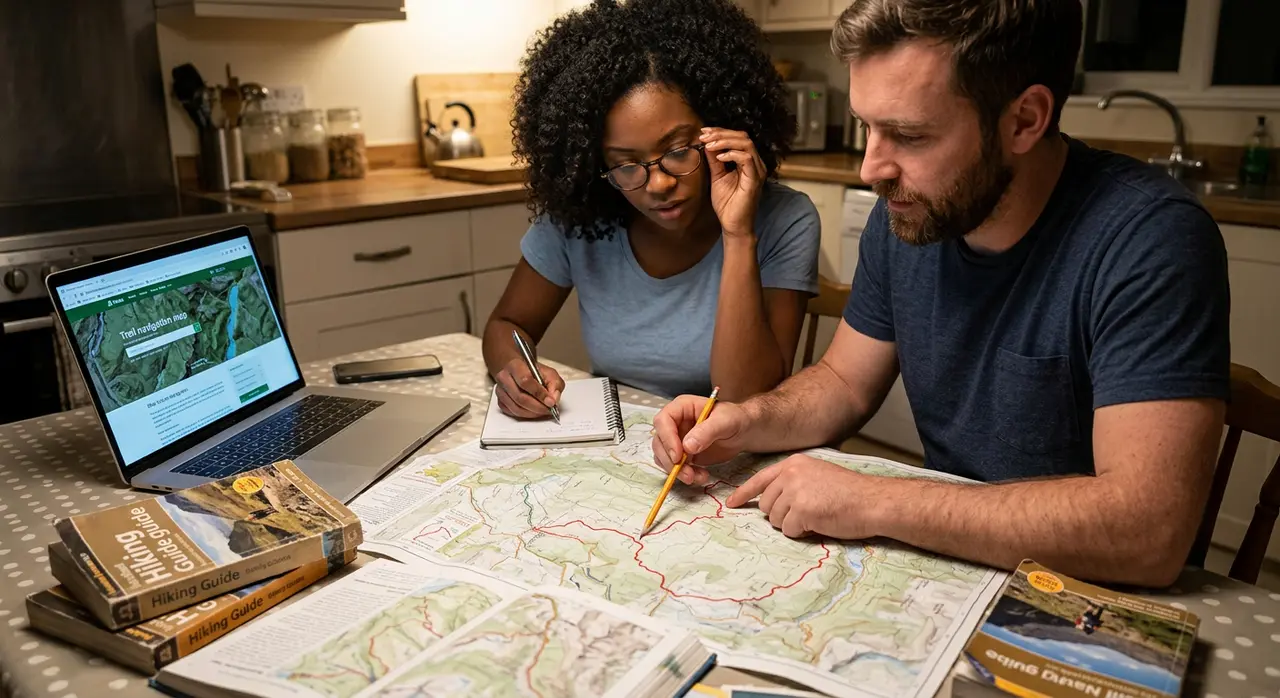
The Gap Between Day Hiking and Overnight Hiking
Day hiking and multi-day hiking share a trail, but they're fundamentally different activities. A day hike has a built-in safety valve: the car is always within a known distance, you carry only what you need for six hours, and if something goes wrong you hike out. A multi-day hike removes those safeties. You're committed to the terrain, the weather, and the weight on your back for two days, five days, or two weeks. The planning requirements scale accordingly.
The most common failure mode for first-time overnight hikers is underplanning, either the logistics (permits, water, camping zones) or the gear (too heavy, wrong items, missing critical pieces). This guide covers both, with a focus on the specific decisions that make or break a multi-day trip before you ever leave the trailhead.
Choosing Your Route
Start shorter than your ambition suggests. A three-to-four-night trip of 30–40 miles is a good first backpacking benchmark for a fit hiker. Many people plan their first overnight trip at 10–15 miles per day and don't account for the weight of a full pack, backpacking miles are harder than day hiking miles by 30–50% depending on terrain and load.
When evaluating a route, look at:
- Total mileage and elevation: Calculate daily average distance and gain. Anything over 1,000 feet of gain per 5 miles is strenuous with a heavy pack. Most first backpackers are comfortable at 8–12 miles per day.
- Water availability: Mark every water source on your map. In the desert Southwest, water can be scarce and this is a planning constraint that determines your camp locations. Caltopo and Gaia GPS show seasonal streams; check ranger station websites for current conditions.
- Camping zones: Many wilderness areas designate specific camping zones or require you to camp at established sites. Check the permit requirements, camping outside designated zones is often prohibited.
- Exit options: Know where you can bail out early if needed. Identify trail junctions with road access so you have options if injury, weather, or gear failure requires an early exit.
Permits: The Part That Catches People Off Guard
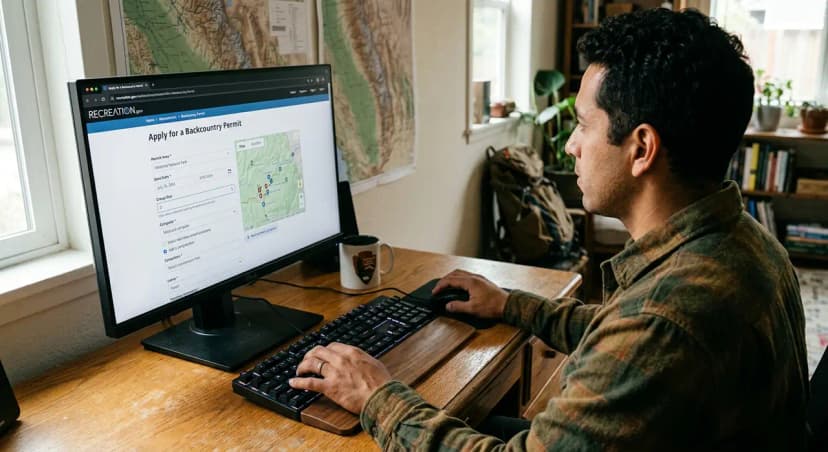
Wilderness permits are the logistics step that most planning guides underemphasize and that catches the most first-time backpackers by surprise. Some of the most popular overnight routes in the country require permits that sell out months in advance.
The Enchantments (Washington): Core Zone permits are drawn by lottery in February for the following summer. Applying in February gets you a permit for July or August, a five-to-six-month lead time. The lottery is genuinely competitive with odds under 5% for the most popular dates.
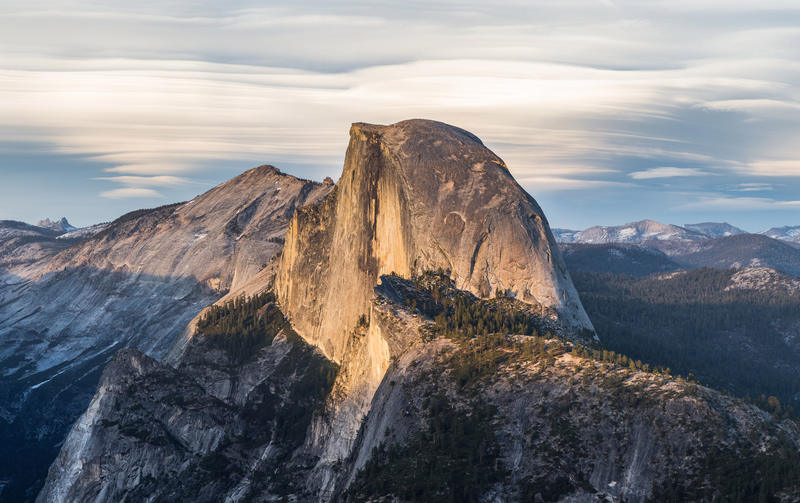
Half Dome (California): Permits required for the cable section. Day-hike permits are available by lottery in the spring. Overnight permits are separate and also competitive.
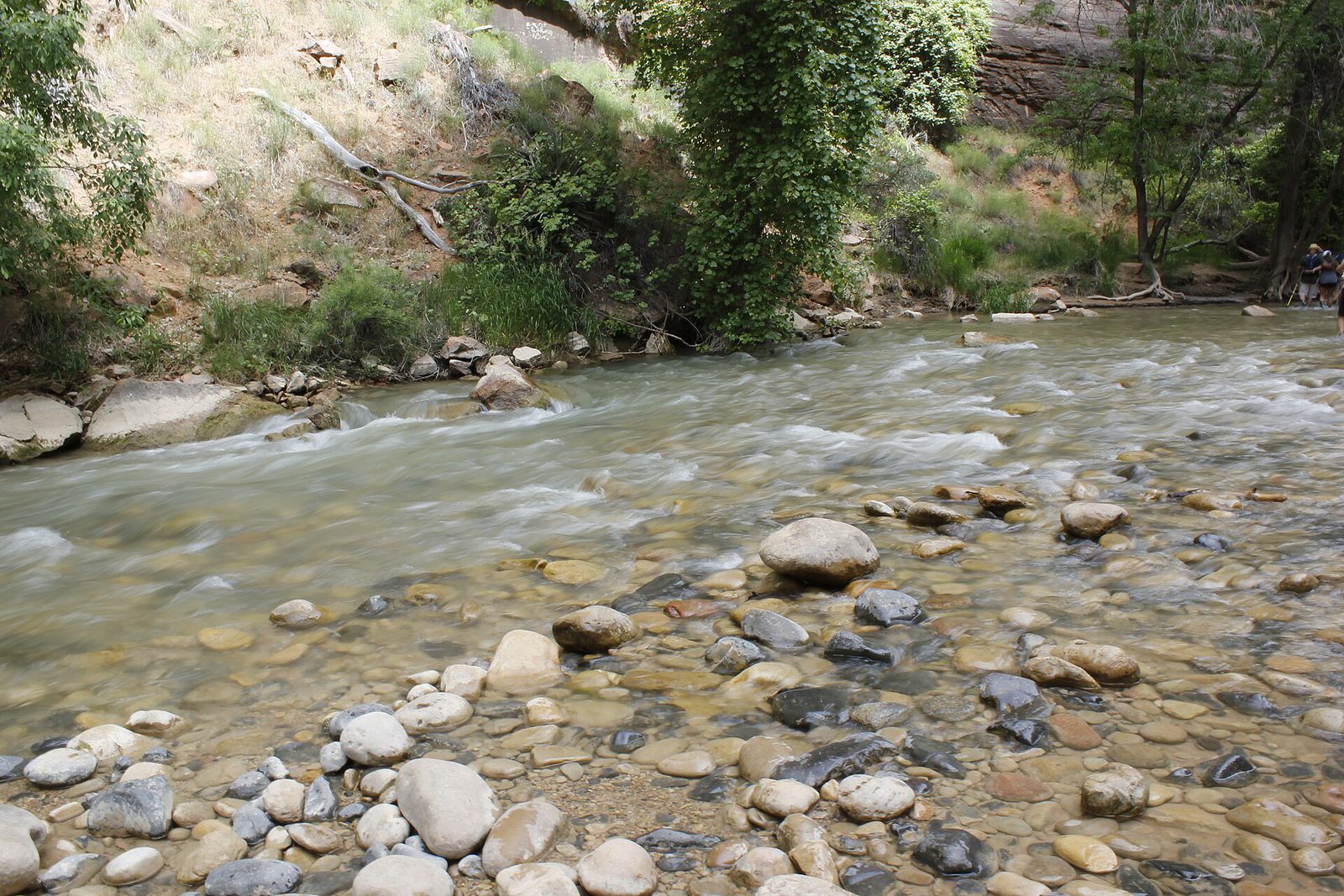
The Narrows (Zion): Top-down through-hike requires a permit. Bottom-up is permit-free but offers a different (shorter) experience.
John Muir Trail: Requires wilderness permit at the starting trailhead (Happy Isles is the most popular and most competitive). Apply through recreation.gov six months in advance for popular dates.
Most wilderness areas outside the most famous destinations have straightforward permit systems, self-issue permits at the trailhead, online quota systems, or walk-up availability. Research your specific area at recreation.gov and the relevant ranger district website.
Key permit planning rules:
- Research permit requirements before you pick your dates, not after.
- Lottery permits open months before the hiking season. Mark the dates on your calendar.
- Many systems have a percentage of permits held for walk-up reservation at the trailhead. Check whether this applies to your route and plan a backup if you're relying on it.
- Group size limits are real and enforced. Most wilderness areas cap groups at 12; some at 8.
Food Planning: Calories First, Weight Second
Backpacking food planning starts with calories, not recipes. You need 2,500–4,000 calories per day depending on your size, the terrain, and the weather. Cold weather and high mileage days push toward the higher end.
The weight target for backpacking food is 1.5–2 pounds per person per day. Freeze-dried meals hit this efficiently, they're lightweight, high-calorie, and require only boiling water. Popular brands include Mountain House, Backpacker's Pantry, and Good To-Go. A single freeze-dried dinner typically runs 300–700 calories and 4–6 ounces.
A practical four-day food plan (per person):
- Breakfast: Instant oatmeal with protein powder, or freeze-dried scrambled eggs. Add nuts or seeds for extra calories.
- Lunch (no-cook): Tortillas with nut butter, hard cheese, summer sausage, crackers, or jerky. No-cook lunch saves fuel and is faster on high-mileage days.
- Snacks: Trail mix, energy bars, chocolate, chips. Plan 800–1,000 calories of snacks per day, you'll eat continuously while moving.
- Dinner: Freeze-dried meal or dehydrated home-cooked meal. Add olive oil, instant mashed potatoes, or ramen for extra calories on heavy days.
Organize food by day in labeled Ziploc bags. This makes rationing easier and helps you identify if you've over or under-packed before you're committed.
Water Planning and Filtration
Water strategy on a multi-day hike requires more attention than a day hike. You need water for cooking and for drinking between sources, and you need to know where sources are so you're not carrying more weight than necessary.
Plan your water carries around sources. If you have a reliable stream every three miles, carry 1–1.5 liters between sources. If you have a desert section with 12 miles between water, carry 3–4 liters (about 6.5–9 pounds of water weight).
Carry a water filter for every multi-day hike. Sawyer Squeeze ($35) and Platypus BeFree ($50) are the most popular ultralight options. Both filter to 0.1 micron, removing bacteria and protozoa. They don't remove viruses (not generally a concern in North American backcountry) or chemical contamination (check if you're hiking downstream of mining or agriculture).
Aquatabs (chlorine tablets) make a good backup. They're small, light, and work if your filter fails.
Shelter: Tent, Tarp, or Bivy
For most first-time backpackers, a three-season tent is the right choice, it provides reliable weather protection, handles most conditions you'll encounter, and removes variables in your first nights out. Ultralight tarps and bivies have their place but require more experience to use effectively in changing weather.
What to look for in a backpacking tent:
- Freestanding or semi-freestanding (easier to set up on irregular terrain)
- Weight under 4 lbs for a two-person tent; under 3 lbs is ultralight
- Vestibule (covered gear storage area) for wet weather and keeping gear organized
- Seam-taped rain fly
Recommended two-person tents: REI Co-op Half Dome SL 2+ ($300) balances weight and livability well for beginners. Big Agnes Copper Spur HV UL2 ($500) is the ultralight step up. MSR Hubba Hubba ($450) is bomber in severe weather.
Sleep System: Bag and Pad
Your sleep system is critical to overnight comfort and safety. Getting cold at night in the backcountry is miserable and can be dangerous.
Sleeping bags are rated by temperature. The EN/ISO rating indicates the temperature at which a "standard" sleeper is comfortable, but individual metabolism varies significantly. Women tend to sleep colder than men. As a rule, buy a bag rated 10–15°F warmer than the coldest temperature you expect to sleep in.
For three-season backpacking in most of the US, a 20°F rated bag handles the majority of conditions. Down bags (850+ fill power) offer the best warmth-to-weight ratio but lose insulation when wet. Synthetic bags (Primaloft, Climashield) perform better in wet conditions at a weight penalty.
Sleeping pads provide insulation from the ground (ground conduct heat away from your body faster than air does). R-value measures insulating capacity, R4 or higher for three-season backpacking. Inflatable pads (Therm-a-Rest NeoAir, Sea to Summit Ether Light XT) are lighter; closed-cell foam pads (Therm-a-Rest Z Lite) are bulletproof and cheap.
The Ten Essentials for Multi-Day Trips
Day hiking's ten essentials apply to backpacking plus a few additions specific to overnight travel: stove and fuel, extra food beyond the planned amount (emergency day), shelter (tent), sleep system, repair kit (duct tape, tenacite cord, pole repair sleeve), and a first aid kit expanded beyond blister care to include pain medication, antidiarrheal, antihistamine, and wound care supplies.
Building Your Gear System Over Time
You don't need to buy everything at once for your first trip. Rent a pack, tent, and stove from REI or a local outfitter for your first trip rather than buying gear you might not use again. After one or two trips, you'll know which items matter to you, which you can go lighter on, and where the money is worth spending. Most experienced backpackers arrived at their current kit through iteration over several years, not by buying the perfect system on the first attempt.
How to Plan a Multi-Day Hike FAQs
It depends entirely on the route. The Enchantments lottery opens in February for summer dates. John Muir Trail permits are available six months in advance. Most wilderness areas outside iconic destinations have walk-up permits or short-notice online availability. Research your specific route first, some require lottery applications months out, others are first-come-first-served at the trailhead.
A loaded pack for a three-season trip should ideally be under 35 lbs for most hikers, including water and food. Traditional backpacking often runs 40–50 lbs. Ultralight backpacking targets under 20 lbs base weight (everything except food and water). Start with a budget kit and work toward lighter gear as you figure out what matters to you.
Plan for 2,500–4,000 calories per day at 1.5–2 lbs per person per day. Freeze-dried meals, nut butter tortillas, trail mix, hard cheese, summer sausage, and energy bars are the staples. Organize food by day in labeled bags so you can track consumption and rationing.
Yes. Drinking unfiltered backcountry water risks Giardia and other pathogens that cause days to weeks of gastrointestinal illness. Sawyer Squeeze and Platypus BeFree are both lightweight, reliable, and under $50. Carry backup purification tablets as a redundant option.
Overpacking. Most first-timers carry 15–20 lbs more than they need, which turns an enjoyable hike into a grueling slog. The usual culprits: too much food, too many clothes, a heavy tent, and items packed 'just in case' that are never used. Weigh your pack before every trip and ask whether each item is truly necessary.