Why Permits Are So Hard to Get, and Why It's Getting Worse
Backcountry permits exist because popular wilderness areas were being loved to death. The Enchantments in Washington received 30,000 annual visitors per year on a trail system designed for a fraction of that. Half Dome Cables in Yosemite saw hundreds of hikers on a route where one slip means a 900-foot fall. Land managers responded with permit caps. Demand kept rising. Now getting a permit to the most sought-after destinations can feel harder than getting concert tickets.
Understanding the permit system, and how to game it legally, is its own skill. This guide covers the main permit types, how to enter lotteries correctly, walk-up strategies, and backup plans for when you don't win.
The Four Main Permit Systems
1. Advance Reservation (Recreation.gov)
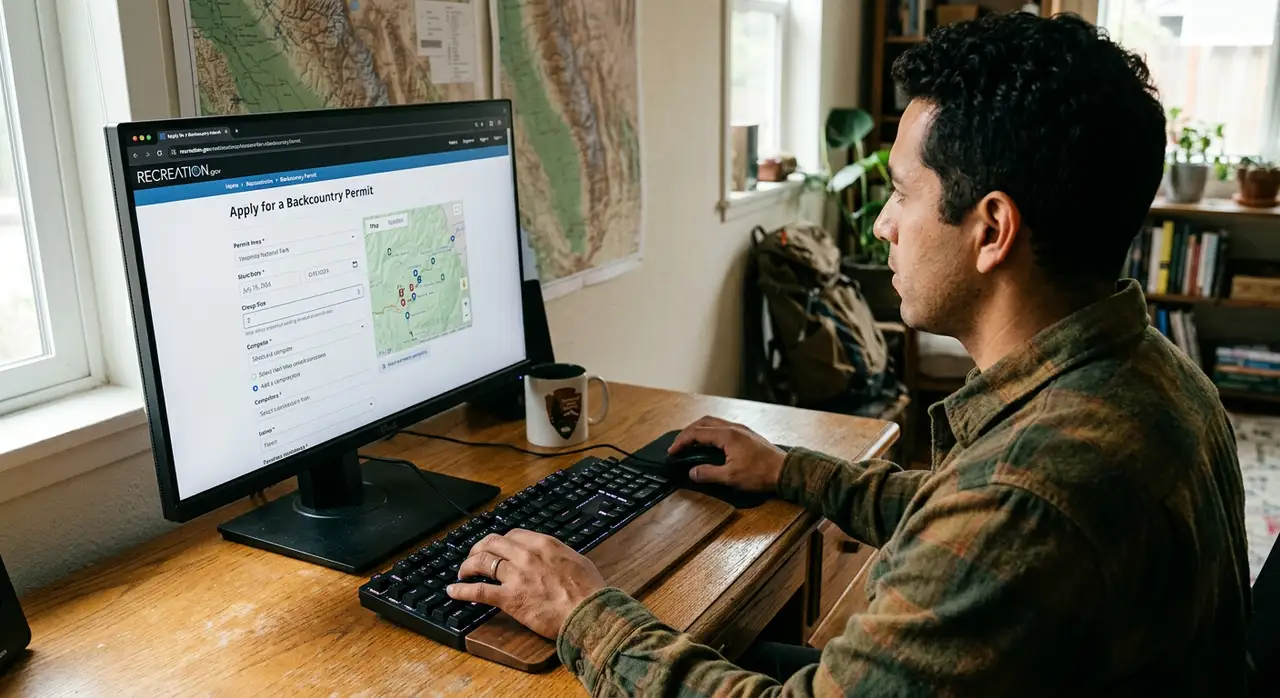
Most NPS backcountry permits are issued through Recreation.gov. Permits go on sale a set number of months in advance, typically 2 to 6 months, on a specific date and time. High-demand permits sell out in seconds to minutes. You need a Recreation.gov account (free) set up in advance with your payment method saved. On release day, log in 10 minutes early, refresh at the exact second reservations open, and click fast.
Know the exact release time in your local time zone. Recreation.gov operates on Pacific Time by default but displays your local time if your account is set correctly. Missing by even a minute means sold out.
2. Pre-Season Lotteries
For the highest-demand permits, a random lottery is fairer than a first-come-first-served race. You submit an application during a defined window, typically in January through March for summer permits, and receive a yes or no in late spring.
Key lottery-specific tips:
- Enter with a group of 1. Lottery algorithms frequently prioritize single-person applications over large groups because they're easier to slot into available nights and trailheads. If your group of 4 can't go without each other, enter as a group. But if flexibility is possible, entering individually and syncing later often increases hit rate.
- List multiple entry points and dates. Most lotteries let you rank preferences. List 5–6 date/entry combinations ranked by flexibility, not preference. You're not committed to preference order once you have a permit, you can swap dates after winning if the system allows.
- Enter every alternate in your group. If the lottery allows alternate applicants (many do), have everyone in your group enter separately. If any one person wins, the group goes. Don't let the primary applicant be the only one in the lottery.
3. Walk-up Permits (Day-of or Day-Before)
Most permit systems hold back a percentage of permits for walk-up distribution at the ranger station. For some destinations, this is 25–30% of total capacity. The catch: you have to be there in person, often by 6am or earlier on the day before your planned start.
Walk-ups work best for:
- Mid-week trips (Monday–Thursday walk-ups have far less competition than weekends)
- Shoulder season (September and October in most mountain ranges see dramatically reduced permit demand)
- Less-popular entry points for the same wilderness area (the same permit zone may have one crowded trailhead and two obscure ones with leftover permits)
4. First-Come-First-Served Online Windows (6-Month Rolling)
Some permits are available on Recreation.gov in a rolling window, exactly X months in advance of each date, permits for that date become available. For a 6-month rolling system, January 15 permits become available on July 15 of the prior year. Set a calendar reminder for 6 months before your target date, wake up at the release time (often midnight or 7am Pacific), and grab what you can. Use the Recreation.gov app as a backup, it sometimes loads faster than the browser.
Specific Permit Playbook: Major Destinations
The Enchantments (Washington)
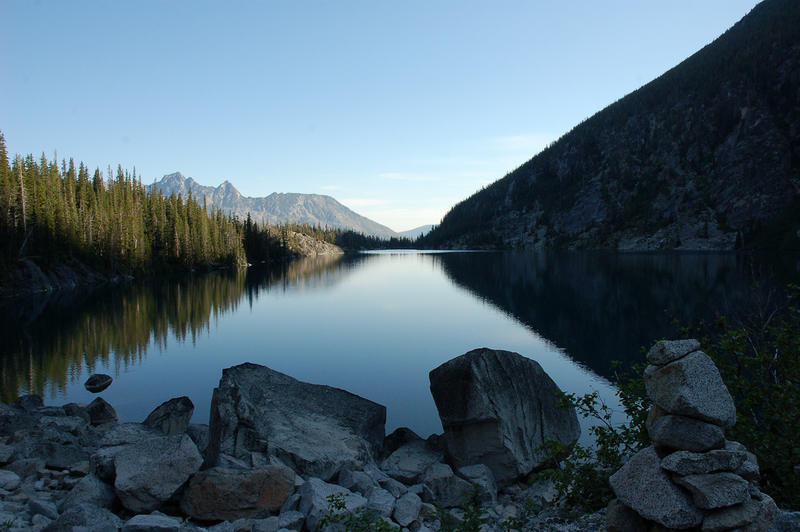
One of the most competitive permit lotteries in the country. The pre-season lottery runs February–March on Recreation.gov for overnight permits in all zones. Day-use permits for the core zone are also issued by lottery. Odds of winning the core zone overnight lottery are roughly 3–8% depending on year and party size. Alternatives: enter the Colchuck or Stuart Lake zones (lower demand), plan a day trip through the core zone, or go in October when the lottery restrictions ease and snow adds solitude.
Half Dome (Yosemite)
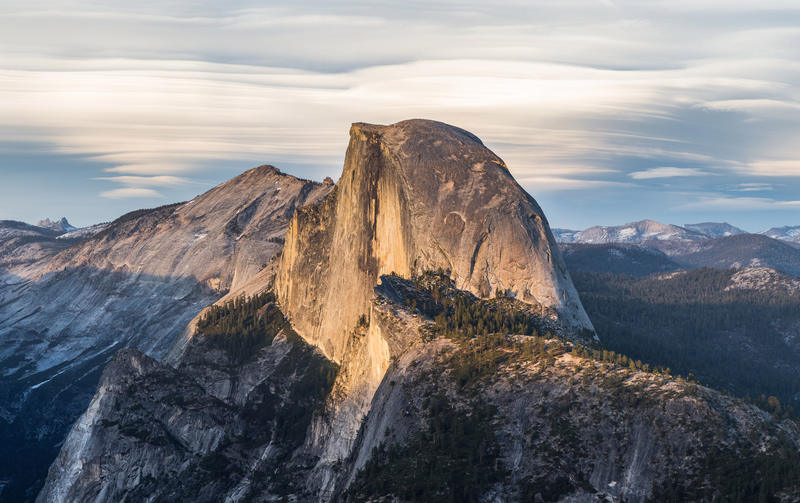
Cables permits are required May through October. Pre-season lottery in March covers ~200 permits per day; daily lottery (2 days before) releases additional permits. Enter both. The daily lottery has better odds than the pre-season lottery for most dates, apply at 12pm Pacific, two days before your target date. If cables are your primary goal, build your Yosemite trip around a confirmed permit date rather than hoping to get lucky.
Mount Whitney (California)
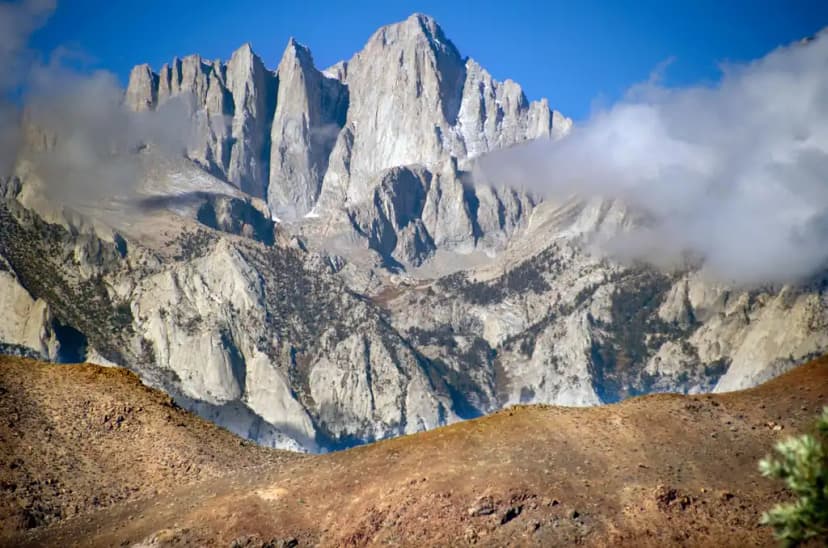
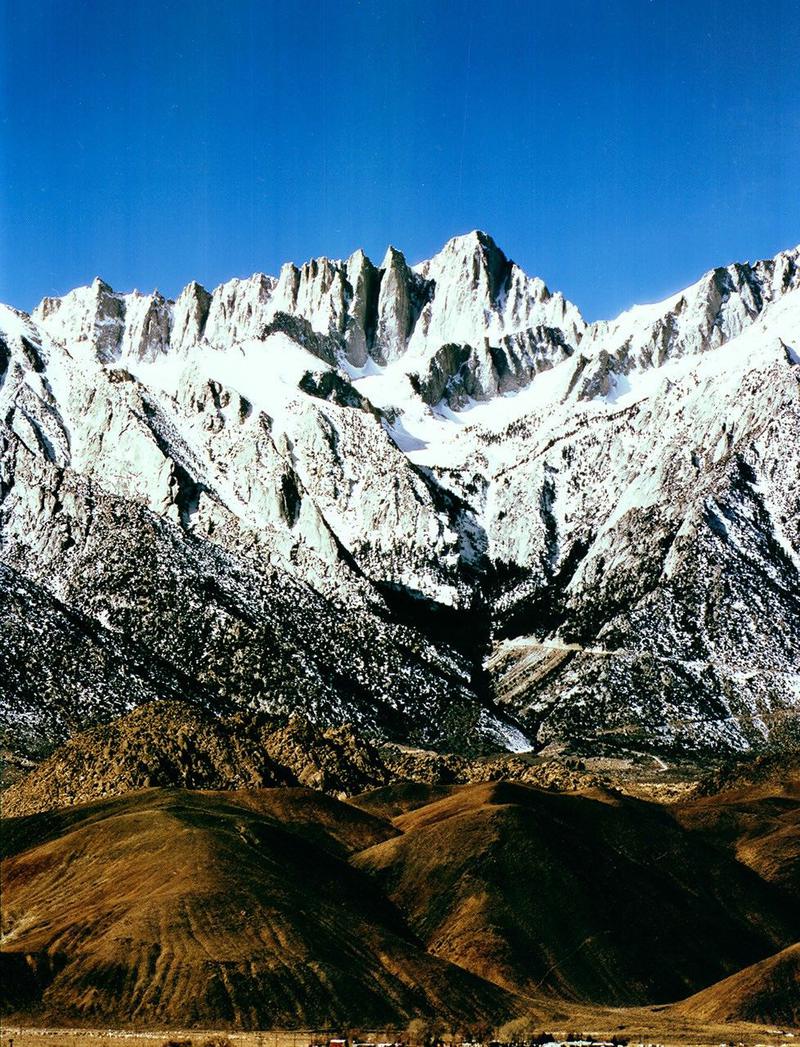
Pre-season lottery in February for all Whitney Zone permits, May through November. Day-of walk-up permits available at the Lone Pine ranger station, but competition is fierce, people camp outside the station the night before. Midweek and late September trips have noticeably better walk-up success rates.
Havasupai (Arizona)
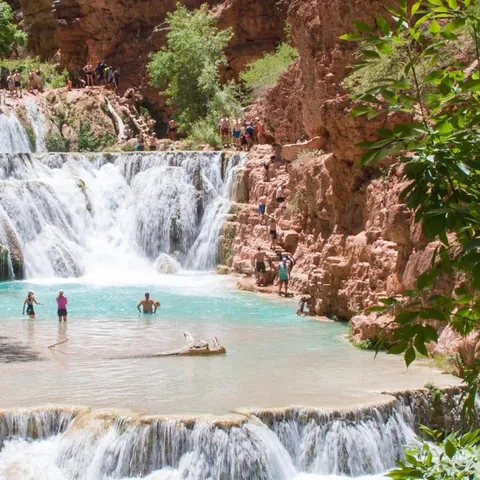
Not NPS, but the most in-demand permit system in the Southwest. Reservations open in a chaotic first-come-first-served online window each fall (October for the following year). The website crashes annually. Have multiple devices, multiple browsers, and a friend helping. If you miss it, the tribe occasionally releases cancellations throughout the year, check weekly.
Backup Strategies When You Don't Win
Not getting the permit you wanted is the most common outcome for high-demand destinations. Here's how to still have a great trip:
- Monitor cancellations. Cancellations on Recreation.gov appear in real time. Set a browser tab to refresh on the permit page, or use a third-party permit alert service (Outdoor Permit Alerts, Recreation Alert Tracker). Cancellations spike 2–3 weeks before the permit date as people's plans change.
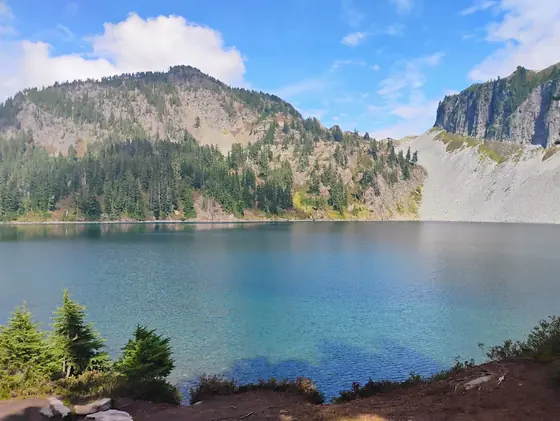
- Adjacent wilderness areas. Almost every high-demand wilderness area has a neighboring area with similar terrain and dramatically fewer visitors. The Enchantments fills up, but the Alpine Lakes Wilderness has hundreds of miles of trails with no permit required. Yosemite's Half Dome fills up, Hoover Wilderness directly north has comparable granite terrain with no permit system.
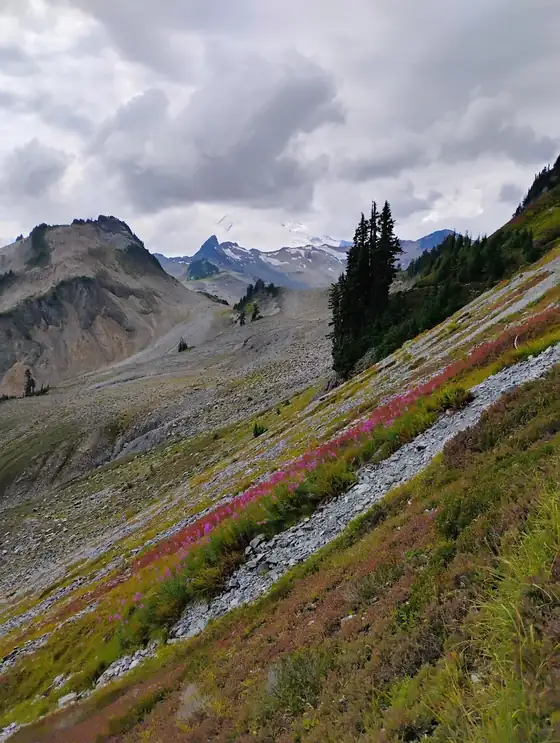
- Off-season. September and October offer some of the best hiking conditions in most ranges, fall colors, cooler temps, fewer mosquitoes, with a fraction of the permit demand. Many permit systems end entirely after Labor Day.
- Different entry points. The same wilderness permit zone sometimes has multiple entry points. Crowded trailheads require permits; obscure trailheads in the same zone have leftover availability. Study the permit zone map, not just the popular trailhead.
Permit Logistics: What to Know Before You Go
Winning a permit is step one. A few practical notes on using it:
- Print a physical copyrangers will check it at the trailhead and potentially in the field. Don't rely on cell service for a digital copy.
- Know the cancellation policymost Recreation.gov permits can be cancelled up to a few days in advance for a partial refund. If your plans change, cancel promptly so someone else can use the spot.
- Understand the zone restrictionsyour permit specifies dates, entry point, and sometimes specific campsites or zones. Check exactly what you're authorized to do.
- Bear canisters may be requiredsome permit zones mandate hard-sided bear canisters, not just hanging. Check the regulation page for your specific permit, not just the general park rules.
How to Get a Backcountry Permit FAQs
For lottery-based permits (Enchantments, Whitney), apply during the lottery window, usually February or March for summer. For reservation-based permits, set calendar reminders for the exact release date and time, often 2–6 months in advance. For walk-up permits, plan to arrive the night before at the ranger station.
Roughly 3–8% for the core zone, depending on party size, dates requested, and year. Single-person applications and flexible date/zone listings improve odds modestly. Most people apply multiple years before winning the core zone.
No, permits are non-transferable and non-resalable on legitimate systems. The name on the permit must match the permit holder's ID presented at the trailhead. Selling permits is illegal and can result in fines. If your plans change, cancel and let someone else apply.
Rangers issue fines, typically $125–$500 for a first offense, with repeat violations escalating. In wilderness areas, rangers do patrol actively, particularly near trailheads and popular campsites. It's not worth the risk or the cost to the wilderness.
Yes, Recreation Alert Tracker and Outdoor Permit Alerts both monitor Recreation.gov and notify you when cancellations appear. Set up alerts for your target dates and entry points. Cancellations spike 14–21 days before the permit date as people confirm or cancel plans.