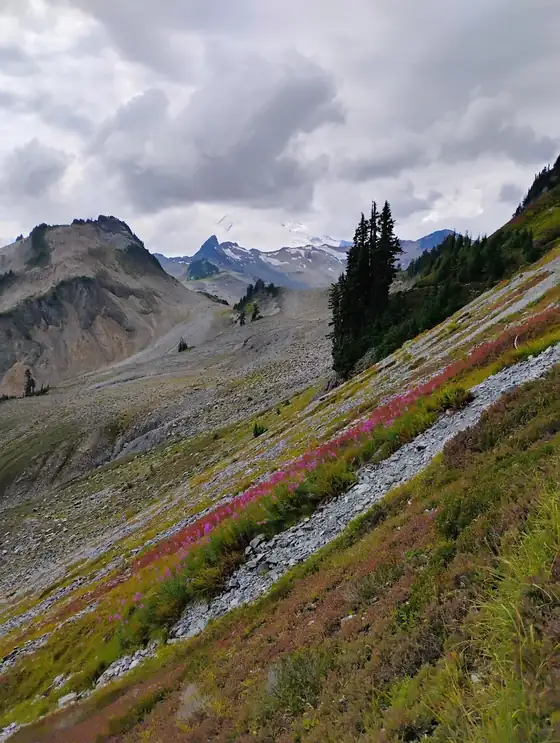
Indian Peaks Wilderness sits on the Continental Divide between Rocky Mountain National Park and the town of Nederland, less than an hour from Boulder. Because it is one of the most heavily used wilderness areas in the country, the U.S. Forest Service requires an overnight permit for any backcountry camping inside the wilderness boundary from June 1 through September 15. Day hiking does not require a wilderness permit, but overnight trips do, and the popular zones sell out fast. Here is exactly how the system works in 2026.
Do You Need a Permit?
You need an overnight wilderness permit if you plan to sleep anywhere inside the Indian Peaks Wilderness boundary between June 1 and September 15. Outside that window, permits are self-issued and free at the trailhead kiosks. The permit is separate from any vehicle or trailhead fee. Key points:
- Day hikes to Lake Isabelle, Mitchell Lake, or Diamond Lake do not need a wilderness permit.
- Overnight backpacking in any zone needs a reserved permit during peak season.
- The Brainard Lake Recreation Area has its own separate timed-entry vehicle reservation in summer, which you also need if you park at the Long Lake or Mitchell Lake trailheads.
The Zone System
The wilderness is divided into named camping zones, and your permit is tied to a specific zone for each night. The most sought-after zones include Crater Lake (reached via the Pawnee Pass Trail from the west or Cascade Creek), Diamond Lake, Jasper Lake and Devils Thumb, and the Caribou and Brainard zones on the east side. When you reserve, you pick the zone, not an exact campsite, except at Crater Lake and a few high-traffic areas that use designated sites. Plan your route so each night falls in a zone you have reserved.
How to Reserve on Recreation.gov
All summer overnight permits are issued through Recreation.gov under the Indian Peaks Wilderness listing. The booking window opens on a rolling basis, so the most popular weekend zones can disappear within minutes of release. To book:
- Create a Recreation.gov account before the window opens.
- Search for Indian Peaks Wilderness Permits and select your arrival date.
- Choose a zone for each night of your trip and pay the per-permit fee, which is roughly 11 dollars plus a small processing charge.
- Print or save the permit to your phone, since rangers do check at trailheads.
If your first choice sells out, check back for cancellations a few days before your trip. Midweek dates and shoulder-season weekends in late June or early September are far easier to grab than July and August Saturdays. For a complete two-day route that uses these zones, see our Indian Peaks Wilderness weekend backpacking itinerary, which maps out exactly where to camp.
Dogs, Campfires, and Group Size
Indian Peaks has stricter rules than most Colorado wilderness areas, and rangers enforce them. Campfires are banned in the entire wilderness above the lower trail sections, so plan to cook on a stove. Dogs must be leashed at all times within the wilderness and the Brainard Lake area, and the leash must be six feet or shorter. Group size is capped at 12 people and 8 head of livestock. Practice strict Leave No Trace, pack out all waste, and camp at least 100 feet from any lake or stream.
Parking and Trailhead Access
Most east-side trips start from the Brainard Lake Recreation Area near Ward, off the Peak to Peak Highway. In summer you need a timed-entry vehicle reservation for Brainard Lake in addition to your wilderness permit, and the Long Lake and Mitchell Lake lots fill before 7 a.m. on weekends. West-side trips often start from Monarch Lake near Granby, which uses a simpler day-use fee. Arrive early, carry cash or a card for the entrance station, and have both your vehicle reservation and your wilderness permit ready to show.
Planning Tips for First-Timers
If this is your first overnight in the area, build in margin. Afternoon thunderstorms roll over the Divide nearly every summer day, so aim to be off exposed passes like Pawnee Pass by noon. Snow lingers on north-facing slopes and at Lake Isabelle into early July, so check trail conditions with the Boulder Ranger District before you go. Carry a water filter, layers for sudden temperature drops, and bear-aware food storage, since black bears are active throughout the wilderness.
Indian Peaks Wilderness Permits FAQs
No. Day hikes to spots like Lake Isabelle, Mitchell Lake, or Diamond Lake do not require a wilderness permit. You only need an overnight permit if you camp inside the wilderness between June 1 and September 15, though you may still need a Brainard Lake vehicle reservation to park.
All summer overnight permits are reserved through Recreation.gov under the Indian Peaks Wilderness listing. Popular weekend zones sell out within minutes of the booking window opening, so set up an account in advance and consider midweek or shoulder-season dates.
Campfires are banned throughout most of the wilderness, so you must cook on a stove. Dogs are allowed but must be on a leash six feet or shorter at all times within the wilderness and the Brainard Lake Recreation Area.