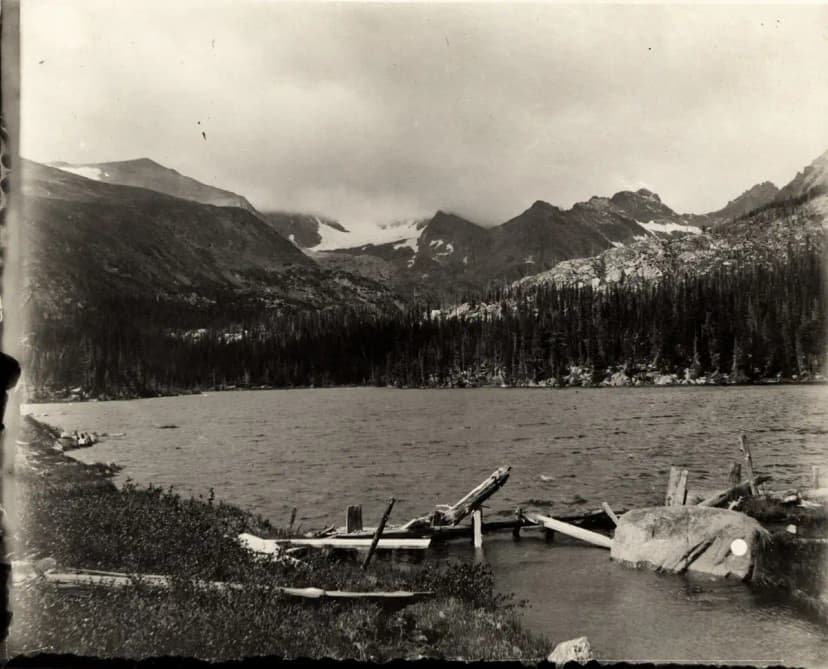
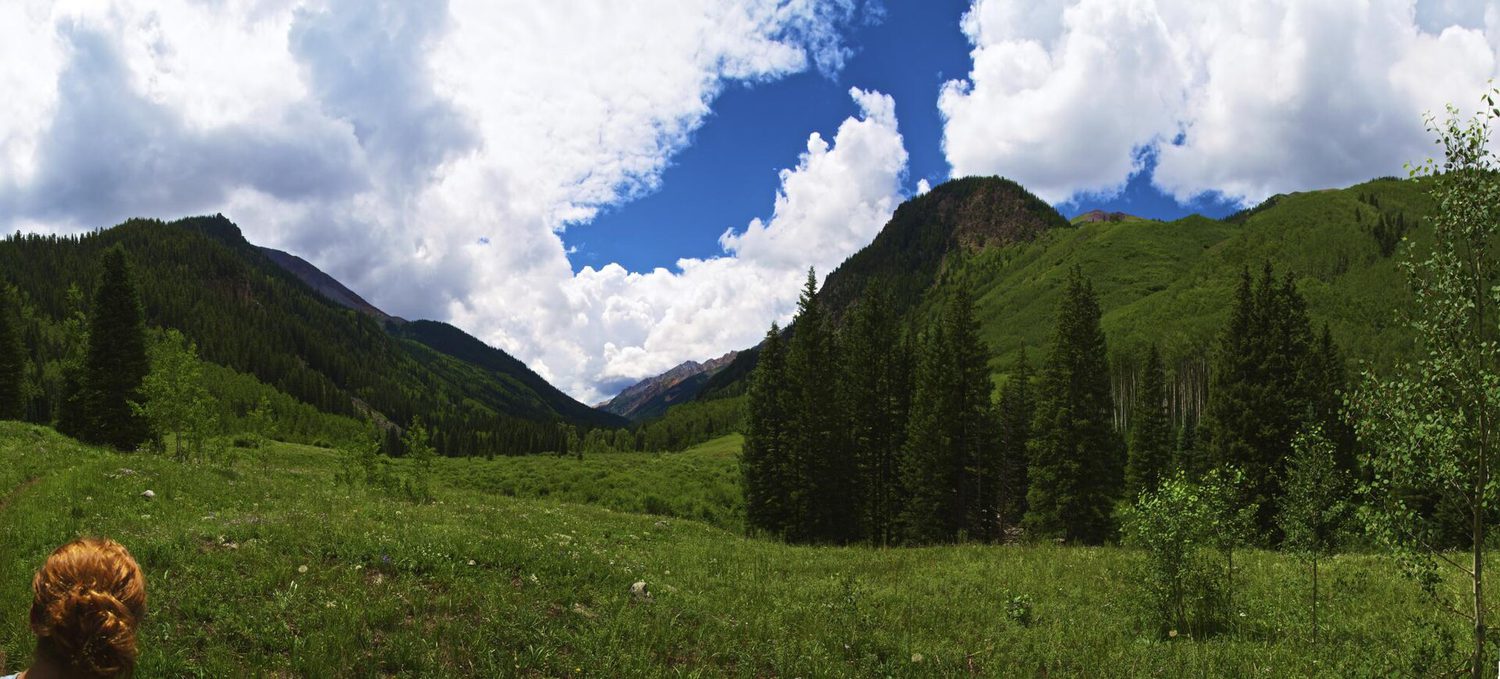
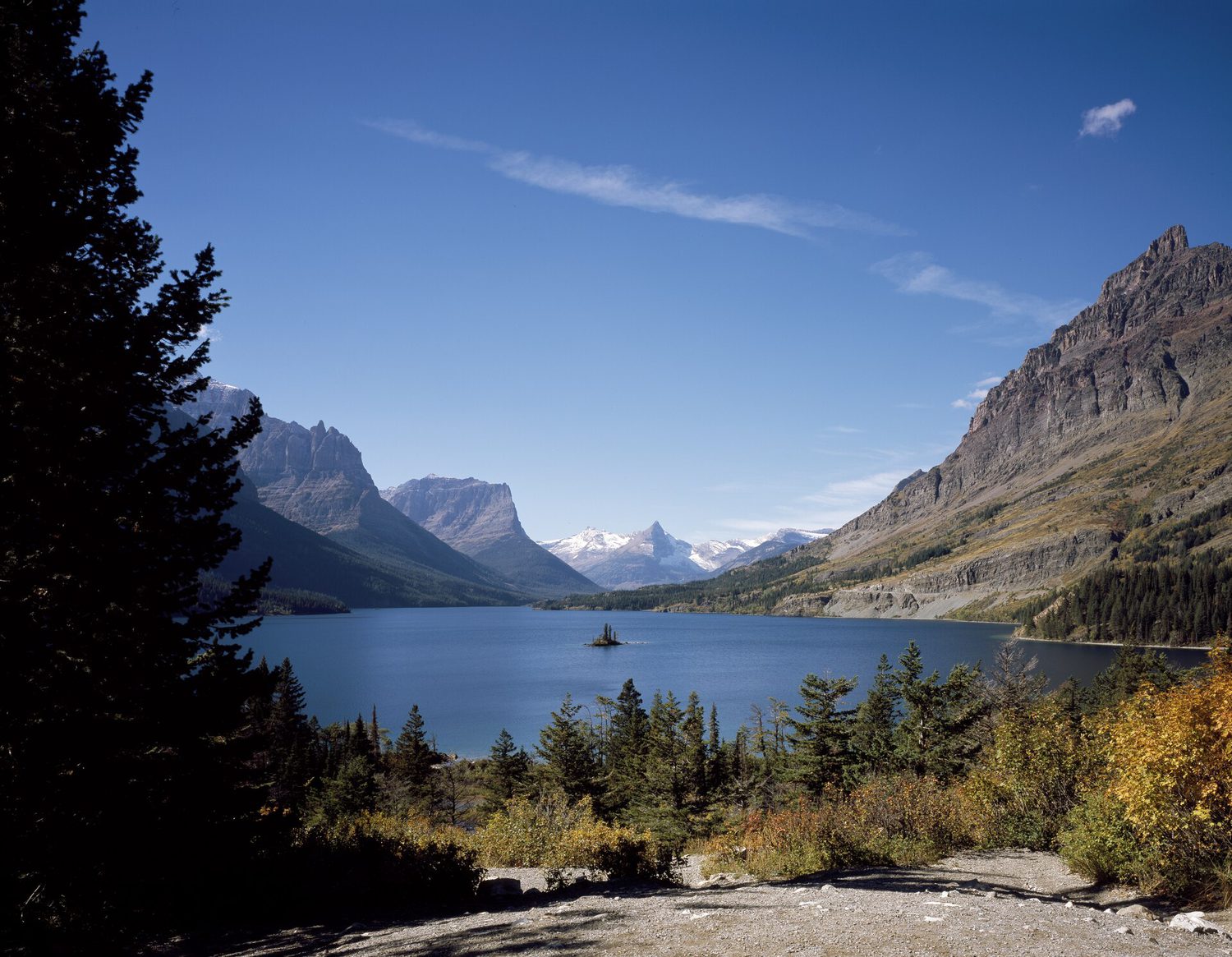
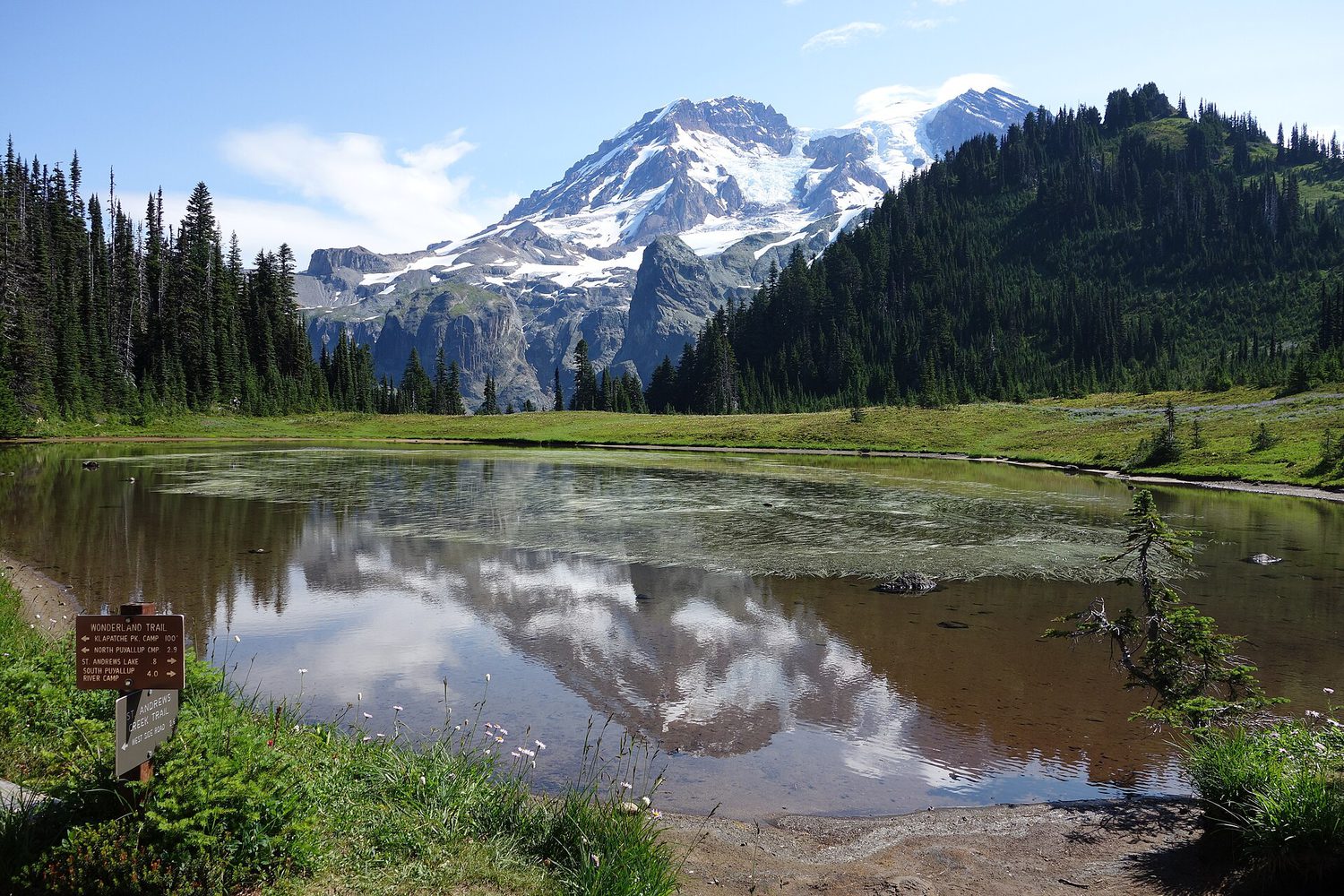
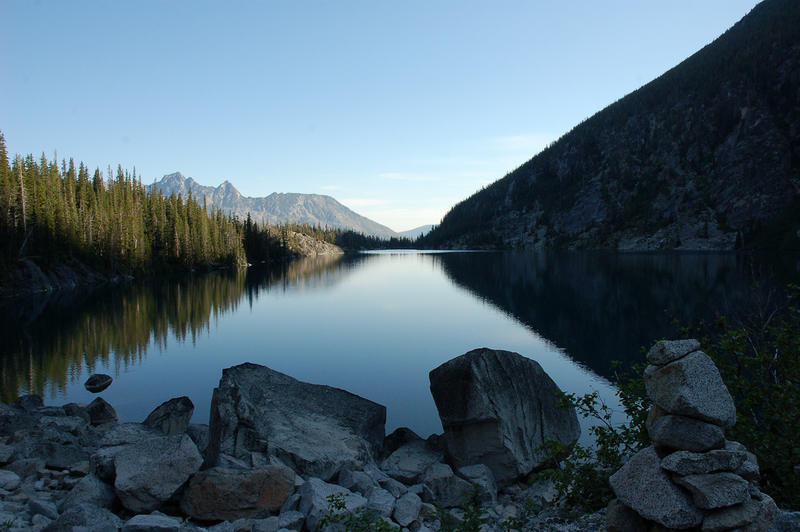
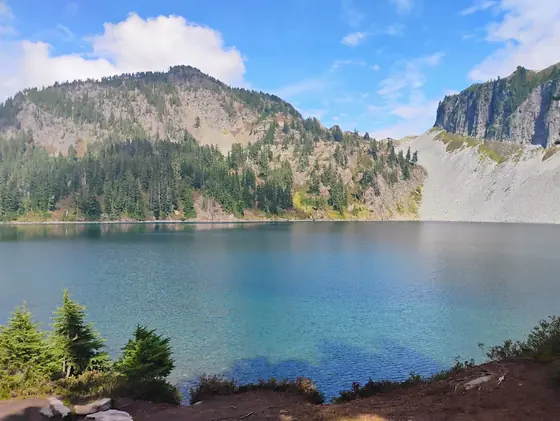
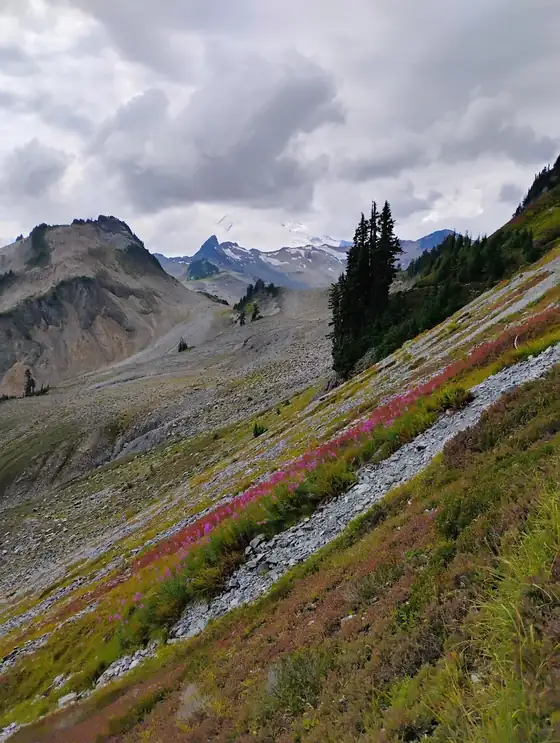
Indian Peaks Wilderness has no roads or car campgrounds inside its boundary, so the best way to base yourself for hikes along the Continental Divide is to camp just outside it in the surrounding Arapaho and Roosevelt National Forest. The main hub is the Brainard Lake Recreation Area near Ward, with more options scattered along the Peak to Peak Highway around Nederland. Here is where to camp, what it costs, and how to lock in a site.
Pawnee Campground at Brainard Lake
If you want to wake up minutes from the trailheads, Pawnee Campground inside the Brainard Lake Recreation Area is the top choice. It sits at about 10,300 feet among the spruce and fir, a short drive from the Long Lake and Mitchell Lake trailheads that launch the hikes to Lake Isabelle and Blue Lake. Key facts:
- Around 47 sites, most reservable on Recreation.gov, with a handful sometimes available first-come.
- Vault toilets and potable water; no hookups or showers.
- Open roughly late June through September, depending on snowmelt.
- A camping fee plus the Brainard Lake recreation fee apply.
Book early. Summer weekends here fill the moment the rolling reservation window opens. Staying at Pawnee also lets you skip part of the morning timed-entry crush, since you are already inside the area.
Campgrounds Near Nederland and Ward
A short drive south along the Peak to Peak Highway puts you near Nederland, a funky mountain town with groceries, coffee, and a brewery for after your hike. Forest Service campgrounds in this corridor include Kelly Dahl just south of Nederland and Rainbow Lakes off a rough dirt road below the Arapaho Glacier area. Kelly Dahl is the easiest to reach and reserve, with good access to both Indian Peaks and the Eldora side trailheads near Diamond Lake. Rainbow Lakes is more primitive, first-come, and a bumpy drive, but rewards you with quiet and a direct trailhead.
Dispersed Camping
Free dispersed camping is allowed in parts of the surrounding national forest, but the popular zones near Nederland have heavy restrictions and some are closed to dispersed camping entirely because of overuse. If you go dispersed:
- Check the current Motor Vehicle Use Map and posted closures before you pick a spot.
- Camp only in established pullouts at least 100 feet from water.
- Pack out all trash and human waste, and never build fires when restrictions are posted.
Fire bans are common in summer, so always confirm the current stage before lighting anything.
Backcountry Camping Inside the Wilderness
To sleep inside Indian Peaks Wilderness itself, you need an overnight wilderness permit from June 1 to September 15 and you must camp in your reserved zone, such as Crater Lake or Jasper Lake. Campfires are banned in the backcountry, so carry a stove. This is the most rewarding way to experience the high lakes at sunrise. For a full route that turns Lake Isabelle and Pawnee Pass into a two-day trip, follow our Indian Peaks Wilderness weekend backpacking itinerary.
When to Camp and What to Pack
The camping season runs roughly from late June, once the access roads melt out, through late September. Nights are cold even in July at these elevations, often dropping into the 30s, so bring a warm sleeping bag and layers. Afternoon thunderstorms are nearly daily, so plan early starts and a dry shelter. Mosquitoes peak in July near the lakes, and black bears are active, so store food in a hard-sided vehicle or a bear canister when backpacking.
Indian Peaks Wilderness Camping Guide FAQs
Pawnee Campground inside the Brainard Lake Recreation Area near Ward is the closest, sitting minutes from the Long Lake and Mitchell Lake trailheads. It has about 47 sites with vault toilets and potable water and is reservable on Recreation.gov.
Some dispersed camping is allowed in the surrounding national forest, but many popular areas near Nederland are closed or heavily restricted due to overuse. Always check the current Motor Vehicle Use Map and posted closures, and camp only in established sites at least 100 feet from water.
No wilderness permit is needed to car camp at Pawnee Campground, but you pay a camping fee plus the Brainard Lake recreation fee. A wilderness permit is only required to camp inside the Indian Peaks Wilderness boundary from June 1 to September 15.