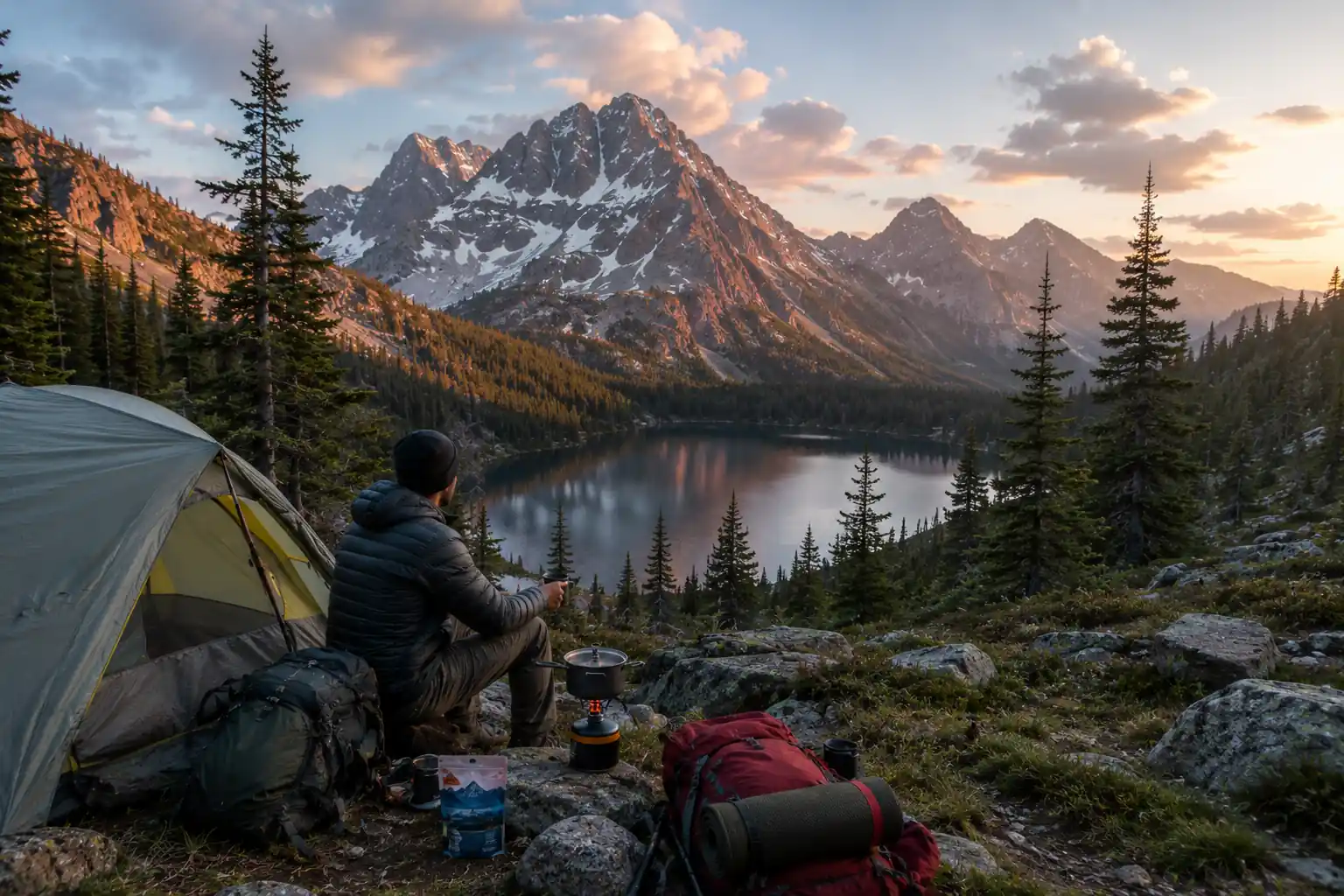
Planning a backpacking trip can feel overwhelming with all the variables -- routes, permits, gear, food, weather. But the process breaks down into clear steps, and working through them systematically makes the difference between a chaotic experience and an unforgettable adventure. This guide walks you through each phase, from picking your first trail to packing your final ounce.
Step 1: Choose Your Route
For first-timers, pick a route with: a defined trail (not cross-country navigation), reliable water sources, established campsites, and an easy bailout option. Resources: AllTrails, Gaia GPS, local REI, and subreddits like r/ultralight and r/backpacking. Start with 2-night trips before committing to week-long routes.
Step 2: Check Permits and Regulations
Many popular areas require advance permits -- some booked months ahead. Check Recreation.gov, the national forest or park website, and any wilderness permit requirements for your area. Understand fire restrictions, group size limits, and where camping is allowed.
Step 3: Plan Your Food and Water
Aim for 1.5 to 2 lbs of food per day, prioritizing calorie-dense options: freeze-dried meals, nut butters, bars, instant oats, hard cheese, and jerky. Map all water sources on your route and note distances between them -- plan to carry enough to bridge any gaps. Bring a water filter or purification tablets.
Step 4: Build Your Gear List
The Big Three (shelter, sleep system, pack) dominate your weight. Aim for a base weight under 20 lbs for beginners, under 12 lbs once you optimize. Core list: tent or tarp, sleeping bag, sleeping pad, backpack, stove, water filter, headlamp, first aid kit, navigation (map plus compass plus phone), and the 10 Essentials.
Step 5: Leave a Trip Plan
Before you leave the trailhead, email or text your route, campsites, and expected return to someone reliable. This single step is what makes backcountry travel safe for solo and group hikers alike.
Best Beginner Routes by Region
Choosing a forgiving first trip matters more than chasing a bucket-list epic. These routes are well-marked, have water, and offer short mileage with big payoffs:
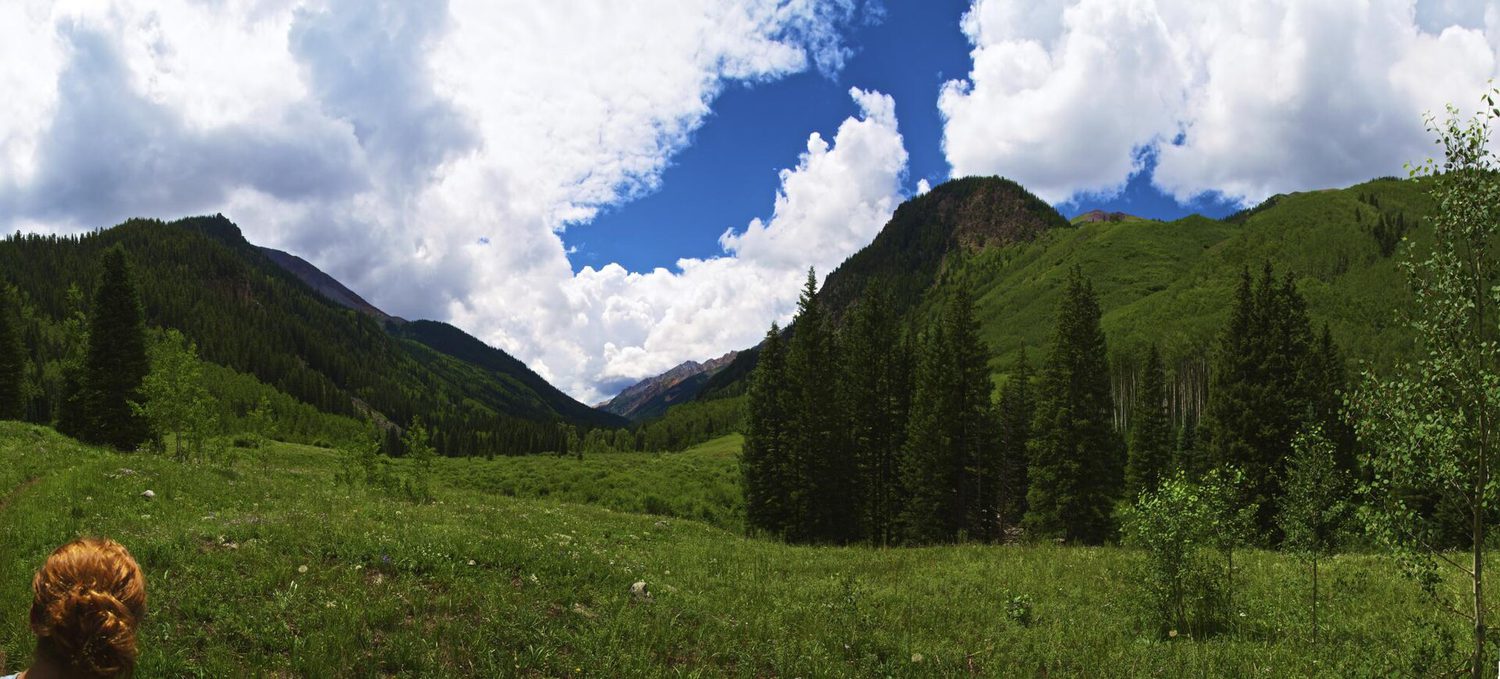
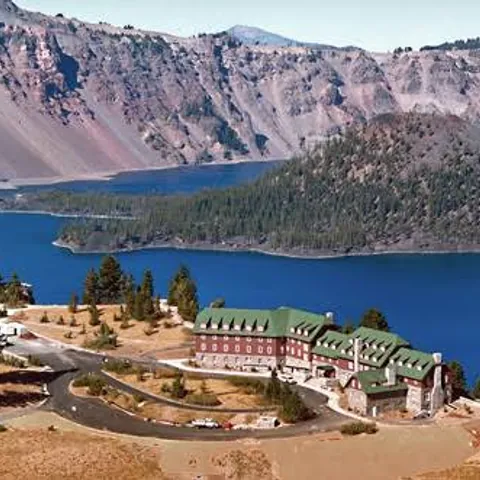
- Four Pass Loop alternatives, Colorado -- instead of the full 28-mile loop, start with an out-and-back to Crater Lake from the Maroon Lake trailhead near Aspen (about 3.6 miles each way, summer permits via Recreation.gov).
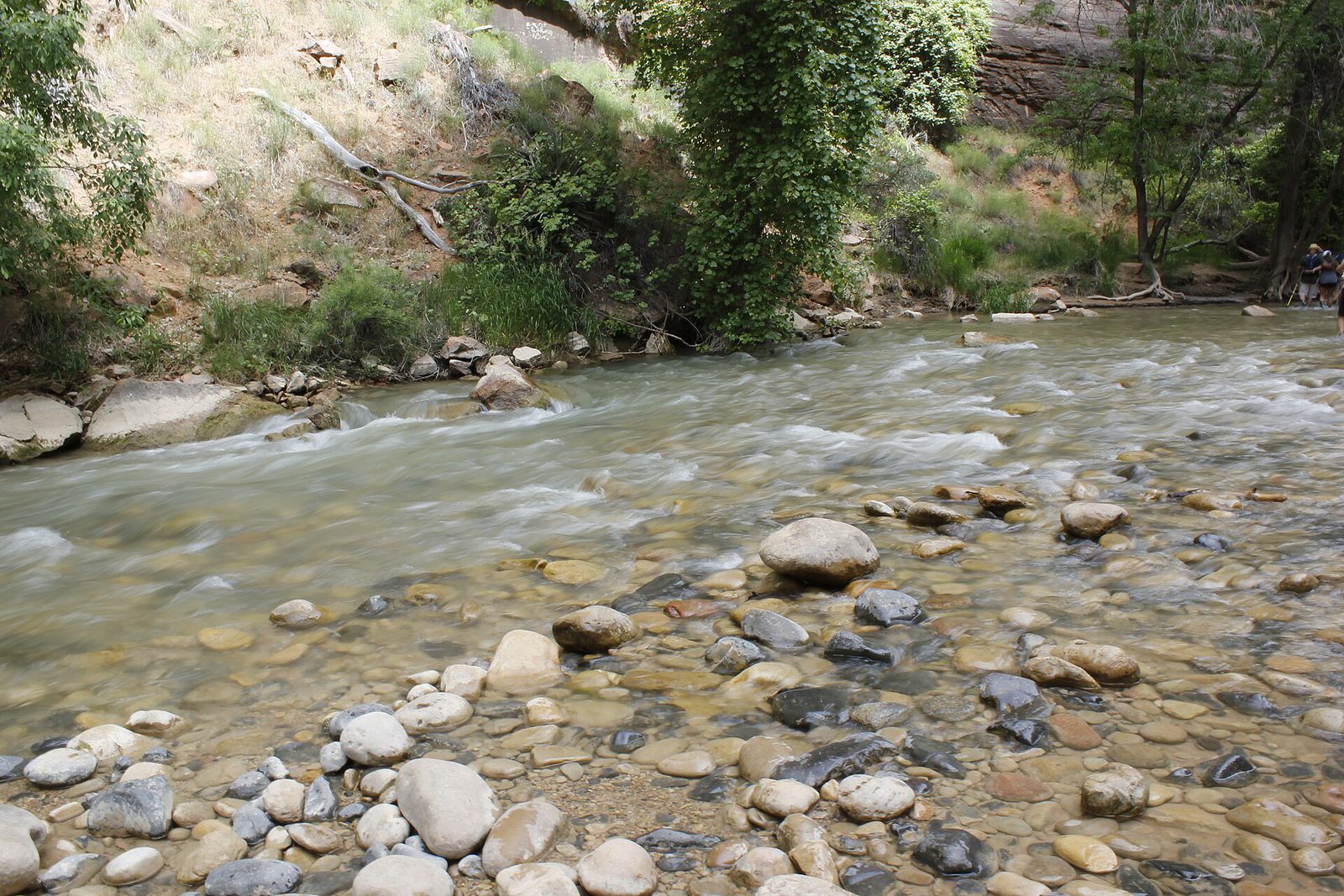
- Olympic National Park, Washington -- the Hoh River Trail follows a flat valley floor through old-growth rainforest with abundant water and established camps; turn around anywhere.
- Pictured Rocks, Michigan -- a section of the North Country Trail along Lake Superior offers reservable backcountry sites and Midwest-friendly elevation.
- White Mountains, New Hampshire -- the AMC hut system on the Appalachian Trail lets you skip carrying a tent on your very first overnight.
Whatever you pick, drive or scout the trailhead access road beforehand; many require high-clearance vehicles or seasonal gate closures.
When to Go: Reading the Seasons
Timing shapes everything from permits to safety. Late June through September is the main window for most high-elevation western trails, after snowmelt clears the passes. In the desert Southwest, flip the calendar: March through April and October through November avoid dangerous summer heat. Check the snow-water equivalent (SWE) on the NRCS SNOTEL site before committing to alpine routes in early summer, and always read recent trail reports for downed trees, washed-out bridges, and bug intensity. Shoulder-season trips reward you with solitude but demand a warmer sleep system and a willingness to turn back.
Sample 3-Day Itinerary Template
A realistic schedule keeps mileage honest. Beginners should target 5 to 8 miles per day with a loaded pack, not the 12-plus miles a dayhiker covers:
- Day 1: Hit the trailhead by noon, hike 4 to 6 miles to a water-adjacent camp, set up before dark.
- Day 2: Your longest day, 6 to 8 miles, reaching the trip highlight (a lake, summit, or overlook) with time to relax.
- Day 3: An early start and a downhill 4 to 5 miles back to the car, leaving margin for the drive home.
Build in a buffer hour each day; trail conditions, photos, and rest stops always take longer than the map suggests.
Common First-Trip Mistakes to Avoid
Most beginner misery is preventable. The biggest culprit is an overweight pack stuffed with comfort items and redundant gear. Weigh everything at home and ruthlessly cut anything you would not use daily. Other frequent errors: wearing brand-new boots without breaking them in (guaranteed blisters), underestimating how cold nights get at elevation, skipping a rain layer because the forecast looked clear, and failing to test your stove and filter in the backyard first. Do a full shakedown -- pack everything and walk a few miles -- a week before your trip so you can fix problems while a store is still an option.
Leave No Trace Essentials
Protecting the places you visit keeps them open and pristine. Follow the seven core principles: plan ahead, travel and camp on durable surfaces, pack out all trash, leave what you find, minimize campfire impact, respect wildlife, and be considerate of others. In practice that means camping at least 200 feet from water, burying human waste in a 6-to-8-inch cathole (or packing it out where required), and storing food in a bear canister or hang where mandated. These habits are non-negotiable in heavily used wilderness and increasingly enforced by rangers.
How to Plan a Backpacking Trip: Step-by-Step Guide FAQs
Budget around $400-800 for a basic gear setup if you buy used or mid-range gear (pack, tent, sleeping bag, sleeping pad, stove). Trip costs (permits, food, fuel) add $50-150 for a 3-day trip. You can reduce gear costs significantly by renting from REI or a local gear shop for your first trip.
Check the official national park, national forest, or land management agency website for your destination. Recreation.gov handles permits for most federal lands. Search the trail name plus 'permit' to find current requirements. Popular trails like the Enchantments and JMT book out months in advance.