The Two Questions That Determine Timing

Most timing advice about hiking is either too vague ("spring and fall are great!") or too specific to be useful in other contexts. The more useful framework is to ask two questions before every hike: What do I want to experience, and what do I need to avoid?
Those two questions narrow timing down quickly. If you want wildflowers and want to avoid snow, the window is late June through July at high elevation in the Rockies. If you want fall foliage and want to avoid crowds, you're looking at weekdays in the second half of October in the Appalachians. If you want solitude on a popular trail and don't care about time of year, you're hiking before 7am on a weekday regardless of season.
The sections below give you the tools to answer both questions for any trail.
Time of Day: The Most Underrated Timing Decision
Most hikers underestimate how much time of day affects the quality of a hike. The difference between starting at 6am and starting at 10am on a popular trail in peak season is enormous, and it goes beyond just avoiding crowds.
Temperature is the most practical factor. The coolest temperatures of the day occur in the first 2–3 hours after sunrise. On summer hikes in desert environments (Zion, Sedona, Grand Canyon, Death Valley), this isn't just a comfort issue, it's a safety issue. Air temperatures above 95°F on exposed desert trails combined with direct sun and physical exertion create heat stroke conditions that kill hikers every year, most of whom started too late. In mountain environments, morning temperatures are cooler even at the same elevation, and the air is usually less humid.
Afternoon thunderstorms in the American West are a genuine weather hazard from June through early September. In the Rockies, Cascades, and Sierra Nevada, storms can build from clear skies to lightning in 60–90 minutes. Being above treeline or on an exposed ridge when this happens creates real danger. Starting at sunrise and targeting summits by noon keeps you moving toward lower elevation and tree cover before storms typically develop.
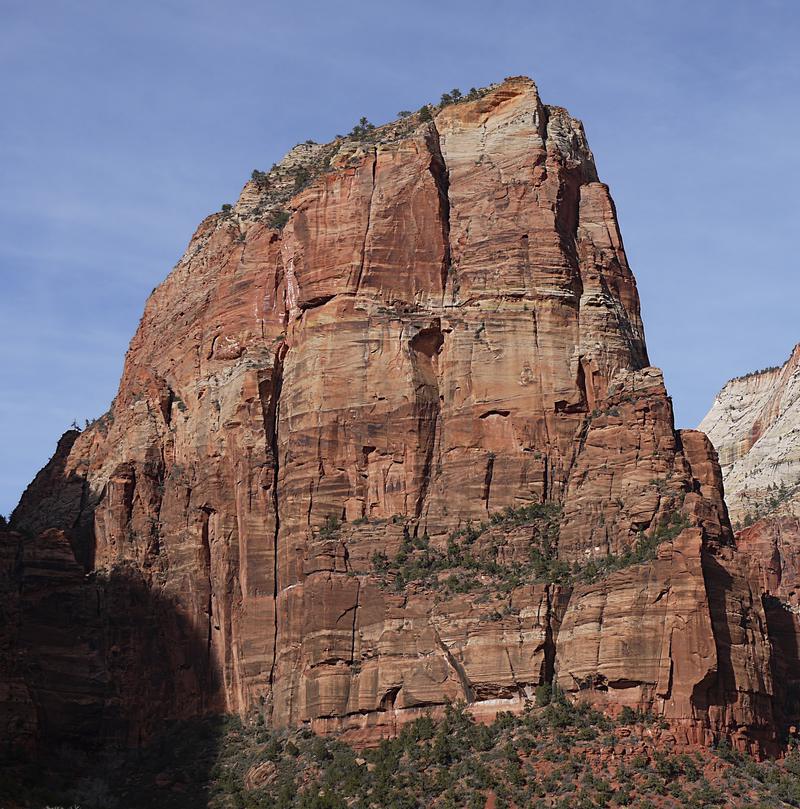
Crowds on popular trails peak between 10am and 2pm on weekends. The trailhead parking situation on top-10 trails like Angel's Landing, the Enchantments approach, or Rattlesnake Ledge on a summer Saturday is genuinely stressful if you arrive after 8am. An early start means a parking spot, a quieter trail, and the sunrise or early morning light that photographers specifically schedule their trips around.
Wildlife visibility is highest in the hours around sunrise and sunset, when animals are most active. Deer, elk, bears, and most smaller mammals move primarily in low light and are rarely visible mid-day. Morning hikers in Yellowstone and the Tetons see animals that afternoon hikers don't.
Spring: What You Get and What You Give Up
Spring is one of the most rewarding seasons for hiking in most of North America, but the conditions vary dramatically by elevation. Valley trails and lowland areas in the mid-Atlantic, Pacific Northwest lowlands, and the Southeast come alive in March and April with wildflowers, birdsong, and comfortable temperatures before summer heat arrives. Trails that are brutally crowded and hot in July are pleasant and almost empty in April.
At higher elevation, spring means snow, often a lot of it. The Cascades, Sierra Nevada, Rockies, and Appalachian highlands above 5,000 feet are typically under several feet of snow until May or June. "Shoulder season" hiking at elevation in spring requires microspikes or crampons, knowledge of avalanche terrain, and comfort with post-holing through soft afternoon snow. It also means access roads are gated, going-to-the-Sun Road in Glacier National Park typically opens in late May or early June, and the high road sections of many national parks follow similar schedules.
Spring creek crossings are the other variable. Snowmelt in April and May turns moderate streams into knee-deep, fast-moving torrents that are genuinely dangerous to cross. Many trails in the Sierra Nevada and Rockies have critical crossings that are impassable without specialized gear until late June or July in high snow years. Check recent trip reports on AllTrails or Gaia forums before assuming a spring trail is in passable condition.
Summer: Peak Season Tradeoffs
Summer (June–August) is peak season for most trails in the continental US, with good reason: passes are open, days are long, wildflowers bloom above treeline from late June through August, and temperatures at elevation are comfortable for hiking in ways that lower-elevation desert terrain is not.
The tradeoffs are predictable: crowds on popular routes, full campgrounds that require months-advance reservations, heat in desert and low-elevation environments, and afternoon thunderstorm risk in mountain terrain. Summer is when most hiking injuries and search-and-rescue operations happen, primarily because more people are out and many of them are inexperienced.
Summer timing strategy: start early (before 7am on popular trails), hike midweek when possible, target higher-elevation routes where temperatures are cooler, and be off exposed ridges by noon in thunderstorm-prone regions. For desert trails in the Southwest, June through August is genuinely dangerous for midday hikes, consider switching to fall or winter for destinations like Zion, Bryce Canyon, and the Grand Canyon.
Fall: The Best Season Most People Underuse
Fall is objectively excellent for hiking across most of North America, and it's underused primarily because summer is what people think of as "hiking season." The case for fall hiking:
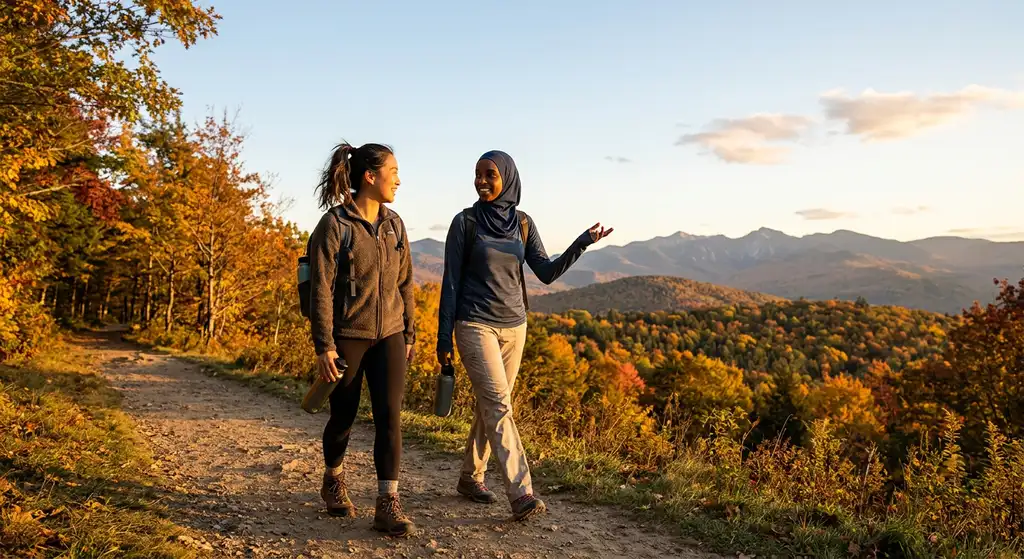
Temperatures are moderate at both low and high elevations. Crowds drop dramatically after Labor Day, trails that were packed in August have 20% of that traffic in October. Thunderstorm frequency drops in September and nearly disappears in October in most mountain regions. Foliage color is a genuine reason to hike certain trails and regions in specific windows: the White Mountains of New Hampshire peak in late September, the Appalachians in October, the Aspens in Colorado's high country in the third week of September.
The caveat: weather becomes more variable. A warm October day in the Rockies can turn into a snowstorm in 12 hours. Fall hikers need to carry more weather protection than summer hikers, be ready to turn around if conditions deteriorate, and be aware that days are getting shorter, timing for sunrise and sunset changes by several minutes per week through October and November.
Winter: The Quiet Season for Prepared Hikers
Winter hiking is an acquired taste, but the rewards are real: solitude on trails that are impossible to experience quietly any other time of year, snow landscapes, crisp air, and a different kind of physical challenge. Trails that are crowded in summer are empty in December and January, the same parking lot that was full at 8am in July might have two cars at 9am in January.
The requirements change substantially. Traction devices (microspikes minimum, crampones for icy terrain) are often essential. Daylight is limited, a 9am start in January gives you 6–7 hours of light in most of the US, versus 13+ hours in June. Temperatures demand different gear: wool or synthetic base layers, proper insulation, waterproof outer layers, and warm gloves and hat regardless of the trailhead temperature. Winter hiking in the mountains without proper gear preparation has a meaningfully different risk profile than summer hiking.
In the Pacific Northwest, winter is actually when low-elevation trails are most appealing, the valleys receive rain (not snow), the forest is green and quiet, and the dramatic storm light produces photography conditions that don't exist in any other season. Olympic Peninsula and Mount Rainier valley trails in January are stunning if you dress for rain.
Regional Timing Cheat Sheet
Southwest desert (Zion, Grand Canyon, Sedona, Joshua Tree): October through April. Avoid June–August midday heat. Spring wildflowers peak in March–April. Winter days are short but temperatures are ideal for hiking.
Pacific Northwest (Cascades, Olympics, Rainier): Valley trails year-round. Alpine hikes July–September. Wildflowers peak mid-July at elevation. October brings fall color and solitude.
Rocky Mountain West (Colorado, Wyoming, Montana): High alpine July–September. Shoulder season June and October with appropriate gear. Aspen color in Colorado's high country peaks third week of September.
Appalachians (Great Smoky Mountains, Shenandoah, White Mountains): Year-round with gear adjustments. Spring wildflowers April–May. Summer foliage is dense and humid. Peak fall color: September (White Mountains), October (Appalachians south).
Sierra Nevada (Yosemite, Kings Canyon, John Muir Trail): Mid-June through October for high passes. Valley trails year-round. Permits for popular routes require advance planning regardless of season.
Best Time to Hike: Seasons, Time of Day FAQs
Fall is often the best overall season for hiking, crowds drop after Labor Day, temperatures are moderate, fall foliage is at its peak, and thunderstorm risk decreases. Summer offers the longest days and access to high alpine terrain, but comes with heat, crowds, and afternoon storms. The best season ultimately depends on where you're hiking and what experience you want.
Sunrise or earlier, especially in summer. Early starts mean cooler temperatures, fewer crowds, better parking, higher wildlife visibility, and you're off exposed terrain before afternoon thunderstorms build. In desert environments, starting at 6am versus 10am can be the difference between a pleasant hike and a genuinely dangerous heat situation.
Yes, with the right timing. Start early (before 7am), target shaded or higher-elevation trails, carry more water than you think you need (3/4 liter per hour in heat), and turn around if you feel lightheaded, stop sweating, or feel confused, those are signs of heat exhaustion or heat stroke. Desert trails in the Southwest in June–August are genuinely dangerous for midday hiking.
Yes, with appropriate gear and preparation. You'll need traction devices (microspikes or crampons for icy conditions), more insulation, waterproof layers, and awareness of shorter daylight hours. Many lower-elevation trails in the Pacific Northwest, Southeast, and Southwest are actually excellent in winter due to reduced crowds and moderate temperatures.
In mountain terrain across the Western US, afternoon thunderstorms are a serious hazard from June through early September. They typically build between 11am and 2pm. The standard safety practice is to target summits and exposed ridges by noon and be at or below treeline before early afternoon. Starting before sunrise on big objectives gives you the most margin.