Whenever you go, our Tallulah Gorge weekend hiking itinerary shows how to string together the rim overlooks, the Hurricane Falls stairs, and the gorge floor in two days.
Fall: The Peak Season
Autumn is when Tallulah is at its most photogenic. The gorge walls are draped in oaks, maples, and hickories, and the deep canyon frames the color dramatically. Peak foliage in the Blue Ridge foothills around Tallulah Falls and Clayton usually lands in mid to late October, though elevation and weather shift it a week either way. This is also the most crowded season, so the interpretive center lot and gorge floor permits fill fast.
- Peak color: roughly October 18 through November 1 most years
- Crowds: heaviest of the year on October weekends
- Tip: arrive before 9 a.m. to get parking and a gorge floor permit
Spring: Big Water and Wildflowers
Late winter and early spring bring the heaviest natural flow over Hurricane Falls and the other cascades, fed by winter rain. Spring also brings the rare Persistent Trillium and other wildflowers along the rim trails, and temperatures are comfortable for the strenuous stair climbs. Spring whitewater releases on selected weekends turn the river into a paddling spectacle, though those release days close the gorge floor to hikers.
Summer: Gorge Floor and Sliding Rock
Summer is the time for the gorge floor permit and the natural waterslide at Sliding Rock and Bridal Veil Falls, when the water is warm enough to enjoy. The tradeoff is heat and humidity on the exposed metal staircases, plus afternoon thunderstorms. Hike early, carry extra water, and keep an eye on the sky. The North and South Rim Trails offer shadier, level alternatives in the heat.
Winter: Solitude and Ice
Winter is the quietest season at Tallulah. Crowds thin out, parking is easy, and after a cold snap you can sometimes see ice formations clinging to the gorge walls. Trails stay open, but metal stairs can be icy and slick, so traction matters. If you want the canyon mostly to yourself, a clear winter weekday is hard to beat.
Water Releases: Plan Around Them
Georgia Power schedules water releases from the dams above the gorge, usually on selected weekends in spring and fall. Aesthetic releases boost the falls for viewing, and whitewater releases draw expert paddlers. These days are spectacular from the rim overlooks, but the gorge floor is closed to hikers because the river rises fast. Always check the park's release calendar before you commit to a floor hike.
Where to Base Yourself by Season
The town of Tallulah Falls sits right at the park, and Clayton, about 10 minutes north on US 441, has the most restaurants and lodging. Lake Rabun and Lake Burton nearby make the area a full weekend destination rather than a single stop. In peak October you will want to book lodging in Clayton or Helen weeks ahead, because foliage season fills rooms across Northeast Georgia. In the quieter spring and winter windows you can often find last-minute stays and have the overlooks nearly to yourself on a weekday.
What Each Season Means for the Trails
- October: peak color, biggest crowds, arrive before 9 a.m. for parking and permits
- March to May: strongest natural waterfall flow, wildflowers, comfortable stair-climbing temperatures
- June to August: warm gorge floor and Sliding Rock, but hot metal stairs and afternoon storms
- December to February: solitude, possible ice on the gorge walls, slick stairs that demand traction
A Few Planning Details
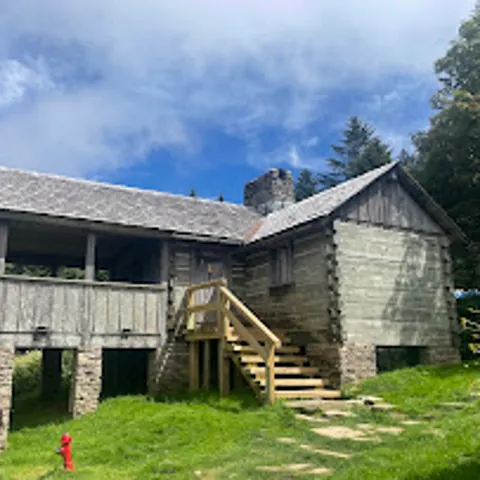
The park charges a daily parking fee per vehicle year round, and the Jane Hurt Yarn Interpretive Center is the hub for permits, maps, and current conditions. Cell service in the gorge is spotty, so download the trail map and the water release calendar before you arrive. If foliage is your goal, follow regional fall color reports in the weeks leading up to your trip, since a wet or warm autumn can push peak earlier or later than the typical late-October window.
Putting It Together
If you can only pick one window, a mid-to-late October weekend gives you color and full trail access, just plan for crowds and an early start. For a calmer trip with strong falls, choose a spring weekday outside a release. Either way, our complete Tallulah Gorge weekend plan helps you match the season to the right mix of overlooks, stairs, and gorge floor time.
Best Time to Visit Tallulah Gorge FAQs
Peak color in the Blue Ridge foothills around Tallulah Falls usually arrives mid to late October, roughly October 18 through the first days of November, though weather can shift it about a week in either direction.
Late winter and early spring bring the heaviest natural flow over Hurricane Falls. For the biggest dramatic flow, also check the Georgia Power water release calendar, since scheduled releases on spring and fall weekends boost the river through the canyon.
The gorge floor is best in warm late spring and summer when the water is comfortable for Sliding Rock. It requires a free daily permit and is closed entirely on dam water release days, so plan around the park's release schedule.