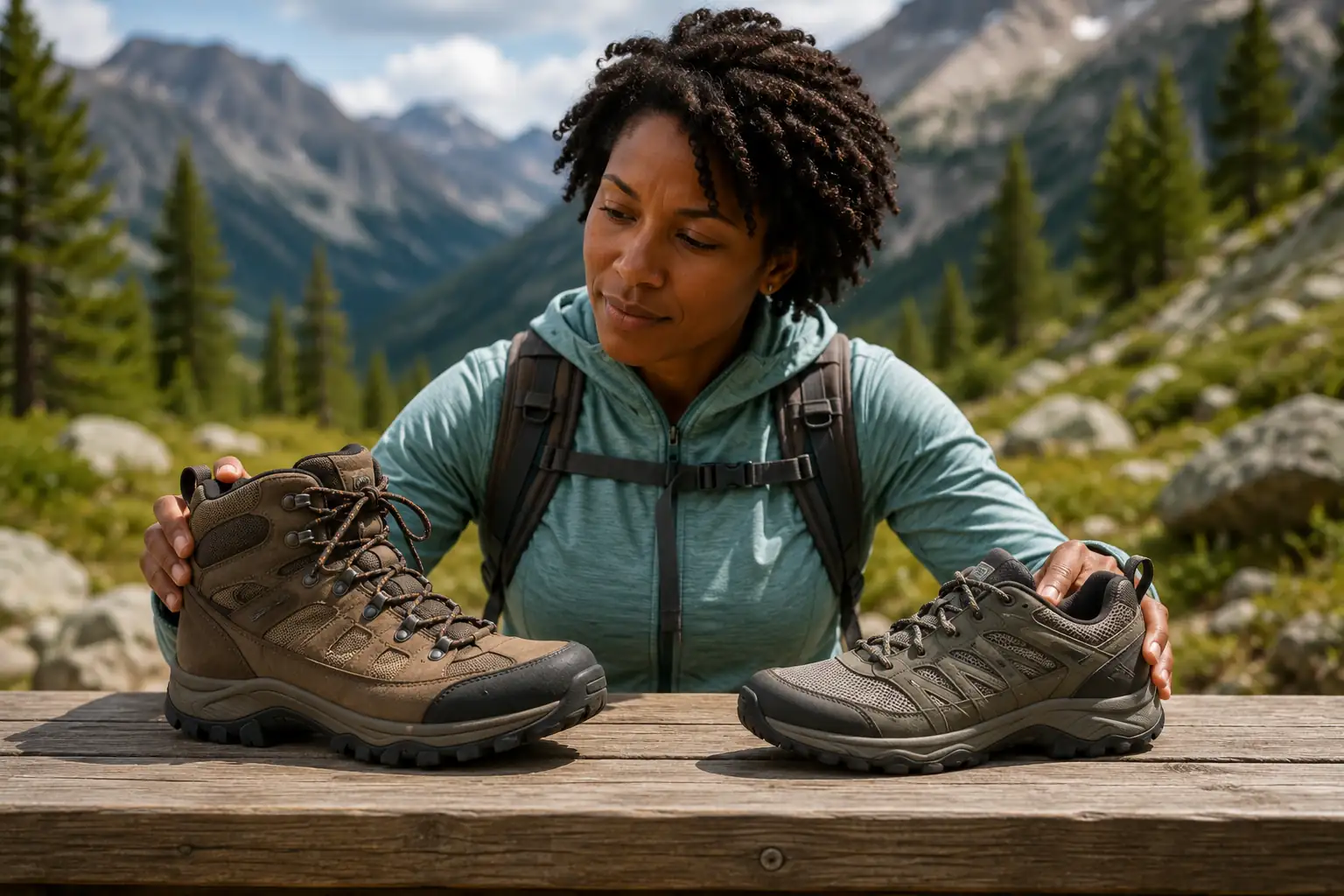
The Ankle Support Myth
The most persistent piece of hiking advice is also the least supported by evidence: "Get high-top boots for ankle support." The idea makes intuitive sense, wrap your ankle in stiff leather, prevent sprains. The problem is that the data doesn't back it up.
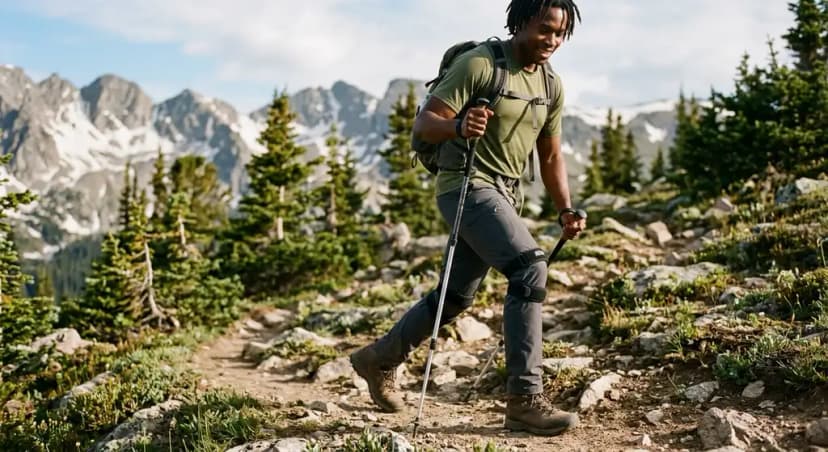
A widely cited study found no meaningful difference in ankle injury rates between high-cut and low-cut footwear. What actually prevents ankle injuries is having strong ankle and lower-leg muscles, which you develop by hiking in lighter, more flexible footwear that requires your stabilizer muscles to work.
This doesn't mean boots are always wrong. It means the reason most people buy them (ankle support) isn't a good reason. There are legitimate reasons to choose boots, and we'll get to those.
The Real Differences That Matter
Weight
A typical pair of hiking boots weighs 2.5–3.5 lbs. Trail runners weigh 1.5–2.2 lbs. That difference sounds small, but every pound on your feet equals roughly 5 lbs on your back in terms of energy expenditure, because your feet move constantly. On a 10-mile day, lighter footwear measurably reduces fatigue.
Stiffness and Sole Rigidity
Boots have a stiffer sole that prevents flex. This is genuinely useful when you're using crampons, kicking steps in snow, or edging on technical rock. For normal trail hiking, that same stiffness just reduces ground feel and makes your feet work harder on uneven terrain.
Waterproofing
Most boots come with Gore-Tex or similar waterproof membranes. These work well for stream crossings and light rain but trap moisture inside from sweat. In warm weather, waterproof boots mean wet feet from the inside rather than outside.
Trail runners breathe better. If you step in a stream that's ankle-deep or less, non-waterproof shoes drain and dry out within 20-30 minutes of hiking. Waterproof shoes hold that water against your skin for hours.
Break-In Time
Trail runners are wearable out of the box. Stiff leather boots can take 30+ miles to break in, during which you're generating blisters on every long hike. If you're preparing for a once-a-year backcountry trip, this matters a lot.
When to Choose Hiking Boots
Boots make sense in specific situations:
- Technical terrain with crampons: Winter mountaineering, step-kicking on steep snow, or glacier travel requires a boot that accepts crampon bindings. This rules out trail runners entirely.
- Very heavy loads (40+ lbs): A stiff-soled boot provides better load transfer when carrying an extremely heavy pack. Most backpackers never carry this much, but if you're expedition-style with a bear canister, extra water, and camera gear, boots help.
- Rocky scrambling with precise edging: Technical scrambling in places like the Enchantments or Sierra Nevada talus fields benefits from a boot with a more precise sole edge.
- Cold and wet multi-day trips: If you're spending multiple days in the Pacific Northwest in October, an insulated waterproof boot keeps feet warmer than a wet trail runner.
When to Choose Trail Runners
Trail runners are the better choice in most situations the average backpacker actually encounters:
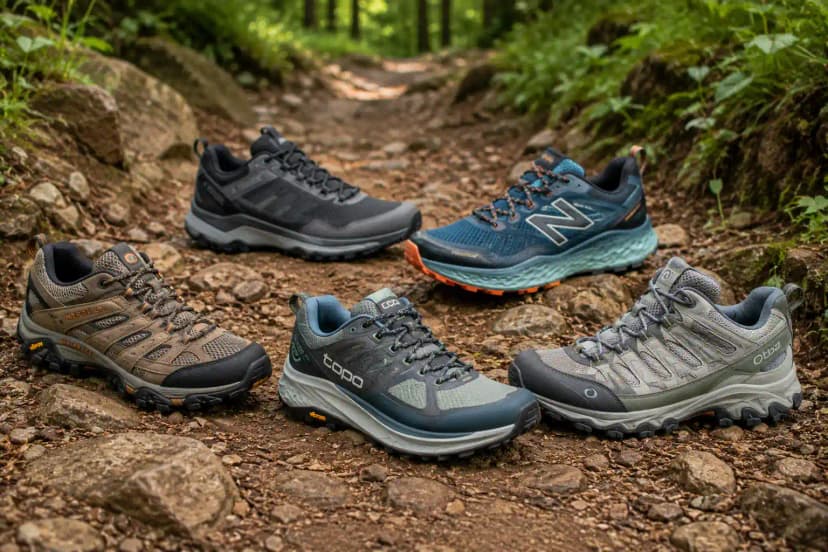
- 3-season hiking and backpacking: Spring through fall, trail runners are lighter, cooler, and more comfortable.
- Thru-hiking: The AT, PCT, and CDT are dominated by trail runner users. Boots are heavy and wear out faster.
- Moderate terrain with packs under 35 lbs: Most backpackers fall in this category.
- Hikers who run or trail run: If your hiking style is fast and light, trail runners let you move at a natural pace.
Specific Shoe Recommendations
Trail Runners Worth Buying
Hoka Speedgoat 5 ($155), Maximal cushioning, excellent grip, great for long mileage days. The most popular trail runner on long trails for a reason.
Salomon Speedcross 6 ($130), Aggressive lug pattern for muddy and technical terrain. Not ideal for pavement or rock slabs.
Altra Lone Peak 8 ($140), Zero-drop (flat) heel, wide toe box. Excellent for hikers transitioning from barefoot-style shoes or those with wide feet. Takes some adjustment if you're used to heel-elevated shoes.
Brooks Cascadia 17 ($135), Balanced cushioning and protection, runs true to size, durable outsole.
Hiking Boots Worth Buying
Salomon X Ultra 4 Mid GTX ($185), The best mid-cut boot for most day hikers and light backpackers. Lighter than traditional boots, good waterproofing, no break-in issues.
La Sportiva Nucleo High II GTX ($240), Premium option for technical terrain. Excellent edging, stiff enough for light crampons.
Oboz Bridger Mid B-Dry ($175), Wide fit, supportive, good for hikers with flat arches. Built in Montana with a lifetime sole guarantee.
For the lighter end of this list specifically, Hiking Feet reviews the category on trail rather than in a spreadsheet. Their lightweight hiking shoe reviews are a good place to narrow it down.
Fit Is the Only Thing That Matters More Than Style
The best boot or shoe in the world will destroy your feet if it doesn't fit. When trying on hiking footwear:
- Wear the socks you'll actually hike in
- Try on in the afternoon when feet are slightly swollen
- Leave a thumb's width between your longest toe and the shoe end
- Your heel should lock in with no slippage, heel lift causes blisters on descents
- Stand on a slope to check toe box room; your toes should not touch the front on steep downhills
If you're buying online, order from a retailer with a good return policy and actually hike in them before the window closes. REI's return policy exists for exactly this reason.
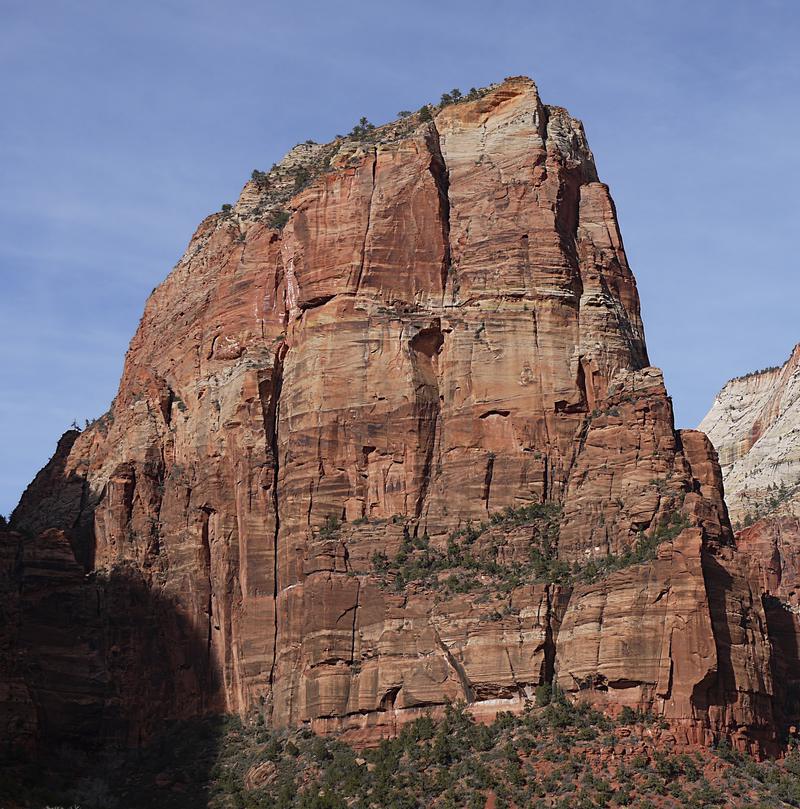
Don't let gear stores sell you stiff leather boots for a trip to Zion or the Smokies. Trail runners will serve you better and your feet will thank you at mile 15.
Whichever you pick, lace them properly. Low-cut shoes and trail runners hold your foot with laces alone, so the pattern you use matters more than it does in a boot: see how to lace hiking shoes.
Hiking Boots vs Trail Runners FAQs
Research is mixed. A 2009 study in the British Journal of Sports Medicine found no significant difference in ankle injury rates between high-top and low-cut footwear. Strong ankles from conditioning matter more than boot height.
Yes, many thru-hikers on the PCT and AT use trail runners exclusively. The key is load management: keep your pack under 25-30 lbs and choose a shoe with adequate cushioning like the Hoka Speedgoat or Salomon Speedcross.
Trail runners need minimal break-in, usually 1-2 short hikes. Traditional leather hiking boots can take 20-40 miles before they stop causing blisters. Synthetic boots fall in between at 10-20 miles.
Waterproof membranes (Gore-Tex, eVent) keep feet dry in light rain but cause overheating on warm days and take forever to dry when fully submerged. Non-waterproof shoes that drain and dry quickly often beat waterproof ones for most conditions.
Look for shoes with a wide last: Altra Lone Peak, Topo Athletic Trailventure, Brooks Cascadia wide, or Oboz Bridger. Brands like Altra build all shoes on a foot-shaped last, which works well for wide and normal widths.