Why Camping Inside the Park Is Worth It
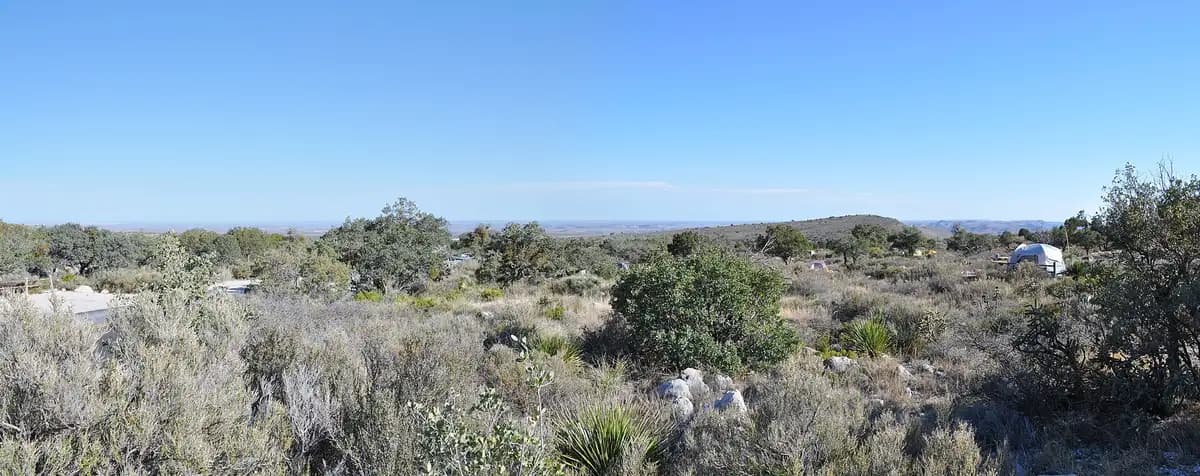
Guadalupe Mountains National Park is remote, dark, and gloriously quiet, and the closest hotels are a 35 to 55 minute drive away in Whites City, Carlsbad, or Van Horn. Camping inside the park saves that commute, puts you at the trailheads at first light, and rewards you with some of the darkest night skies in Texas. This guide breaks down every camping option in the park so you can pick the right basecamp for your trip.
Camping pairs naturally with a packed hiking schedule. See how an overnight at Pine Springs anchors our 2-day Guadalupe Mountains hiking itinerary.
Pine Springs Campground: The Main Basecamp
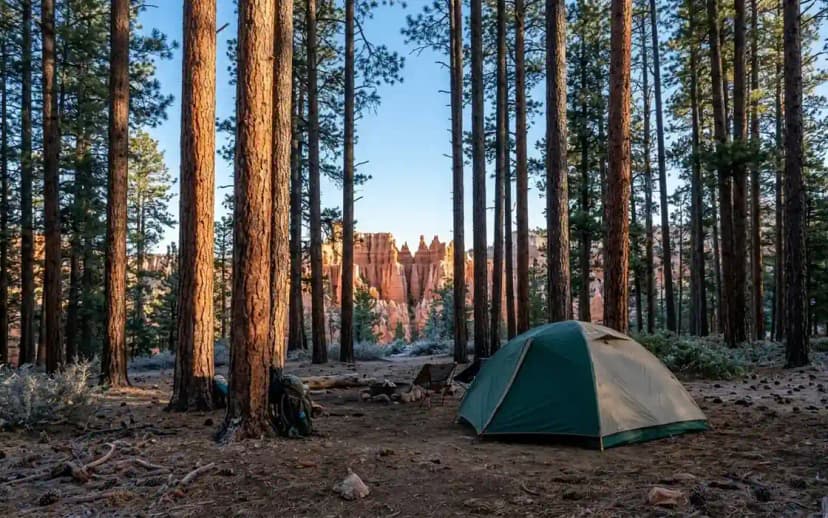
Pine Springs is the park's primary campground, sitting right next to the Pine Springs Visitor Center and the Guadalupe Peak trailhead off US-62/180. It offers both tent sites and RV sites, restrooms with running water, and flush toilets, but no hookups and no showers. Sites are reservable, and on fall weekends and holidays they sell out, so book ahead. Because the trailhead for Guadalupe Peak is steps away, this is the obvious choice for anyone planning to summit the highest point in Texas at dawn.
Dog Canyon Campground: The Quiet Alternative
Dog Canyon sits on the north side of the park at about 6,300 feet, reached by a long drive around through New Mexico. It is cooler, greener, and far less crowded than Pine Springs, with both tent and RV sites, flush toilets, and water. The remoteness is the whole appeal: you trade convenience for solitude and pine-scented air. It is an excellent launch point for the Tejas, Bush Mountain, and Marcus trails into the high country.
Backcountry Camping in the High Country
For backpackers, the park has ten designated backcountry campgrounds spread across the high ridges and forested benches, including sites like Guadalupe Peak, Pine Top, Tejas, and the Bowl. A few things to know:
- A backcountry permit is required and can be reserved in advance
- There is no water at any backcountry site, so you must carry all of it in
- Campfires are prohibited everywhere in the park; use a camp stove
- Pack out everything, including all trash
The climb to most high sites gains thousands of feet, so come prepared for heavy packs, strong wind, and cold nights even outside of winter.
Fees, Water, and Practical Logistics
You will pay the park entrance fee plus a per-night campground fee, both payable at the self-service kiosk. The big logistical reality of this park is water: potable water is available at the Pine Springs and Dog Canyon campgrounds, but nowhere on the trails or at backcountry sites. Fill up before every hike. There are no stores, gas stations, or restaurants inside the park, so stock up in Carlsbad or Van Horn before you arrive, and top off your gas tank, because the nearest fuel can be an hour away.
Best Seasons to Camp
Spring and fall are the sweet spots, with mild days and cool nights. October and November bring the McKittrick Canyon maples into peak color and comfortable hiking temperatures. Summer camping is hot and exposed at Pine Springs, though Dog Canyon's higher elevation stays cooler. Winter is peaceful and starry but can bring snow, ice, and the park's legendary high winds, which have toppled tents and even forced campground closures. Whenever you go, stake everything down hard, because the wind here is no joke.
Guadalupe Mountains Camping Guide: Where to Stay in the Park FAQs
Yes. Sites at Pine Springs are reservable in advance, and they often sell out on fall weekends and holidays, so booking early is strongly recommended.
Potable water is available at the Pine Springs and Dog Canyon campgrounds, but there is no water on the trails or at any backcountry site, so carry all you need.
No. Campfires are prohibited throughout the park due to high winds and fire danger. Use a camp stove for cooking instead.