Two Days in the Guadalupe Mountains: Texas's Highest Peak
The highest point in Texas, canyons, fall color & desert, all in one quiet park.
Two days of Guadalupe Mountains hiking: the strenuous Guadalupe Peak hike to the highest point in Texas, McKittrick Canyon's fall color, Devils Hall, and the Smith Spring desert oasis.
“I’ve requested to book a Chain Lakes Loop guide on ExplorOFF, and it was the best idea ever! I highly recommend going with their guided option since you get a real human connection on the trail and don’t have to worry about a thing. Yulia was great to talk to!”
 9 stops on a real mapEvery stop pinned in order→
Every stop is a real pin, in order.
Guadalupe Peak, McKittrick Canyon & El Capitan · West Texas
Every stop on this trip, in order, opens as one driving route in the Google Maps app. No copying addresses across one at a time.
6 of the stops on these 2 days.


Plan and book your 2 days in Guadalupe Mountains, one step at a time
How 2 days in Guadalupe Mountains split up
Guadalupe Mountains National Park is one of the least-visited and most remote parks in the lower 48, a wedge of the Chihuahuan Desert where an ancient Permian fossil reef rises into the highest mountains in Texas. El Capitan's sheer prow and 8,751-foot Guadalupe Peak dominate the skyline, and the trails climb from desert floor to forested high country in a single day.
Day 1: Guadalupe Peak · the highest point in Texas
5 stops · Day one
Day 2: McKittrick Canyon, Devils Hall & Smith Spring
4 stops · Day two
Guadalupe Peak · the highest point in Texas
Make today the big one. The Guadalupe Peak Trail (about 8.4 miles round trip, roughly 3,000 feet of gain, strenuous) is the marquee hike in the park and climbs to the highest point in Texas at 8,751 feet. It switchbacks up from the Pine Springs trailhead through desert, then forest, to a summit with a metal pyramid marker and a staggering view over El Capitan, the salt flats, and the Chihuahuan Desert far below.
Not the order you want? Drag a stop, or use the arrows beside it. Stops move between days too.
 Drive from
~55 min · stock food & fuel first · DriveThe park is remote, with no food or gas inside. Plan on about 35 to 55 minutes from Carlsbad or Whites City, New Mexico, or roughly 1.75 hours from El Paso (ELP). Fill your tank and stock food and water before you head out, and download offline maps because cell service is patchy.
 Pine Springs visitor center & trailhead
Hub · fill water · pay the fee · ViewpointStart at the Pine Springs visitor center, the hub of the park, where you pay the per-person entrance fee, check conditions, and fill your water bottles. The Guadalupe Peak, Devils Hall, and Bowl trailheads all leave from here, so it is the natural base for a Guadalupe Mountains hiking trip.
- Guadalupe Peak Trail
~8.4 mi RT · ~3,000 ft · highest point in TX · HikeThe Guadalupe Peak Trail (about 8.4 miles round trip, roughly 3,000 feet of gain, strenuous) is the marquee hike, climbing to the highest point in Texas at 8,751 feet. It switchbacks from desert into forest to a summit marker with a staggering view over El Capitan and the salt flats. Start at first light, carry 3 to 4 liters of water, and watch the wind.
- El Capitan viewpoint
The park's signature limestone prow · ViewpointEl Capitan's sheer 1,000-foot prow is the signature landmark of the Guadalupe Mountains, an ancient Permian reef edge that sailors of the old Butterfield stage line used as a guidepost. You see it from the Guadalupe Peak Trail, and it glows at sunset from the highway pullouts south of Pine Springs.
 Fredlyfish4 / CC BY-SA 3.0Camp at Pine Springs
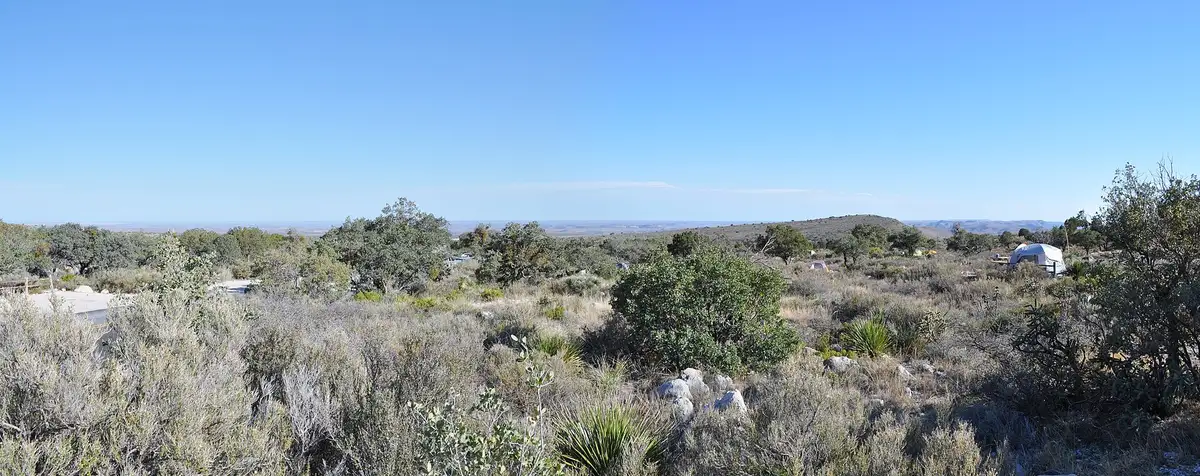
In-park campground · recreation.gov · lodgePine Springs Campground is the in-park option, a no-frills desert campground steps from the trailheads, reservable through recreation.gov and busy on fall weekends. If you would rather sleep indoors, base in Carlsbad or Van Horn and drive in. There is no food or gas in the park, so come stocked.
McKittrick Canyon, Devils Hall & Smith Spring
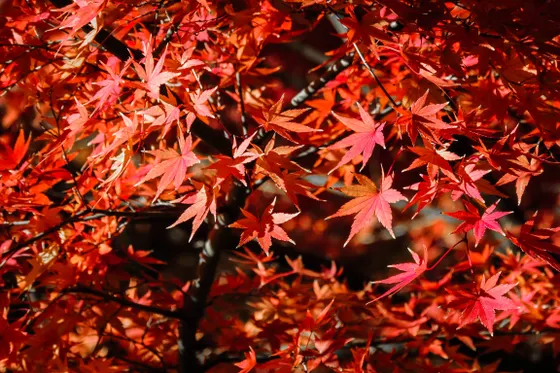
Swap the summit for the canyons. Drive to the separate McKittrick Canyon entrance and hike to Pratt Cabin (about 4.8 miles round trip) or push on to the Grotto (about 6.8 miles round trip). In late October through mid-November this canyon erupts with fall foliage, when its bigtooth maples turn red and gold, making it the most famous fall-color hike in West Texas. Note the McKittrick Canyon gate has limited day-use hours, so check the opening and closing times before you drive out.
Not the order you want? Drag a stop, or use the arrows beside it. Stops move between days too.
- McKittrick Canyon · Pratt Cabin / the Grotto
~4.8–6.8 mi RT · famous fall color · HikeDrive to the separate McKittrick Canyon entrance and hike to Pratt Cabin (about 4.8 miles round trip) or push on to the Grotto (about 6.8 miles round trip). In late October through mid-November the canyon's bigtooth maples turn red and gold, making this the most famous fall-color hike in West Texas. The gate has limited day-use hours, so check the times before you drive out.
- Devils Hall
~3.8 mi RT · rock scramble up a wash · HikeDevils Hall (about 3.8 miles round trip) leaves from Pine Springs and scrambles up a boulder-strewn wash to a narrow natural stone corridor and the Hiker's Staircase. The last stretch has no marked tread, so you rock-hop up the canyon bottom. It is a fun, lower-mileage option if your legs are tired from Guadalupe Peak.
 Smith Spring Loop
~2.3 mi RT · easy · a desert spring oasis · HikeThe Smith Spring Loop (about 2.3 miles round trip, easy) climbs gently from the Frijole Ranch to a shaded desert spring oasis where maples and ferns cluster around flowing water, a striking contrast to the surrounding desert. It is a great easy alternative if you skip Devils Hall or just want one more short walk.
 Getting home: Carlsbad or El Paso
Carlsbad ~55 min · ELP ~1.75 hr · DriveFrom the park it is about 35 to 55 minutes northeast to Carlsbad, near Carlsbad Caverns, or roughly 1.75 hours west to El Paso (ELP). There is no gas in the park, so fuel up in Carlsbad, Whites City, or Van Horn before the drive out. Many visitors pair this trip with Carlsbad Caverns National Park on a separate day.
Book the 1 night
Beds near the trailheads are the one thing on this trip that genuinely runs out. Everything else can be decided later.
Tell us your dates and we will do the calling. We check every booking site, put your points and card perks against the cash price, and email you this plan back with the best room we can find for each night. Nothing is charged and you decide at the end.
Request to bookWhat to pack for Guadalupe Mountains
Built from this route, not a generic list. Every line says why it is here.
On every day of this trip
On your feet
Because you are sleeping indoors
For the driving days
What we actually learned in the desert.
Pay the entrance fee or bring your pass
Guadalupe Mountains charges about $10 per person for a 7-day pass (kids 15 and under are free). The annual America the Beautiful pass ($80) also covers entry. Pay at the Pine Springs visitor center or online ahead of time.
Bring far more water than you think
The Chihuahuan Desert is brutally dry and the trails are exposed. Carry at least a gallon of water per person per day, and 3 to 4 liters on the Guadalupe Peak hike. There is no water on the trails, so fill up at the Pine Springs visitor center first.
Respect the wind and the sun
The Guadalupe Mountains are notoriously windy, especially in spring, when gusts on the summit ridge can be genuinely dangerous. There is little shade anywhere, so start at first light, pack layers, and wear sun protection regardless of season.
No food or gas in the park
There is no food, fuel, or store inside Guadalupe Mountains National Park. Fill your tank and stock up on food and water in Carlsbad or Whites City to the northeast, or Van Horn to the southwest, before you arrive.
Go in fall for the color
Late October through mid-November is the prime window, when McKittrick Canyon's bigtooth maples turn red and gold. Spring is windy and harsh, summer is hot and exposed, and winter is cold and clear with occasional snow up high.
Lodging is scarce, so plan ahead
There is no lodging in the park. Pine Springs Campground is the in-park option, reservable through recreation.gov and busy on fall weekends. Otherwise base in Carlsbad, New Mexico (near Carlsbad Caverns) or Van Horn, Texas, and drive in.
Do not get locked in at McKittrick Canyon
The McKittrick Canyon entrance road sits behind a gate with strict day-use hours, and rangers lock it at closing. If you linger too long at Pratt Cabin or the Grotto, your vehicle can be shut inside overnight. Note the posted closing time at the gate, and turn back with a comfortable buffer.
Everything you'll actually want to know.
Guadalupe Mountains hiking: the questions people ask most.
For Guadalupe Mountains hiking, the standouts are the Guadalupe Peak Trail (about 8.4 miles round trip and strenuous, climbing to the highest point in Texas at 8,751 feet), McKittrick Canyon to Pratt Cabin or the Grotto (about 4.8 to 6.8 miles round trip, famous for fall color), Devils Hall (about 3.8 miles round trip with a rock scramble), and the easy Smith Spring Loop (about 2.3 miles round trip to a desert spring). The high country of the Bowl and Bear Canyon offers longer forested loops for strong hikers.
We'll find the cheapest way to do this trip.
Tell us your dates and we price the plan you just built: every booking site, the hotels direct, and your own points and card perks against the cash price. You get it back by email with a link for each night and what it saved you.
- It is free. The hotel pays us, not you. You pay their normal price.
- Nothing is charged and nothing is held. You decide at the end, or you walk away.
- Beds near trailheads are the part that runs out. Everything else can wait.
The figures below are estimates from local nightly rates, so you know the ballpark before you ask. The real number comes back once we have checked what is free.
- 1 night, a campsite near Carlsbad
1 × $60$60
- 1 night, a room in Carlsbad
from $80 a nightfrom $80
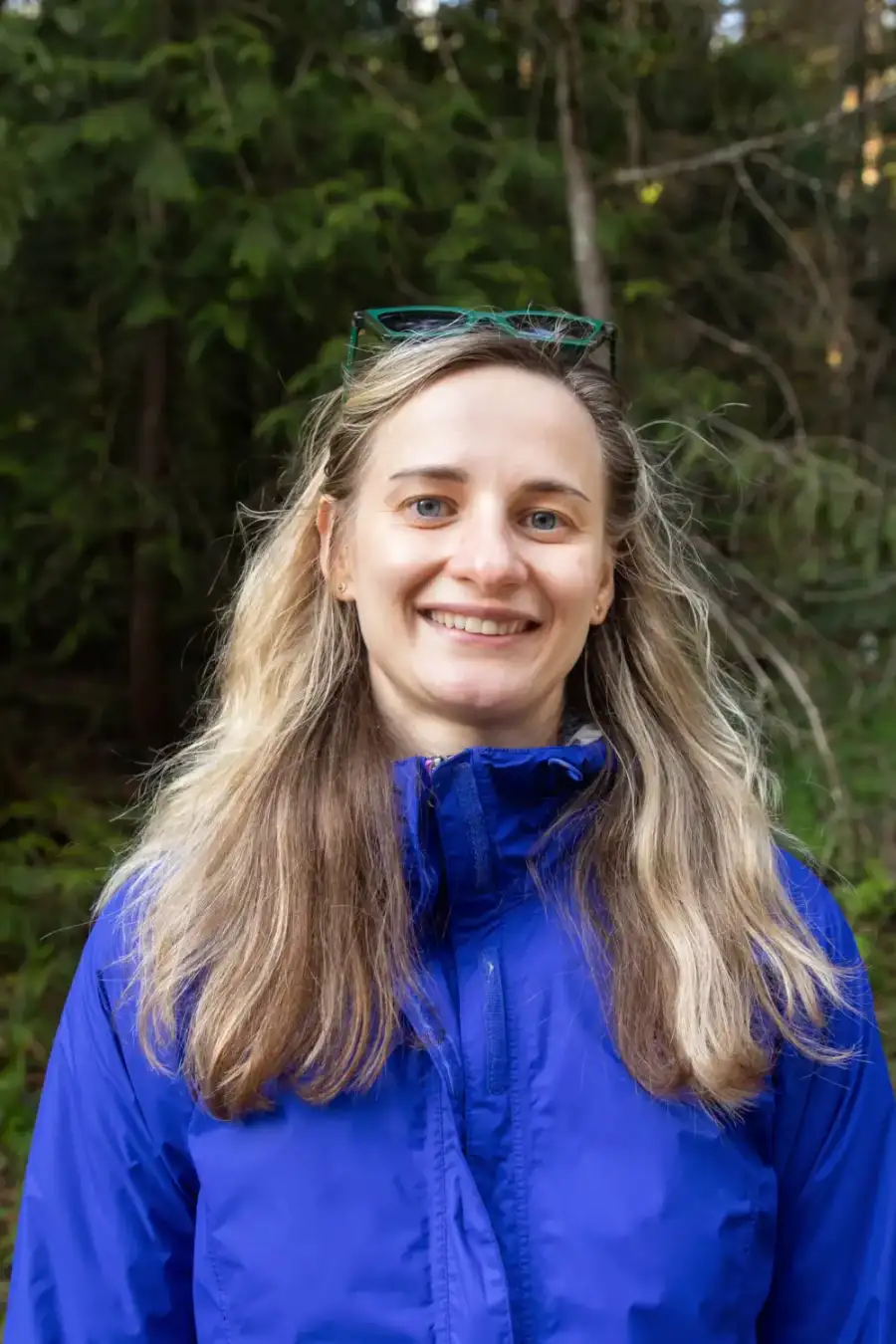 Yulia, ExplorOFF founder★★★★★5.0 from 20+ guided tripsGoogleAirbnbFrom$1,3702 people, 1 night
- Everything in Glamped, plus a local guide
- Airport pickup, every drive, all the gear
- Weather turns, they rewrite the day
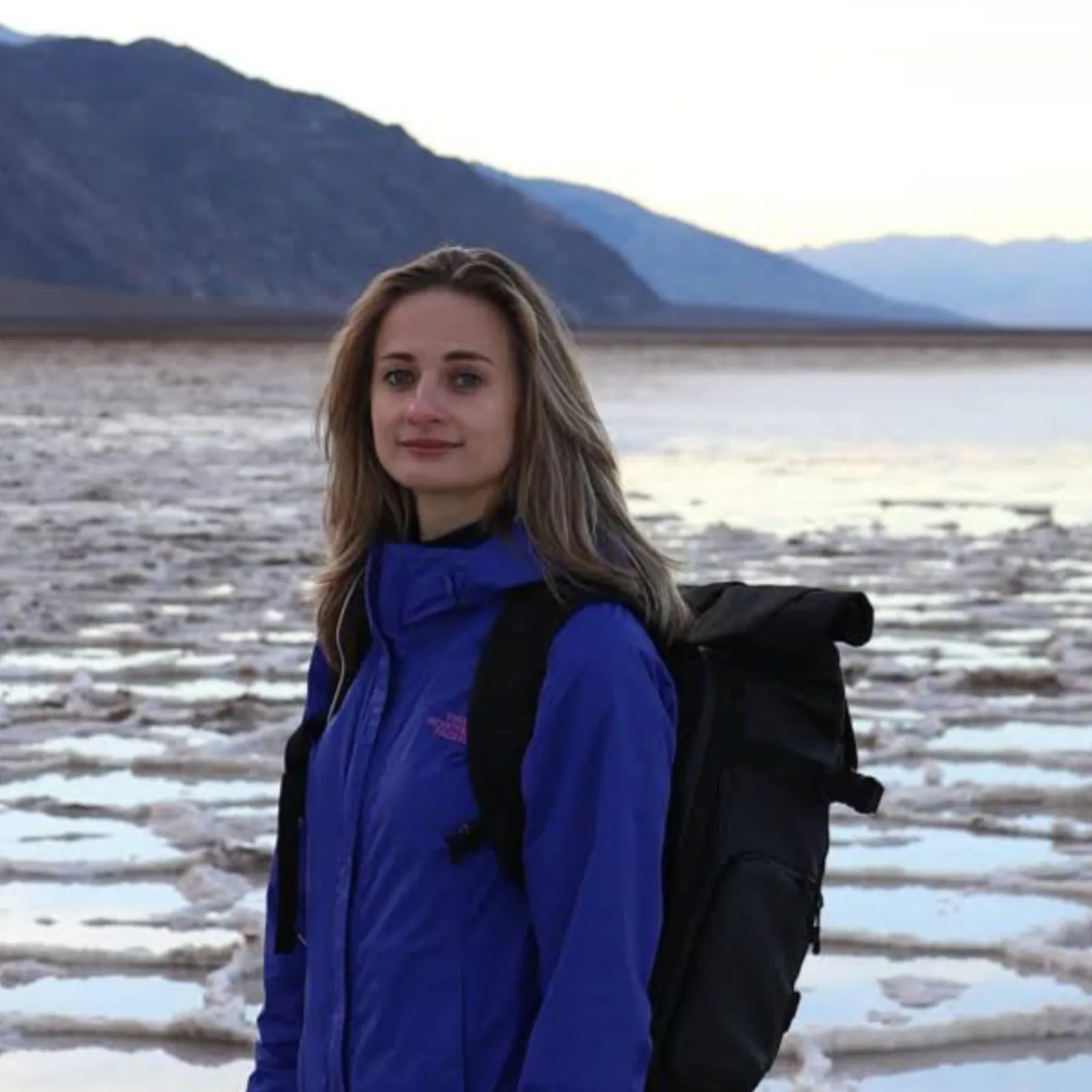
Written and walked by Yulia Vasilyeva · Co-founder · Lead planner and guide
Three years leading guided hikes in the Pacific Northwest, rated 5.0 by 20+ verified guests, and she builds every custom itinerary herself. Based in Seattle.
Booking Guadalupe Mountains
Everything below is booked with the operators direct. We earn a commission on some of them, which is what keeps the itineraries free to read.
You might also love these
More itineraries and hiking guides across the parks.
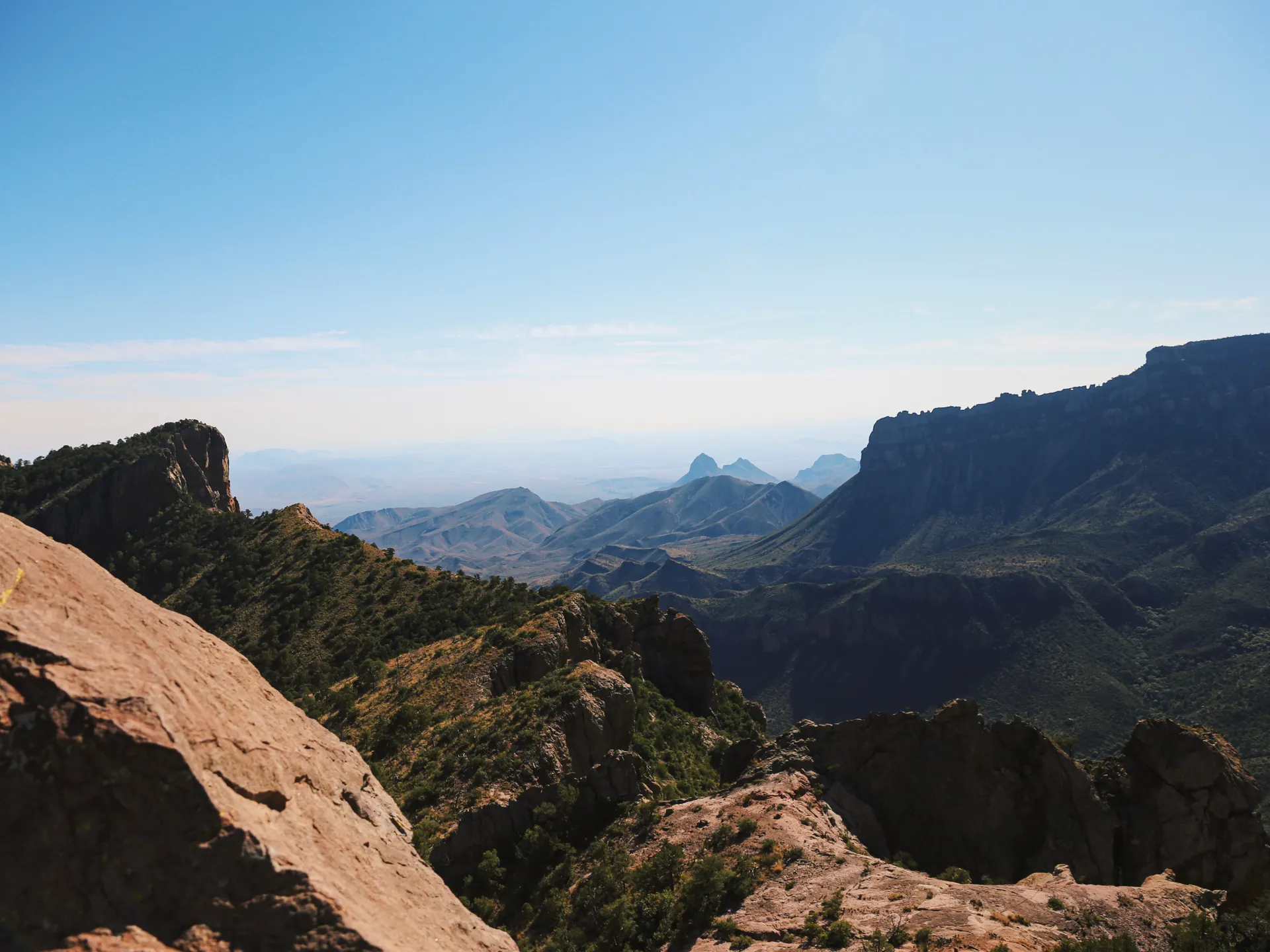
Big Bend National Park
The Chisos Mountains, Emory Peak, Santa Elena Canyon, and a Rio Grande raft trip in remote West Texas.

White Sands Backcountry Weekend
Gypsum dunes, a backcountry camp under the stars, and the best dune hikes near Alamogordo.

Saguaro National Park Hikes
Giant cactus forests, the Tucson desert, and the best loop hikes in both park districts.
What adventurers say about us.
All reviews are from verified guests. ★★★★★ 5.0 average from 20+ bookings.
"Felt like going out with a really knowledgeable friend who just happens to know everything about the area. No awkward tour-guide energy, just a magnificent day."
"Yulia is an incredible guide. She knew every trail, every viewpoint, and exactly how to pace the day for our group. The photos she took of us were stunning. 100% booking again."
"I was visiting Seattle solo and this was the best decision I made on the trip. Yulia picked me up, had snacks, and took us to a trail I never would have found on my own. Absolute must-do."
"We did this as a couple's trip and it was perfect. Yulia adapted everything to us, our pace, our interests, our photo obsession. The mountain views were unreal."
"Phenomenal experience. Yulia has deep local knowledge and a real passion for the outdoors. She went out of her way to show us the hidden gems tourists never see. Will remember this forever."
"I've done a few guided hikes and this was by far the best. Yulia is warm, funny, and genuinely expert. The trail she chose had the most insane wildflower bloom, we got so lucky."
Fees, reservation windows, shuttle dates and trail closures are planning estimates. Confirm hours, road status and any reservations with the land manager before you go.
What other travelers are saying
Be the first to leave a tip or question for the next traveler.
Was this helpful?
One tap. It goes straight to Yulia and Margarita.
You can't hike it if you can't get the permit.
The best hikes in America run on lotteries that open once a year and sell out in minutes. Every trail runs on its own calendar. Pick the ones you want and we do the watching.
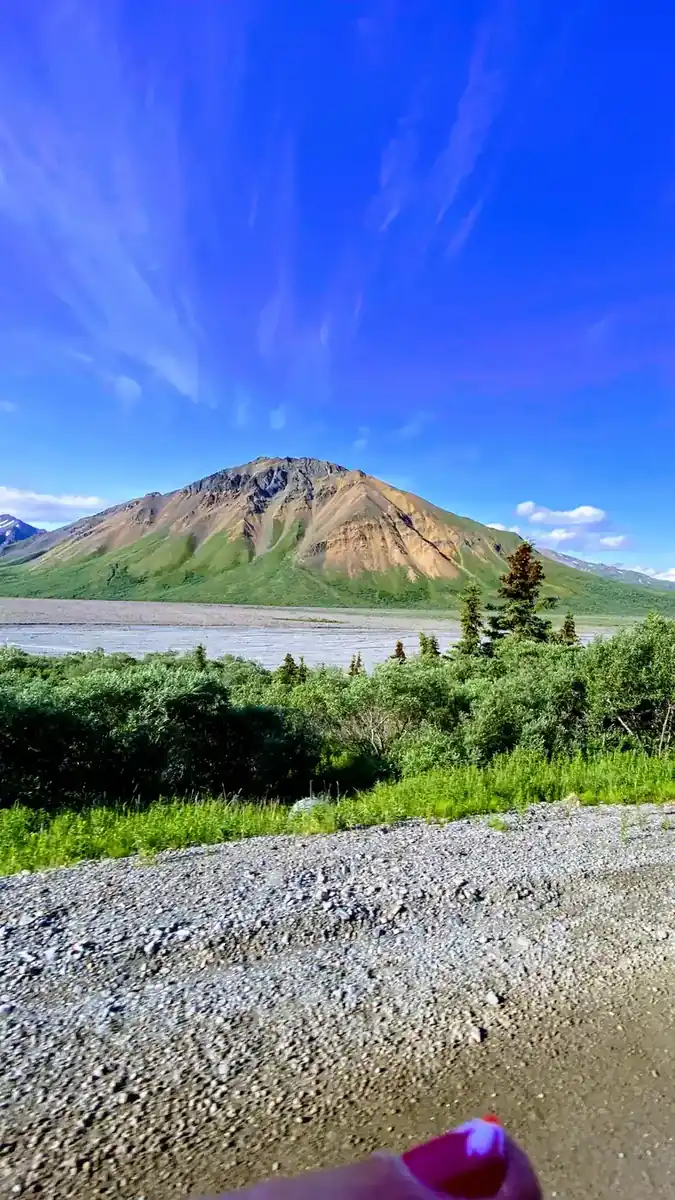 Denali Road LotteryDenali NP · AKActivityReservationfair odds
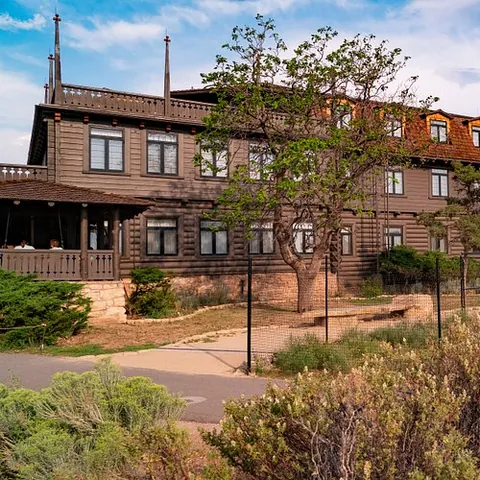 El Tovar HotelGrand Canyon South Rim · ArizonaLodgeReservationbrutal odds
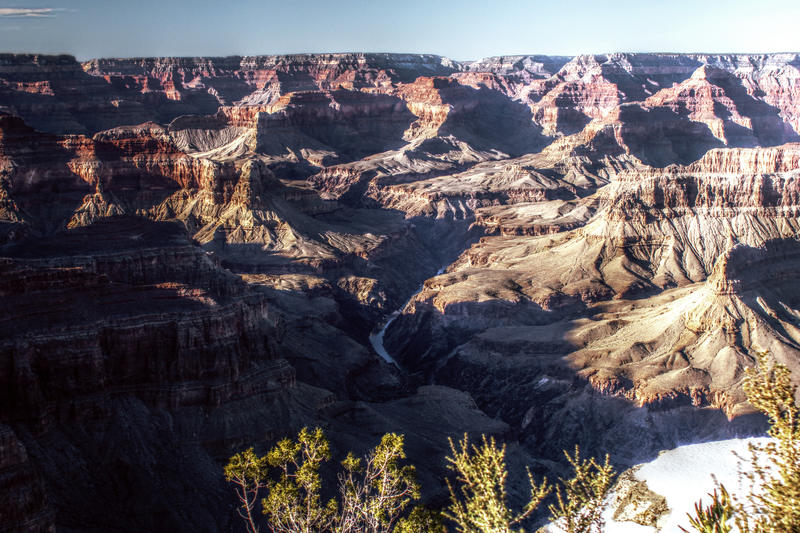 Grand Canyon BackcountryGrand Canyon NP · ArizonaBackcountryReservationfair odds
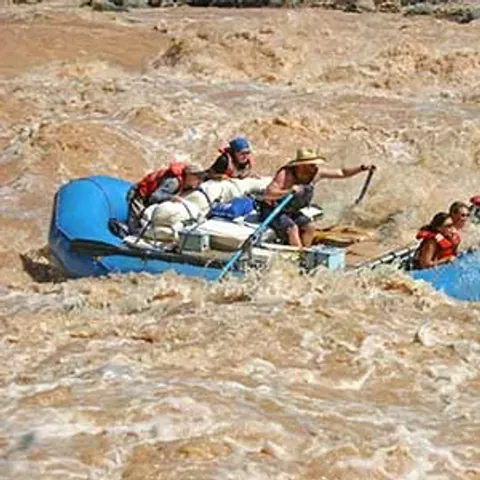 Grand Canyon raftingColorado River · ArizonaActivityLotterybrutal odds
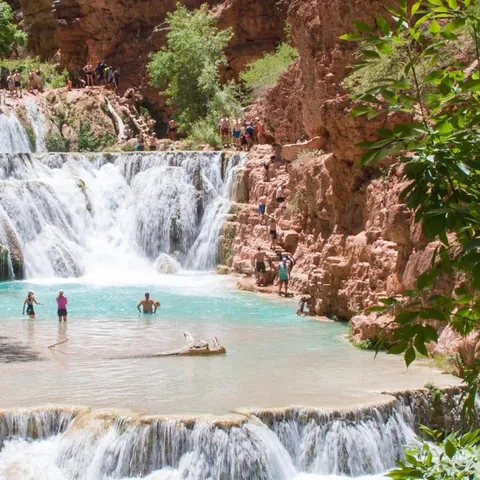 Havasu FallsHavasu Canyon · ArizonaLodgeReservationbrutal odds
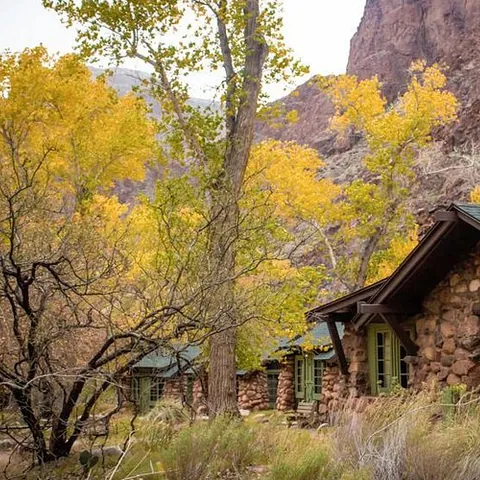 Phantom RanchGrand Canyon NP · ArizonaLodgeLotterybrutal odds
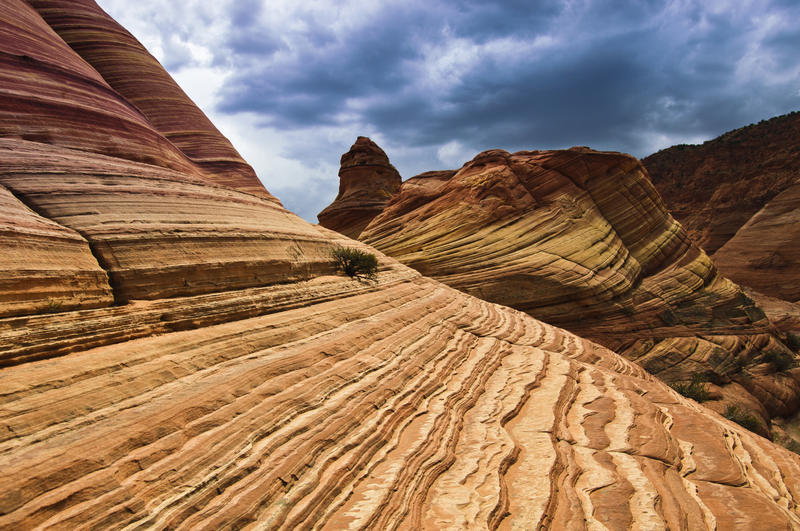 The WaveCoyote Buttes North · Arizona / UtahPermitLotterybrutal odds
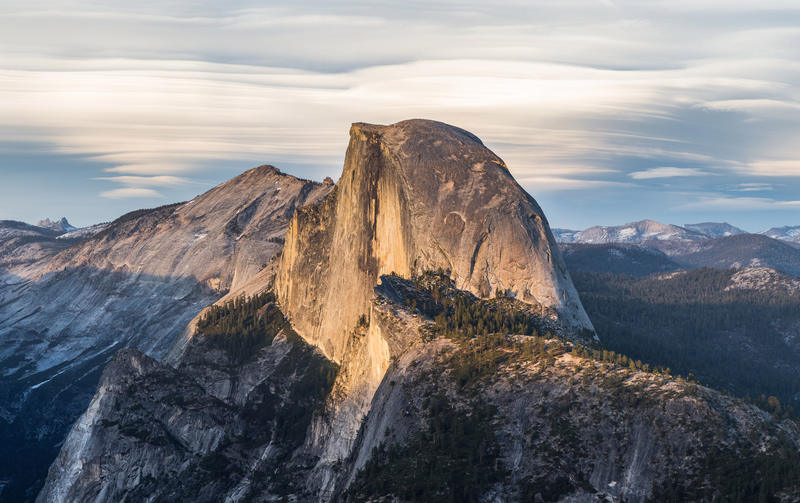 Half Dome CablesYosemite NP · CaliforniaPermitOpens Mar 1fair odds
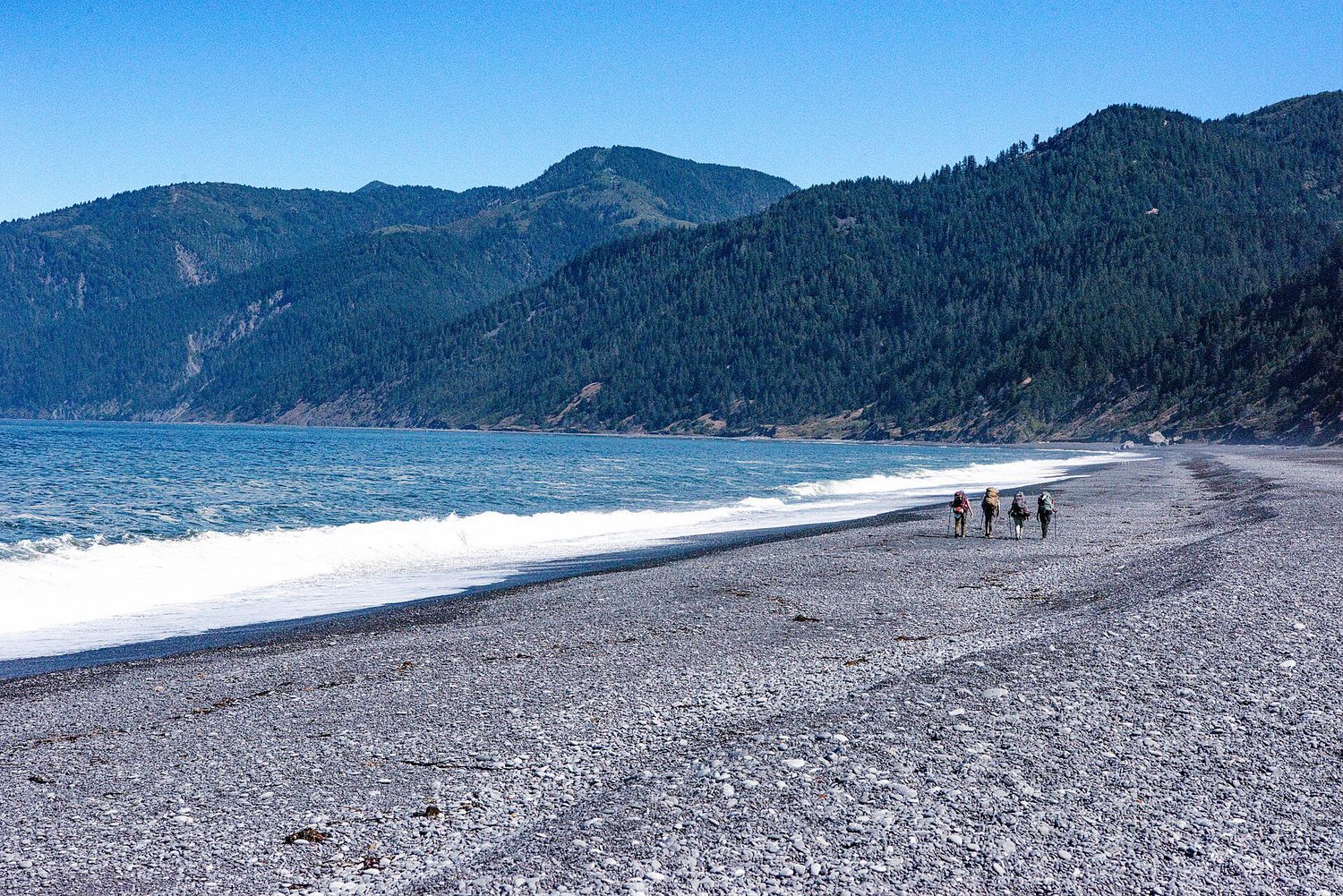 Lost Coast TrailKing Range NCA · CaliforniaBackcountryReservationtough odds
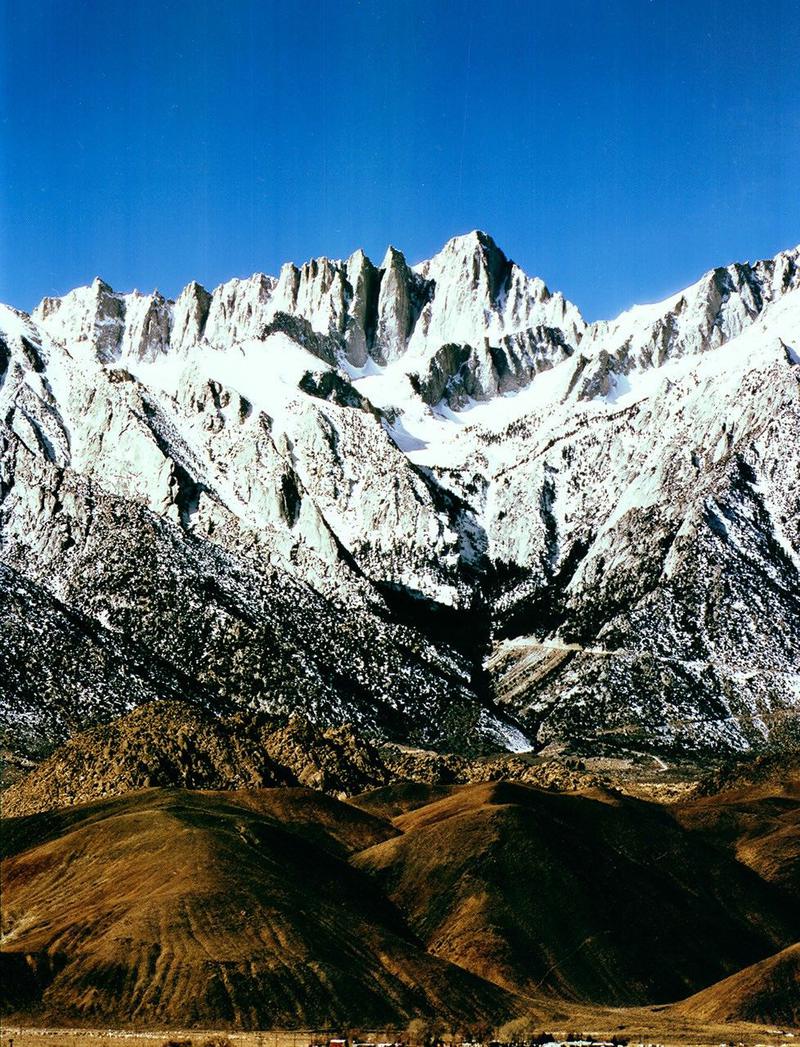 Mt. WhitneyInyo NF · CaliforniaPermitOpens Feb 1tough odds
- The Ahwahnee, YosemiteYosemite NP · CaliforniaLodgeReservationbrutal odds
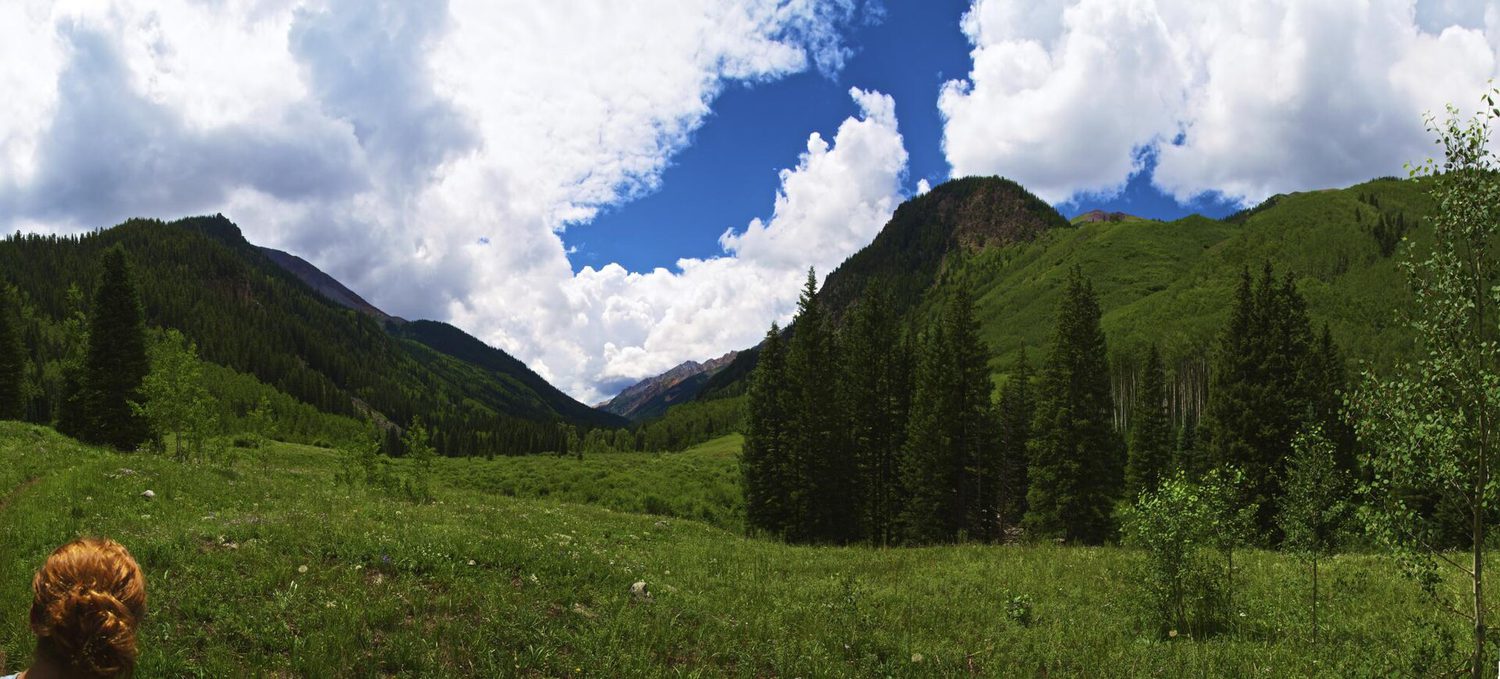 Conundrum Hot SpringsMaroon Bells-Snowmass · ColoradoBackcountryOpens Feb 15brutal odds
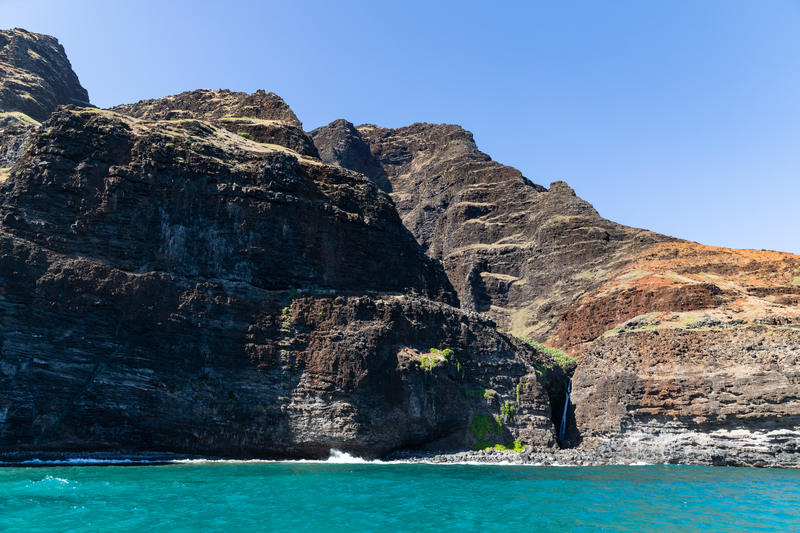 Kalalau TrailNa Pali Coast SWP · HIBackcountryReservationbrutal odds
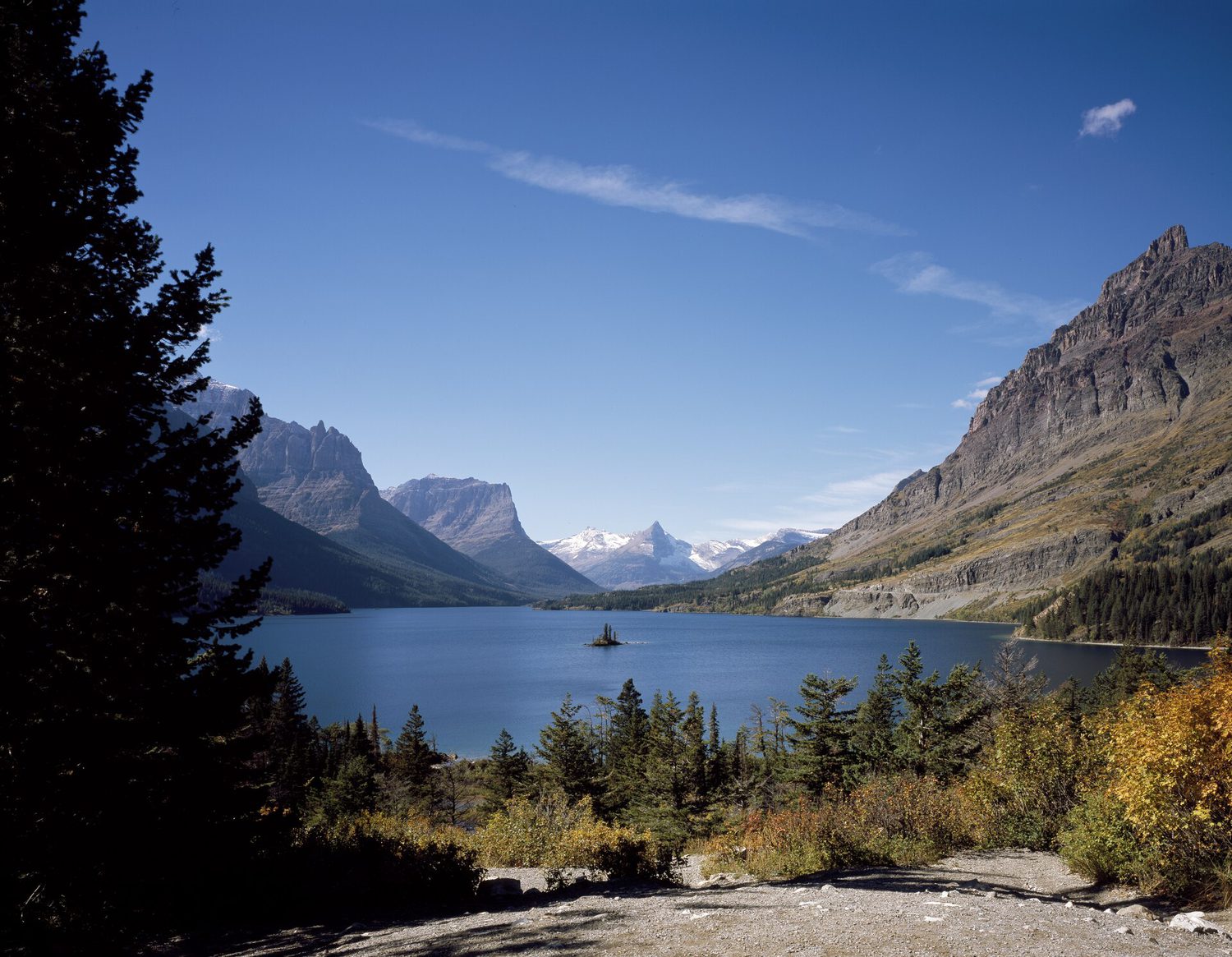 Glacier NP BackcountryGlacier NP · MontanaBackcountryLotterytough odds
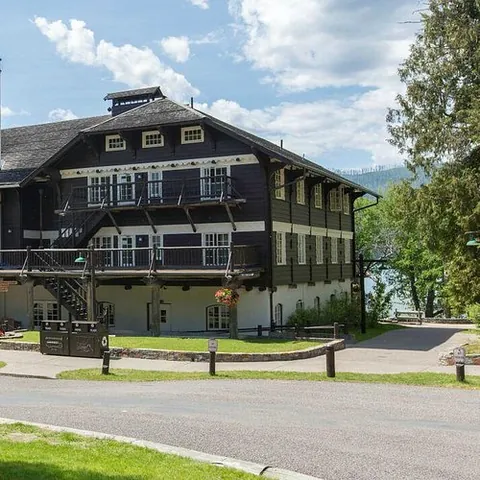 Lake McDonald LodgeGlacier NP · MontanaLodgeReservationbrutal odds
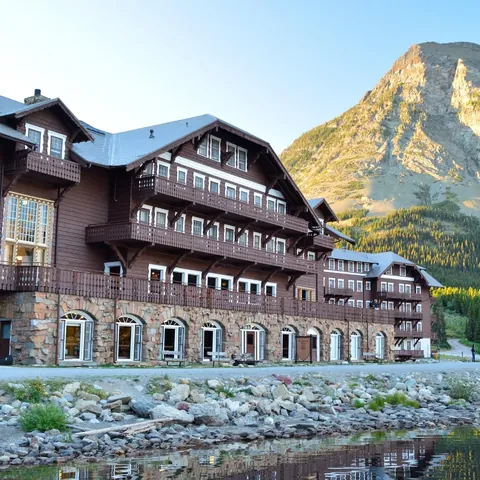 Many Glacier HotelGlacier NP · MontanaLodgeReservationbrutal odds
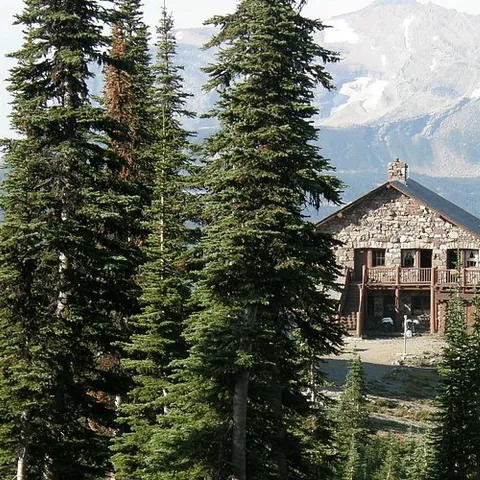 Sperry & Granite Park ChaletsGlacier NP · MontanaLodgeReservationbrutal odds
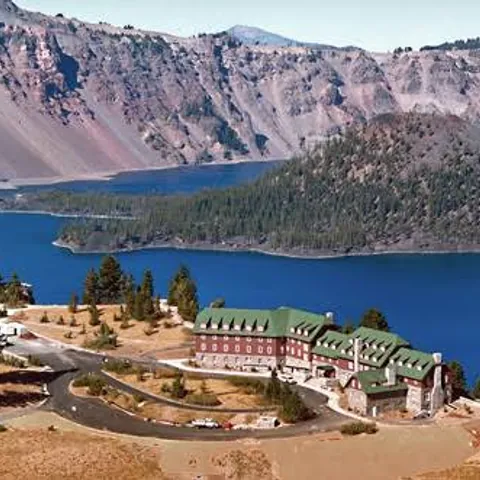 Crater Lake LodgeCrater Lake NP · ORLodgeReservationbrutal odds
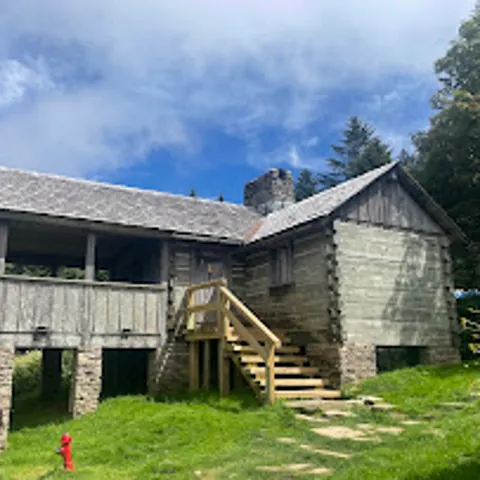 LeConte LodgeGreat Smoky Mountains NP · TNLodgeOpens Oct 1brutal odds
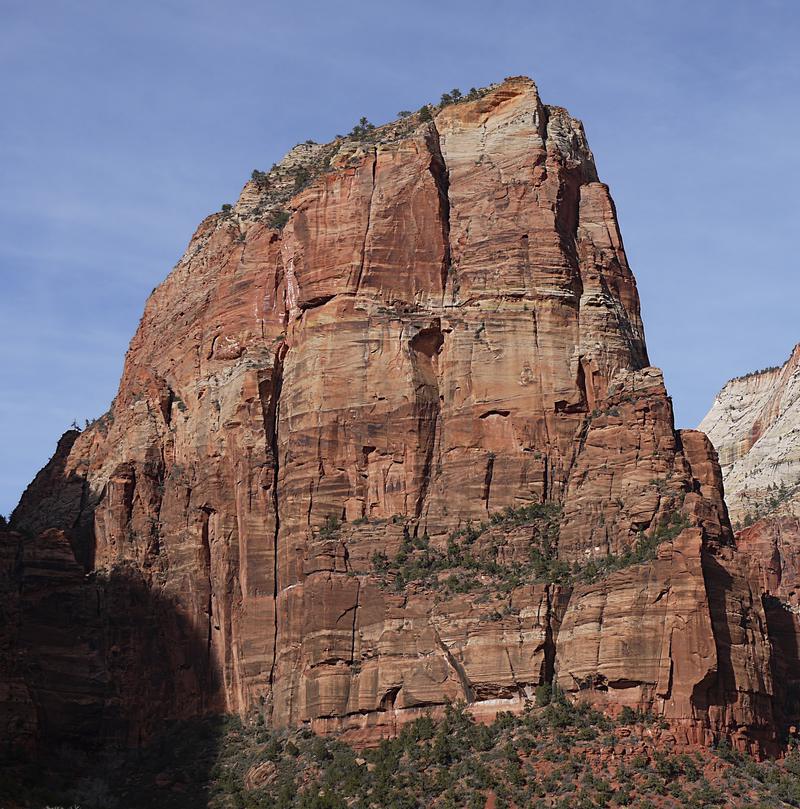 Angels LandingZion NP · UtahPermitLotterytough odds
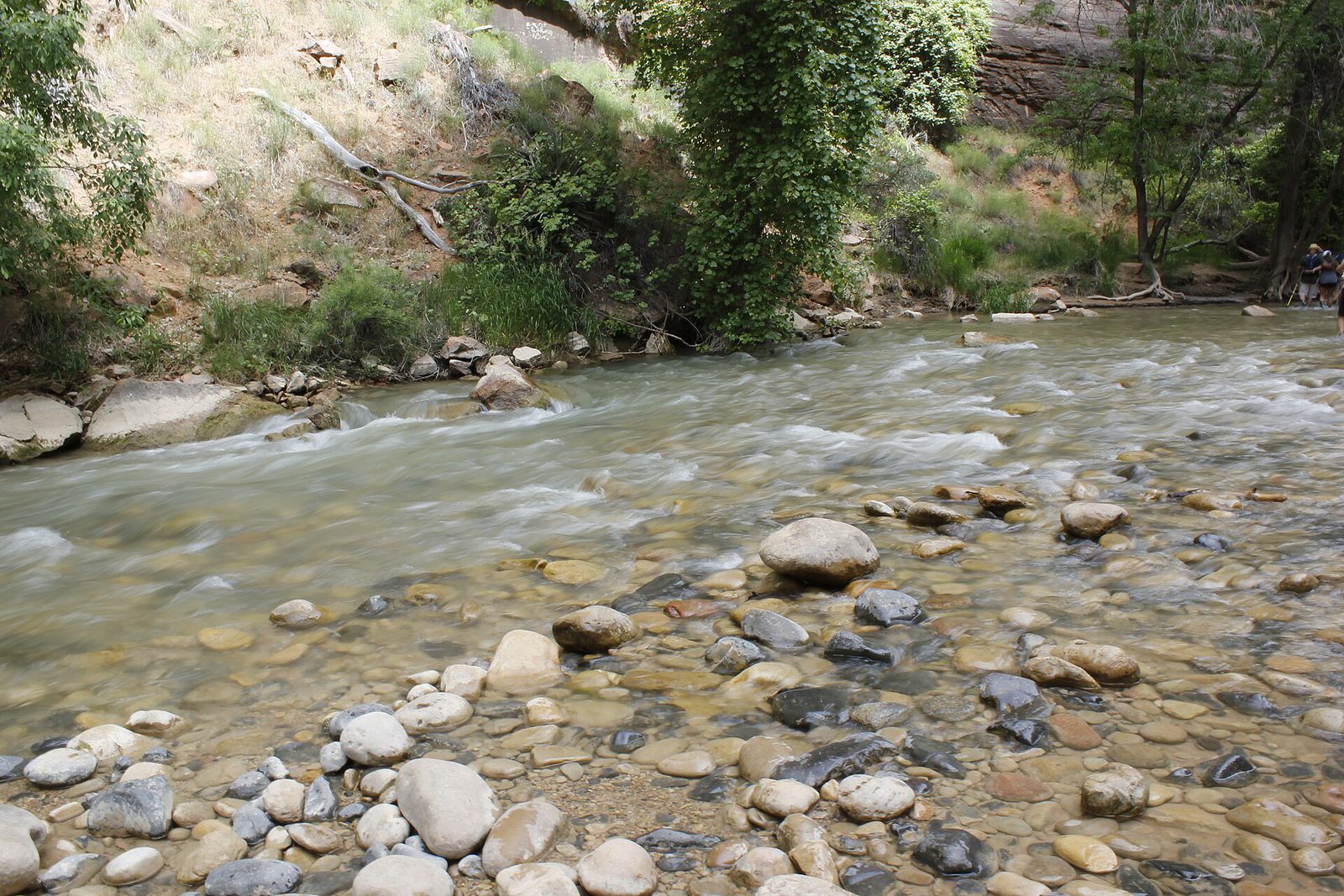 The Narrows Through-HikeZion NP · UtahBackcountryReservationtough odds
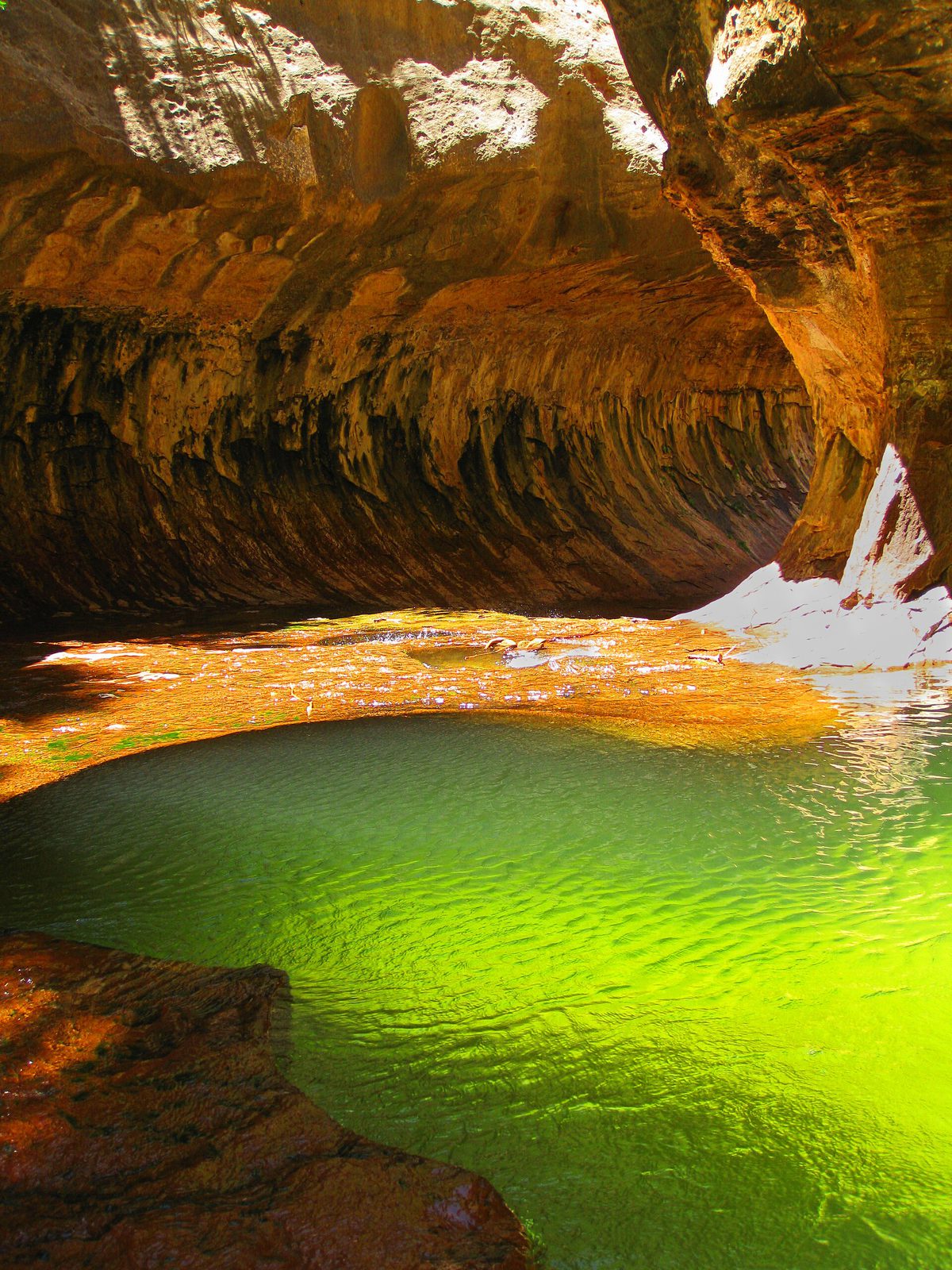 The SubwayZion NP · UtahPermitLotterytough odds
- Zion LodgeZion Canyon · UtahLodgeReservationbrutal odds
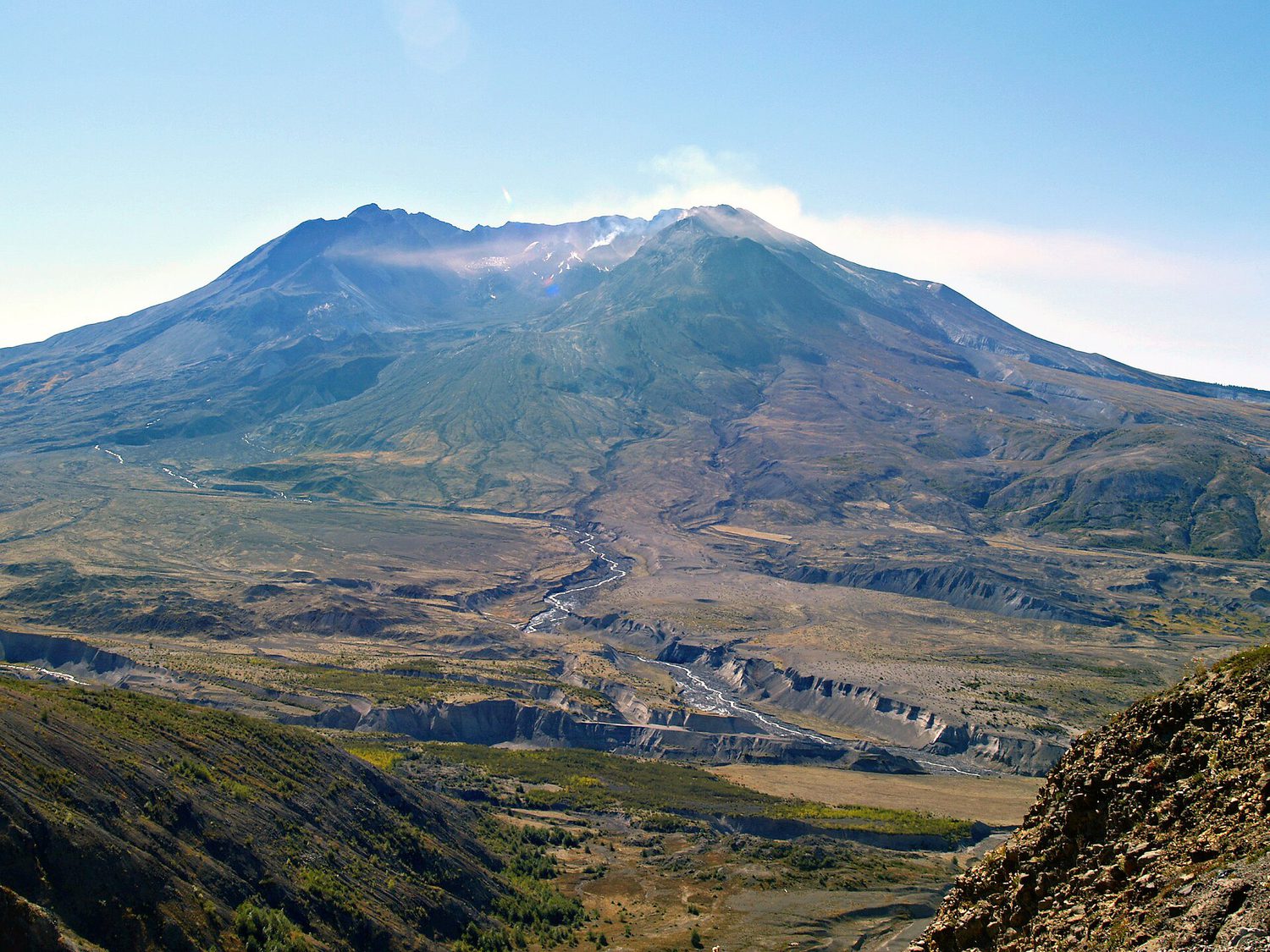 Mount St. Helens Summit ClimbGifford Pinchot NF · WashingtonPermitReservationtough odds
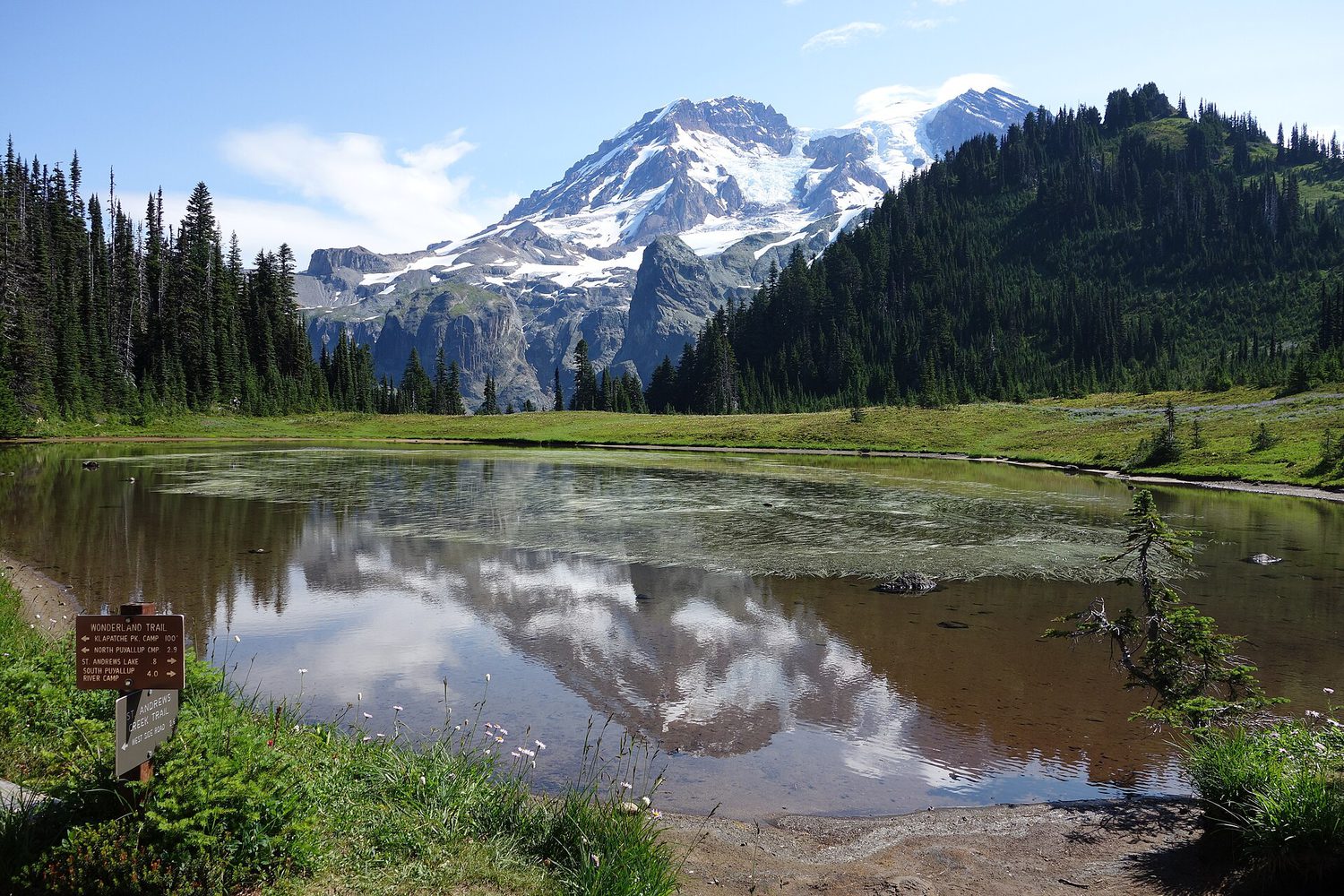 Paradise InnMount Rainier NP · WashingtonLodgeReservationbrutal odds
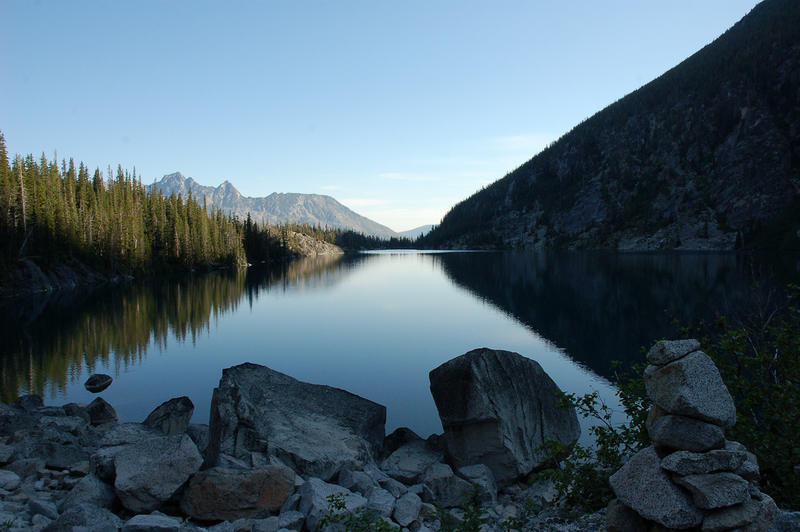 The EnchantmentsAlpine Lakes Wilderness · WashingtonBackcountryOpens Feb 15brutal odds
- Wonderland TrailMount Rainier NP · WashingtonBackcountryLotterybrutal odds
- Cougar Rock CampgroundWashington · WashingtonBackcountryOpens Jan 15tough odds
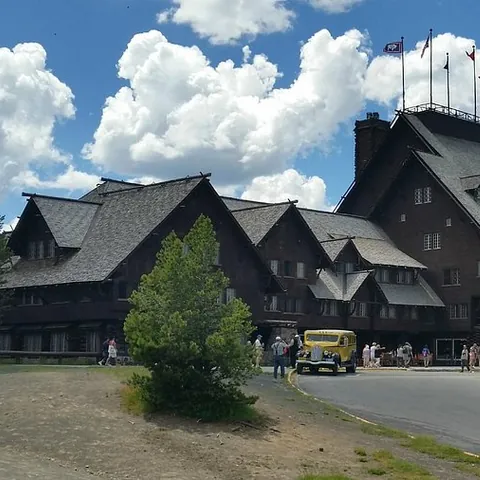 Old Faithful InnYellowstone NP · WYLodgeReservationbrutal odds
How it works
- An email the morning each window opens, never the day after.
- A 14-day heads-up so you can line up your group and dates.
- Win odds and a ranked backup plan for every trail you pick.
Didn't win? We keep watching. We check recreation.gov every day for The Enchantments, Half Dome and Angels Landing, and email you the moment a sold-out date frees up. Cancellations are the second chance most people never hear about.
“I’ve requested to book a Chain Lakes Loop guide on ExplorOFF, and it was the best idea ever! I highly recommend going with their guided option since you get a real human connection on the trail and don’t have to worry about a thing. Yulia was great to talk to!”