Why Guadalupe Peak Is the Hike That Defines the Park
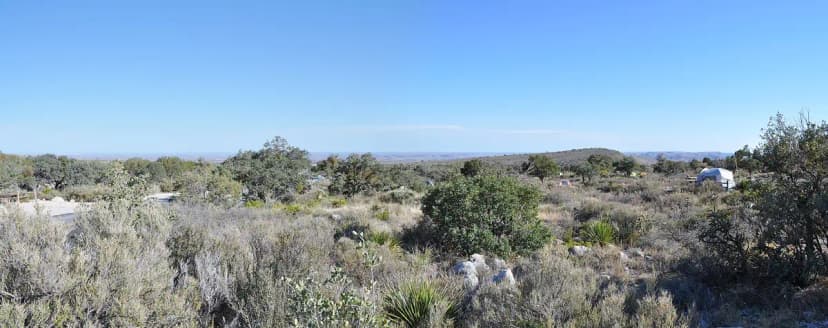
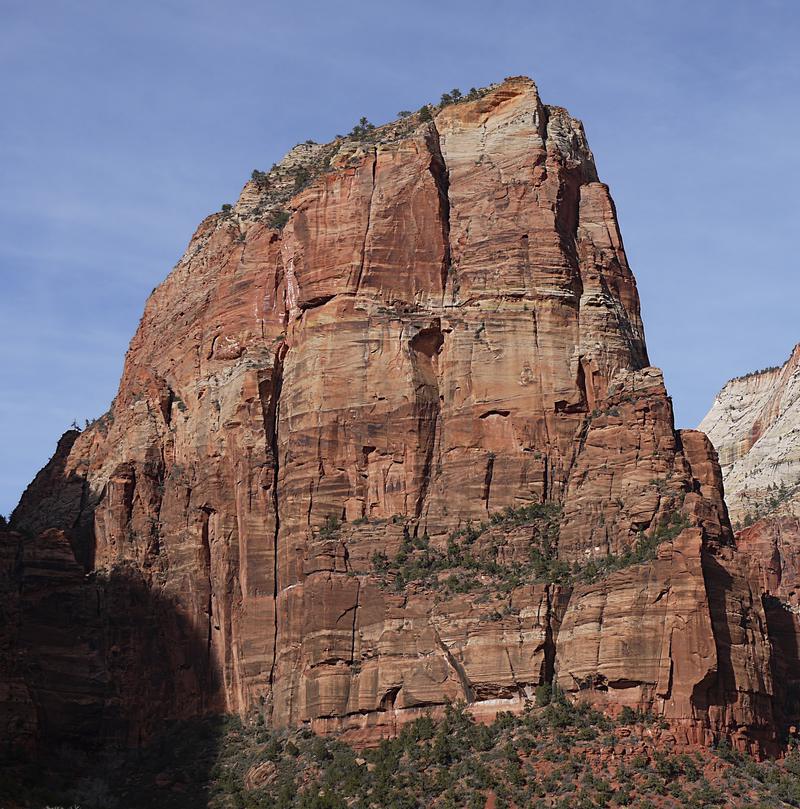
At 8,751 feet, Guadalupe Peak is the highest point in Texas, and standing on its summit gives you a view that stretches across the Chihuahuan Desert toward El Capitan, the sheer limestone prow that rises above the desert floor. The trail to the top is the signature hike of Guadalupe Mountains National Park, and it earns every bit of its reputation. This guide covers the numbers, the timing, and the trail conditions you need before you set out from the Pine Springs trailhead.
If you only have a weekend in the park, pairing this summit with the rest of the highlights makes for an unforgettable trip. Our 2-day Guadalupe Mountains hiking itinerary builds the whole visit around this climb.
Trail Stats and What to Expect
The Guadalupe Peak Trail starts at the Pine Springs trailhead, near the visitor center just off US-62/180. Here are the essentials:
- Distance: 8.4 miles round trip
- Elevation gain: roughly 3,000 feet
- Difficulty: strenuous
- Typical time: 6 to 8 hours
- Summit elevation: 8,751 feet
The first mile and a half is the steepest, climbing through switchbacks on an exposed south-facing slope. After that the grade eases as you traverse a forested bench of pinyon pine and Douglas fir, cross a small wooden bridge, and make the final rocky push to the summit, where a stainless-steel pyramid placed by American Airlines marks the top.
Water, Sun, and the Wind You Cannot See Coming
There is no water anywhere on the trail, so you must carry everything you need. Rangers recommend at least one gallon per person on warm days. The lower switchbacks have almost no shade, and the Chihuahuan Desert sun is punishing from late morning onward. The other hazard most hikers underestimate is wind: the upper ridgeline regularly sees gusts of 40 mph or more, and the park has recorded some of the strongest surface winds in the country here. Bring a windbreaker even when the parking lot feels calm.
Best Time to Hike Guadalupe Peak
The most comfortable seasons are fall and spring. October and November bring cool, clear air and pair nicely with the fall colors over in McKittrick Canyon. March through May is also pleasant, though spring winds can be fierce. Summer is doable if you start at dawn, but afternoon heat and the chance of thunderstorms make an early finish essential. Winter hikes are quiet and beautiful, but ice and snow can coat the upper trail, so check at the visitor center and consider microspikes.
Starting Time and Permits
Start early. A dawn departure gets you up the exposed lower section before the heat and gives you a buffer against afternoon storms. Day hikers do not need a permit for Guadalupe Peak, but you do pay the park entrance fee, and parking at Pine Springs fills up on weekends and holidays. If the lot is full, the overflow is a long walk that adds to your day. There is no entrance station booth, so bring a card to pay at the self-service kiosk or have an America the Beautiful pass.
What to Pack for the Summit
Beyond water, a few items make a real difference on this trail:
- Sturdy hiking shoes with good tread for the rocky upper section
- Sun protection: hat, sunglasses, and high-SPF sunscreen
- A windproof layer for the summit ridge
- At least 2,000 calories of food and salty snacks
- A paper map or downloaded route, since cell service is unreliable
Take your time at the top. Sign the logbook stored in the metal box at the summit, soak in the view of El Capitan and the salt flats far below, and remember that you are standing higher than anyone else in Texas.
Guadalupe Peak Trail Guide FAQs
Most hikers complete the 8.4-mile round trip in 6 to 8 hours, depending on fitness, weather, and how long you linger at the summit.
There is no water on the trail, so carry at least one gallon per person on warm days. The lower switchbacks are fully exposed to the sun.
No permit is required for the day hike, but you must pay the park entrance fee. A backcountry permit is only needed if you plan to camp at the Guadalupe Peak campground.