Camping in Big Bend at a Glance
Camping is the best way to experience Big Bend National Park. The park is remote, the nearest real towns are an hour or more from the trailheads, and the night skies here are among the darkest in North America. Sleeping inside the park means you wake up at the trailhead and can start hiking before the heat builds. Big Bend has three developed campgrounds plus a network of primitive backcountry sites, and they each suit a different kind of trip. If you are pairing camping with day hikes, our 4-day Big Bend hiking itinerary shows which trails sit closest to each campground.
Chisos Basin Campground
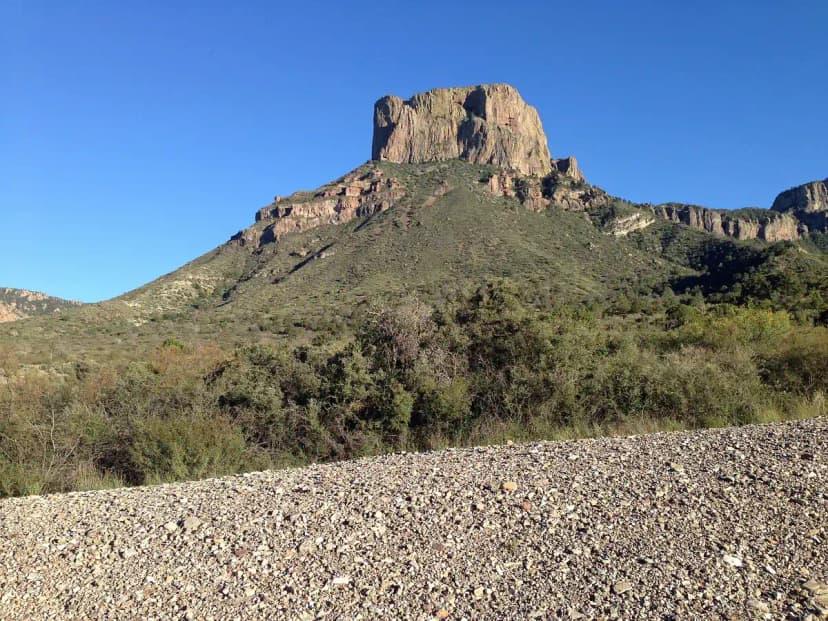
The Chisos Basin Campground is the crown jewel. Tucked into a high mountain bowl at around 5,400 feet, it sits 10 to 20 degrees cooler than the desert floor and puts you steps from the trailheads for the Window Trail, Lost Mine Trail, and the climbs to Emory Peak and the South Rim. The trade-off is the access road, a steep and winding drive that is not recommended for large RVs or long trailers. Sites are in high demand from fall through spring and should be reserved well in advance through Recreation.gov.
Rio Grande Village Campground
On the eastern side of the park, Rio Grande Village is the largest campground and the most amenity-rich, with shaded cottonwood sites, a camp store, and the only RV hookups in the park nearby. It is warmer than the Chisos, which makes it a great winter base, and it is close to the Boquillas Canyon trail, the hot springs, and the Boquillas border crossing into Mexico. Wildlife is abundant here, so store all food and scented items securely.
Cottonwood Campground
Quiet, small, and primitive, Cottonwood Campground sits near Castolon on the west side, close to Santa Elena Canyon. It has no generators allowed and no hookups, which makes it a peaceful, tent-friendly choice for travelers who want to be near the western canyon hikes and the Ross Maxwell Scenic Drive.
Backcountry and Roadside Camping
For solitude, Big Bend offers dozens of primitive roadside campsites along the dirt roads, plus high Chisos backcountry sites reached on foot. These require a backcountry permit, available from the visitor centers or in advance online. A few things to know before you commit:
- Many roadside sites require a high-clearance or 4WD vehicle, especially along the River Road and Old Ore Road
- You must be fully self-sufficient: there is no water at these sites and you pack out everything
- The high Chisos sites along the South Rim loop are spectacular but exposed, and seasonal bear and mountain lion closures sometimes apply
Reservations, Fees, and Tips
All three developed campgrounds use Recreation.gov for reservations, and the cooler months book out months ahead, with the Chisos Basin filling first. You also need a park entrance pass. A few practical tips for a smooth trip:
- Bring all your own water for desert sites; potable water is only at the main developed areas
- Pack layers, since high-country nights can drop near freezing even when the desert is warm
- Use a bear box or your vehicle for food storage, especially in the Chisos Basin
- Fuel up and stock groceries in Terlingua or Marathon before you arrive, since in-park supplies are limited
Once you have a campsite locked in, plan your hiking days around it. Our Big Bend itinerary sequences the Window Trail, Lost Mine, Emory Peak, and Santa Elena Canyon so you spend less time driving and more time on the trail.
Big Bend Camping Guide FAQs
Yes. All three developed campgrounds, Chisos Basin, Rio Grande Village, and Cottonwood, are reserved through Recreation.gov, and they book out months ahead in the cooler season. Backcountry and roadside sites require a separate permit.
The Chisos Basin Campground is best for hikers. It sits at about 5,400 feet, stays cooler than the desert, and is steps from the trailheads for the Window Trail, Lost Mine Trail, Emory Peak, and the South Rim.
Potable water is available only at the developed areas like Chisos Basin and Rio Grande Village. Backcountry and primitive roadside sites have no water, so you must bring everything you need and pack out all trash.