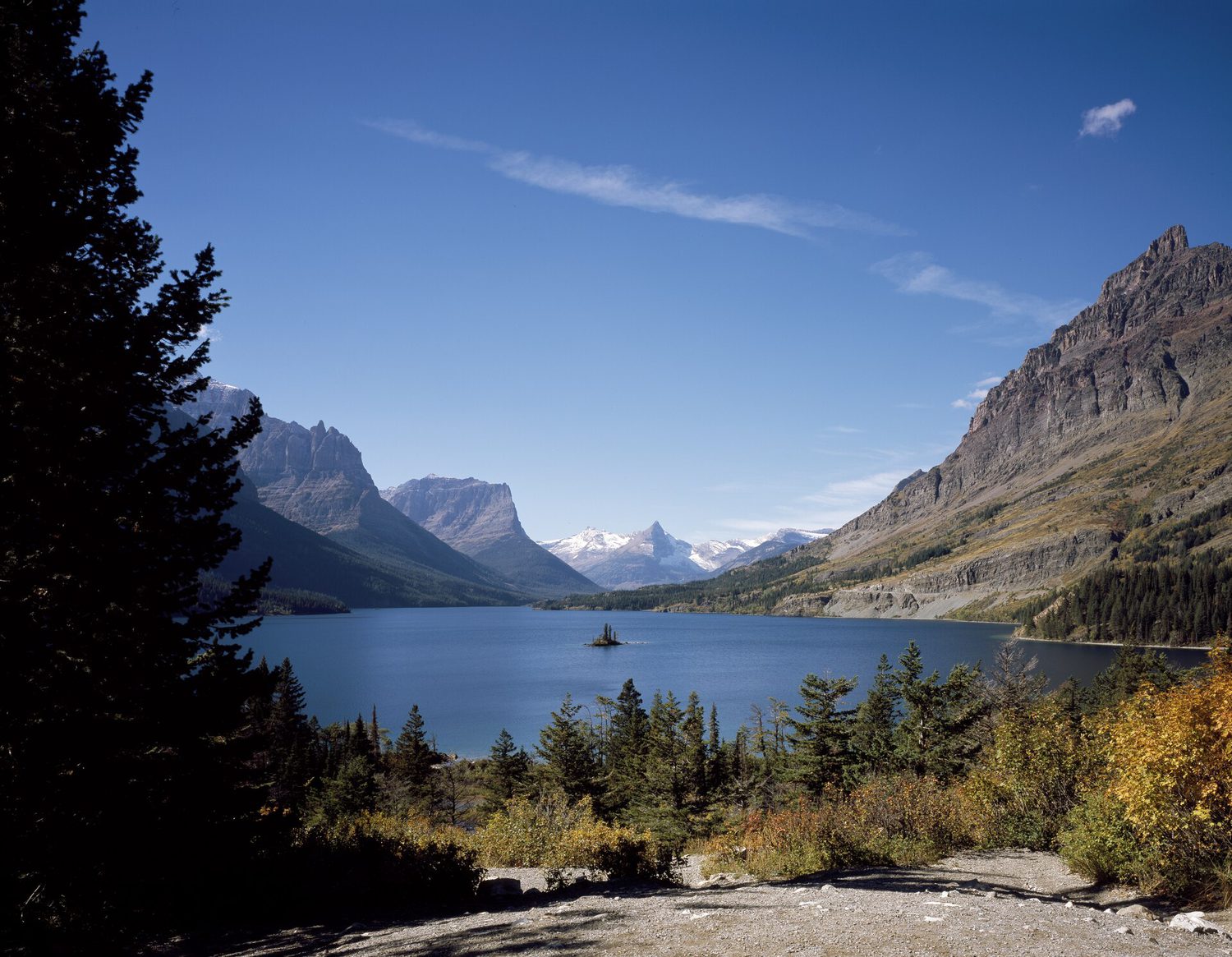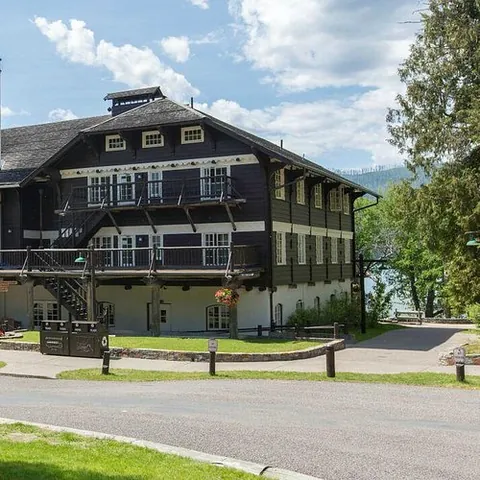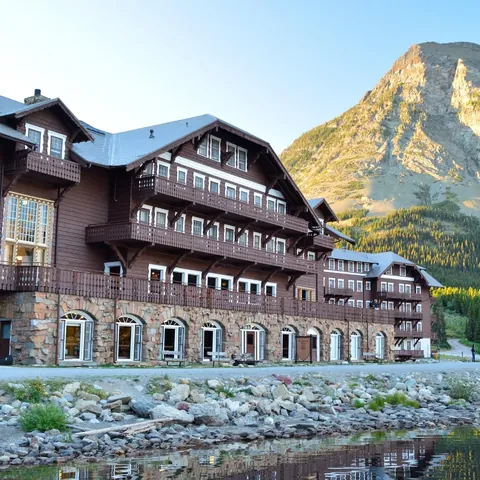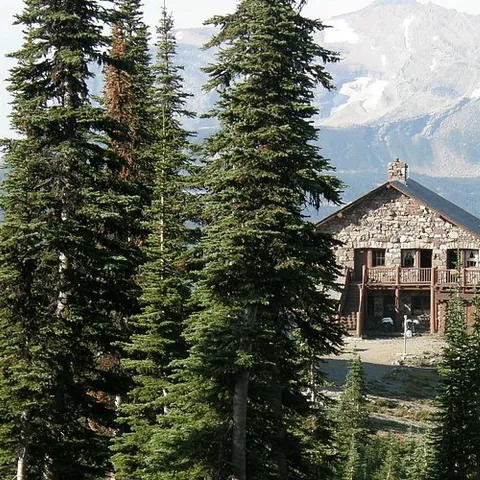
Season picker
Big Bend is a different park in each season. Pick when you can travel:
The best window of the year
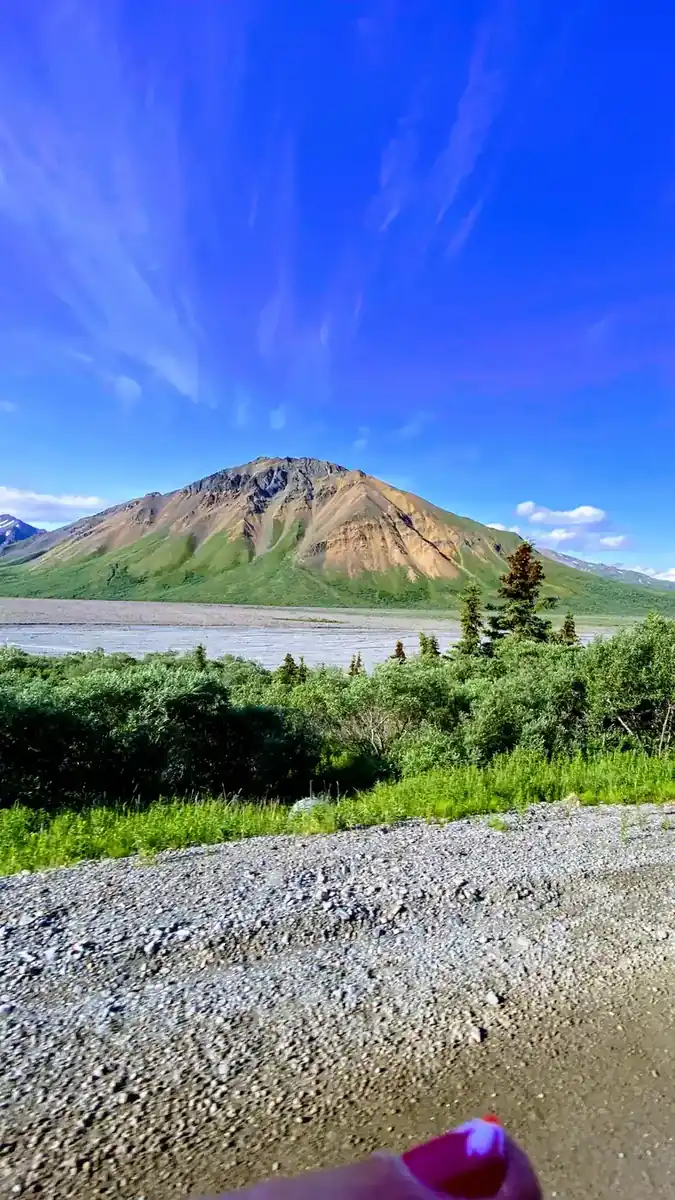
Highs in the 70s and 80s · crisp nights
The monsoon has greened the desert, crowds are lighter than spring, and the light along the Ross Maxwell Scenic Drive is excellent. The time to take on the South Rim and Emory Peak while the Chisos are pleasant.
Quiet, cheap and underrated
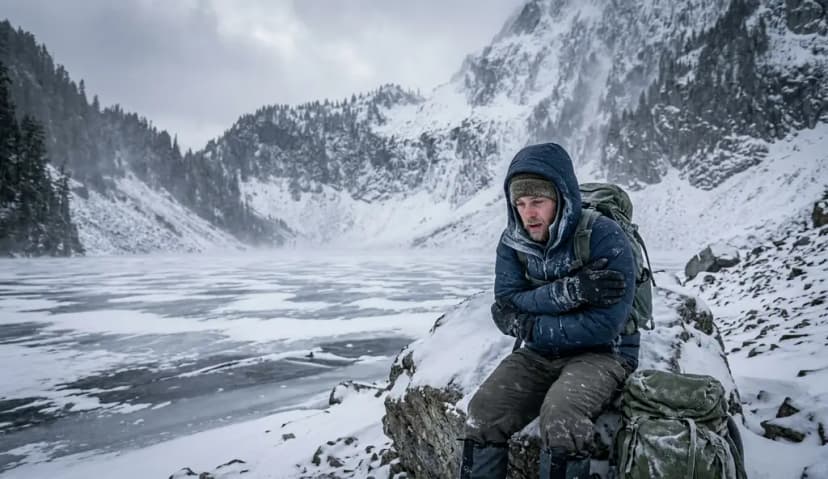
Desert floor in the 60s · freezing nights up high
The thinnest crowds of the year outside the holidays, and the best stargazing in some of the darkest skies in the country. The catch is the high country: the Chisos Basin drops below freezing at night and can get a dusting of snow, so high routes may be icy. Pack layers.
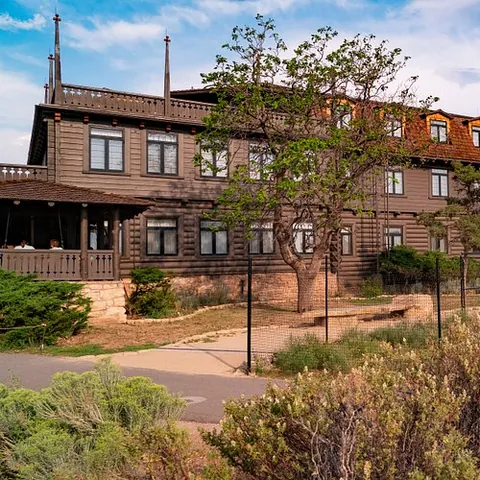
The most popular season, and the busiest
Warm in March, climbing fast by late April
In a wet year the desert blooms with bluebonnets, ocotillo and cactus flowers. The trade-off is crowds: spring break in March is the single busiest stretch, when the Chisos Basin campground and lodge book out months ahead and the parking lots fill by mid-morning. Reserve early or come on a weekday.
Approach with caution
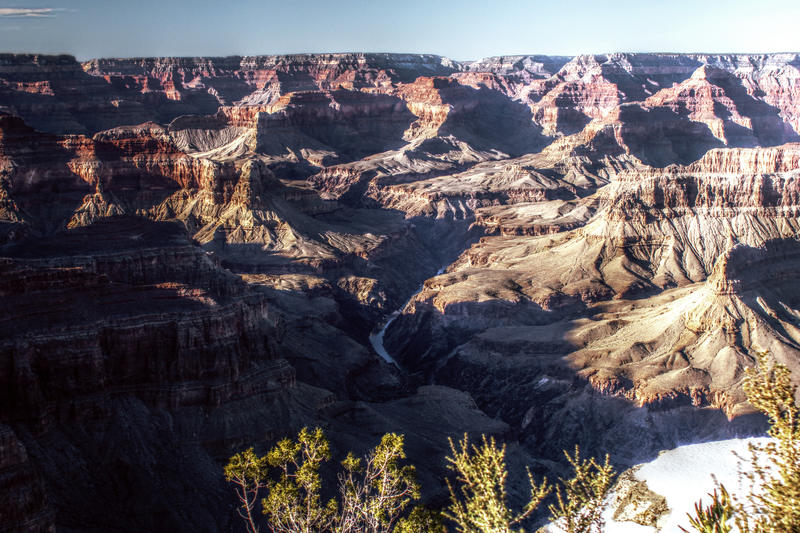
Desert temperatures regularly over 100°F
Heat-related rescues are common on exposed trails. There are still reasons to come: the Chisos stay 10 to 20 degrees cooler than the desert floor, July to September brings the monsoon and a flush of green, and rates and crowds are at their lowest. If you come in summer, hike at dawn and carry far more water than you think you need.
Every line here is taken from the season notes further down this guide, so the picker and the article cannot disagree.

Fall: October and November
Fall is arguably the finest window of all. The summer monsoon has greened the desert, daytime highs settle into the 70s and 80s, and nights are crisp. Crowds are lighter than spring, and the light is excellent for photography along the Ross Maxwell Scenic Drive. This is the time to tackle big-mileage routes like the South Rim and Emory Peak while the Chisos are pleasant.
Winter: December through February
Winter is quiet, cheap, and underrated. The desert floor often sees comfortable 60s during the day, perfect for hiking Santa Elena Canyon and the lower trails. The catch is the high country: the Chisos Basin can drop below freezing at night and occasionally gets a dusting of snow, so high routes may be icy. Pack layers. Key winter advantages:
- The thinnest crowds of the year outside the holidays
- Best stargazing, since Big Bend has some of the darkest skies in the country
- Cool, bug-free conditions for desert hikes and river trips
Spring: March through April
Spring is the most popular season, and for good reason. In a wet year the desert blooms with bluebonnets, ocotillo, and cactus flowers. Temperatures are warm but manageable in March, climbing fast by late April. The trade-off is crowds: spring break in March is the single busiest stretch, when the Chisos Basin campground and lodge book out months ahead and parking lots fill by mid-morning. Reserve early or visit on weekdays.
Summer: May through September
Summer is the season most visitors should approach with caution. Desert temperatures regularly exceed 100 degrees, and heat-related rescues are common on exposed trails. There are still good reasons to come:
- The Chisos Mountains stay 10 to 20 degrees cooler than the desert floor, so high-elevation hikes remain doable in the early morning
- July through September brings the monsoon, with dramatic afternoon thunderstorms and a flush of green
- Rates and crowds are at their lowest
If you visit in summer, hike at dawn, carry far more water than you think you need, and retreat to elevation or the river by midday.
Matching the Season to Your Goals
Choose your timing by what matters most to you. For long mountain hikes like the South Rim, pick October, November, or early spring. For desert canyons and the Rio Grande, winter is ideal. For wildflowers, gamble on March in a wet year. For solitude and stargazing, go in December or January. Whatever month you pick, build your days around the heat, starting hikes early and saving shaded or high-elevation trails for the afternoon. Our Big Bend itinerary shows exactly how to sequence the Window Trail, Lost Mine, Emory Peak, and Santa Elena Canyon so you are always hiking in the best conditions of the day.
Best Time to Visit Big Bend National Park FAQs
November is hard to beat. Daytime temperatures are mild in the 70s, the desert is still green from the summer monsoon, crowds are lighter than spring break, and the high Chisos Mountains trails are comfortable to hike.
The desert floor regularly tops 100 degrees in summer, which is dangerous on exposed trails. You can still visit by hiking the cooler Chisos Mountains at dawn, carrying extra water, and resting at elevation or the river during the hottest hours.
Spring break in March is the busiest stretch, when the Chisos Basin campground and lodge book out months ahead. Visit in late fall or winter for far thinner crowds.