Moab sits in the high desert of southeastern Utah at about 4,000 feet, wedged between Arches National Park and Canyonlands National Park with the Colorado River cutting through the red rock right at the edge of town. The scenery is unbeatable year round, but the weather swings hard between the seasons, and picking the right month makes the difference between a perfect trip and a miserable one. Here is how each season actually feels on the ground.
Spring (March to May): The Sweet Spot

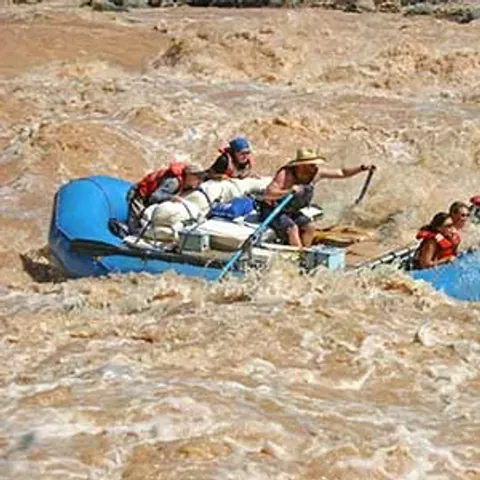
Spring is the single best window for most travelers. Daytime highs climb from the 60s in March to the 80s by late May, and the desert is at its most alive after winter. This is prime time to hike out to Delicate Arch in the morning, ride the Slickrock Bike Trail, or string together a multi-day paddle on the calm stretches of the Colorado.
- March: Cool mornings, comfortable afternoons, low crowds.
- April: Arguably the peak month, but expect company at Arches and book lodging early.
- May: Warm and reliable, with long daylight for full days outside.
If you want flatwater conditions and pleasant temperatures for being on the water, spring is also when our 3-day Moab and Lake Powell kayaking itinerary shines.
Summer (June to August): Hot and Crowded
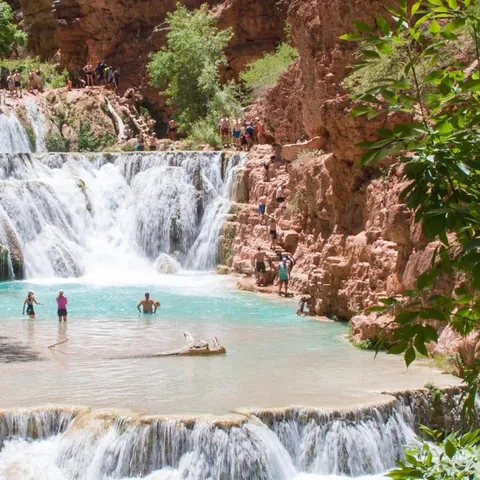
Summer in Moab is no joke. Daytime highs regularly hit 100 to 105 degrees, and exposed slickrock radiates heat that pushes the real-feel even higher. Hiking is still doable if you start at sunrise and finish by mid-morning, but afternoons are best spent in the shade or, better yet, on the water. The cool, deep water of Lake Powell and the shaded side canyons near Antelope Canyon become the smartest places to be when town is baking.
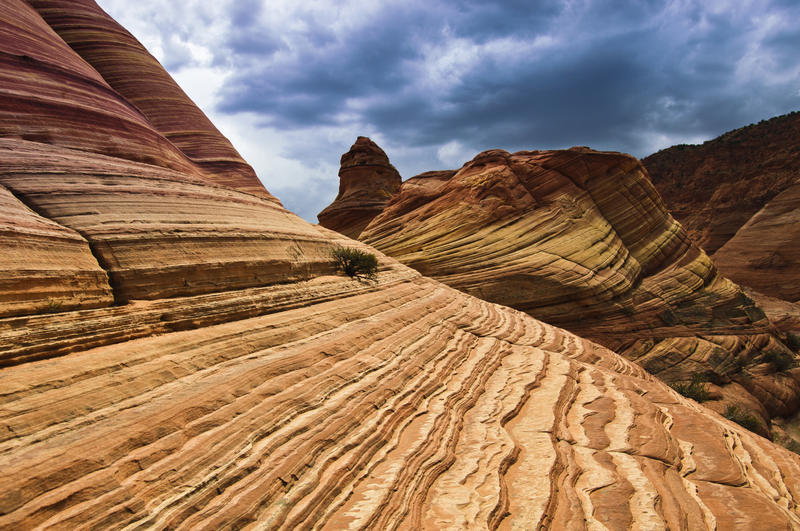
Watch for the summer monsoon from mid-July through August, when sudden afternoon thunderstorms can trigger flash floods in slot canyons and washes. Never enter a narrow canyon when storms are forecast anywhere upstream.
Fall (September to November): The Quiet Favorite
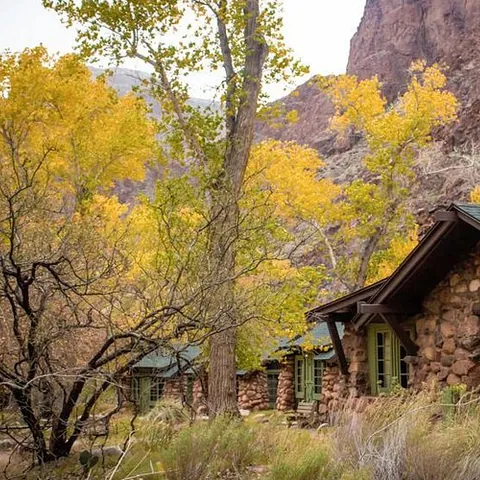
Many locals will tell you fall edges out spring. September still runs warm, but October cools into the 70s with crisp, clear air and golden cottonwoods along the riverbanks. Crowds thin noticeably after the summer rush, and the light gets long and warm, which is why photographers love this stretch.
- September: Warm days, great water temperatures still on Lake Powell.
- October: The ideal hiking month, with comfortable temps and fall color.
- November: Cooler and very quiet, with brisk mornings near freezing.
Winter (December to February): Solitude and Snow-Dusted Rock
Winter transforms Moab into a peaceful, almost private version of itself. Daytime highs sit in the 40s and 50s, nights drop below freezing, and a light dusting of snow on the red arches is genuinely stunning. Crowds vanish, lodging gets cheap, and you can have viewpoints to yourself. The tradeoff is short days, icy trail sections, and cold water that takes paddling off the table for most people.
Month-by-Month Quick Reference
If you only remember one thing: aim for April, May, September, or October. Those four months balance good weather, manageable crowds, and access to everything Moab offers, from desert hikes to river paddling. Avoid the July to August peak heat unless your plan is built around water and early starts.
Planning Tips Whatever the Season
Reservations matter more than ever. Arches National Park uses a timed-entry reservation system during the busy season, so check the latest requirements before you go. Lodging in town fills months ahead for spring and fall weekends. And no matter when you visit, carry far more water than feels necessary, because the dry desert air dehydrates you faster than you notice.
Best Time to Visit Moab: A Season-by-Season Guide for 2026 FAQs
April and October are the two strongest months. Both offer comfortable daytime temperatures in the 70s to low 80s, clear skies, and fewer extremes than summer or winter, making them ideal for hiking, biking, and paddling.
Summer highs routinely reach 100 to 105 degrees. You can still enjoy Moab if you start hikes at sunrise and spend hot afternoons on the cool water of Lake Powell or in shaded slot canyons, but it is the most demanding season.
Paddling is most comfortable from late spring through early fall, when air and water temperatures are warm. Winter is generally too cold for casual flatwater kayaking, and you should always check flows and weather before launching.