Glacier National Park Packing List: What to Bring by Season
West Glacier sits at about 3,200 feet and Logan Pass is much higher and routinely 10 to 15 degrees cooler, so pack for a mountain range even in midsummer. The non negotiables: a warm layer and a rain shell for every day, real hiking shoes, bear spray bought after you arrive because you cannot fly with it, and a printed or downloaded map, since most of the park has no cell signal. Our 3-day Glacier itinerary covers where to use all of it.
Clothing
- A warm layer for every day, including July. Glacier's high country stays 10 to 15 degrees cooler than the valley floor, and the park gets snow at lower elevations as early as mid-September some years.
- A waterproof rain shell. Mountain weather here changes fast, and a clear morning at Lake McDonald can turn to sleet at Logan Pass by early afternoon.
- A hat and gloves for early starts and anything above treeline, even in summer.
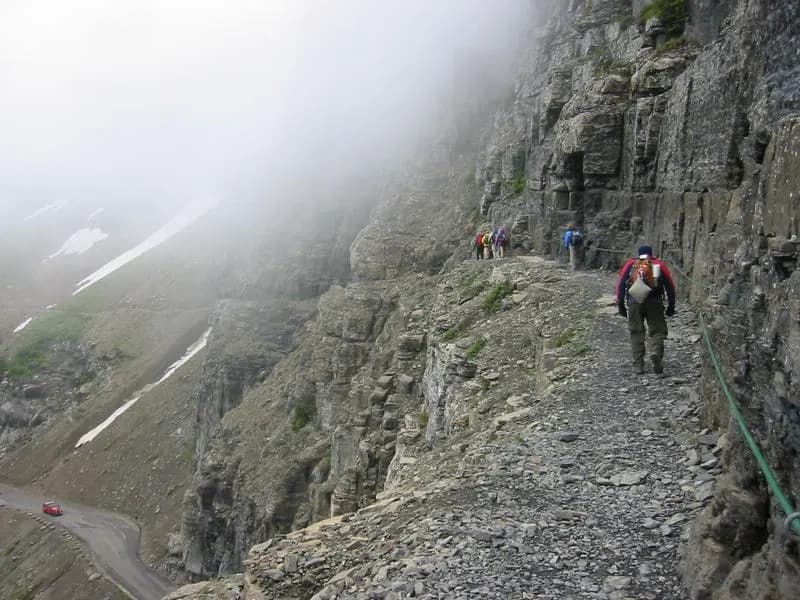
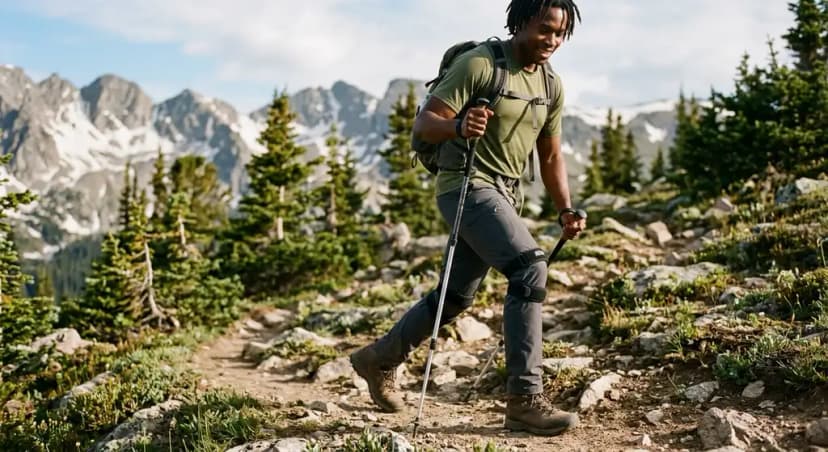
- Real hiking shoes with grip, not sandals or fashion sneakers. Trails around Avalanche Lake and the Highline have exposed roots, wet rock and packed snow well into the season.
- Sun hat and sunscreen. Above treeline the sun is stronger than the air temperature suggests, and there is little shade on trails like the Highline or Hidden Lake Overlook.
The Park Specific Things
- Bear spray. This is grizzly country. Buy or rent it in West Glacier, Whitefish, Kalispell or St. Mary once you arrive; airlines will not carry it in cabin or checked luggage. Keep it on your hip or a pack strap, not buried inside your bag, and know how to use it before you need to.
- Microspikes or traction devices for early season. Glacier holds an average of around 16 feet of snowpack a year, and high trails like the Highline and the route to Grinnell Glacier can carry hard-packed snow well into summer in a heavy year. Check current trail status at a visitor center before you go without them.
- A printed map or downloaded offline map. Cell coverage is thin to nonexistent across most of the park, including along Going-to-the-Sun Road, so do not count on your phone once you are past the entrance stations.
- A full tank of gas. Fuel stations inside the park are limited, and the drive between West Glacier and St. Mary around Going-to-the-Sun Road is long with few services.
- Water bottles and snacks. Food service inside the park is limited, especially outside the main lodges, and lines at popular stops build fast in July and August.
- Insect repellent for June and early July, especially near water and lower-elevation trails.
By Season
- Spring, April and May. Waterproof boots and gaiters. Going-to-the-Sun Road is still closed above the valley floor, and many trails are muddy, snow covered, or both.
- Summer, June to August. The layering kit above, plus insect repellent and strong sun protection. Going-to-the-Sun Road usually opens end to end by late June at the earliest; check the current status before you plan a trip around driving it.
- Fall, September and October. Add a proper insulated jacket. Going-to-the-Sun Road's alpine section typically closes around the third Monday of October, and snow can arrive at lower elevations by mid-September.
- Winter. A different trip. Insulated boots rated well below freezing, heavy gloves, and traction devices for icy trails and parking areas; most of the park's services and much of Going-to-the-Sun Road are closed to vehicles.
What to Leave at Home
- Drones. Not permitted in the park.
- Anything you are not prepared to carry out. Pack out all trash, including food scraps and fruit peels, since they draw bears to trails and campsites.
- Your dog, mostly. Pets must stay on-leash in developed areas, campgrounds and along roads, and are not allowed on park trails or in the backcountry.
See our how many days you need in Glacier guide for planning the trip itself, our camping guide if you are sleeping in the park rather than a lodge, and our 3-day Glacier itinerary for where to use everything on this list.
Glacier National Park Packing List: What to Bring by Season FAQs
Yes. Glacier has both grizzly and black bears, and bear spray is standard gear on any trail. Buy or rent it once you arrive in West Glacier, Whitefish, Kalispell or St. Mary, since airlines will not carry it in cabin or checked luggage.
Sometimes. High trails like the Highline and the route to Grinnell Glacier can hold packed snow into July in a heavy snow year, since the park averages around 16 feet of snowpack. Check current trail conditions at a visitor center before you rely on going without them.
Coverage is thin to nonexistent across most of the park, including along Going-to-the-Sun Road. Download offline maps before you arrive rather than counting on your phone.
A warm layer and a rain shell even in midsummer, since the high country runs 10 to 15 degrees cooler than the valley floor and weather changes fast. Add real hiking shoes, sun protection, bear spray and insect repellent.
Dogs are not allowed on park trails or in the backcountry at all, so there is no trail gear to pack for them. They can stay leashed in developed areas, campgrounds and along roads.
Yes. The worked day-by-day plan is Best Day Hikes in Glacier National Park: 3-Day Weekend (3 Days), with the permits, the stays and the drive times already sorted. Tell us your dates and we will put it together for you and confirm what is genuinely open on those days. Asking is free: no card, no deposit, and nothing is held until you say yes.