Fall Colors in Glacier National Park: Larches, Aspens and Timing
Glacier's fall color runs in two waves: cottonwoods and aspens in the valleys turn gold from mid to late September, and western larch, the park's real fall spectacle, turns a deep gold in the last two to three weeks of October. Going-to-the-Sun Road's alpine section usually closes around the third Monday of October, so plan a larch trip around the lower, year-round sections of the park rather than the high pass. Our 3-day Glacier itinerary works for a September trip built around aspen color.
When Do Fall Colors Peak in Glacier National Park?
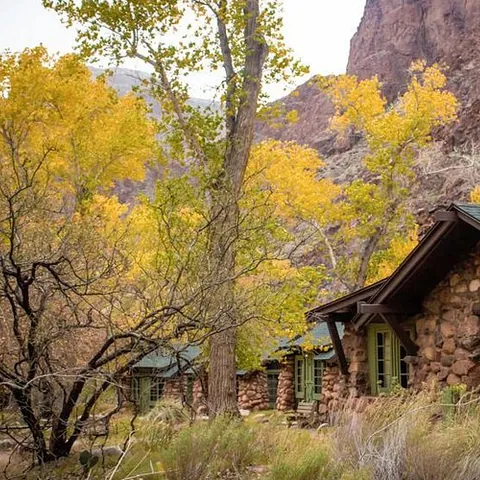
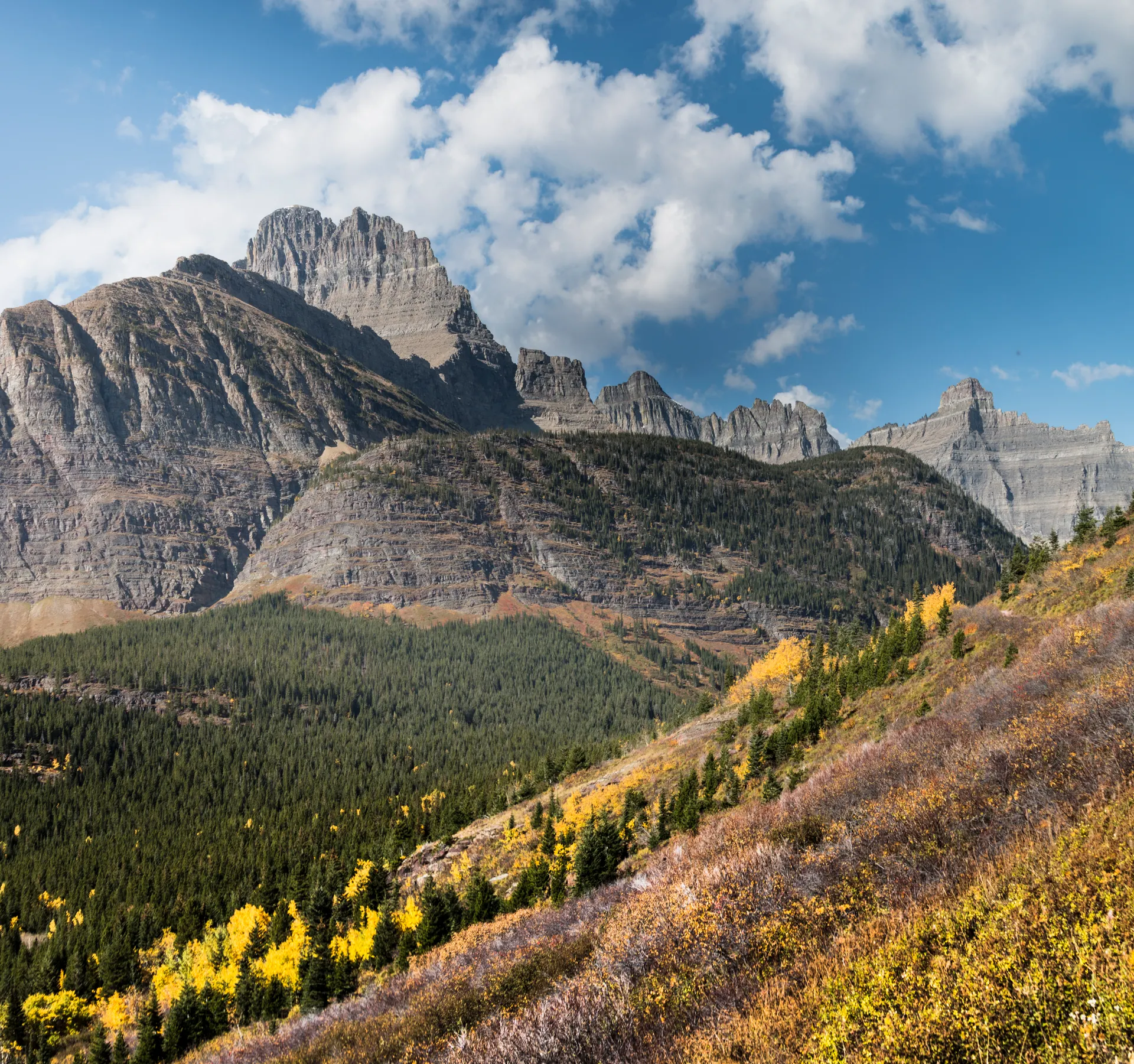
Two different plants carry Glacier's fall color, and they peak at different times. Quaking aspen and black cottonwood along the valley bottoms, at McDonald Creek, the North Fork and around Apgar, turn yellow first, typically from mid to late September. Western larch, a deciduous conifer that drops its needles every winter, turns later and is the color most people mean when they talk about Glacier in the fall: a deep, almost glowing gold that shows up against the still-green spruce and fir around it. Larch typically peaks in the last two to three weeks of October, though the exact week shifts with the year's weather, an early frost can pull it forward and a warm fall can push it back.
Where to See Larch in Glacier
- McDonald Valley and the Apgar area. Western larch grows at lower and mid elevations on the park's west side, and this is the most accessible stretch, reachable on the section of Going-to-the-Sun Road that stays open past the alpine closure.
- The North Fork. The quieter road up toward Polebridge runs through larch forest and gets a fraction of the park's fall traffic.
- Two Medicine, east side. Larch also grows on the park's east side, with color that can run slightly ahead of or behind the west side depending on elevation and exposure.
Larch does not hold its color long once it turns. A tree that looks green one week can be bare within two, so if you are planning around a specific date, check a current-year fall color report if the park or the Flathead National Forest publishes one that season, rather than relying on last year's calendar dates.
What Is Open in Late Fall
This is the real planning constraint. Going-to-the-Sun Road's alpine section, the part over Logan Pass, usually does not open until late June at the earliest and typically closes for the season around the third Monday of October, right in the middle of peak larch color most years. Once it closes, Logan Pass and the high country are only reachable by foot or ski, not by car. Lodging and services inside the park also wind down through October; most in-park lodges and many facilities close for the season well before November, so check current dates before you book rather than assuming a summer-season schedule.
Wildlife in the Fall
Fall is also when bears feed heavily ahead of winter, so expect more bear activity along trails with berries and near open meadows, and carry bear spray the same as you would in summer. Elk bugling picks up in September and into October in the lower valleys, and this is one of the better windows for spotting mountain goats and bighorn sheep moving to lower elevations as snow builds up high.
Planning a Fall Trip
For aspen and cottonwood color, plan for mid to late September, while Going-to-the-Sun Road is still fully open and the park is at its full-service summer schedule. For larch, plan for the last two to three weeks of October and build the trip around the lower, west-side roads rather than the alpine pass, since that section is usually already closed by the time larch peaks. Either way, weekdays are noticeably quieter than weekends once school is back in session, and mornings are calmer light for photos regardless of which color you are chasing. For the September window, our 3-day Glacier itinerary still covers the park end to end.
Fall Colors in Glacier National Park: Larches, Aspens and Timing FAQs
Typically in the last two to three weeks of October, though the exact timing shifts a week or more depending on that year's frost and weather. This is usually after Going-to-the-Sun Road's alpine section has already closed for the season.
McDonald Valley and the Apgar area for the easiest access, the North Fork toward Polebridge for a quieter drive, and Two Medicine on the east side. All three have western larch at lower to mid elevations.
The lower sections usually stay open, but the alpine section over Logan Pass typically closes around the third Monday of October, which is often right in the middle of peak larch season. Check the park's current road status before you go.
Aspens and cottonwoods in the valley bottoms turn yellow first, mid to late September. Western larch, a conifer that drops its needles every fall, turns later, usually in the last two to three weeks of October, and is the deeper gold color most people associate with Glacier in autumn.
Yes. Bears feed heavily in the fall ahead of winter and are often active along berry-heavy trails and open meadows. Carry bear spray on every hike, the same as you would in summer.
Yes. The worked day-by-day plan is Best Day Hikes in Glacier National Park: 3-Day Weekend (3 Days), with the permits, the stays and the drive times already sorted. Tell us your dates and we will put it together for you and confirm what is genuinely open on those days. Asking is free: no card, no deposit, and nothing is held until you say yes.