Death Valley holds the record for the hottest air temperature ever measured on Earth, 134F at Furnace Creek in 1913. That single fact tells you most of what you need to know about timing a trip: the season you choose matters more here than at almost any other national park. Visit at the wrong time and you risk heat that can be life-threatening within hours. Visit at the right time and you get warm, sunny days, crisp nights, and trails you can actually enjoy. Here is the best time to visit Death Valley, broken down season by season.
Winter: December through February

Winter is the most comfortable and arguably the best time to visit Death Valley. Daytime highs at Furnace Creek typically sit in the upper 60s, and nights drop into the 40s, occasionally near freezing. The low desert floor is finally cool enough to hike, which is why our Death Valley winter hiking itinerary packs Badwater Basin, Golden Canyon, and the Mesquite Flat Dunes into three short days. The higher elevations around Telescope Peak may carry snow, and clear winter air gives the longest views across the basin. Crowds peak around the December and February holiday weekends, so book lodging in Furnace Creek and Stovepipe Wells well ahead.
Spring: March through April
Spring is the second-best season and the only realistic window for the park's famous wildflower bloom. After a wet winter, hillsides along Badwater Road and the alluvial fans can erupt with gold and purple blossoms, though a true superbloom happens only every few years. Temperatures climb steadily from the 70s in March into the 90s by late April, so plan hikes for the early morning. This is also a popular time, with photographers chasing the flowers and spring break travelers filling the campgrounds.
Summer: May through September
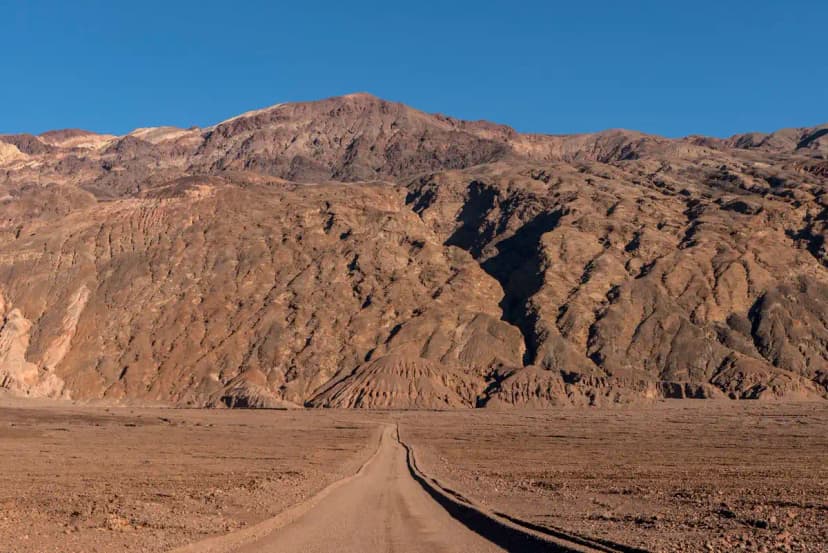
Summer is when Death Valley earns its reputation. Daytime highs routinely exceed 115F and have topped 120F many times. The National Park Service warns visitors not to hike below sea level after 10 a.m. during these months, and most ranger-led activities shut down. If you must visit in summer, stay in your car, drive the scenic routes like Artists Drive, and carry far more water than you think you need. Vehicle breakdowns in this heat are a genuine emergency given the long distances between services.
Fall: October through November
Fall mirrors spring in reverse. October still carries summer heat early in the month, but by November the temperatures settle into the comfortable 70s and the crowds thin out. Late fall is a quiet, underrated time to explore, with warm days, cool nights, and dramatic low-angle light for photography.
Quick Season Comparison
Use this at-a-glance summary to match your priorities to the calendar:
- Best for hiking: December through February, when the valley floor is cool
- Best for wildflowers: mid-March through mid-April after a wet winter
- Best for solitude: November and early December
- Worst for everything: June through August, when extreme heat closes most activities
Planning Tips Whatever the Season
No matter when you go, fill your gas tank at Furnace Creek or Stovepipe Wells whenever you can, download offline maps because cell service is unreliable, and always carry extra water in the vehicle. Check the forecast before you leave, since a hot day in spring or fall can be as punishing as a typical summer day. Time your trip for winter and you will see why so many travelers call it the most beautiful desert in the country.
The Best Time to Visit Death Valley FAQs
December through February offers the most comfortable temperatures for hiking, with daytime highs in the 60s. March is best if you are hoping to catch the wildflower bloom.
It can be done but requires extreme caution. Summer highs routinely top 115F, the Park Service advises against hiking below sea level after 10 a.m., and a vehicle breakdown can become a life-threatening emergency.
Wildflowers typically bloom from mid-March through mid-April, but a strong display depends on adequate winter rain. A true superbloom happens only once every several years.