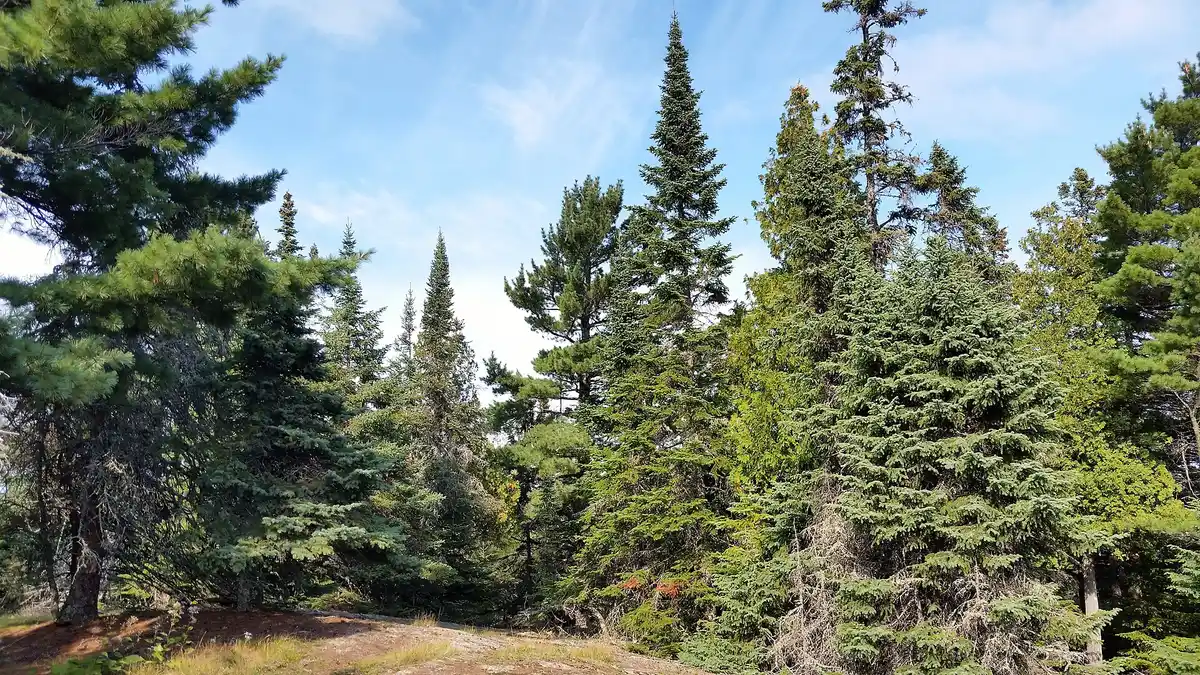
The Superior Hiking Trail is good in any green month, but if you are choosing one window, aim for fall. From mid-September into mid-October the ridges above Lake Superior light up with sugar maple reds and aspen and birch golds, and the bugs that plague June are long gone. Here is exactly when to come and where to point your boots.
When Fall Colors Peak on the North Shore

Peak timing shifts by elevation and how far north you are. As a rule of thumb:
- Mid to late September: the inland maple ridges near Lutsen, Tofte, and the Sawbill area turn first and turn brightest.
- Late September to early October: the heart of the season across most of the trail from Silver Bay to Grand Marais.
- Early to mid October: the lakeside birch and aspen near Duluth and Two Harbors hold on latest.
The higher inland overlooks color up a week or so ahead of the cooler shoreline, so if you arrive early, hike up; if you arrive late, stay low near the lake.
Best Overlooks for Leaf-Peeping
Some sections deliver outsized color for the effort. Oberg Mountain near Tofte is the single most famous fall hike on the North Shore, a 2.3-mile loop with overlooks of maple basins and Lake Superior, and it gets packed on October weekends. Nearby Leveaux Mountain offers a similar payoff with fewer people. Farther north, Carlton Peak above Temperance River rewards a steeper climb with a 360-degree summit. All three connect to or sit beside the main trail.
Season by Season Weather
Fall on the trail means swings. September days run pleasant in the 60s Fahrenheit, but October nights can dip below freezing, especially at backcountry campsites on the ridges. Lake-effect clouds roll in fast, and a sunny morning can turn to cold rain by afternoon. Pack layers, a real rain shell, gloves, and a sleeping bag rated to at least the 20s if you camp.
How Fall Compares to Other Seasons
Spring (May to early June) is muddy, with snowmelt-charged rivers and the season's worst black flies and mosquitoes. Summer (late June through August) is warm and green but humid and buggy, with the most crowded campgrounds. Fall is the sweet spot: firm trails, cool air, no bugs, and color. Winter is its own discipline, beautiful but demanding, with snowshoes or microspikes and short daylight.
Planning a Fall Trip
Foliage forecasts from the Minnesota DNR update weekly through September and October, so check before you commit. Book lodging and state-park campsites months ahead, because Grand Marais, Lutsen, and Tofte sell out for peak weekends. Start hikes early to claim parking at Oberg, and carry traction for frosty boardwalk and stair sections.
Best Day-Hike Segments for One Fall Weekend
If you only have a couple of days, skip the thru-hike logistics and cherry-pick the highest-color segments. A few standouts, north to south:
- Oberg to Leveaux (Tofte area): pair both loops in a single morning for back-to-back maple overlooks; arrive before 8 a.m. on weekends to beat the lot filling up.
- Temperance River to Carlton Peak: roughly 3 miles each way along a gorge, climbing to bare-rock summit views over a sea of color.
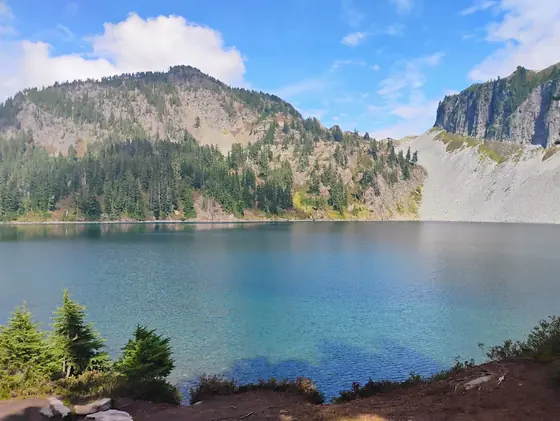
- Bean and Bear Lakes loop (Silver Bay): about 6.5 miles, with two clifftop lakes that turn an intense red-orange in late September.
- Section near Grand Marais (Pincushion Mountain): short, open ridges that color a bit later, good for early-October trips.
Most of these tie directly into the main Superior Hiking Trail, so you can extend any of them into a longer point-to-point day if you set up a car shuttle.
Logistics: Shuttles, Parking, and Permits
The SHT runs roughly 310 miles, and there is no fee to hike it, which is rare for a trail this good. There is also no permit required and no reservation system for the trail's backcountry campsites, which are first-come, first-served. The catch is that peak fall weekends fill those sites fast, so have a backup site in mind and start hiking early. For point-to-point days, the Superior Shuttle runs on weekends from spring through mid-October between major trailheads; confirm the final fall date before you plan, because service ends right around peak color. Leave a dashboard note with your plates at trailheads, and never block gates or fire lanes at the smaller pull-offs.
What to Pack for a Fall Hike
Cold-and-wet is the real hazard up here, not the distance. A reliable fall kit looks like this:
- Layers: a wool or synthetic base, an insulating midlayer (fleece or light puffy), and a waterproof shell. Skip cotton entirely.
- Traction: microspikes weigh almost nothing and save you on frosty wooden stairs and boardwalk planks, which are everywhere on the SHT.
- Light: a headlamp, because daylight shrinks fast in October and you may finish in the dark.
- Water and a filter: streams flow well in fall but should still be treated.
- Navigation: a downloaded offline map and the SHTA trail guide; cell coverage is patchy along the ridges.
Add gloves, a warm hat, and a hot drink in a thermos, and a crisp fall morning on the ridge becomes the highlight of the trip rather than a survival test.
Photography and Timing the Light
Color photographs best in soft, flat light, so an overcast morning that feels gloomy is actually ideal for saturated maples without harsh shadows. Shoot the Oberg and Leveaux basins in the first hours after sunrise when the wind is calm and the lake is still. For the classic Lake Superior backdrop, position yourself on a west-facing overlook in the late afternoon so the low sun rakes across the foliage. A light rain the night before deepens the reds, so do not write off a damp forecast.
If you want a structured way to catch peak color across the best stretches, follow this 4-day Superior Hiking Trail itinerary and shift your dates toward the last week of September for the highest odds of full color.
Best Time to Hike the Superior Hiking Trail for Fall Colors FAQs
Generally late September through early October. Inland maple ridges near Tofte and Lutsen peak first in mid to late September, while lakeside birch and aspen near Duluth hold color into mid October.
Oberg Mountain near Tofte is the most popular, a 2.3-mile loop overlooking maple basins and Lake Superior. Leveaux Mountain and Carlton Peak are excellent, less crowded alternatives.
For most hikers, yes. Fall brings firm trails, cool temperatures, no biting insects, and vivid foliage, avoiding the mud of spring and the heat and bugs of summer.