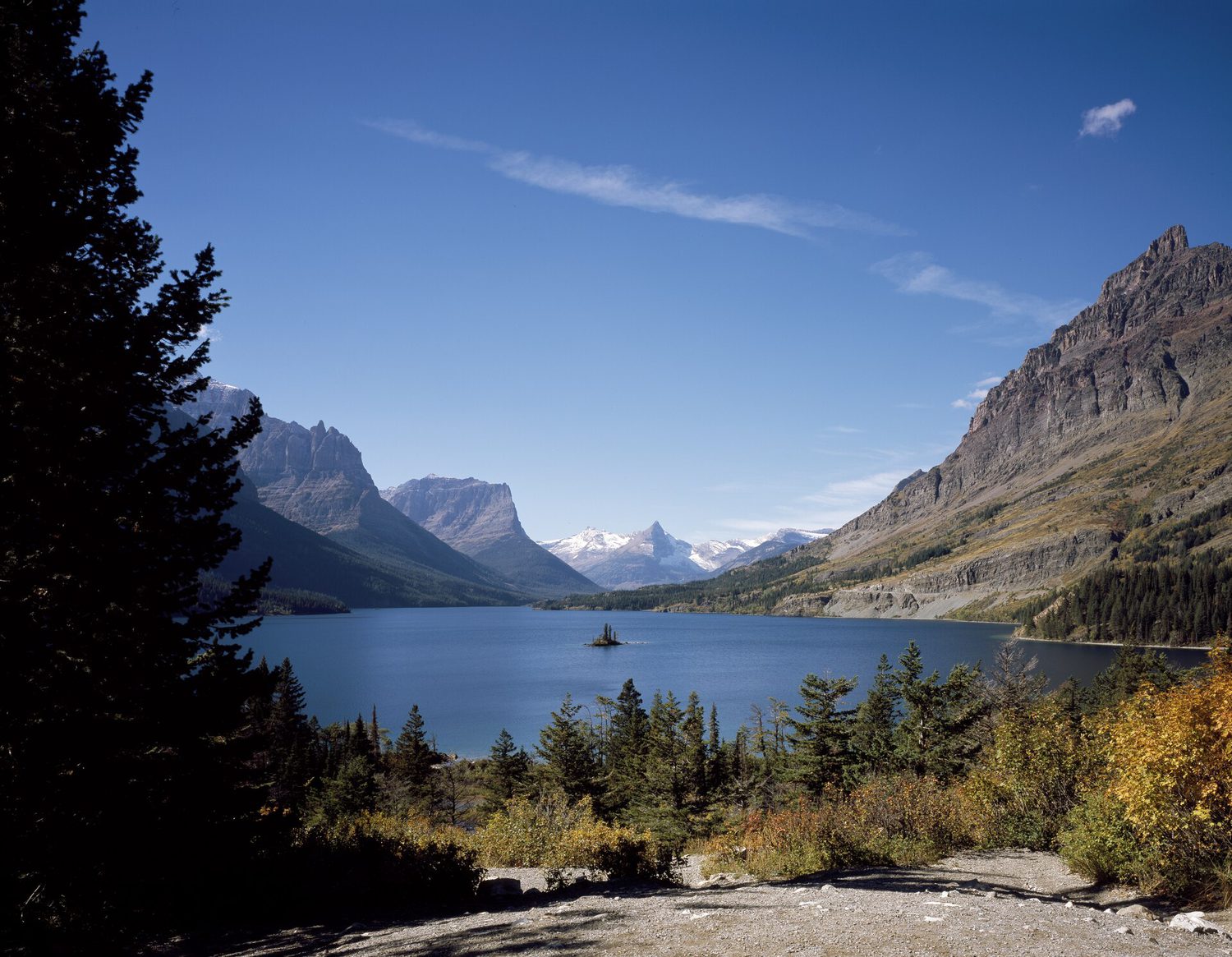
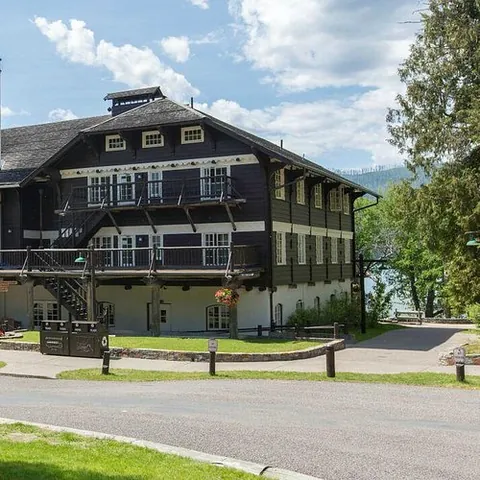
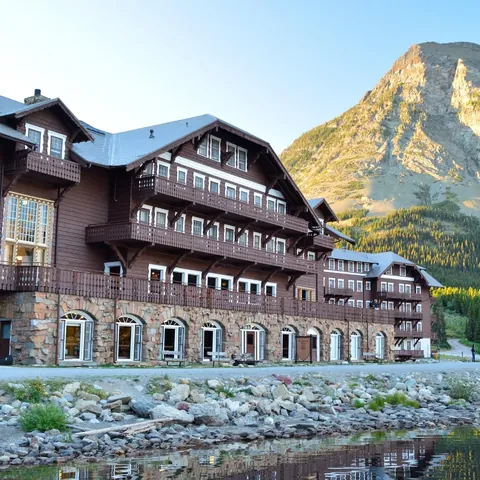
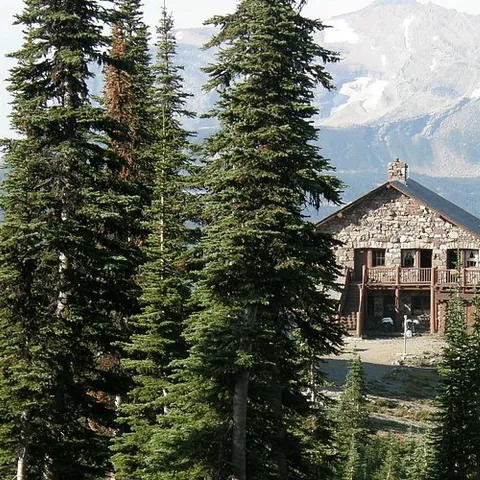
One of the things that makes the Superior Hiking Trail special is its camping system. Stretched along the trail are roughly 90 designated backcountry campsites, and most of them are completely free and require no reservation. That generosity is rare among long-distance trails, and it is what lets hikers piece together everything from a one-night overnight to a full thru-hike without paperwork. Here is how SHT camping actually works and how to do it right.
How the Backcountry Campsites Work
The trail's designated sites are first come, first served and free for the public. Each site typically has a few tent pads, a backcountry latrine, a fire ring, and bear-hang options or, increasingly, hardware for storing food. You cannot reserve them, and you cannot camp wherever you want along the corridor. Stay only at the marked sites to protect the trail and the private and state land it crosses. On busy fall weekends near popular trailheads, the closest sites fill early in the afternoon, so plan to push to a second-choice site if needed.
The Most Popular Sites
A few campsites are destinations in their own right. Some of the most sought-after include:
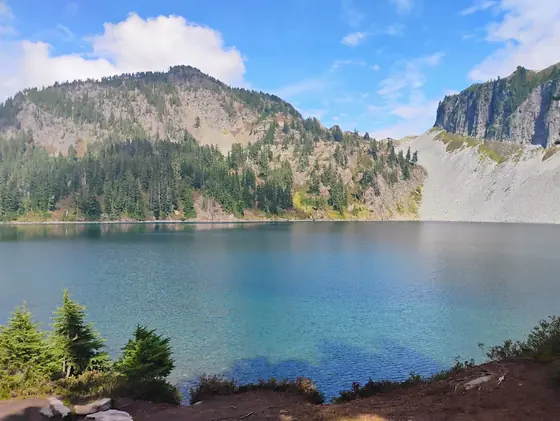
- Bean and Bear Lakes: cliff-top sites above two of the bluest lakes on the trail, near Silver Bay.
- Section 13: a dramatic overlook camp near Beaver Bay popular with weekenders.
- Crow Creek and the Manitou River sites: deep-forest river camps in the Tettegouche area.
- Sites near the Temperance River: good water access and proximity to Carlton Peak.
Because these fill fastest, midweek trips and shoulder-season visits give you far better odds of landing the view sites.
Water, Food, and Bears
Water is generally plentiful from the rivers and creeks the trail crosses, but it must be filtered or treated. Some ridgetop stretches run dry in late summer, so check current water reports before a hot-weather trip. Black bears live throughout the North Shore, so hang or properly store all food and scented items away from your tent. Keep a clean camp and pack out everything, including food scraps.
If You Prefer a Campground
Not everyone wants to backpack. The North Shore has excellent drive-in state park campgrounds that put you minutes from SHT trailheads. Tettegouche, Gooseberry Falls, Temperance River, and Cascade River State Parks all offer reservable car-camping sites with water and toilets, and several have walk-in or cart-in tent sites for a quieter feel. These require a Minnesota state park vehicle permit and a campsite reservation through the state park system. Basing at a campground and doing day hikes onto the SHT is a great low-stress way to experience the trail.
Best Season for Camping
Camping season effectively runs from May through October. June brings black flies, July and August are warm and buggy in the lowlands but glorious on the ridges, and late September delivers crisp nights and unmatched fall color. Bring a warm sleeping bag even in summer, because clear nights near Lake Superior get cold fast.
Plan the Whole Trip
If you want to combine backcountry nights with the trail's best overlooks and a soft bed or two in between, our 4-day Superior Hiking Trail itinerary maps out a route that balances camping, day hikes, and town stops in Tofte, Silver Bay, and Grand Marais. It is the easiest way to turn the SHT's free campsite system into a smooth, well-paced North Shore adventure.
Superior Hiking Trail Camping FAQs
No. The roughly 90 designated backcountry campsites along the Superior Hiking Trail are free and first come, first served. You only need reservations for nearby drive-in state park campgrounds.
Yes, black bears live throughout the North Shore. Always hang or properly store food and scented items away from your tent and keep a clean campsite.
No. Camping is allowed only at the marked designated campsites. Dispersed camping is not permitted because much of the trail crosses private and state land.