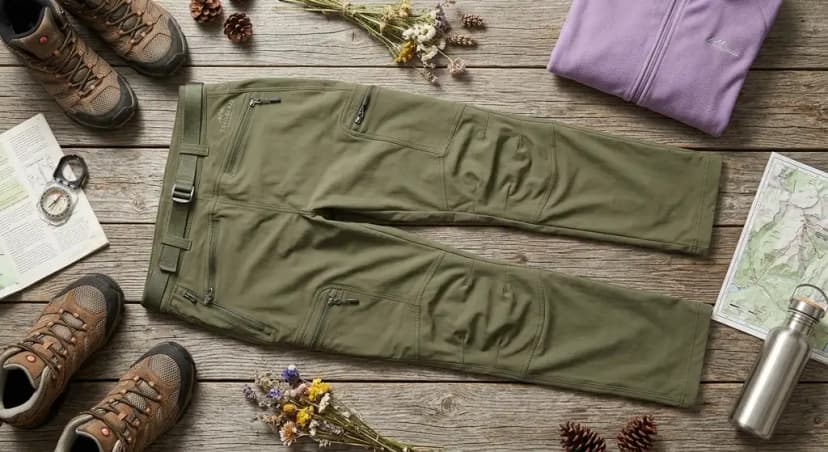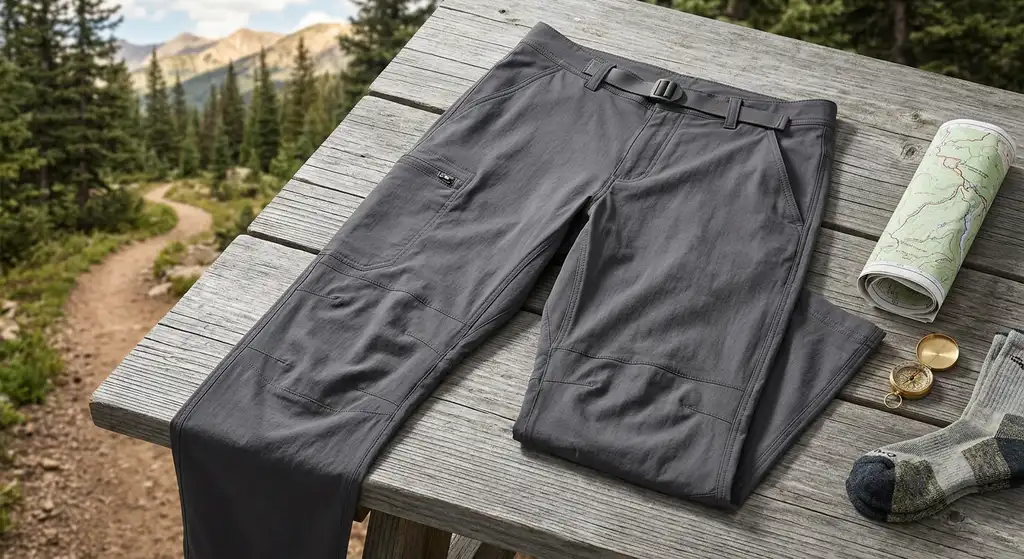
Great hiking pants combine mobility, durability, and weather resistance without looking like you just escaped a wilderness survival course. The best men's hiking pants are technical enough for mountain conditions and versatile enough to wear off-trail too. Whether you favor lightweight summer styles or rugged zip off convertibles, the right pair disappears on your legs and lets you focus on the trail. Here are the top picks for 2025, plus the buying details that actually matter.
What to Look for in Men's Hiking Pants
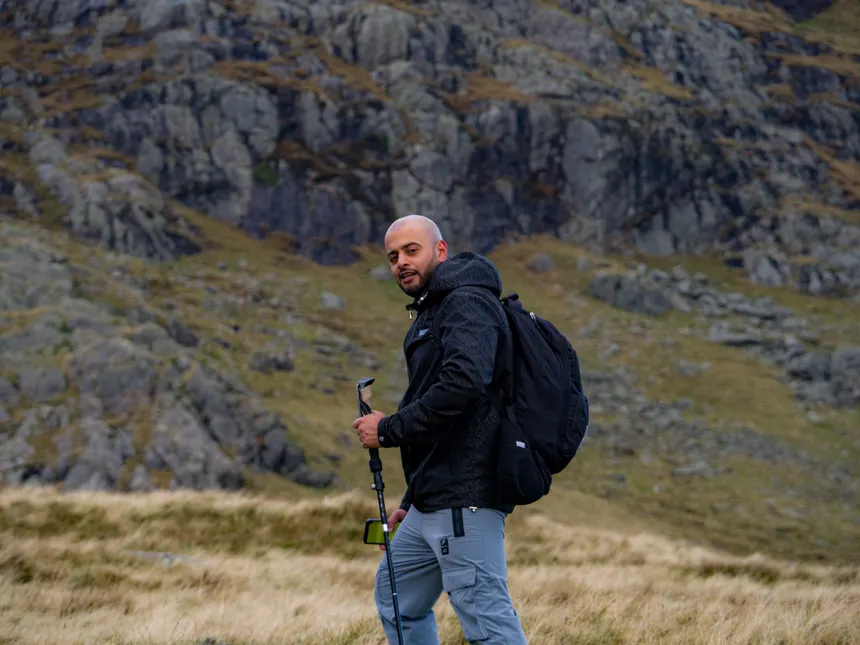
- Four-way stretch fabric -- allows full leg movement on steep terrain and high steps
- Articulated knees -- pre-shaped to reduce binding when climbing or scrambling
- DWR finish -- water-repellent treatment sheds light rain and morning dew
- Secure pockets -- zip hip pockets for valuables; cargo pockets for trail snacks
- UPF rating -- 30+ for sun-exposed desert and alpine trails
- Gusseted crotch -- a diamond panel that removes the seam stress point during big strides
Top Men's Hiking Pants
- Prana Stretch Zion -- legendary durability with a casual look. Articulated, four-way stretch, fits and moves like a good pair of jeans but handles trail abuse. Best all-around pick.
- Outdoor Research Ferrosi Pants -- lightweight, wind-resistant softshell with excellent moisture management. Great for year-round use.
- Columbia Silver Ridge Convertible -- budget-friendly, zip-off convertible design. UPF 50+, quick-dry. Best value pick.
- Arc'teryx Lefroy Pant -- ultra-lightweight nylon for warm-weather trail running and fast hiking. Premium construction and fit.
- Kuhl Renegade Pants -- DWR coated, 8-pocket design, gusseted crotch. The favorite for hikers who carry a lot on the trail.
Convertible vs. Standard
Convertible pants save pack weight on trips where conditions change dramatically (hot days, cool evenings). For most hikers, a well-ventilated standard pant is more comfortable and more versatile. Bring shorts separately if the heat demands it. The downside of zip offs is a bulky knee seam where the legs detach, which can chafe on long days, so try them on and walk a few flights of stairs before committing.
Lightweight vs. Heavyweight: Reading the Fabric
Fabric weight is the single number that predicts how a pant performs, yet most brands bury it. As a rule of thumb, under about 5 ounces per pant runs lightweight and fast-drying, while 9 ounces and up signals an abrasion-resistant workhorse.
- Lightweight nylon (4 to 6 oz) -- the Arc'teryx Lefroy and Silver Ridge dry in under an hour and breathe well, but snag more easily on granite and sage.
- Midweight softshell (7 to 9 oz) -- the OR Ferrosi splits the difference, shrugging off wind and brush without overheating on the climb.
- Heavyweight stretch canvas (9 oz and up) -- the Prana Zion and Kuhl Renegade take years of scree, bushwhacking, and pack-strap rub before showing wear.
How to Choose by Climate and Season
Match the pant to where and when you hike. Fabric weight, measured in grams per square meter or simply by feel, is the single biggest comfort factor across seasons.
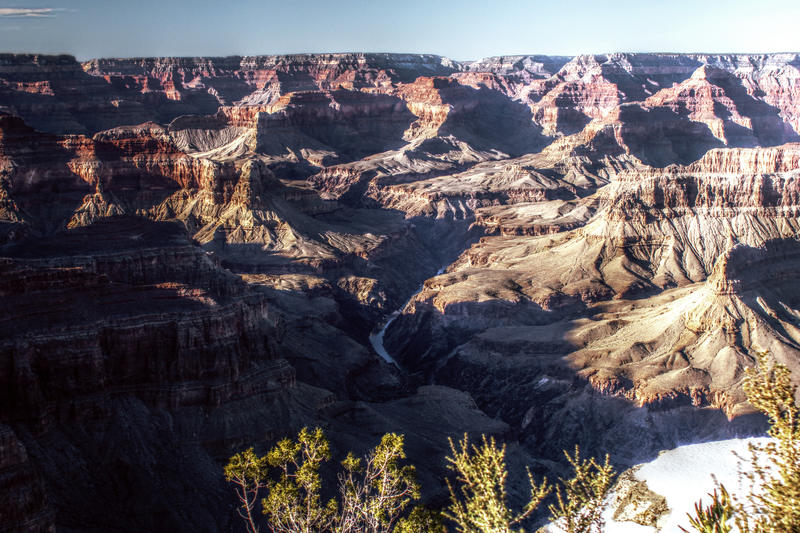
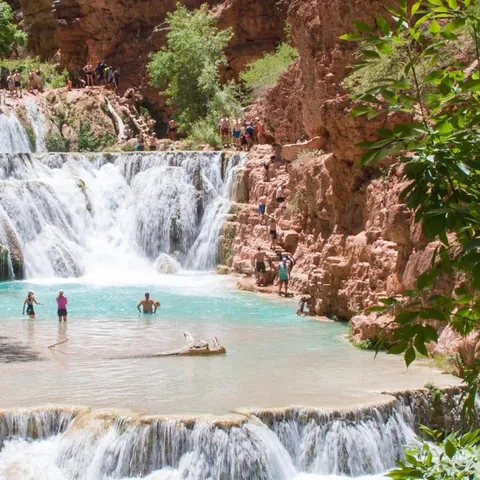
- Hot desert and summer (Moab, Grand Canyon, Joshua Tree) -- choose lightweight, light-colored nylon with UPF 50+ and roll-up cuffs. Convertibles shine here. The Arc'teryx Lefroy or Columbia Silver Ridge keep you cool below 6,000 feet.
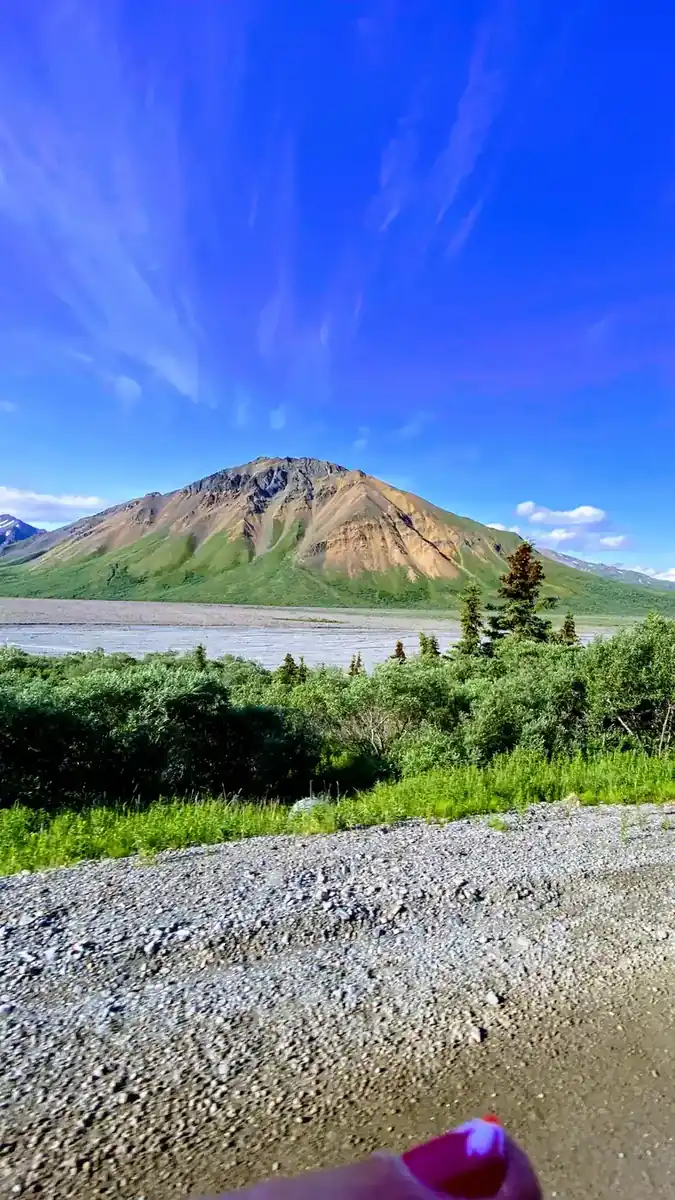
- Shoulder season and alpine (Rockies, Cascades, Sierra) -- a softshell like the OR Ferrosi blocks wind on exposed ridges while still breathing on the climb.
- Cold and wet (Pacific Northwest, late fall) -- a brushed-fleece-backed pant or a softshell layered over a base layer holds heat. Add a packable rain shell pant for sustained downpours.
- Winter and snow -- skip standard hiking pants entirely and move to insulated or hardshell options.
Getting the Fit and Sizing Right
Hiking pants should sit at your natural waist without a belt fight and never pull across the thigh when you lunge upward. Size for movement, not for looks. Follow these steps in the fitting room or before you cut tags:
- Do a deep lunge and a high step; the knee fabric should glide, not stretch tight.
- Squat fully and check that the waistband does not gap at the back.
- Confirm the inseam clears the top of your boot so the cuff does not snag laces.
- Sit down and make sure zip pockets stay closed and do not dig into your hips under a pack belt.
If you are between sizes, size up for cold-weather layering and keep the closer fit for warm, fast hikes.
Caring for Your Hiking Pants
Technical fabrics last for years with the right care, and the wrong care strips their performance fast.
- Wash cool, on a gentle cycle, with a technical wash like Nikwax Tech Wash. Skip fabric softener; it clogs the breathable weave.
- Reapply DWR once water stops beading. A spray-on or wash-in treatment plus a low tumble dry reactivates the finish.
- Air dry when possible to protect stretch fibers and elastic waistbands from heat damage.
- Patch small tears early with repair tape before a snag becomes a blown-out knee.
Common Buying Mistakes to Avoid
Most regret comes down to a handful of repeat errors. Skip these and your first pick is far more likely to stick.
- Buying cotton or denim for the trail -- cotton soaks up sweat and rain, dries slowly, and chills you fast on a cold ridge.
- Ignoring the inseam length -- a too-long cuff drags in mud and frays; a too-short one rides up over boot tops on the descent.
- Trusting one brand's size across the board -- a 34 in Prana fits nothing like a 34 in Kuhl, so always check the measured waist and inseam.
Pairing Pants With the Rest of Your Kit
Pants are one piece of a system. Combine a synthetic or merino base layer in cold conditions, gaiters to keep cuffs clean on muddy trails, and a belt only if the pant lacks an adjustable waist. Test the full combination on a short local hike before any multi-day trip so chafing, slipping, or pocket placement issues show up close to home, not at mile twelve in the backcountry.
Best Hiking Pants for Men, Including Zip Off Styles FAQs
Nylon and polyester are the best hiking fabrics -- lightweight, quick-drying, and durable. Stretch nylon blends (Supplex, Cordura stretch) offer excellent mobility. Avoid cotton completely; it absorbs moisture, dries slowly, and chills you significantly when wet. For cool-weather hiking, a softshell blend adds wind resistance.
Hiking pants should allow a full range of leg motion without restriction. Sit down and do a deep knee bend in the store -- if the fabric pulls tight across the knees or crotch, size up or look for a different cut. The waist should be snug with room for a hipbelt over the top. Avoid overly baggy fits that catch on brush.