Two trips, one permit
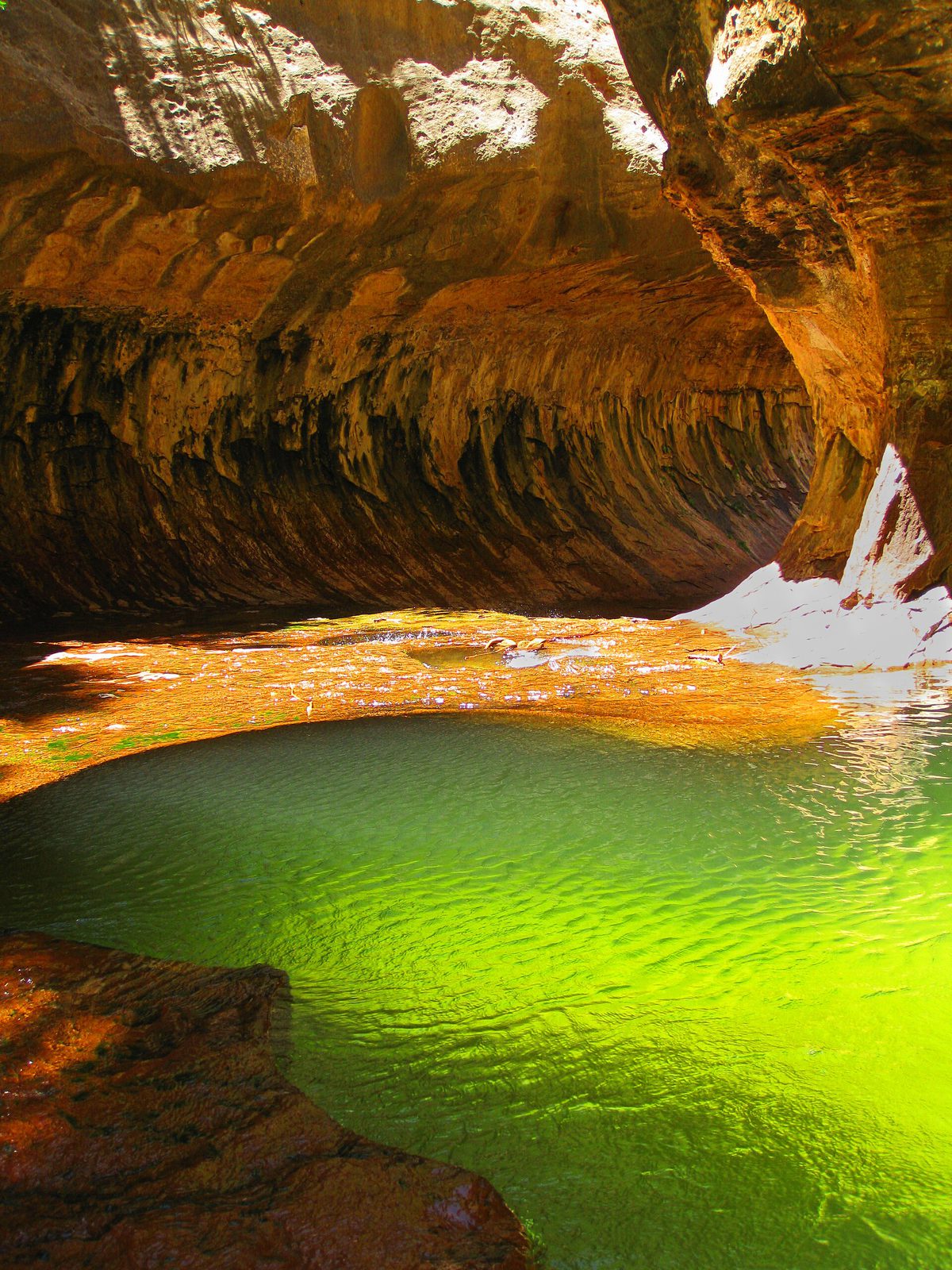
The Subway is a section of the Left Fork of North Creek where the canyon walls close overhead into a smooth tube. Every person entering the Left Fork needs a permit, whichever way they come at it, and the permit does not distinguish between the two routes. You choose that yourself, and the choice matters more than anything else on this page.
- Top-down. A one-way technical descent from the Wildcat Canyon trailhead to the Left Fork trailhead, around nine miles, with mandatory rappels, cold swims through potholes and a car shuttle. It needs rope skills, a wetsuit for most of the year, and at least one person in the group who has done canyons before. There is no way to reverse it once you commit.
- Bottom-up. An out-and-back from the Left Fork trailhead, around nine miles round trip, that reaches the Subway formation and returns the same way. No technical gear, no rappels and no shuttle. It is strenuous, involving a steep descent and reascent of the canyon wall and a lot of boulder-hopping and wading, but it needs no skills you do not already have.
Most people who want to see the Subway want the bottom-up route. It reaches the formation everybody photographs. The top-down is a canyoneering objective in its own right, and people underestimate it every season.
How the lottery works
Permits come from two draws, and the first one runs less often than people expect. The seasonal lottery is quarterly, not monthly: it covers a three-month season, and applications are only accepted from the 1st to the 25th of a single month, two months before that season begins. Results are emailed on the 27th.
- Apply 1 to 25 November for trips in January, February and March.
- Apply 1 to 25 February for trips in April, May and June.
- Apply 1 to 25 May for trips in July, August and September.
- Apply 1 to 25 August for trips in October, November and December.
Missing the 25th therefore means waiting a full quarter, which is the single most expensive mistake on this page. Lead time runs from about five months for the first dates in a season down to about five weeks for the last.
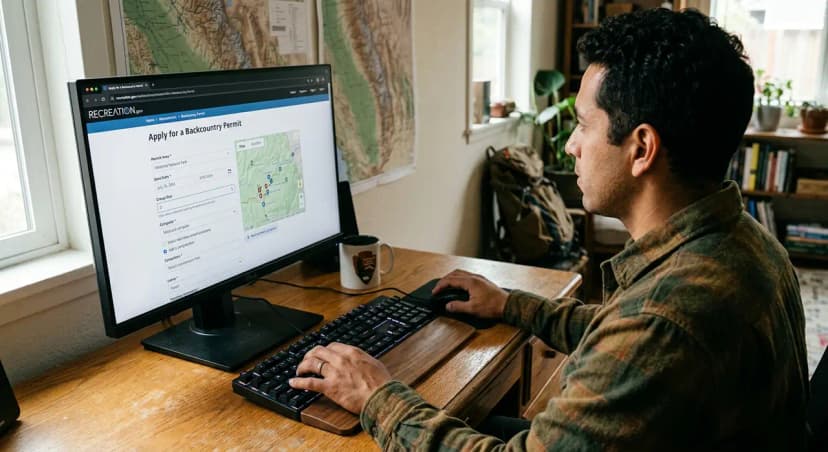
Winners have two weeks to claim the reservation on recreation.gov, and anything unclaimed is re-released mid-month at 10:00 AM Mountain Time. That re-release is a genuine second chance and almost nobody watches for it.
The other route is a last-minute draw a couple of days before the date, and any permits still spare after that are issued in person at the Zion Wilderness Desk, normally the day before your trip and sometimes on the day itself.
Spring and autumn are competitive, particularly weekends, when the water is a tolerable temperature and the light is best. Midweek dates are noticeably easier. Summer is less contested but brings the one hazard that actually kills people here.
Flash floods are the real risk
The Left Fork is a narrow canyon with a large catchment upstream, and a storm you cannot see from the trailhead can put water through it. The park posts a flash flood potential rating every day, and it is not advisory decoration. On a day rated high or extreme, the answer is to go somewhere else, and rangers will tell you so when you collect the permit.
This matters most in the late-summer monsoon, roughly July through September, when a clear morning in Springdale says nothing about what is happening over the plateau.
What the day is like
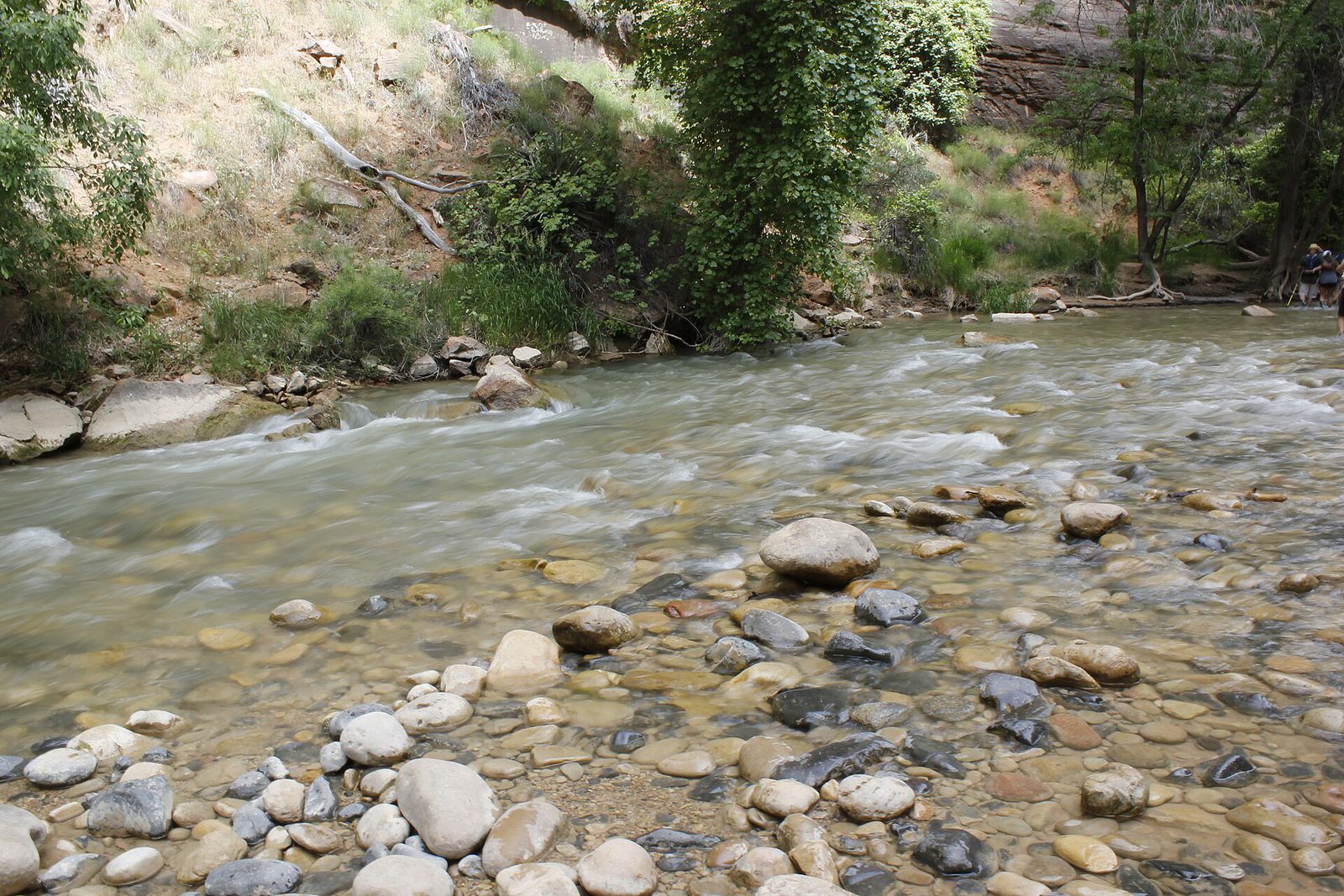
Bottom-up, expect seven to ten hours. The trail from the car park drops steeply into the canyon on a loose, rooty descent, and then there is no trail at all: you follow the creek upstream, crossing it repeatedly, over and around boulders. Feet get wet within the first twenty minutes and stay wet. The Subway itself arrives suddenly after several hours of this, and the return is the same ground plus the climb back out of the canyon at the end of the day, which is where people run out of energy and daylight.
Shoes that drain and grip wet rock are worth more than any other piece of kit. Trekking poles help on the crossings. Take a headtorch even on a summer day, because the canyon goes dark long before the sky does.
The rest of the park, planned: Zion National Park: 3-Day Itinerary. Day by day, with where to sleep and what to book.
If you do not draw it
Watch the mid-month re-release of unclaimed lottery reservations, enter the last-minute lottery a couple of days out, and if that fails ask at the Wilderness Desk, where leftovers are normally issued the day before your trip and sometimes on the day itself. Failing all of that, the Angels Landing area has its own permit with its own lottery, and the Narrows bottom-up from the Temple of Sinawava needs no permit at all and is the other great water walk in the park. Observation Point via the East Mesa trailhead is a permit-free day with a view that beats Angels Landing.
The Subway, Zion: Permits and Routes FAQs
Yes. Every person entering the Left Fork of North Creek needs a permit, whether you hike bottom-up or descend the canyon top-down. There is no permit-free way to see it.
Top-down is a one-way technical canyoneering descent with mandatory rappels, cold swims and a car shuttle, around nine miles. Bottom-up is an out-and-back hike of around nine miles round trip that reaches the Subway formation with no technical gear. Both use the same permit.
Spring and autumn weekends are hard and midweek dates are noticeably easier. Permits come from a quarterly seasonal lottery, a last-minute draw a couple of days out, and any walk-in leftovers at the Zion Wilderness Desk, normally the day before your trip.
It is quarterly. Applications run from the 1st to the 25th of a single month, two months before a three-month season: November for January to March, February for April to June, May for July to September, and August for October to December. Results are emailed on the 27th, and unclaimed reservations are re-released mid-month at 10:00 AM Mountain Time.
Seven to ten hours for around nine miles round trip. There is no trail once you reach the creek, so progress is much slower than the distance suggests, and the climb out of the canyon comes at the very end of the day.
For the top-down route, yes for most of the year, because it involves swimming through cold potholes that get very little sun. The bottom-up hike involves wading rather than swimming and does not normally need one.
The late-summer monsoon, roughly July through September. The park publishes a daily flash flood potential rating, and on a high or extreme day you should not enter the canyon regardless of the weather at the trailhead.
The Narrows bottom-up from the Temple of Sinawava needs no permit and is the other great water walk in Zion. Observation Point from the East Mesa trailhead is also permit-free with a bigger view than Angels Landing.