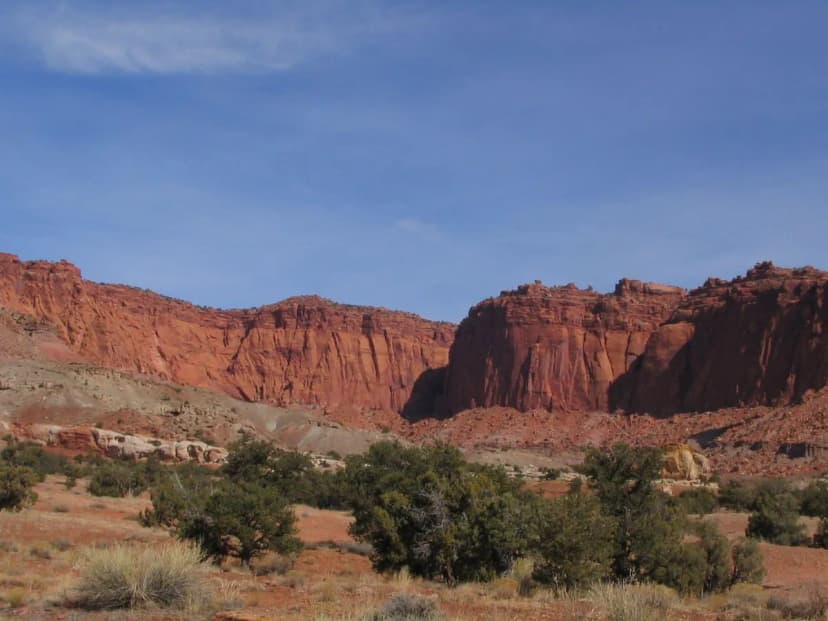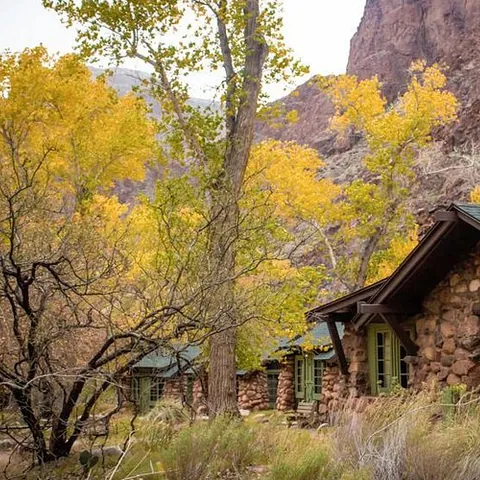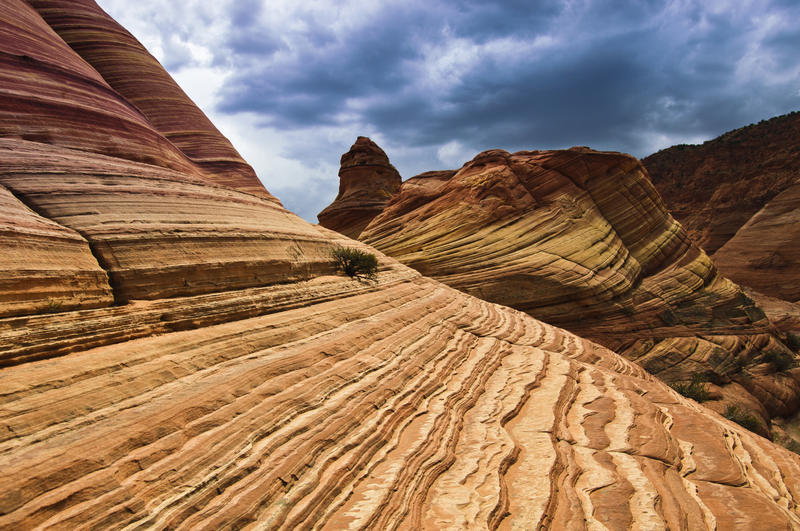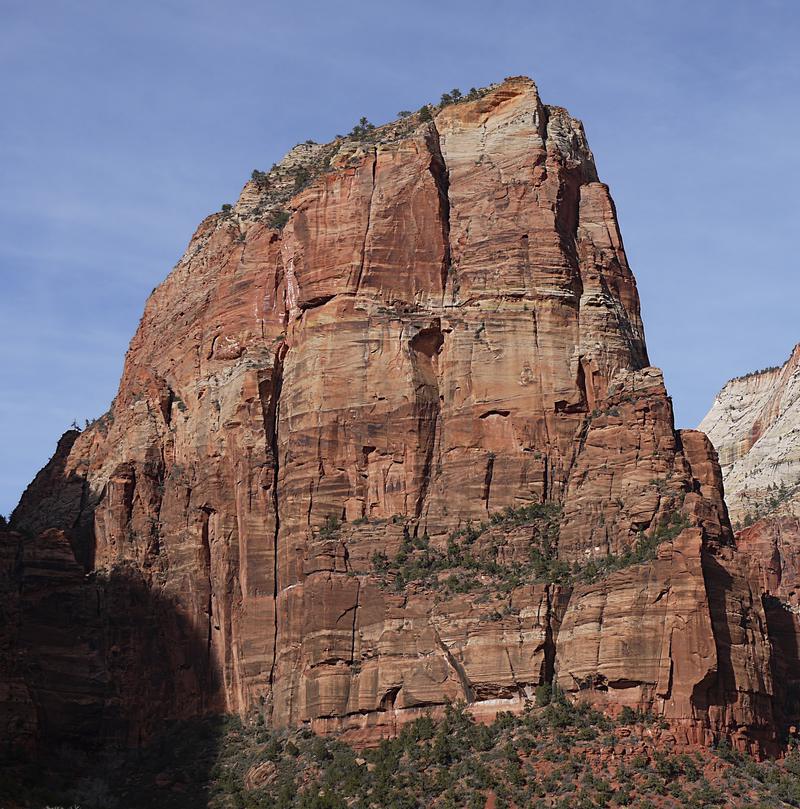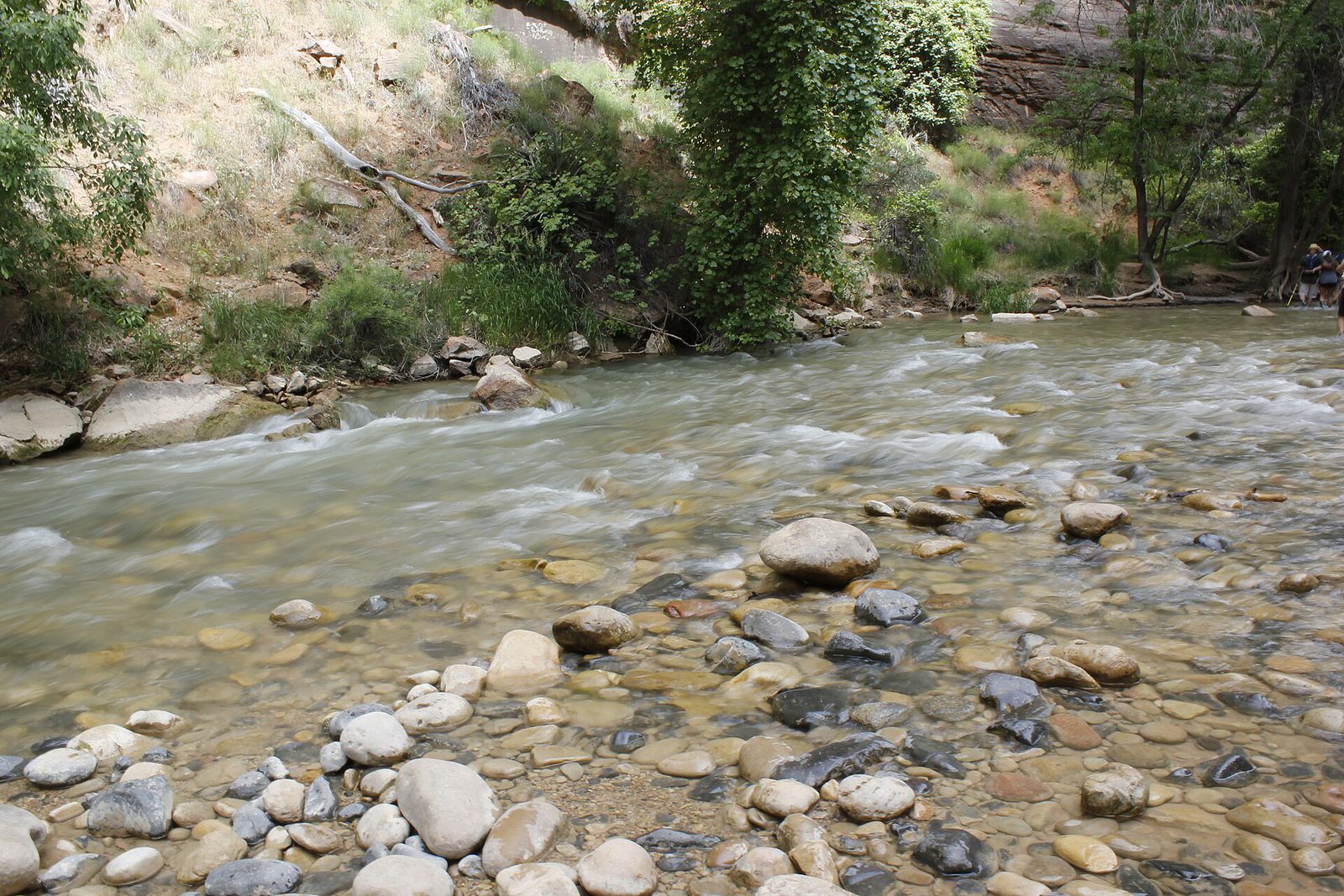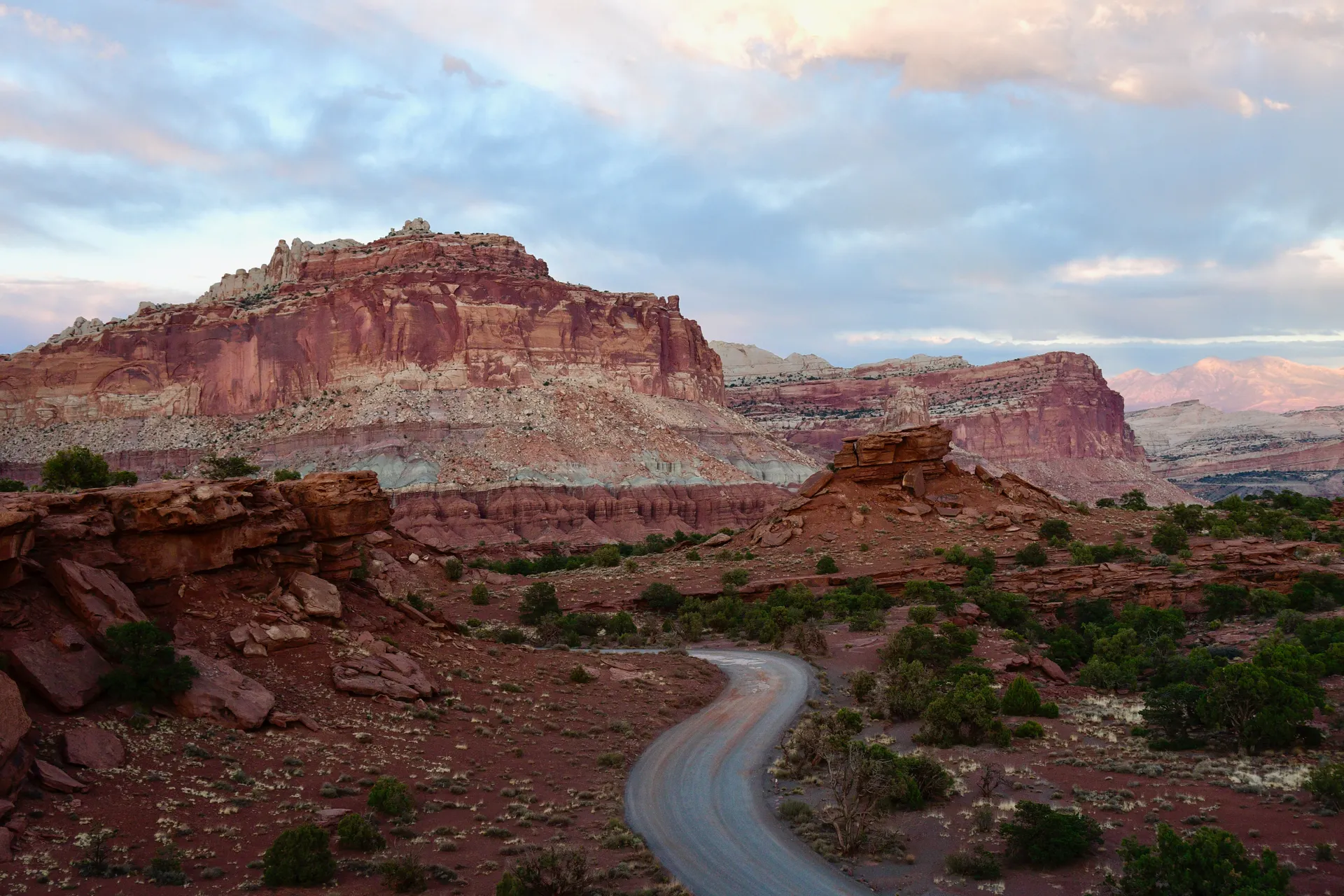
Tucked into a green river valley surrounded by red cliffs, the Fruita orchards are unlike anything else in the national park system. Mormon pioneers planted these trees in the late 1800s along the Fremont River, and today the National Park Service maintains roughly 1,900 fruit and nut trees as a living historic district. Visitors can wander the orchards year-round, but during harvest you can pick fresh fruit straight from the branch. Here is how to make the most of a stop in Fruita.
How the U-Pick System Works
The orchards operate on a simple honor system. When a particular orchard is open for picking, the Park Service posts a sign at the entrance. You can sample ripe fruit inside the orchard for free, and if you want to take fruit with you, you weigh it on the self-pay scales and leave payment in the drop box at posted per-pound prices. Hand-picking poles and ladders are provided. Always check at the visitor center for current open orchards, because availability changes daily with the harvest.
The Harvest Calendar
Different fruits ripen across a long season, so the best time to visit depends on what you want to pick:
- Cherries: mid-June to early July
- Apricots: late June to mid-July
- Peaches and pears: August through early September
- Apples: September into mid-October
Exact dates shift year to year with the weather, so confirm with the park before you arrive expecting a specific fruit. Spring also brings a spectacular bloom, usually in April, when thousands of trees flower against the sandstone.
The Gifford Homestead and Famous Pies
No visit to Fruita is complete without a stop at the Gifford Homestead, a restored 1908 farmhouse near the orchards. The small shop sells locally made fruit pies, cinnamon rolls, and homemade ice cream, along with pioneer-era crafts. The mini fruit pies are legendary and frequently sell out by midday, so come early. There are shaded picnic tables nearby, making it an ideal lunch spot between hikes.
Wildlife and Quiet Corners
The orchards and the surrounding cottonwoods draw mule deer, especially in the early morning and at dusk, so move slowly and keep your distance. The grassy areas under the trees are some of the only shade in the park, which makes Fruita a welcome midday retreat when the slickrock trails turn hot. The nearby Fremont River trail and the historic blacksmith shop and one-room schoolhouse round out an easy afternoon of exploring.
Practical Tips for Visiting
A handful of details will help your visit go smoothly:
- Bring small bills and coins for the honor-system fruit boxes and the pie shop.
- The Gifford Homestead is generally open spring through fall; hours are reduced off-season.
- Parking near the orchards fills up midday in peak season, so arrive in the morning.
- Picked fruit must be paid for, but tasting inside an open orchard is free.
The Fruita orchards pair naturally with the rest of the park's highlights. Our 2-day Capitol Reef itinerary works a stop in Fruita and a Gifford pie between the morning hikes and the afternoon Scenic Drive, so you taste the harvest at exactly the right time. Few national parks let you pick your own peaches under towering red cliffs, and that small, surprising pleasure is what makes Capitol Reef so memorable.
Capitol Reef Fruita Orchards FAQs
Harvest runs from mid-June through mid-October. Cherries and apricots ripen in June and July, peaches and pears in August, and apples from September into October. Always confirm open orchards at the visitor center.
Tasting ripe fruit inside an open orchard is free. If you want to take fruit with you, weigh it on the self-pay scales and leave payment in the drop box at the posted per-pound price.
The Gifford Homestead is a restored 1908 farmhouse near the orchards that sells homemade mini fruit pies, cinnamon rolls, and ice cream. The pies are a Capitol Reef favorite and often sell out by midday.