Wind Cave National Park is one of the most underrated stops in the southern Black Hills, just south of Custer State Park and about an hour from Rapid City. Most people drive past it on their way to Mount Rushmore, but underground sits one of the longest and most complex cave systems on Earth, and up top a mixed-grass prairie that bison, elk, and pronghorn still roam freely. It is two parks in one: a cave park and a wildlife park.
What makes Wind Cave special
Wind Cave is famous for boxwork, a honeycomb of thin calcite fins that line the ceilings and walls. The cave holds roughly 95 percent of all the boxwork formations known in the world, so this is the place to see it. The name comes from the barometric wind that whistles through the cave's small natural entrance as outside air pressure changes. Because the passages are dry, you will not see the dripping stalactites of a place like Carlsbad; the appeal here is the maze-like, three-dimensional geology.
Choosing a cave tour
You can only enter the cave on a ranger-led tour, and tours leave from the visitor center. The main options, from easiest to hardest, are:
- Garden of Eden Tour - the shortest and least strenuous, about 150 stairs and a good pick for families or anyone short on time.
- Natural Entrance Tour - the classic introduction, with around 300 stairs and the best concentration of boxwork.
- Fairgrounds Tour - the longest of the standard walking tours, reaching deeper rooms with about 450 stairs.
- Candlelight and Wild Cave Tours - seasonal specialty tours where you explore by handheld light or crawl through undeveloped passages; these book out fast in summer.
Buy tickets in person at the visitor center or reserve ahead in peak season, because tour size is capped. Bring a light jacket: the cave holds a steady temperature near 53 degrees Fahrenheit year-round no matter how hot it is on the prairie.
Hiking on the surface
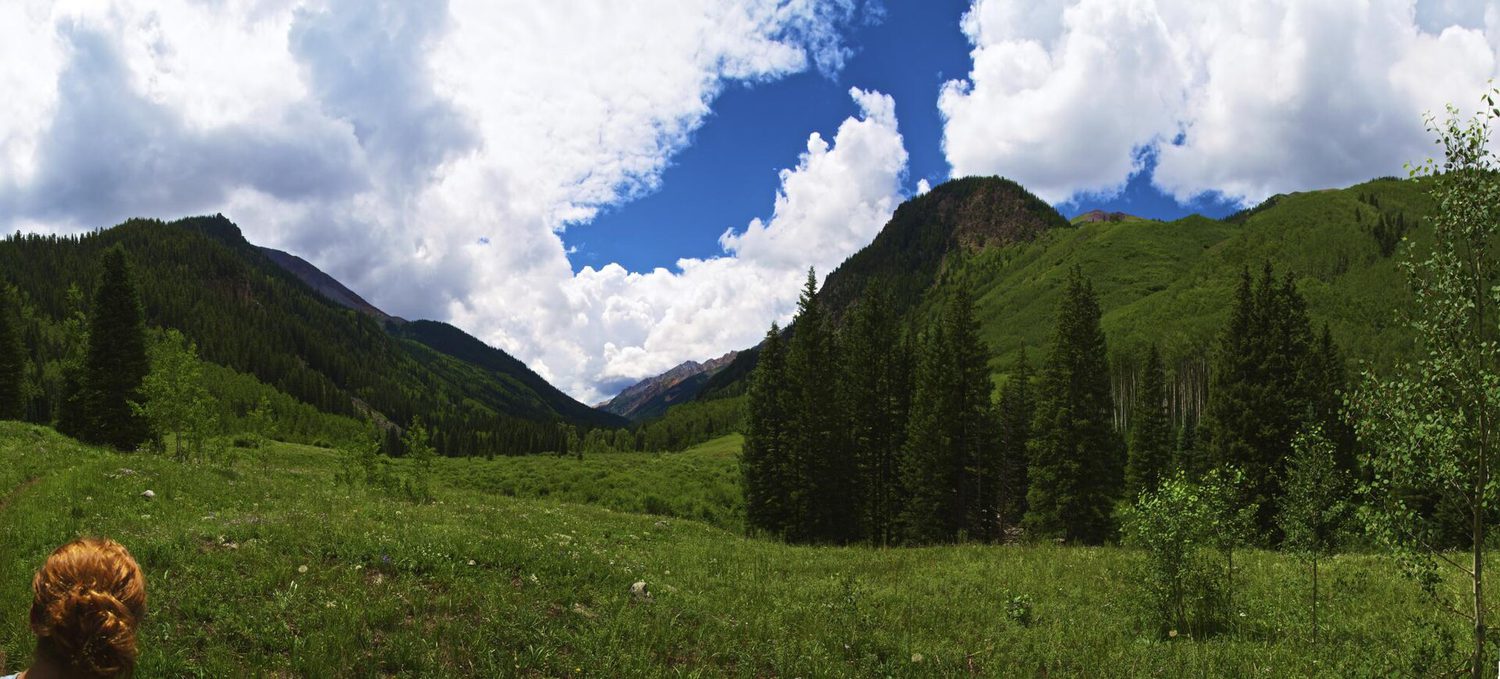
The aboveground trails are where Wind Cave quietly outshines its neighbors, and they are usually empty. The Rankin Ridge Trail is a one-mile loop to the park's highest point and a fire lookout with panoramic views across the prairie and into the ponderosa pine. The Cold Brook Canyon Trail and the Wind Cave Canyon Trail follow drainages that are excellent for birding and for spotting deer in the early morning. For a longer day, the Centennial Trail passes through the park on its way across the entire Black Hills, and the Lookout Point and Centennial loop combines open prairie with creekside woods over roughly 4.5 miles.
Wildlife and the bison herd
Drive Highway 385 and the gravel NPS Road 5 slowly and you will almost certainly see bison, often right beside the pavement. Wind Cave maintains one of the few genetically pure bison herds left in the country. You will also see prairie dog towns, pronghorn, and elk near dawn and dusk. Keep at least 25 yards from bison; they look slow but can sprint and turn fast, and the rut in late summer makes the bulls especially unpredictable. This wildlife-rich corridor connects directly to Custer State Park, which is why it pairs so well with a longer loop like our 10-day South Dakota wilderness road trip.
Best time to visit and logistics
The park is open year-round, but the fullest tour schedule runs from late May through early September. Spring brings green prairie and baby bison; fall offers cooler hikes and the bugling elk rut. Winter trims the tour menu to the Natural Entrance and Garden of Eden but rewards you with near-total solitude. There is no entrance fee for the surface, only a fee for cave tours. Camping is available at the first-come, first-served Elk Mountain Campground, and the towns of Hot Springs and Custer have lodging within 20 to 30 minutes.
How to fit it into a Black Hills trip
Give Wind Cave at least a half day: one cave tour plus the Rankin Ridge loop and a slow wildlife drive. Combine it with nearby Jewel Cave National Monument to the west for a true cave double-header, or use it as the southern anchor before looping north to Custer State Park, the Needles Highway, and the Badlands.
Wind Cave National Park FAQs
Tickets are sold at the visitor center and tours have limited capacity. In summer, reserve ahead online or arrive early; in the off-season you can usually walk up the same day.
Wind Cave is famous for boxwork calcite formations and a wildlife-rich prairie on the surface, while Jewel Cave, 30 minutes west, is known for calcite crystals and is one of the longest mapped caves in the world. Many visitors do both.
Very likely. Wind Cave keeps a genetically pure bison herd that roams the prairie, and they are commonly seen along Highway 385 and the park's gravel roads, especially at dawn and dusk.