The Black Hills rise out of the western South Dakota prairie like an island of granite, ponderosa pine, and cold trout streams. Some of the best hiking in the Great Plains hides in here, on trails that climb to the highest point between the Rockies and the Pyrenees. Below are eight Black Hills hikes worth planning a trip around, grouped by effort. If you want to string several of these together with the Badlands and Custer State Park, see our 10-day South Dakota wilderness road trip itinerary.
Black Elk Peak: The Roof of South Dakota
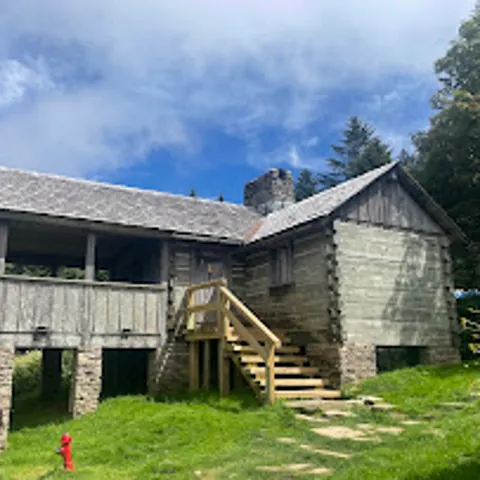
At 7,242 feet, Black Elk Peak (formerly Harney Peak) is the high point of the Black Hills and the whole region. The classic route is Trail 9 from the Sylvan Lake day-use area, a roughly 7-mile out-and-back with about 1,500 feet of gain. The summit is crowned by a stone fire lookout built by the Civilian Conservation Corps, and on a clear day the views reach into Wyoming, Nebraska, and Montana.
- Distance: 7.1 miles round trip via Trail 9
- Difficulty: Moderate to strenuous
- Best season: Late May through October; snow lingers into spring
- Tip: Start early, both for parking at Sylvan Lake and to beat afternoon thunderstorms
Cathedral Spires Trail
The Cathedral Spires are the postcard image of the Needles area, a cluster of slender granite fins that draw rock climbers from around the world. The Cathedral Spires Trail (about 3 miles round trip) winds up through the rock into a hidden basin at the foot of the towers. It connects to the Black Elk Peak network, so strong hikers can combine the two. The trailhead sits just off the Needles Highway, one of the most scenic drives in the Hills.
Sylvan Lake Shore Trail
If you want granite scenery without the climb, the Sylvan Lake Shore Trail is a flat 1-mile loop around one of the prettiest lakes in the state. It threads between giant boulders and across a small dam, and it is a perfect leg-stretcher for families or for the evening after a bigger summit day.
Sunday Gulch Trail
Also starting near Sylvan Lake, Sunday Gulch drops into a shaded canyon with handrails bolted to the rock, crossing and re-crossing a small creek. It is about 4 miles, more strenuous than it looks because of the steep descent and return climb, and far quieter than the peak trails. Spring runoff makes the creek crossings prettiest in May and June.
Lover's Leap Trail
Based out of Custer State Park's Peter Norbeck Center, the Lover's Leap Trail is a 4-mile loop that climbs to a rocky overlook above Galena Creek and the park's central valley. It is a good rainy-day-recovery hike and one of the better spots to catch a Black Hills sunset over the pines.
Centennial Trail and Easy Wins
For longer-distance hikers, the Centennial Trail runs 111 miles from Bear Butte near Sturgis all the way to Wind Cave National Park, and you can sample sections of it as day hikes. Two other shorter favorites round out the list:
- Roughlock Falls Trail in Spearfish Canyon, an easy paved-and-boardwalk path to a wide waterfall
- '76 Trail above Spearfish Canyon, a short but steep climb to a dramatic canyon-rim viewpoint
When to Hike the Black Hills
The hiking window runs roughly May through October. June brings wildflowers and full creeks; September and early October bring cooler air, gold aspens, and the bugling of elk in Custer State Park. Summer afternoons spawn fast-moving thunderstorms, so finish exposed summits like Black Elk Peak by early afternoon. Carry more water than you think you need, since the dry ponderosa forest offers little shade on the ridges. Most trailheads near Sylvan Lake and along the Needles Highway require a Custer State Park entrance license, so factor that into your plans.
Black Hills Hikes: 8 Best Trails FAQs
Black Elk Peak via Trail 9 is the most demanding of the popular hikes, at about 7 miles with 1,500 feet of climbing to South Dakota's high point at 7,242 feet. Combining it with the Cathedral Spires loop makes for an even bigger day.
Many trailheads sit inside Custer State Park, which requires an entrance license available daily or annually. Trails on national forest land, like Roughlock Falls in Spearfish Canyon, are generally free, and Wind Cave National Park trails require a park pass only for the cave tours.
Late May through October is the prime window. June is lush with wildflowers and running creeks, while September and early October bring cool temperatures, fall color, and elk bugling. Snow can linger on high trails like Black Elk Peak into late spring.