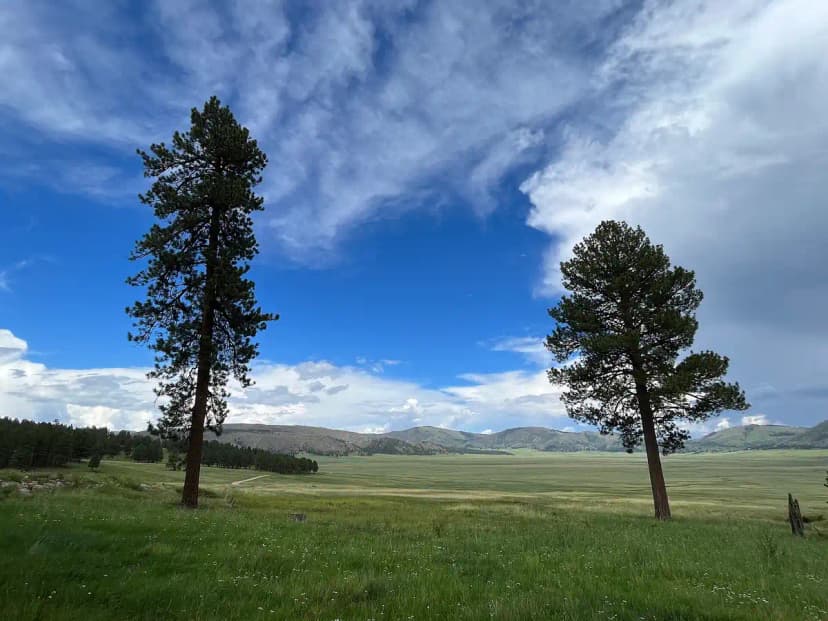
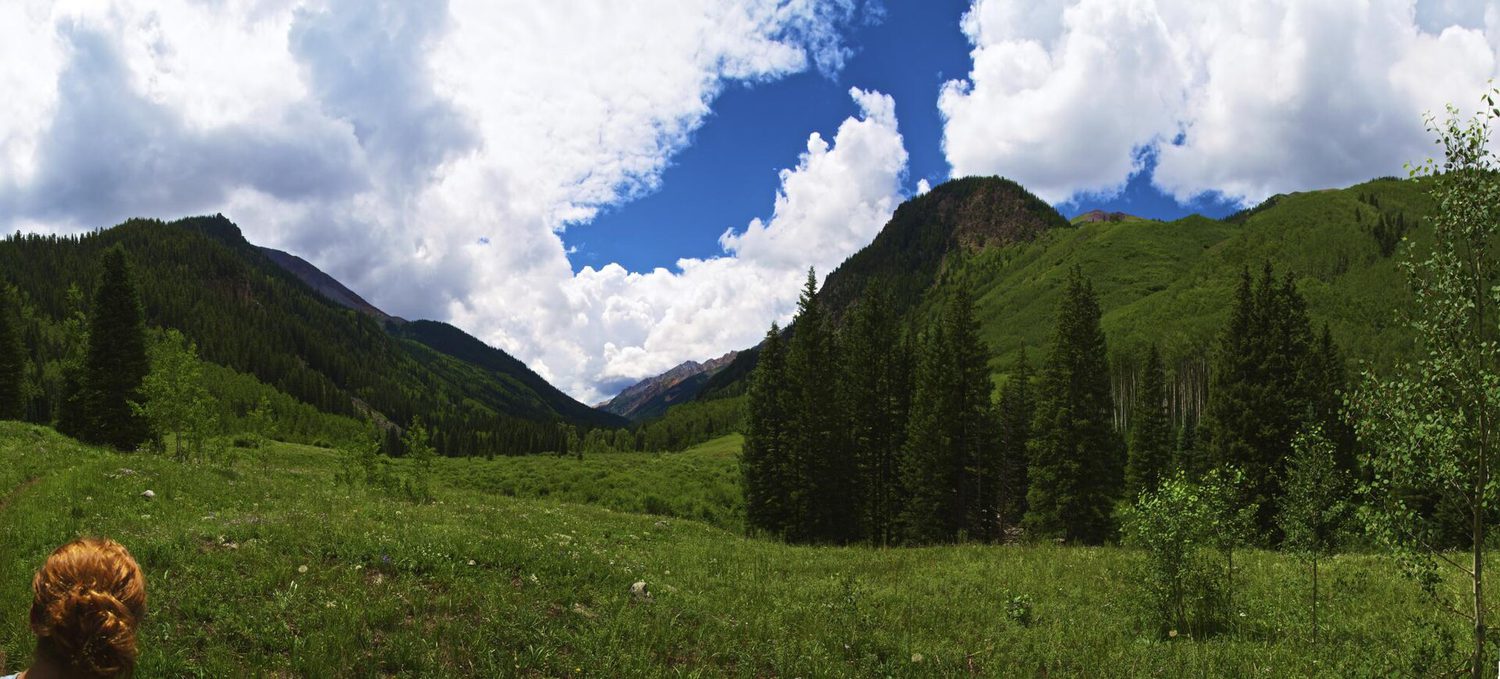
Valles Caldera National Preserve protects the floor of a 13-mile-wide volcanic caldera in the Jemez Mountains, a landscape of rolling grass meadows, lava domes, and ponderosa forest. The hiking here is unlike anywhere else in New Mexico: you walk across the inside of a collapsed supervolcano, with resurgent domes rising like islands out of seas of grass. This guide ranks the best trails by difficulty so you can match a walk to your time and your legs.
Easy: Cerro La Jara Loop
The Cerro La Jara Trail is the gentlest hike in the preserve and the perfect introduction. It is a roughly 1.5-mile flat loop around a small lava dome right near the entrance, with almost no elevation gain. You stay out on the open Valle Grande the whole way, which means excellent odds of seeing elk and Gunnison's prairie dogs. It is stroller-friendly on dry days and a great choice if you are still adjusting to the 8,500-foot elevation.
Easy to Moderate: Coyote Call Trail
The Coyote Call Trail is a 3.3-mile loop that climbs gently from the meadow into ponderosa pine forest on the slopes of Cerro del Medio. You gain about 400 feet, enough to earn sweeping views back across the Valle Grande. This is prime transition habitat, so it is one of the better trails for spotting elk moving between forest and grassland at dawn or dusk. The footing is good and the grade is forgiving.
Moderate: Valle Grande and History Grove
From the entrance area you can wander the meadow trails and visit the History Grove, an old-growth stand of massive ponderosa pines that escaped logging. These walks are mostly flat, but the high elevation and exposure to sun and wind make them feel moderate. Bring water and a hat. The grove is a quiet, shaded contrast to the wide-open valley.
Strenuous: South Mountain
For a real climb, the South Mountain route ascends one of the resurgent lava domes for a big-view payoff over the caldera floor. Expect a steep, multi-mile push with significant elevation gain on a high-altitude grade. Start early, carry plenty of water, and watch the sky: summer monsoon storms build fast in the afternoon, and you do not want to be high and exposed when lightning rolls in.
How to Plan Your Hiking Day
Most trails launch from the entrance area, and access can require a timed reservation or backcountry vehicle permit depending on the season, so check current rules before you drive up. To combine these hikes with elk viewing and the best timing across two days, follow our Valles Caldera itinerary, which sequences the easy loops for morning wildlife and saves the climbs for cooler hours.
- Cerro La Jara: 1.5 miles, flat, easy, best for wildlife and first-timers.
- Coyote Call: 3.3 miles, ~400 ft gain, easy to moderate, great elk habitat.
- History Grove and meadow walks: flat but exposed, moderate at altitude.
- South Mountain: strenuous climb up a lava dome, big summit views.
What to Bring and When to Go
The caldera floor sits near 8,500 feet and the domes climb higher, so altitude is the main challenge for visitors from lower elevations. Drink more water than you think you need, pace yourself, and turn back if you feel dizzy. The best hiking window is late spring through October. June is dry and warm; July and August bring afternoon thunderstorms, so hike in the morning. September and early October pair cool, clear air with golden aspen on the higher slopes and bugling elk in the meadows. There is no water, food, or fuel inside the preserve, so come prepared and fill up in Los Alamos or Jemez Springs.
Valles Caldera Hiking Trails: The Best Walks in the Caldera FAQs
The Cerro La Jara Trail, a flat 1.5-mile loop around a small lava dome near the entrance. It has almost no elevation gain, stays in the open Valle Grande for great elk and prairie dog viewing, and is an ideal first walk while you adjust to the 8,500-foot elevation.
It depends on the trail and season. Front-country meadow trails near the entrance are often accessible with the day fee, while backcountry roads and deeper trails can require a timed reservation or vehicle permit. Always check current preserve rules before driving up.
Late spring through October. June is dry and warm, July and August bring afternoon monsoon storms so hike in the morning, and September to early October offers cool clear air, golden aspen, and bugling elk.