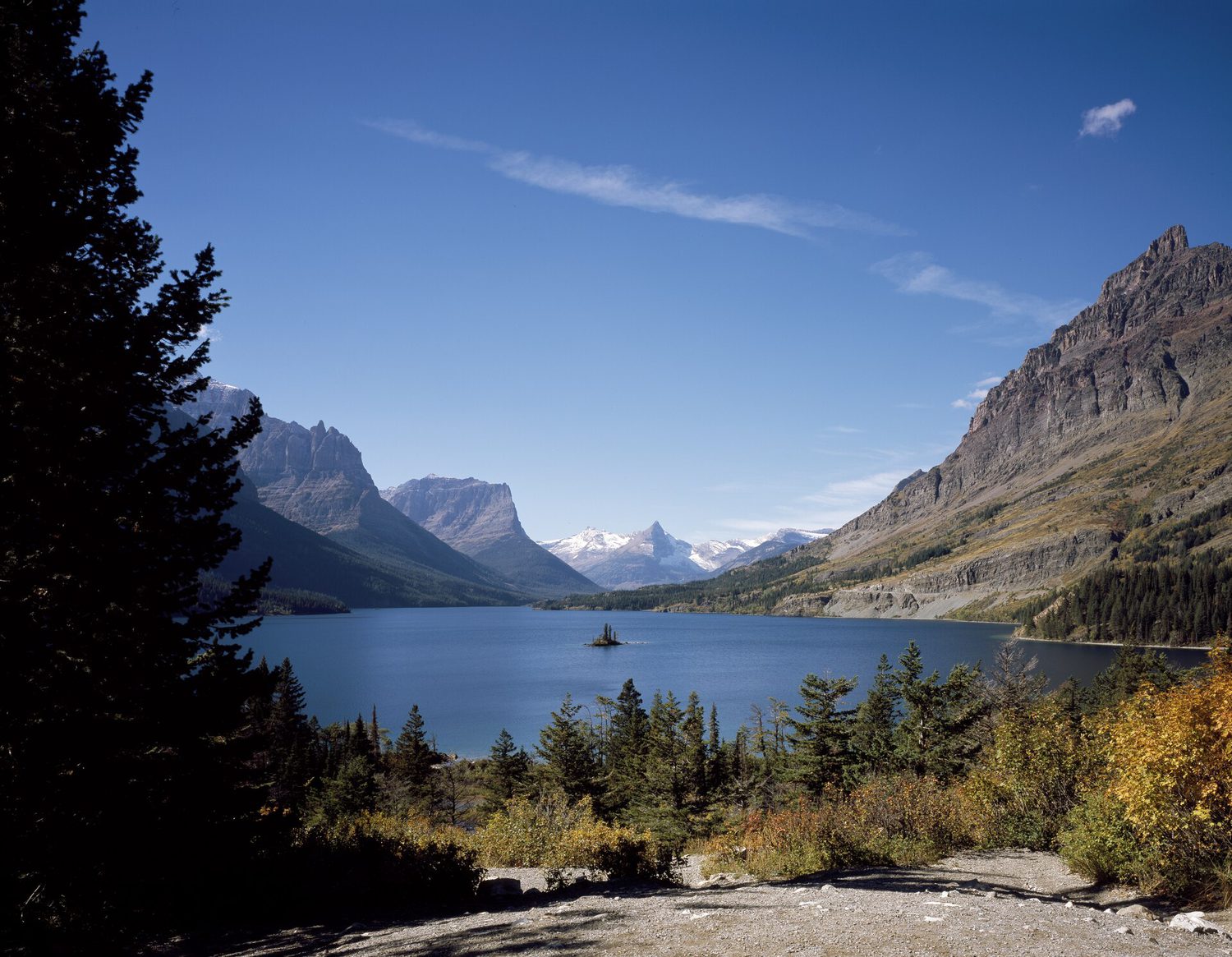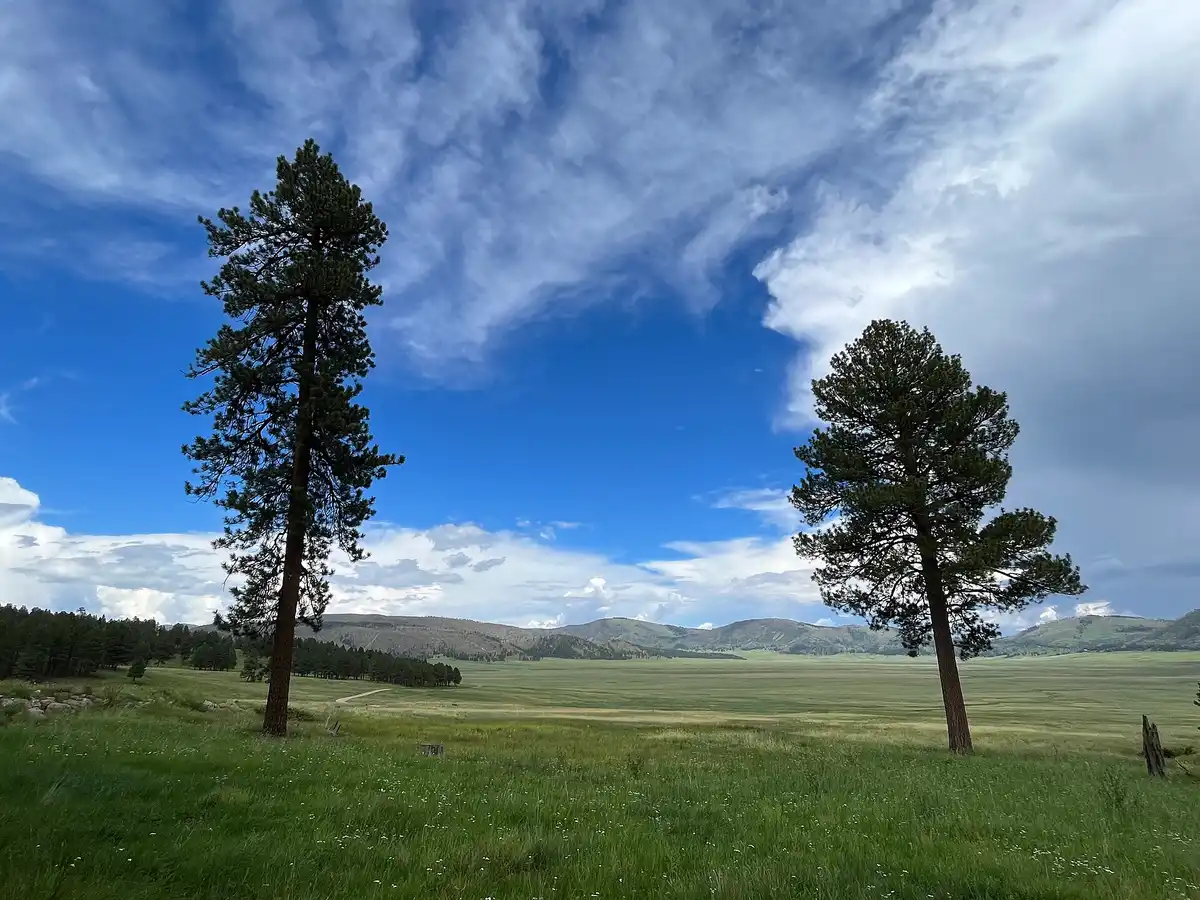
Valles Caldera National Preserve sits at roughly 8,500 feet on the floor of an ancient supervolcano in the Jemez Mountains, and that high elevation shapes everything about when to go. The same meadow that is golden with wildflowers in July can be buried in snow by December. The right season depends entirely on what you want to see: bugling elk, summer blooms, blazing aspen, or a silent white valley. Here is how the year breaks down.
Fall (September to October): The Best Overall

If you visit only once, come in the fall. September through early October delivers the elk rut, when bulls bugle across the Valle Grande at dawn, and the aspen on the higher slopes turn brilliant gold. Days are crisp, the summer monsoon has faded, and the light is photographer's gold. Mornings are cold, often near freezing, so layer up. This is the busiest and most rewarding window, and any limited fall driving tours into the back valleys fill quickly, so reserve ahead.
Summer (June to August): Wildflowers and Storms
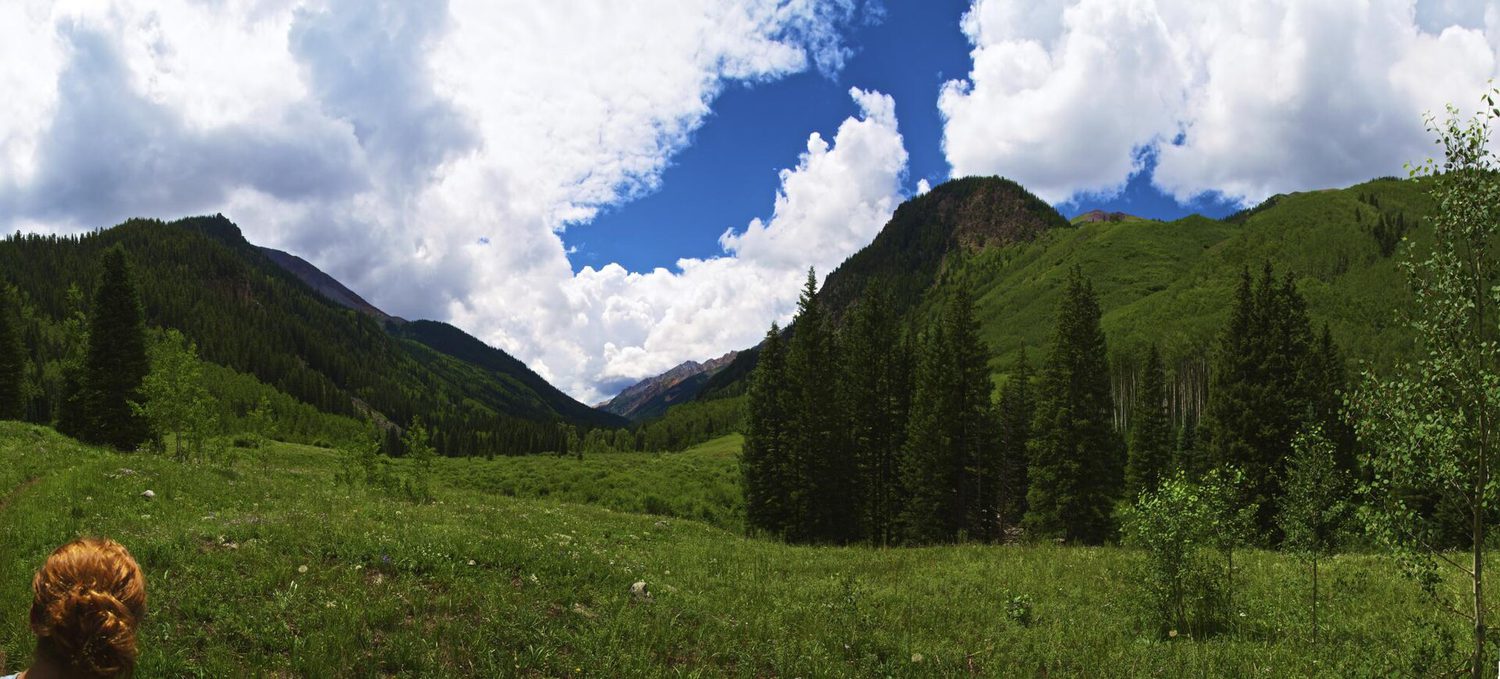
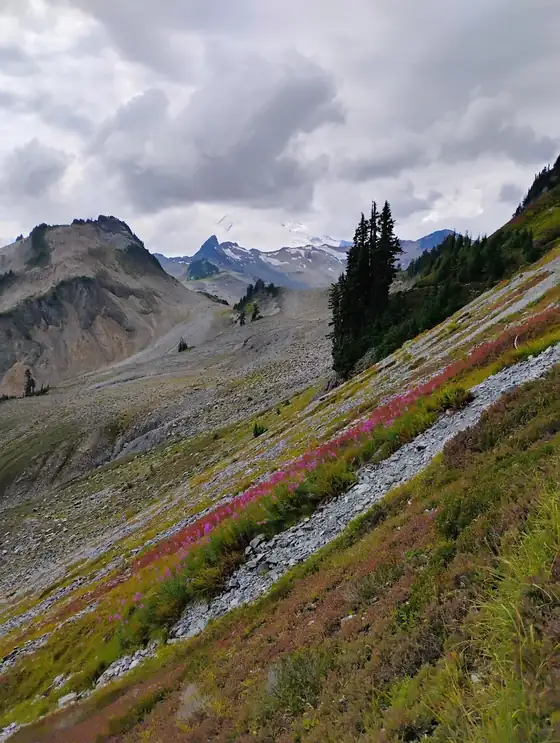
Summer is the most popular general-visitor season because the days are warm and long. June is typically dry and ideal, with green meadows and easy access. By July and August the North American monsoon arrives, building dramatic afternoon thunderstorms almost daily. Those storms green up the valley and bring waves of wildflowers, but they also mean lightning risk on exposed trails. Plan to hike and watch wildlife in the morning and be off high ground by early afternoon.
Spring (April to May): Quiet and Unpredictable
Spring is a transition season. Lingering snowmelt can keep backcountry roads muddy or closed into May, and weather swings wildly between warm sun and surprise snow. The reward is solitude and the first green flush in the meadow, plus newborn elk calves appearing on spindly legs by late May. Check road and trail status before you drive up, because access is the least predictable now.
Winter (November to March): Snow and Solitude
Winter transforms the caldera into a white expanse, and on a clear day the herd of elk against fresh snow is unforgettable. The preserve becomes a destination for cross-country skiing and snowshoeing when conditions allow. Access is limited, days are short and very cold, and you must be self-reliant. NM-4 is plowed but the entrance and interior access can be restricted by snow. This is the season for hardy visitors who want the valley to themselves.
Month-by-Month Quick Guide
- April to May: Solitude, muddy roads, possible late snow, first elk calves by late May.
- June: Dry, warm, green meadows, reliable access. A sweet spot.
- July to August: Wildflowers and afternoon monsoon storms. Go early in the day.
- September to October: Elk rut, golden aspen, crisp air. The best overall.
- November to March: Snow, skiing and snowshoeing, deep solitude, limited access.
Planning Around the Weather
Whatever season you choose, pack layers, because dawn and dusk are cold even in midsummer at this altitude. There is no gas, food, or lodging inside the preserve and cell service is minimal, so fill up and stock up in Los Alamos or Jemez Springs first. To match the right trails and elk-viewing pullouts to your timing, follow our Valles Caldera 2-day itinerary, which sequences your two days around morning wildlife and afternoon weather. Arrive at the gate early in any season and you will get the quiet, golden light that makes this caldera so special.
Best Time to Visit Valles Caldera: A Season-by-Season Guide FAQs
Fall, specifically September through early October, is the best overall. You get the elk rut with bugling bulls at dawn, golden aspen on the higher slopes, crisp clear weather after the summer monsoon, and superb photography light. Mornings are cold, so bring layers.
June is usually dry and warm with green meadows. July and August bring the North American monsoon, with dramatic afternoon thunderstorms almost daily. Hike and view wildlife in the morning and get off exposed high ground before the storms build.
Yes, but access is limited and conditions are cold with short days. The snow-covered valley is beautiful and good for cross-country skiing and snowshoeing when conditions allow. NM-4 is plowed, but interior access can be restricted by snow, so come prepared and self-reliant.