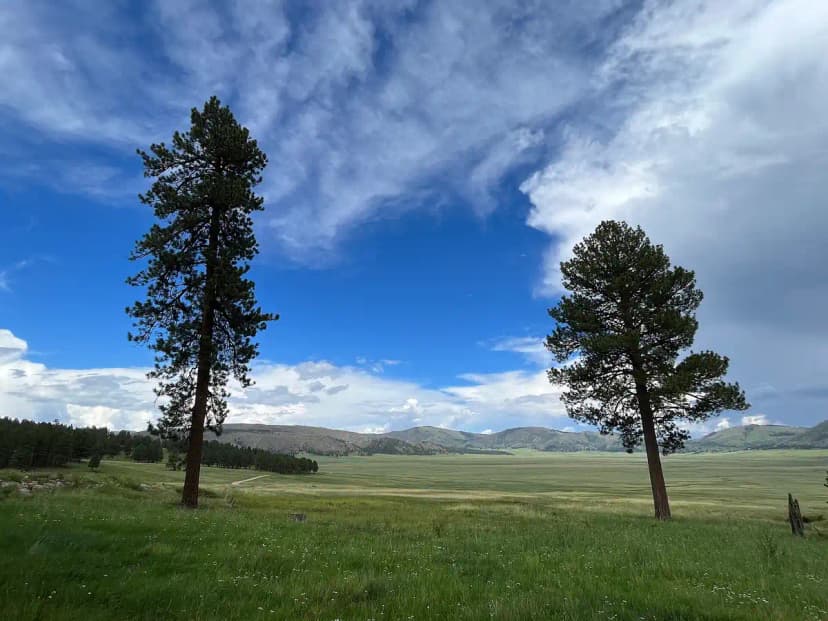
Valles Caldera National Preserve holds one of the largest elk herds in northern New Mexico, often estimated between 2,000 and 3,000 animals that drift across the grasslands of the collapsed volcano. The wide-open Valle Grande, the huge meadow you see the moment you enter off NM-4, is the single best place in the state to watch wild elk at a respectful distance. This guide covers exactly where to stand, what time to arrive, and which season puts on the show.
The Best Time of Day to See Elk
Elk in the caldera are most active during the cool hours. Plan to be parked along the Valle Grande in the first hour after sunrise or in the last hour before dusk. At midday the herd usually melts into the timber on the north-facing slopes of Redondo Peak and Cerro del Medio, where they bed down in the shade. If you can only make one trip, choose dawn. The light is better, the meadow is quiet, and the animals graze out in the open frost.
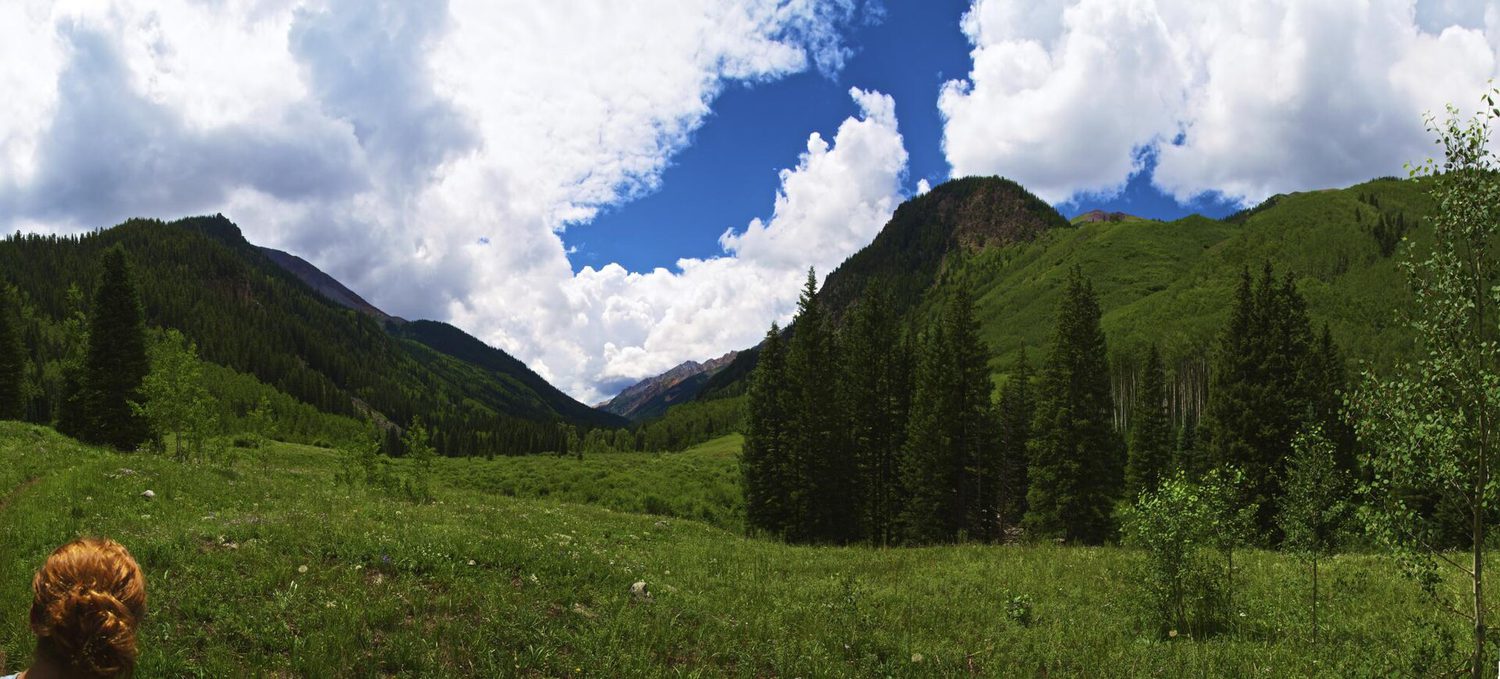
Where to Park and Glass the Valle Grande
You do not need a backcountry permit to see elk. The pullouts along NM-4 just outside the preserve entrance, and the main entrance road itself, give you sweeping views across the grassland.
- NM-4 highway pullouts: Several gravel turnouts on the south rim of the Valle Grande let you scan the meadow without even entering the gate. Bring binoculars and you can spot the herd at first light.
- The entrance station area: Once you pay the day fee, the view opens dramatically. Pull over safely and glass the grass-and-tree line.
- Cerro La Jara loop: This short, flat 1.5-mile trail near the entrance is the easiest legal walk in the preserve and often puts you within view of grazing animals.
- Coyote Call Trail: A 3.3-mile loop that climbs through ponderosa edge habitat where elk transition between meadow and forest.
For a full two-day plan that strings these stops together with the right timing, see our Valles Caldera 2-day itinerary.
The September Rut: Peak Season
The most dramatic elk viewing happens during the rut, roughly mid-September through early October. Bull elk bugle across the Valle Grande at dawn, a haunting whistle-and-grunt that carries for a mile in the still mountain air. Bulls gather harems of cows and spar with rivals. This is the marquee wildlife event of the New Mexico fall, and the preserve sometimes runs limited fall driving tours to access deeper meadows like the Valle San Antonio. Book early; slots fill fast.
Elk Through the Seasons
The herd is present year-round, but viewing changes with the calendar.
- Spring (May to June): Cows are heavy with calves, and you may see spindly-legged newborns in late May and June. Keep extra distance from mothers.
- Summer (July to August): Afternoon monsoon storms push animals to graze early. Mornings are reliable.
- Fall (September to October): The rut. Best bugling, best photography, biggest bulls in the open.
- Winter (November to March): Snow drives elk to lower, sunnier slopes. Access is limited, but the herd against white meadow is unforgettable on clear days.
Photography and Etiquette
Bring a telephoto lens of at least 300mm and a pair of binoculars or a spotting scope. The Valle Grande is enormous, and animals are often half a mile out. Never approach elk. They are wild, and bulls during the rut can be aggressive. The preserve asks visitors to stay on roads and designated trails and to keep dogs leashed or left at home. Pull fully off the highway when you stop so you do not block NM-4 traffic.
Practical Tips for Your Visit
The preserve sits at about 8,500 feet, so even summer dawns are cold. Layer up. There is no gas, no lodging, and almost no cell service inside the preserve, so fuel up in Los Alamos or Jemez Springs first. The nearest beds are in Jemez Springs to the southwest or Los Alamos to the east, both under an hour away. Arrive at the gate when it opens to claim the quiet morning light, and you will likely have the meadow, and the elk, largely to yourself.
Valles Caldera Elk Viewing: Where and When to See the Herd FAQs
Mid-September through early October during the rut is the peak. Bulls bugle across the Valle Grande at dawn and gather harems, making it the most dramatic elk viewing of the year. Elk are present year-round, but fall offers the biggest, most active animals in the open.
No. You can spot elk from NM-4 highway pullouts without even entering, and the entrance day fee gets you views from the main road, the Cerro La Jara loop, and Coyote Call Trail. Permits are only needed for certain backcountry and special-access fall tours.
The first hour after sunrise and the last hour before dusk. At midday the herd retreats into the shaded timber on north-facing slopes. Dawn is the best single choice for light, quiet, and open grazing in the Valle Grande.