Camping in the Heart of the Southern Appalachians
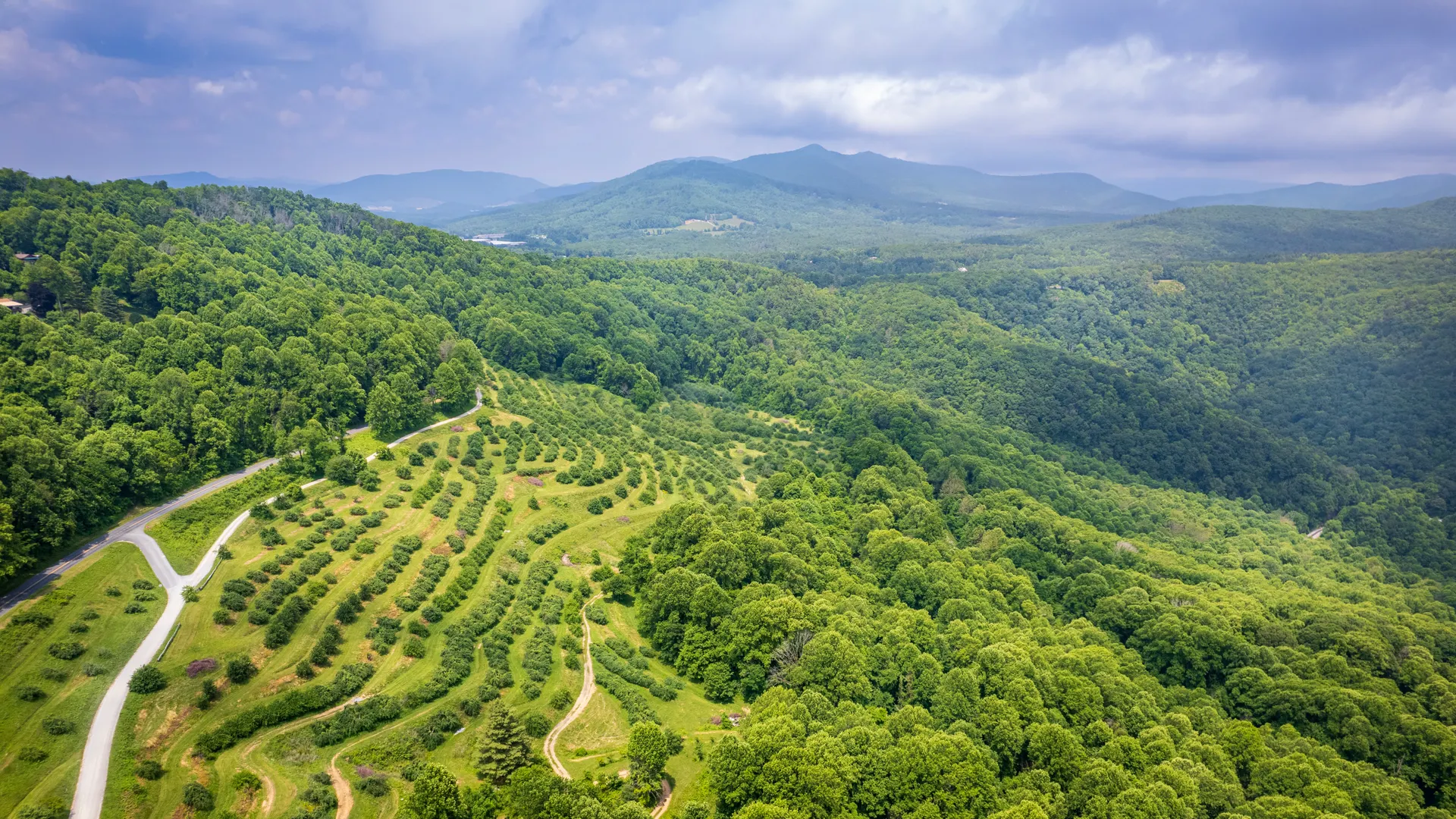
At more than half a million acres, Nantahala National Forest is the largest of North Carolina's four national forests, sprawling across the far southwestern corner of the state. That means a deep menu of camping options, from developed campgrounds with restrooms and water to completely free dispersed sites deep on the forest roads. Whether you want a basecamp for whitewater on the Nantahala Gorge, summit hikes to Wayah Bald, or waterfall days at Whitewater Falls, there is a site to match. Use this as a lodging companion to our Nantahala National Forest hiking itinerary.
Developed Campgrounds Worth Booking
These Forest Service campgrounds offer the most amenities and are the safest bet for first-time visitors. Many sites are reservable on Recreation.gov, while some operate first-come, first-served.
- Standing Indian Campground - near Franklin, a beloved basecamp along the Nantahala River headwaters with easy access to the Appalachian Trail and a famous loop hike
- Cable Cove Campground - on Fontana Lake, ideal for paddlers and anglers, with lake access and quiet wooded sites
- Hanging Dog Recreation Area - near Murphy on Hiwassee Lake, good for families and boaters
- Hurricane Creek and Jackrabbit Mountain - smaller areas offering lake or creekside camping in the Tusquitee district
Most developed campgrounds operate seasonally, roughly spring through fall, and fill on summer weekends.
Free Dispersed Camping
One of Nantahala's best perks is the abundance of dispersed camping, which is free and requires no reservation across much of the forest. You will find established pull-offs and primitive sites along forest service roads in areas like the Nantahala Gorge, Wayah, and the backroads near Tellico. The rules are straightforward but firm:
- Camp at least 200 feet from water sources and use existing fire rings where present
- Pack out everything you pack in - there are no trash services
- Check for seasonal fire restrictions before lighting any campfire
- Some areas have stay limits, typically 14 days
Always confirm current closures with the local ranger district, since some forest roads close in winter or after storm damage.
Reservations and Fees
Reservable developed sites are booked through Recreation.gov, often up to six months in advance, which matters for popular weekends at Standing Indian and Cable Cove. Fees are modest, generally in the low-to-mid double digits per night, with extra for electric hookups where available. Dispersed camping is free. Bring cash for any first-come, first-served self-pay stations.
Bear Safety and Leave No Trace
This is genuine black bear country. The Southern Appalachians have one of the densest black bear populations in the East, so food storage is not optional.
- Use the campground's bear-proof lockers or a hard-sided vehicle; in the backcountry, hang or use a bear canister
- Never leave food, coolers, or scented items at your site unattended
- Cook and store food away from your tent
Following Leave No Trace keeps these wild areas open and undamaged for the next campers.
Picking the Right Basecamp
Match your campground to your plans. Stay near Franklin and Standing Indian for Appalachian Trail and Wayah Bald hikes; pick a Nantahala Gorge dispersed site or Wesser-area private campground for back-to-back rafting and hiking days; and base on Fontana or Hiwassee Lake if you want to mix paddling with trails. Whitewater Falls and the Highlands-Cashiers waterfalls are an easy drive from the eastern side of the forest. For a ready-made plan that sequences these regions efficiently around a campsite basecamp, follow our 3-day Nantahala hiking itinerary.
Nantahala National Forest Camping FAQs
Yes. Free dispersed camping is permitted across much of Nantahala National Forest along forest service roads. Camp at least 200 feet from water, pack out all trash, and check for seasonal fire restrictions and road closures with the local ranger district.
Standing Indian Campground near Franklin is a top pick for hikers thanks to its Appalachian Trail access, while Cable Cove on Fontana Lake suits paddlers and anglers. Both are reservable on Recreation.gov.
Yes. The Southern Appalachians have a dense black bear population. Use bear-proof lockers or a hard-sided vehicle at campgrounds, and hang food or use a bear canister in the backcountry. Never leave food unattended.