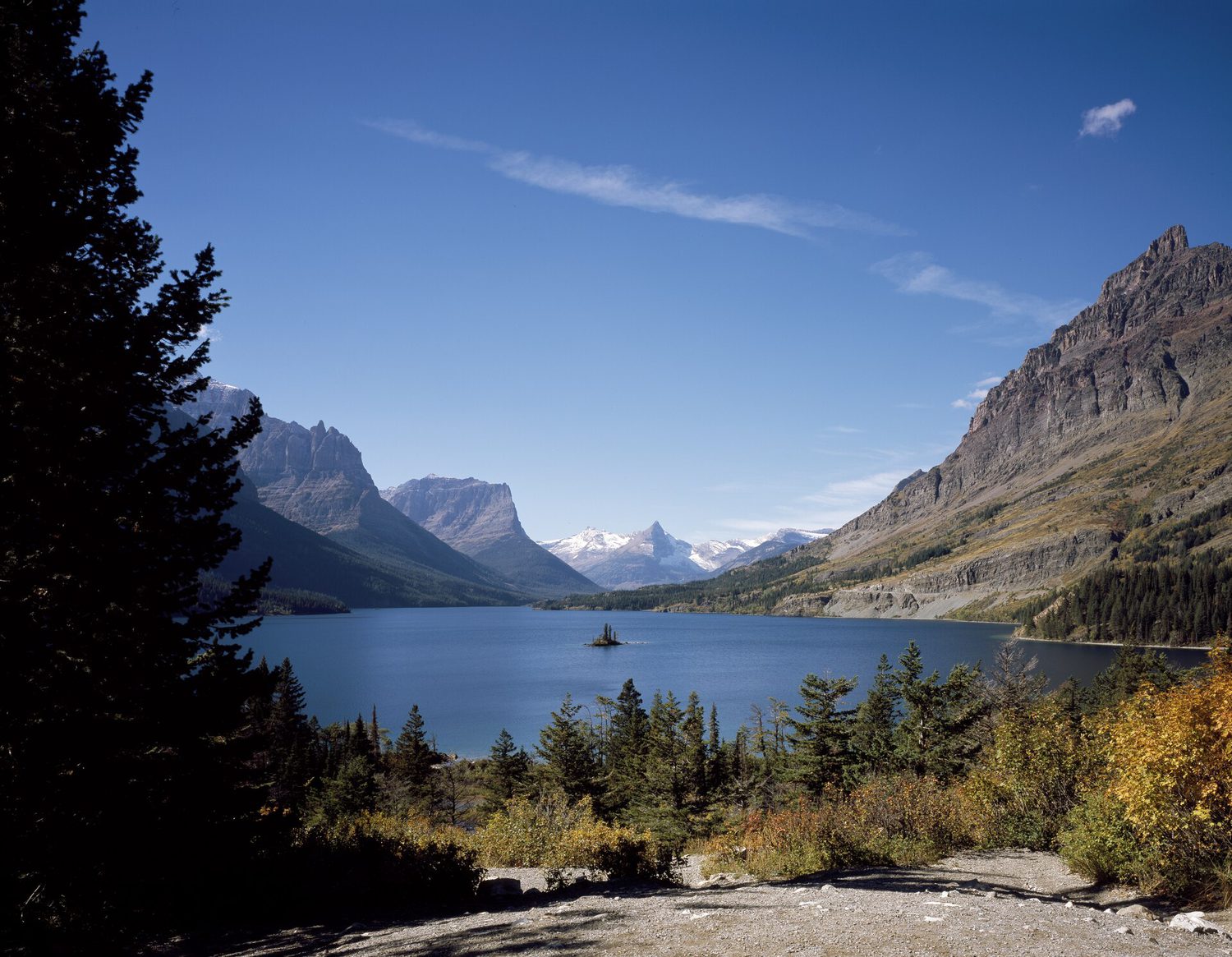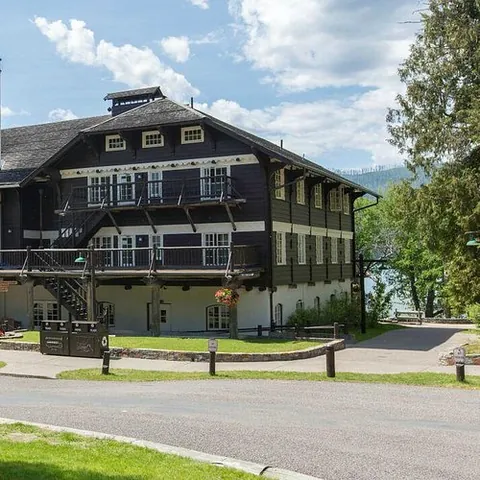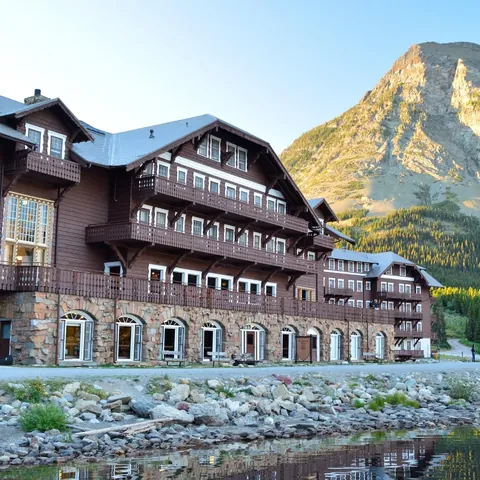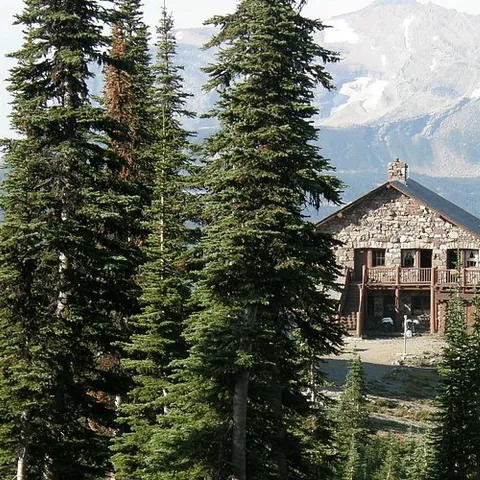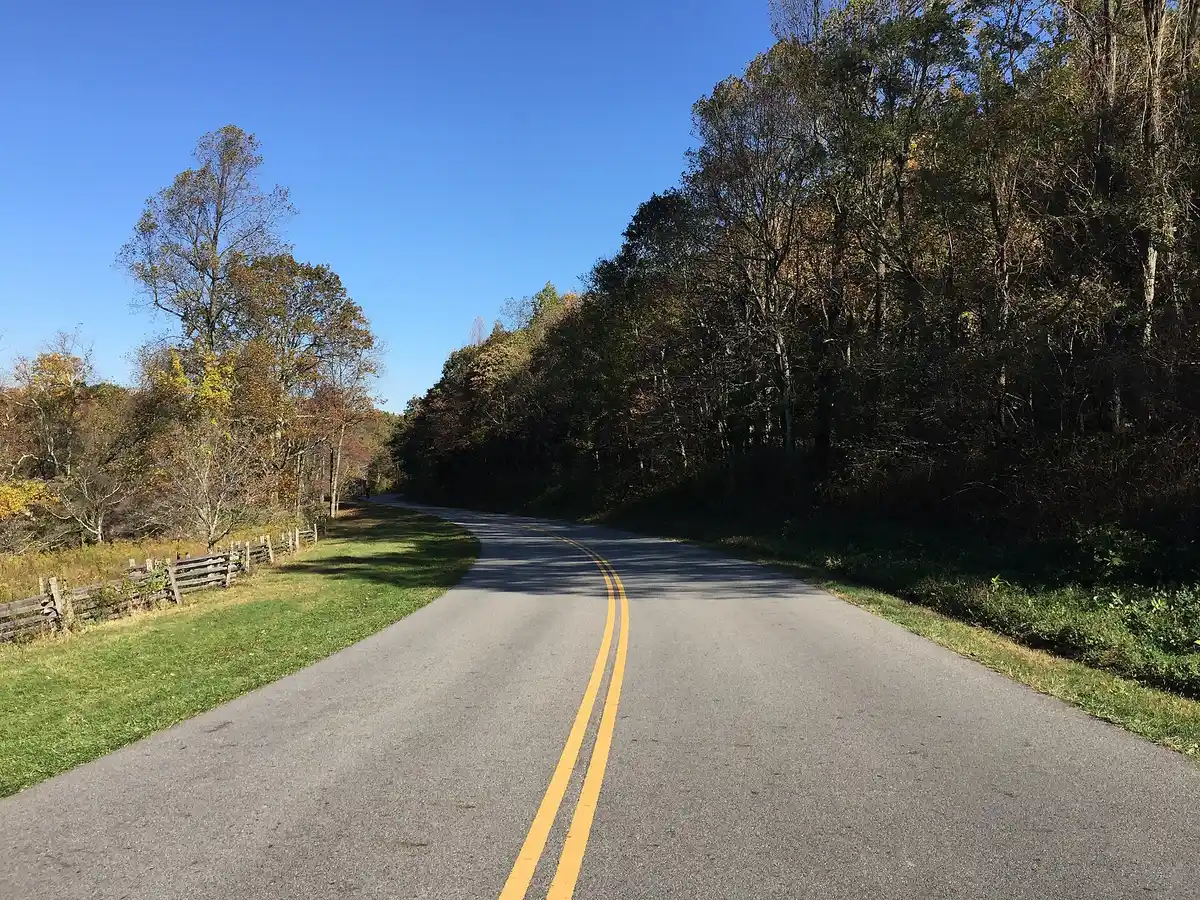
Camping is the best way to slow down on the Blue Ridge Parkway. Instead of racing between overlooks, you wake up to mist rising off the ridgelines and catch sunrise without fighting day-trip traffic. The National Park Service operates eight campgrounds spread along the 469-mile route, each tied to a different stretch of trails and scenery. Here is how to choose, and how to lock in a site.
The Eight Parkway Campgrounds, North to South
Knowing the mileposts makes planning far easier, since the parkway is measured from Milepost 0 at Rockfish Gap, Virginia, to Milepost 469 at the Cherokee, North Carolina entrance to Great Smoky Mountains National Park.
- Otter Creek (MP 60.8, Virginia): Low elevation along a creek near the James River, good for early and late season when the high country is cold.
- Peaks of Otter (MP 86, Virginia): Set beside a lake with Sharp Top and Flat Top rising overhead. A classic Virginia base camp.
- Roanoke Mountain (MP 120.4, Virginia): The closest campground to a city, handy for resupply in Roanoke.
- Rocky Knob (MP 167, Virginia): Quiet, high-meadow camping near the Rock Castle Gorge trail.
- Doughton Park (MP 239, North Carolina): Sprawling grassy ridgetop with some of the best stargazing on the parkway.
- Julian Price (MP 297, North Carolina): The largest campground, on Price Lake near Grandfather Mountain, and the most popular for hikers.
- Linville Falls (MP 316.3, North Carolina): Steps from the waterfall trails and the rim of Linville Gorge.
- Mount Pisgah (MP 408.6, North Carolina): The highest campground at about 5,000 feet, cool even in summer, near Asheville and Graveyard Fields.
Reservations and Seasons
Most parkway campgrounds operate from early May through late October, closing once nighttime temperatures drop. Sites are bookable through Recreation.gov, and the prime months of September and October fill fast, especially Julian Price and Mount Pisgah during leaf season. Book the moment your dates open on the six-month rolling window. A limited number of first-come, first-served sites exist at several campgrounds, but counting on them during peak fall is risky.
Expect tent and RV sites, potable water, and restrooms, but no hookups and no showers at the campgrounds themselves. There is no cell service at most of them, which is part of the appeal. Pack out what you pack in and store food properly, because black bears are active throughout the corridor.
Which Campground Fits Your Trip?
Match the campground to your goals:
- Best for hikers: Julian Price, with lake loops, Moses Cone carriage trails, and Grandfather Mountain nearby.
- Best for waterfalls: Linville Falls, with quick access to the upper and lower falls overlooks and Linville Gorge.
- Best for cool summer nights: Mount Pisgah, high enough that you will want a real sleeping bag in July.
- Best for solitude and stars: Doughton Park, where the open ridgeline opens up huge dark skies.
To string several of these campgrounds into a logical south-to-north or north-to-south route with the standout trails built in, pair this guide with our Blue Ridge Parkway hiking itinerary, which lays out the drive by milepost so your campsites and hikes line up day to day.
Camping Tips for the Parkway
Fuel up in town before you turn onto the parkway, since there are no gas stations on the road itself. Bring layers even in summer, because high campgrounds like Mount Pisgah can dip into the 40s overnight. Arrive at your site with daylight to spare, as the parkway has no streetlights and the curves are slow going after dark. Finally, check the official road status before you go, because sections close for fog, ice, or maintenance with little notice.
Blue Ridge Parkway Camping FAQs
The National Park Service operates eight campgrounds: Otter Creek, Peaks of Otter, Roanoke Mountain, and Rocky Knob in Virginia, and Doughton Park, Julian Price, Linville Falls, and Mount Pisgah in North Carolina.
Reservations through Recreation.gov are strongly recommended, especially during peak fall foliage in September and October when sites at Julian Price and Mount Pisgah sell out. Some first-come, first-served sites exist but are unreliable during busy season.
No. The NPS campgrounds offer tent and RV sites with potable water and restrooms but no electrical or water hookups and no showers. Most also have little to no cell service.