Why Maroon Bells Requires Reservations
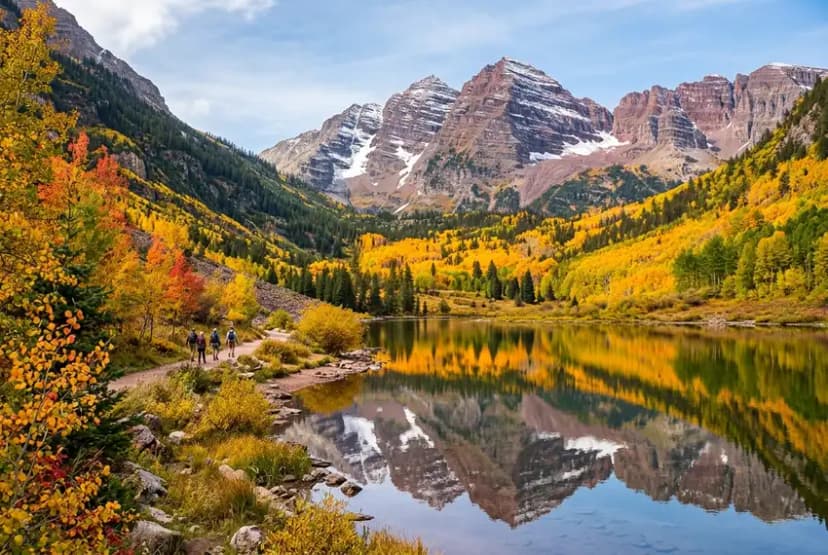
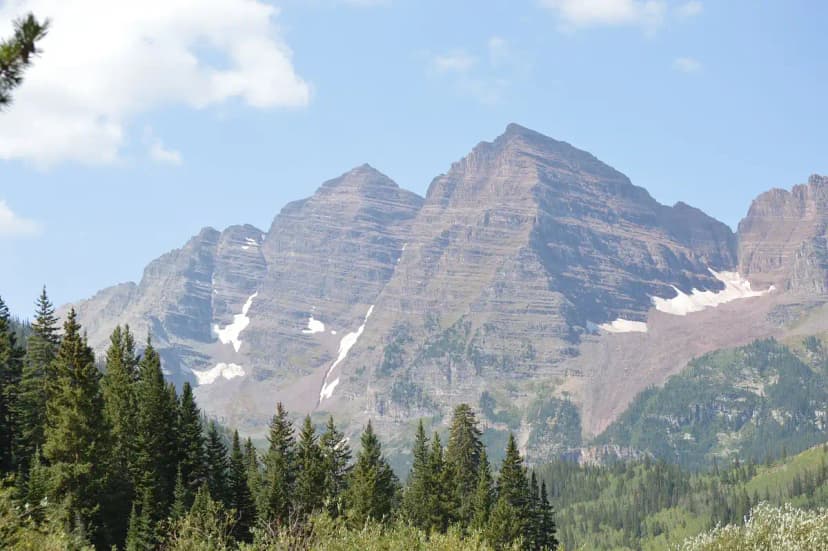
The Maroon Bells are two of the most photographed peaks in North America, and the narrow Maroon Creek Road that leads to them simply cannot absorb the crowds that show up each summer. To protect the basin, the White River National Forest and the Aspen area run a managed access system from mid May through late October. During that window you cannot just drive up to Maroon Lake whenever you feel like it. You need either a timed vehicle reservation or a seat on the shuttle, and if you plan to sleep in the wilderness you need a separate overnight permit. Showing up without the right reservation is the single most common way visitors get turned around at the welcome station.
The Shuttle Reservation (Most Visitors)
For day trippers, the easiest path is the Maroon Bells shuttle that departs from Aspen Highlands. Shuttle tickets are sold in timed slots and they sell out fast on summer weekends, so book as far ahead as you can. A few things to know before you reserve:
- Shuttle seats are released on a rolling basis, so check back if your date looks full.
- Each ticket is tied to a specific departure time, and you must ride back down on a later return bus.
- Bring a layer even in July. Maroon Lake sits near 9,580 feet and mornings are cold.
- Leashed dogs are allowed on most shuttles, but confirm when you book.
Vehicle and Parking Permits
If you would rather drive your own car to Maroon Lake, you need a timed parking reservation for a specific arrival window. These are limited and tend to vanish before the shuttle slots do. Reservations open seasonally and are released in batches, so set a reminder for the morning they go live. Outside the managed hours, very early morning and late evening sometimes allow direct vehicle access without a timed permit, which is how photographers chase the famous sunrise reflection, but the rules shift year to year and you should verify before you rely on it.
Overnight and Backpacking Permits
Anyone camping in the Maroon Bells-Snowmass Wilderness needs a free self issued overnight permit, filled out at the trailhead registration boards. The permit is required for the popular Four Pass Loop, the Conundrum Hot Springs corridor, and any night spent at Crater Lake. Conundrum Hot Springs in particular uses a separate designated site reservation system because demand is so heavy. If your goal is the full circuit, our Maroon Bells Four Pass Loop backpacking guide walks through the day by day route, the four passes you cross, and where to legally pitch a tent each night.
Costs and Where to Book
Shuttle and parking reservations carry a modest per person or per vehicle fee, and there is typically a separate amenity or recreation fee for the basin. Overnight wilderness permits are free, but bear canisters are mandatory for camping and that is a cost worth planning for. All managed access reservations route through the official recreation reservation portal for the White River National Forest, not third party resellers, so be wary of any site charging inflated prices.
Timing Your Booking
The single biggest mistake is booking late. July and August weekends, plus the last two weeks of September when the aspens turn gold, are the hardest dates to land. If you want the fall color reflection at Maroon Lake, reserve the moment slots open for that window. Midweek dates in June and early October are far easier and the basin is noticeably quieter. Build in a buffer day in case wildfire smoke or an early snowstorm closes the road, which does happen at this elevation.
Final Checklist Before You Go
Confirm your reservation type matches your plan, screenshot your confirmation in case cell service drops, and arrive at Aspen Highlands at least twenty minutes before your shuttle slot. If you are backpacking, fill out the wilderness permit at the trailhead and pack your bear canister. With the paperwork sorted, you can focus on what actually matters, which is standing at the edge of Maroon Lake watching first light hit the Bells.
Maroon Bells Permits and Reservations FAQs
Yes. From roughly mid May to late October you need either a timed shuttle ticket from Aspen Highlands or a timed vehicle parking reservation for Maroon Lake. Without one you will be turned away at the welcome station during managed hours.
Yes, a free self issued overnight permit is required for any night in the Maroon Bells-Snowmass Wilderness, including the Four Pass Loop and Crater Lake. Bear canisters are also mandatory, and Conundrum Hot Springs needs a separate site reservation.
As early as possible. Summer weekends and the late September aspen color window sell out first. Midweek dates in June and early October are much easier to secure on shorter notice.