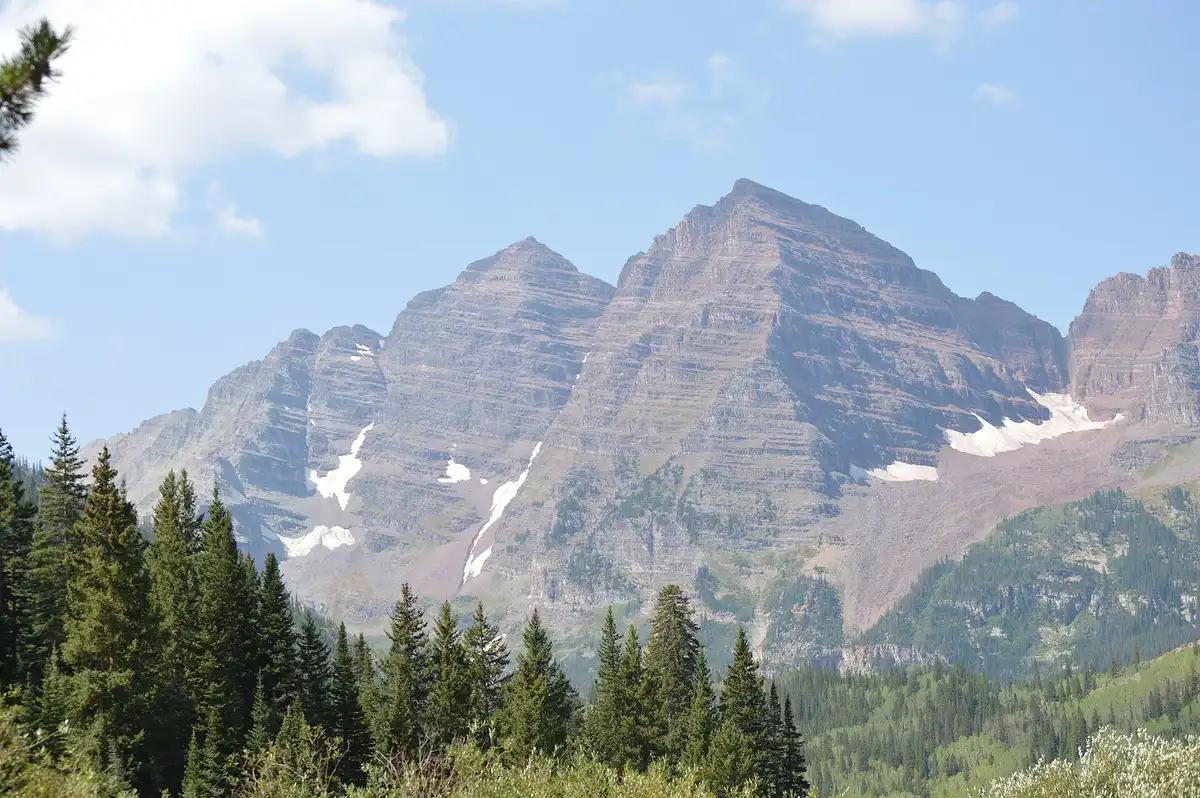

Summer: July and August
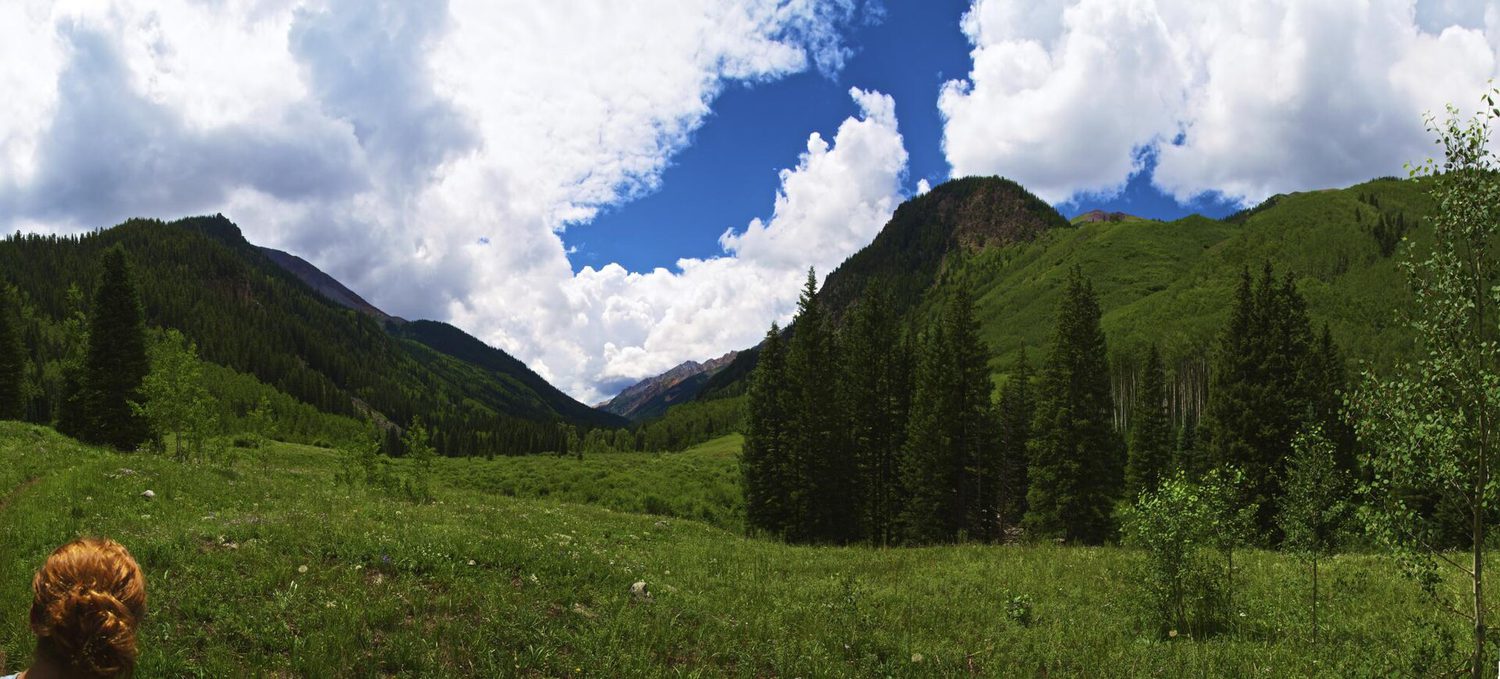
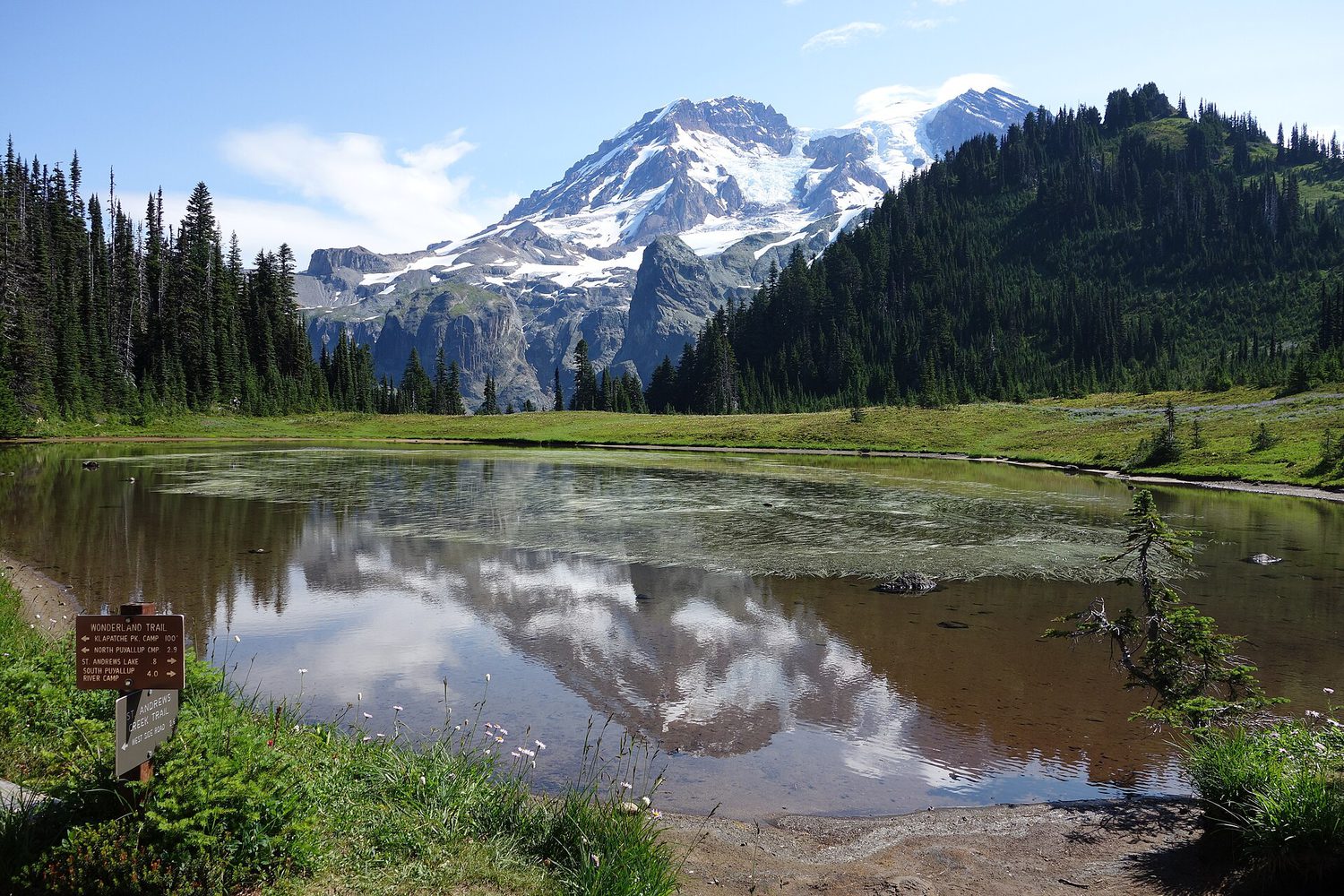
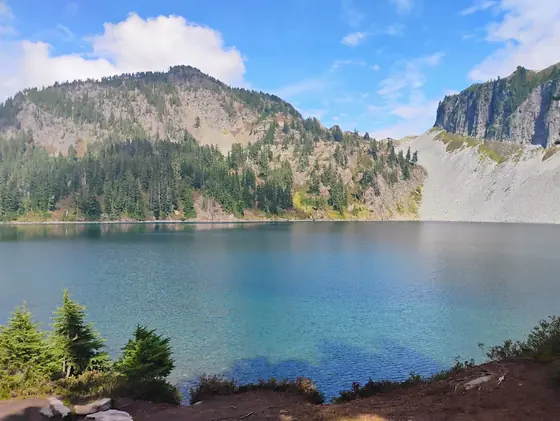
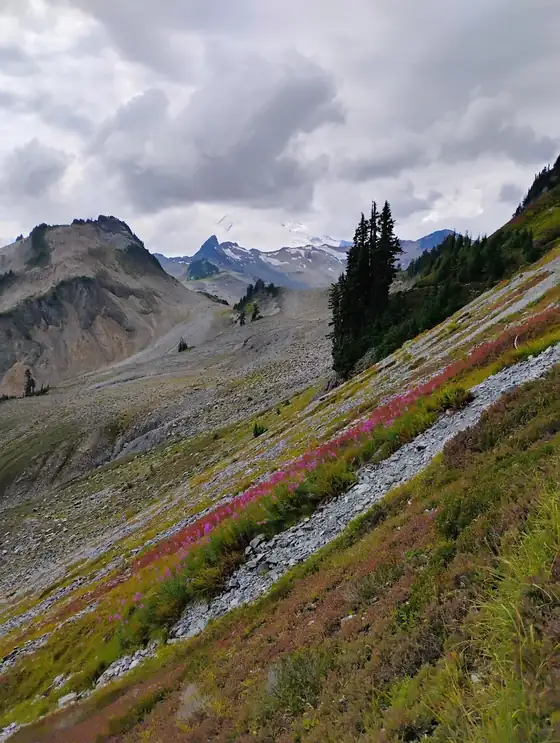
This is prime time for most visitors. By mid July the snow has melted off the lower trails, the Crater Lake Trail is fully open, and meadows along Maroon Creek burst with columbine, paintbrush, and lupine. Daytime highs at Maroon Lake sit in the comfortable 60s to low 70s Fahrenheit, but mornings can dip near freezing. The catch is afternoon thunderstorms. They build almost daily, so start early and be off exposed terrain by noon. Summer is also the busiest stretch, which is why shuttle and parking reservations are essential.
Fall: The Famous Aspen Color
Late September is when the Maroon Bells become one of the most photographed scenes in the country. The hillsides of quaking aspen ignite in gold and orange, often with fresh snow dusting the twin 14,000 foot peaks behind them. Peak color usually lands in the final two weeks of September, though it shifts with elevation and the year. This is the hardest time to get a reservation, so book the instant slots open. If you want the full alpine experience during this window, our Four Pass Loop backpacking guide covers how to time the loop around the color and the early storms.
Spring and Early Season
Maroon Creek Road typically opens to managed access in mid to late May, but high passes and the upper loop stay snowbound well into summer. Early June offers raging snowmelt waterfalls, green meadows just waking up, and far thinner crowds, but expect lingering snow on shaded trail sections and very cold nights. Microspikes and trekking poles are worth carrying if you plan to push past Crater Lake this early.
Sunrise and Photography Timing
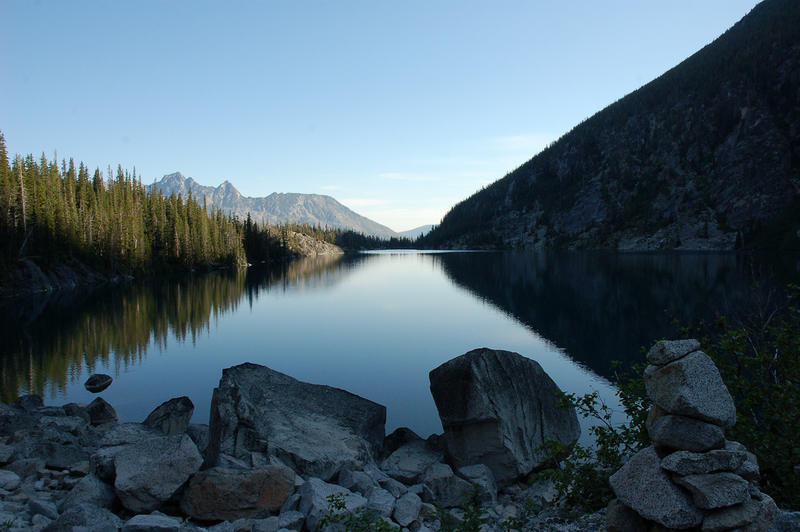
The signature shot is the Bells mirrored in Maroon Lake at first light, when the rising sun paints the peaks pink before any wind ripples the water. To catch it you want to be lakeside before dawn, which usually means an early vehicle window or being among the first off the shuttle. A few tips:
- Calm mornings give the cleanest reflection, so check the wind forecast.
- Fall color plus a still lake is the holy grail, but it draws crowds of photographers, so arrive even earlier.
- A light tripod and a warm layer are non negotiable, even in August.
Weather and Elevation Reality Check
Maroon Lake sits near 9,580 feet and the passes on the loop top out above 12,000 feet, so altitude affects everyone. Give yourself a day or two in Aspen to acclimate, drink more water than feels necessary, and never gamble with afternoon lightning. Snow can fall in any month at the high passes, and the basin has been closed by wildfire smoke in dry late summers. Build flexibility into your plans.
So When Should You Go?
If you only get one trip, go in the last two weeks of September for the color, book your reservation early, and start before dawn. If you want wildflowers and warmth, choose late July. If you crave quiet, pick a weekday in early June or early October and accept that some high terrain may still be snowed in. Any of these will give you a Maroon Bells worth the trip.
Best Time to Visit Maroon Bells: Month by Month for 2026 FAQs
Peak color usually lands in the last two weeks of September, though it varies by elevation and year. Reserve shuttle or parking slots the moment they open because this is the busiest window of the season.
Daytime highs at Maroon Lake reach the 60s to low 70s Fahrenheit in July and August, but mornings can drop near freezing. Afternoon thunderstorms build almost daily, so start hikes early and get off exposed terrain by noon.
Early June offers thin crowds, big snowmelt waterfalls, and green meadows, but the high passes and upper Four Pass Loop are often still snowbound. Expect lingering snow on shaded trails and very cold nights.