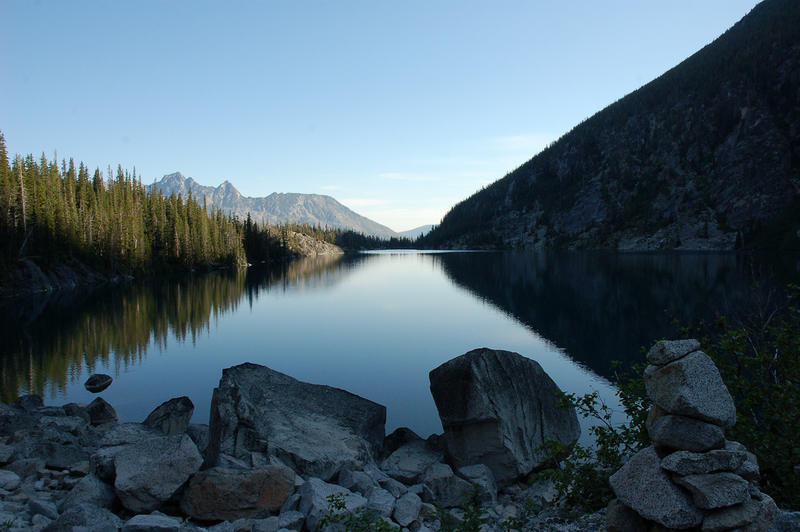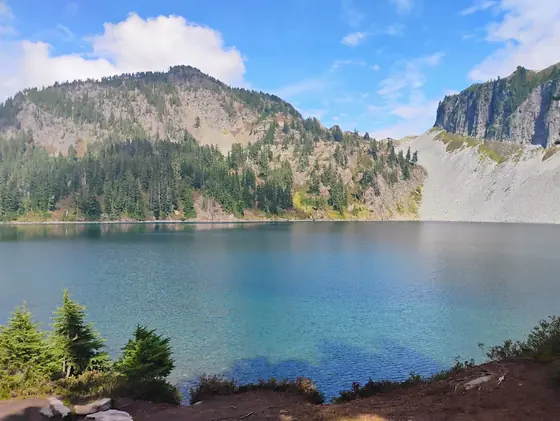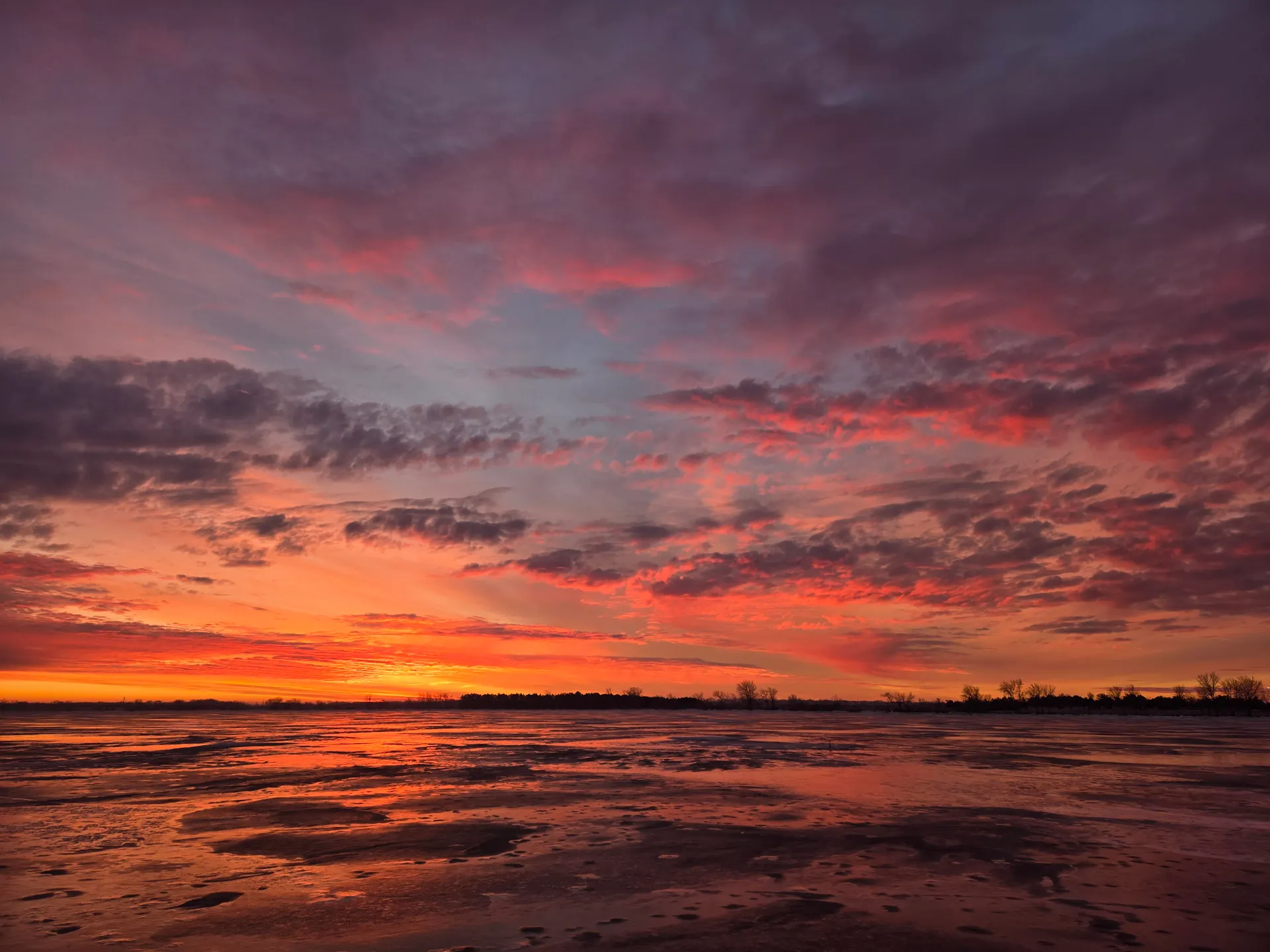
Lake Sakakawea is the third-largest reservoir in the United States, a 178-mile stretch of the dammed Missouri River that anchors central and western North Dakota. For anglers it is one of the best multi-species fisheries in the northern plains, famous above all for its walleye but also holding trophy chinook salmon, northern pike, smallmouth bass, and chunky white bass. This guide breaks down what is biting, where to launch, and when to go.
Walleye: The Main Event
Walleye are the reason most people fish Sakakawea. The reservoir consistently produces both numbers and size, and the bite shifts predictably through the year. In spring, fish stage near the upper end of the lake around the Williston area and the river inflow, where rising water and warming temperatures pull them shallow. Through summer, the classic tactic is to pull bottom bouncers and spinners tipped with crawlers or leeches along main-lake points and reefs in 18 to 30 feet of water. By fall, big females move shallow again to feed before winter, and trolling crankbaits along windblown shorelines can put the largest fish of the year in the net.
Chinook Salmon and Northern Pike
Sakakawea is one of the only inland fisheries in the region with a self-sustaining and stocked chinook salmon population. Salmon are caught by trolling flashers and spoons in the deep, cold water of the lower lake near Garrison Dam, especially from late summer into the fall spawning run when the state egg-take operation runs below the dam. Northern pike, meanwhile, prowl the weedy bays and creek arms across the entire reservoir and will hammer spoons, spinnerbaits, and large minnows. The dam tailrace and the many flooded coulees on the south shore are reliable pike water.
Best Boat Ramps and Access Points
Sakakawea has dozens of public ramps, but a few stand out for reliability and access to productive water:
- Fort Stevenson State Park (near Garrison) offers excellent ramps, a marina, and quick access to mid-lake walleye structure.
- Lake Sakakawea State Park (near Pick City) sits next to Garrison Dam and is the launch of choice for salmon trolling on the lower lake.
- Van Hook Arm (near New Town) is a perennial walleye hotspot and one of the most popular tournament areas on the lake.
- Beulah Bay and Dakota Waters serve the eastern and central basins well.
- Lewis and Clark State Park (near Williston) gives access to the upper, more river-like end favored by spring anglers.
Shore Fishing and Without a Boat
You do not need a boat to fish Sakakawea. The Garrison Dam tailrace below the dam is the single best shore spot, producing walleye, salmon, smallmouth, and the occasional paddlefish snagging opportunity in spring. State park shorelines, jetties at the marinas, and the New Town breakwaters all give bank anglers a real shot. Bring a slip-bobber rig with a leech or a jig-and-minnow and fish the first hour after sunrise and the last hour before dark.
Licenses, Seasons, and Trip Planning
Anyone 16 and older needs a North Dakota fishing license, available online through the Game and Fish Department, and a separate paddlefish tag is required if you plan to snag in the Yellowstone-Missouri confluence area upstream. The open-water season runs roughly from ice-out in April through freeze-up in late November, and hardwater anglers flock to the lake for ice fishing from December into March. Sakakawea is big, exposed, and can build dangerous waves in minutes, so always check the wind forecast before launching. If you would rather experience these waters under paddle power and combine the fishing with the badlands rivers upstream, our North Dakota canoe trip itinerary includes flatwater days on Lake Sakakawea itself.
Lake Sakakawea Fishing Guide FAQs
Walleye are the headline species, but Lake Sakakawea also holds chinook salmon, northern pike, smallmouth bass, white bass, perch, and paddlefish. It is one of the most diverse fisheries in North Dakota.
Late May through July is prime time as walleye move onto main-lake points and reefs, and fall produces the biggest fish as females feed before winter. Spring near Williston is best for shallow, aggressive walleye.
Yes. Anyone 16 or older needs a North Dakota fishing license from the Game and Fish Department, and a separate paddlefish tag is required for snagging in the upper Missouri confluence area.