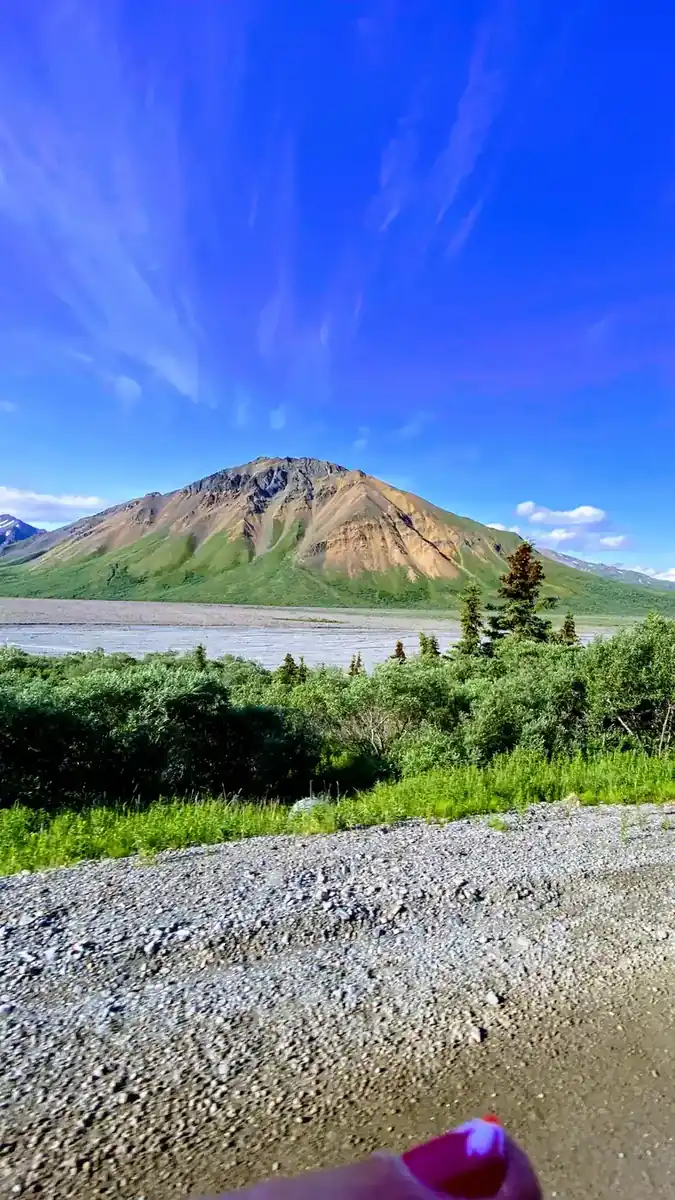
Theodore Roosevelt National Park sits in the wide-open western North Dakota badlands, a landscape of layered buttes, free-roaming bison, and the winding Little Missouri River. Because it lies on the northern plains, the park has a genuine four-season climate with dramatic swings, and the time you choose to visit will shape everything from which trails are walkable to whether the bison are calving. Here is how the year breaks down.
Summer (June to August): Peak Season

Summer is when most travelers arrive, and for good reason. Days are long, all roads and services in both the South Unit at Medora and the North Unit at Watford City are fully open, and the Medora Musical runs nightly in the canyon amphitheater. The tradeoff is heat and exposure. Afternoon temperatures routinely climb into the upper 80s and 90s with little shade on the trails, so big hikes like the Petrified Forest Loop are best tackled at dawn. July also brings the occasional violent thunderstorm rolling across the plains. Summer is still the easiest time to visit if you want guaranteed access and warm river water.
Fall (September to October): The Sweet Spot
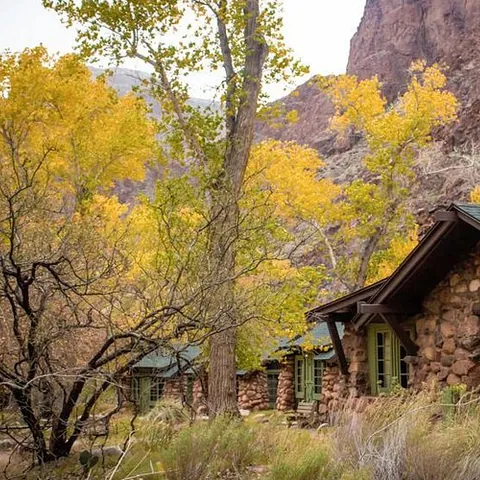
Many regulars will tell you September is the best month of all. Crowds thin out after Labor Day, daytime temperatures settle into a comfortable 60s-to-70s range, and the cottonwoods along the Little Missouri turn brilliant gold by late September and early October. Wildlife is highly active as bison enter the rut in late summer and elk bugle in the North Unit. The light is softer and the photography is at its best. Pack layers, because nights drop toward freezing by mid-October.
Spring (April to May): Green Hills and Mud
Spring is a quietly excellent and underrated time to visit. The hills green up, wildflowers appear, and bison calves, the famous orange "red dogs," start dropping in April and May. Bird migration is in full swing along the river corridor. The catch is the weather and the trails. Spring storms can drop snow into May, and the bentonite clay known as gumbo turns paths into a slick, boot-grabbing mess after any rain. Check road and trail conditions at the visitor center before you commit to a hike.
Winter (November to March): Solitude
Winter visitors have the badlands almost entirely to themselves. Snow dusting the buttes is genuinely beautiful, and bison, deer, and feral horses are easy to spot against the white. But conditions are harsh. Temperatures can plunge well below zero, the Scenic Loop Drive in the South Unit may be closed or unplowed beyond a certain point, and services in Medora largely shut down for the season. Winter is for hardy, self-sufficient travelers who want raw solitude.
Quick Season Comparison
- Best overall: September for mild weather, fall color, and thin crowds.
- Best for wildlife: May for bison calves and migrating birds, or September and October for the bison rut and elk.
- Best for full services and events: June through August, including the Medora Musical.
- Best for solitude: late October through April, weather permitting.
- Most challenging: deep winter and muddy spring days after rain.
Planning Around the River
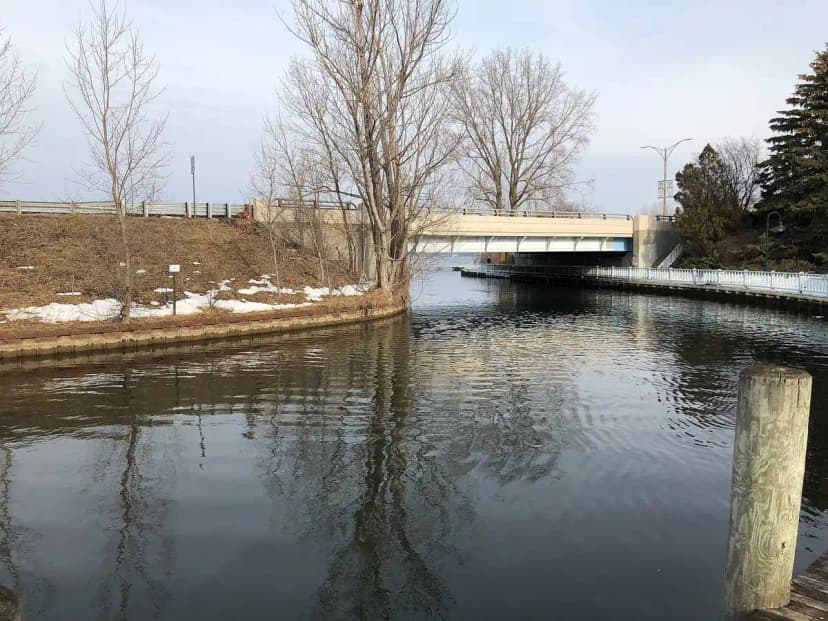
If your trip centers on water as much as the buttes, timing matters even more. The Little Missouri River is highly seasonal and runs at canoe-able levels mainly during the spring snowmelt and early-summer window, often drying to a trickle by midsummer, while Lake Sakakawea offers reliable flatwater paddling all season. To line up the badlands, the river, and the big reservoir into one trip, see our North Dakota canoe trip itinerary, which is built around exactly this seasonal timing.
The Best Time to Visit Theodore Roosevelt National Park FAQs
September is widely considered the best month. You get mild daytime temperatures, the start of fall color along the Little Missouri River, active wildlife during the bison rut, and far smaller crowds than summer.
Summer afternoons routinely reach the upper 80s to mid 90s Fahrenheit with very little shade on the trails. Plan strenuous hikes for early morning and carry plenty of water.
The park is open year-round, but winter brings sub-zero cold, possible road closures on the Scenic Loop Drive, and most Medora services close for the season. It offers stunning solitude for prepared visitors.