The Desert Is Not Like Other Hiking
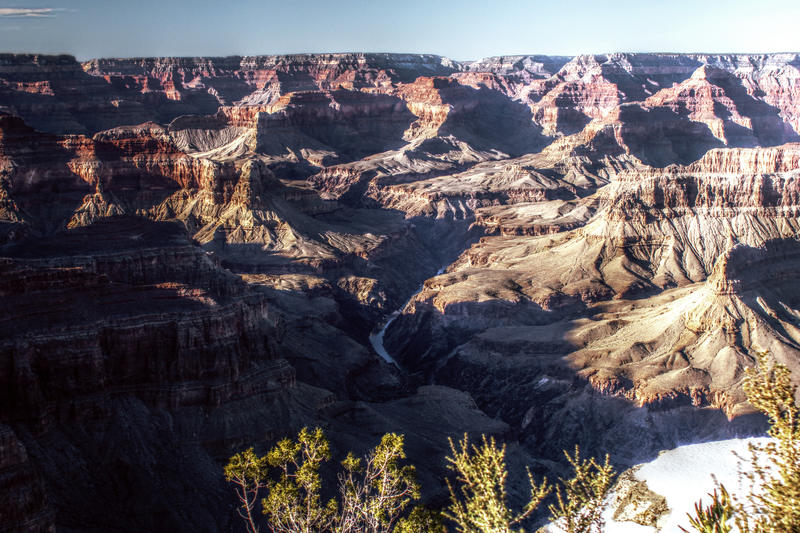
Every year, the Grand Canyon Search and Rescue team pulls people off the inner canyon trails in summer who thought they understood desert hiking. Most of them are experienced hikers from other environments. They know how to read weather, navigate trails, and move efficiently. What they underestimate is the speed at which the desert extracts water from a human body, and the consequences when it runs out.
Desert hiking operates on different rules. Heat and dehydration can kill you within hours in extreme conditions. There's no shade to save you, no stream to refill from, no cooling rainfall. The margin for error is narrower than mountain terrain, and the mistakes that are recoverable in a temperate forest can be fatal in canyon country.
This is not meant to discourage you from desert hiking, the Southwest contains some of the most spectacular terrain in North America. But the trails in Zion, the Grand Canyon, Arches, and the Sonoran Desert demand specific preparation that most hiking guides don't emphasize enough.
Water: The Non-Negotiable
The standard hiking recommendation is 0.5 liters per hour. In desert summer heat, double it. A five-hour hike in 100°F temperatures with significant elevation gain can require 3–4 liters per person. Start with more than you think you need.
The Grand Canyon's official recommendation for summer inner-canyon hiking is one liter per hour in temperatures above 90°F. They post this at every trailhead and still conduct over 400 rescues per year, most of them dehydration and heat-related. Read that number again: one liter per hour.
Practical water management:
- Carry a minimum of 3 liters on any desert hike over four miles. In summer temperatures above 85°F, carry 4–5 liters.
- Drink before you're thirsty. Thirst is a lagging indicator, by the time you feel thirsty, you're already 1–2% dehydrated, which measurably impairs physical and cognitive performance.
- Drink at regular intervals, set a reminder on your watch to drink every 20–30 minutes.
- Know where water sources are along your route. Check ranger station websites and recent AllTrails reports for water availability, sources that show on topo maps may be seasonal or dry.
- Carry a water filter (Sawyer Squeeze, BeFree) as backup. If you reach a water source, filter and drink before continuing rather than depending entirely on what you started with.
- Electrolytes matter. Drinking large volumes of plain water without electrolytes can lead to hyponatremia (low sodium), which causes headache, nausea, and in severe cases, seizures. Add electrolyte tablets (LMNT, Nuun, or Liquid IV) to your water, especially on long hot days.
Timing: The Most Important Decision You Make
In summer desert heat, when you hike matters more than what gear you have. The sun in canyon country is brutal from 10am through 4pm. Surface temperatures on exposed rock and trail can reach 150°F in full sun, enough to cook food, enough to burn through thin-soled shoes, enough to cause heat injury within minutes of direct exposure.
The solution is to invert your hiking day. Start at dawn, 5:30 to 6am, when temperatures are at their lowest. Complete the exposed, high-exertion sections before 10am. Find shade by 11am and wait through the worst heat of midday. Resume hiking after 4pm and plan to finish in the last light of evening.
This feels counterintuitive because most people are used to midday being the prime hiking window. In the desert in summer, midday is when you rest. It's what experienced desert hikers, canyon guides, and backcountry rangers all do, and it's why they're still out there while the rescue helicopters are circling above the exposed trails.
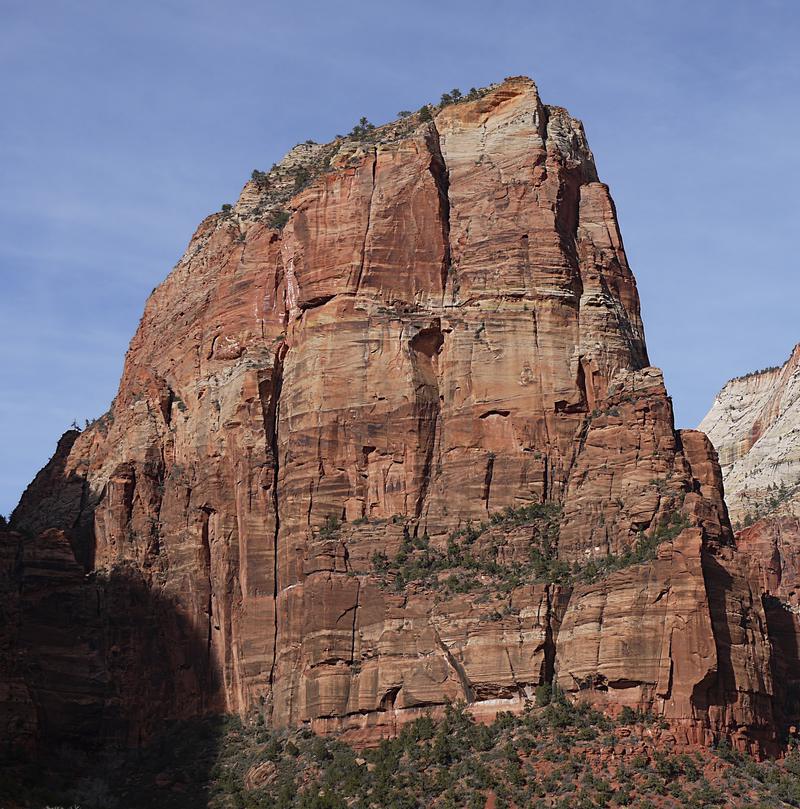
If you can't start at dawn, seriously consider whether a summer desert hike is the right choice. Many popular desert trails, Angels Landing, Bright Angel, The Narrows, post closures or strong warnings against midday summer hiking. They mean it.
Heat Illness: Recognizing and Responding
Heat illness exists on a spectrum. Understanding where someone is on that spectrum determines the response.
Heat cramps: Muscle spasms in legs, arms, or abdomen from salt loss during heavy sweating. Treatment: rest in shade, drink electrolyte solution, gentle stretching. Not dangerous in itself, but a warning sign to slow down and rehydrate.
Heat exhaustion: Heavy sweating, cool pale clammy skin, fast weak pulse, nausea, dizziness, headache, fainting. The person is still sweating, which means the body is still trying to cool itself. Treatment: get out of the sun immediately, loosen clothing, apply cool wet cloths, drink cool water with electrolytes. If symptoms don't improve within 15–30 minutes, this is an emergency, call for help.
Heat stroke: This is a medical emergency. Signs include high body temperature (above 103°F), hot red dry or damp skin, rapid strong pulse, confusion, loss of consciousness. The body has lost its ability to regulate temperature. Call 911 immediately. While waiting, move the person into shade, apply ice to neck, armpits, and groin, fan them aggressively. Every minute of untreated heat stroke causes organ damage.
Sun Protection
Exposed desert hiking means UV exposure at levels that surprise most people. At 6,000 feet elevation in the Colorado Plateau, UV intensity is significantly higher than at sea level. Red rock surfaces reflect UV back up at you. Sunburn in desert conditions is not a cosmetic problem, it damages your skin's ability to sweat, reduces your body's cooling capacity, and can progress to sun poisoning in severe cases.
The desert hiking sun protection stack:
- Sunscreen: SPF 50 or higher. Apply before you leave the car, reapply every 90 minutes on your face, neck, ears, and hands. Zinc oxide (white) sunscreen provides better UV-B and UV-A protection than chemical sunscreens.
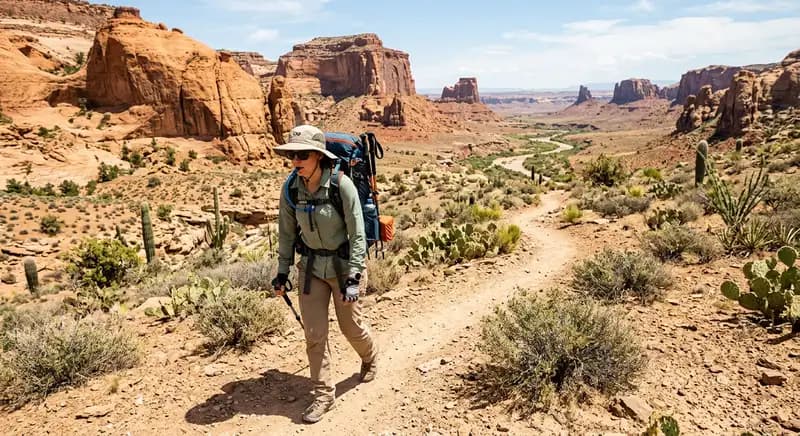
- Sun hat: Wide brim (3+ inches) covering face, ears, and neck. Tilley and Sunday Afternoons make lightweight packable options. A baseball cap is not adequate for desert hiking.
- Sun shirt: UPF 50+ long-sleeve shirts weigh less than a t-shirt, dry fast, and provide better protection than sunscreen alone. Columbia PFG, Outdoor Research Echo, and REI Sahara are popular options. Light colors reflect more heat.
- Sunglasses: Polarized lenses with UV protection. Canyon light reflecting off white sandstone is intense. Wrap-around frames prevent light from entering from the sides.
Footwear for Desert Terrain
Desert terrain is hard on feet in specific ways. Loose sand and gravel get into low shoes. Sandstone slabs require grip but punish feet with heat conducted through thin soles. Rocky canyon bottoms are uneven and punishing on ankles.
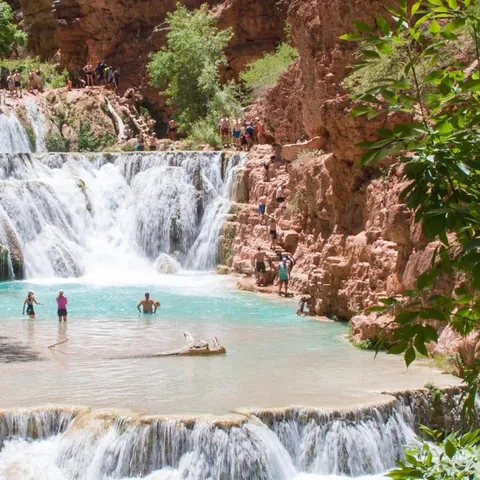
For most desert day hikes, trail runners with good grip and breathable uppers work well. In sand-heavy terrain, gaiters prevent sand from working into shoes and causing blisters. For canyon hikes that involve water (The Narrows, Havasupai), neoprene socks or canyoneering shoes that grip wet rock are essential, regular trail runners become slippery death traps on wet sandstone.
Avoid any footwear with exposed foam or mesh in thorny terrain (Joshua Tree, Sonoran Desert), cactus spines punch through mesh easily. Canvas or leather uppers provide more protection from spines.
Wildlife in Desert Terrain
Desert wildlife is concentrated around water and shade. Rattlesnakes shelter under rocks and in shade during the day and emerge in the warm evenings. Watch where you step and where you put your hands, never reach under a rock ledge or into a crack without looking. In rattlesnake territory, avoid hiking at dawn and dusk in summer when snakes are most active.
Scorpions are common in Southwest desert terrain and hide under rocks, in boots left outside, and in ground-level gear. Shake out your boots before putting them on. Check sleeping gear and clothing items that have been on the ground.
Desert Hiking Tips FAQs
Minimum 3 liters for any desert hike over 4 miles. In summer temperatures above 90°F, plan for 1 liter per hour of hiking. The Grand Canyon recommends 1 liter per hour for inner-canyon hiking in summer, take that seriously. Always carry more than you think you need.
At dawn, ideally 5:30–6am. Finish exposed high-exertion sections before 10am and find shade for the midday hours. Resume after 4pm. Hiking in direct desert sun between 10am and 4pm in temperatures above 95°F is dangerous regardless of how much water you carry.
Heat exhaustion: heavy sweating, pale clammy skin, weakness, nausea, dizziness. Rest in shade and rehydrate. Heat stroke: high body temperature, hot red skin, confusion, loss of consciousness, no longer sweating. This is a life-threatening emergency requiring immediate medical attention. Call 911.
Sometimes, but don't count on it. Check current water availability at trailhead ranger stations or recent AllTrails reports. Desert water sources are seasonal and unreliable. If a source is marked on a map from five years ago, it may be dry. Carry a filter (Sawyer Squeeze) but bring enough water to complete the hike without finding any.
Yes, with the right preparation and timing. Start at dawn, carry 1 liter per hour minimum, protect yourself from sun, know the signs of heat illness, and turn around if conditions feel beyond your limits. Dozens of heat-related rescues happen every summer because hikers underestimate desert conditions, the same trails are safely done by thousands who respect the environment.