Why You Can't Trust Backcountry Water
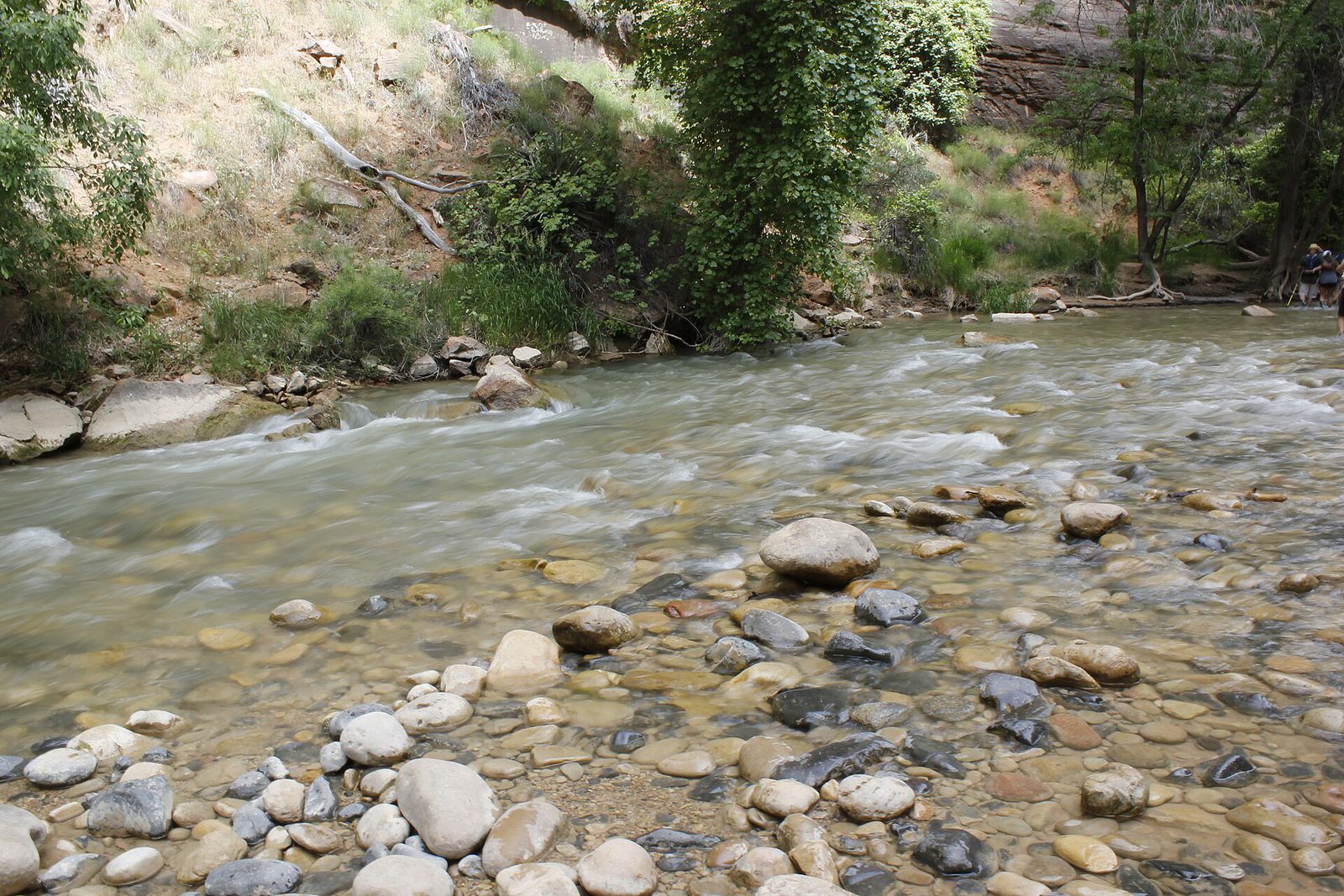
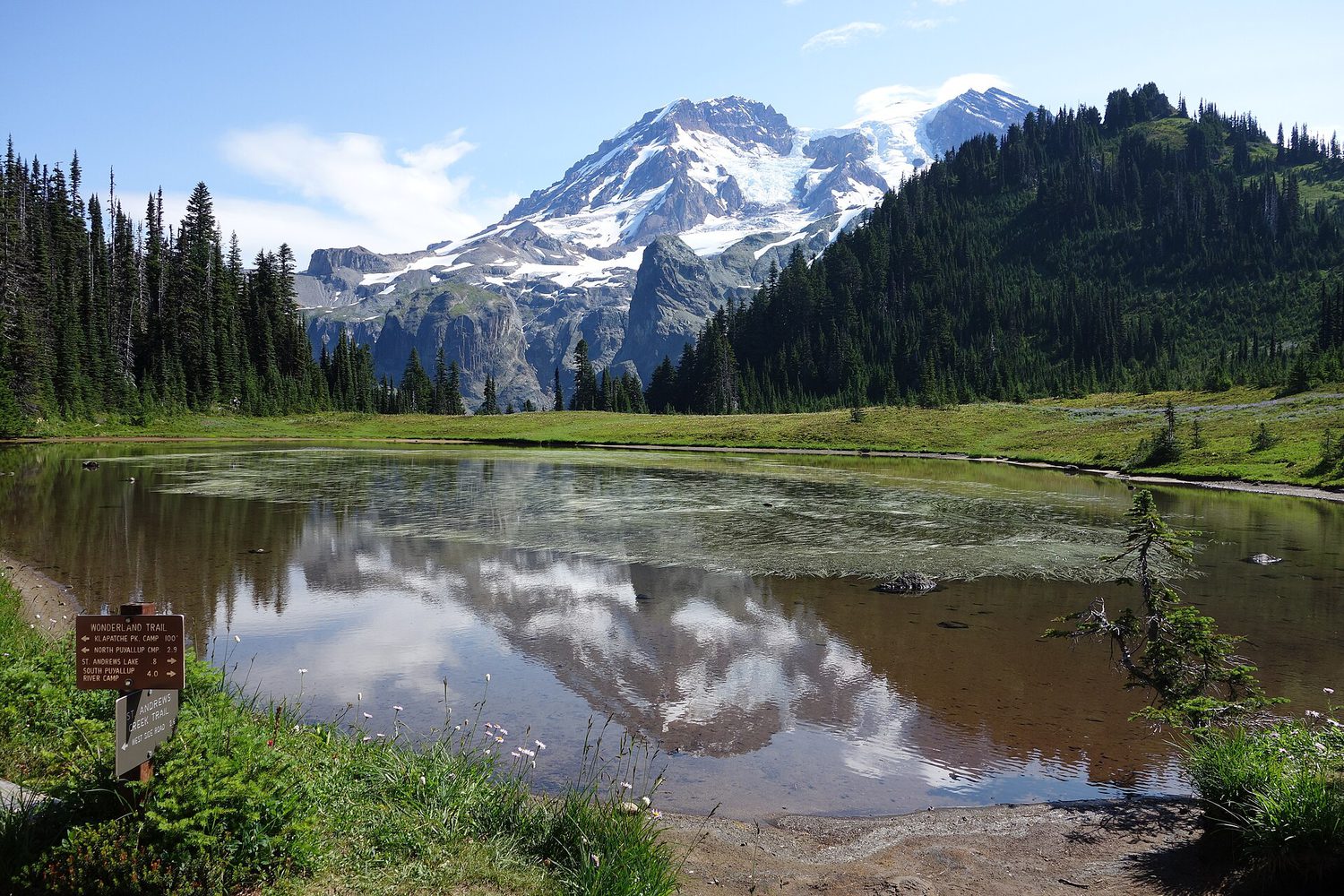
That cold, clear stream in the high Sierra looks safe. It isn't. Wild water sources, even remote, pristine-appearing ones, can carry Giardia lamblia, Cryptosporidium parvum, Norovirus, Hepatitis A, Campylobacter, and a range of other pathogens. Giardia in particular is pervasive in North American backcountry water. Symptoms appear 1–3 weeks after exposure, which means you'll be home and wondering where you picked up a GI illness before you connect it to that stream you drank from.
A single untreated mouthful is all it takes. The source doesn't matter, animals defecate in and near every water source, and runoff carries pathogens into streams from miles away. Treat every water source, every time.
The Four Methods
Backcountry water treatment breaks into four categories: physical filtration, chemical treatment, UV treatment, and boiling. Each has real strengths and specific failure points.
Physical Filters
Filtration physically removes pathogens by forcing water through a membrane with pores small enough to trap bacteria and protozoa. Most quality filters use a 0.1–0.2 micron pore size, which stops Giardia (6–20 microns), Cryptosporidium (4–6 microns), and bacteria (0.2–10 microns). Filters do NOT remove viruses, which are smaller than 0.1 microns.
In North America, viral waterborne illness is rare in backcountry settings because humans are the primary reservoir and backcountry areas have low human density. Most wilderness medicine programs consider filtration adequate for North American backcountry use. International travel and areas near high human traffic are different, use a purifier (which also kills viruses) in those contexts.
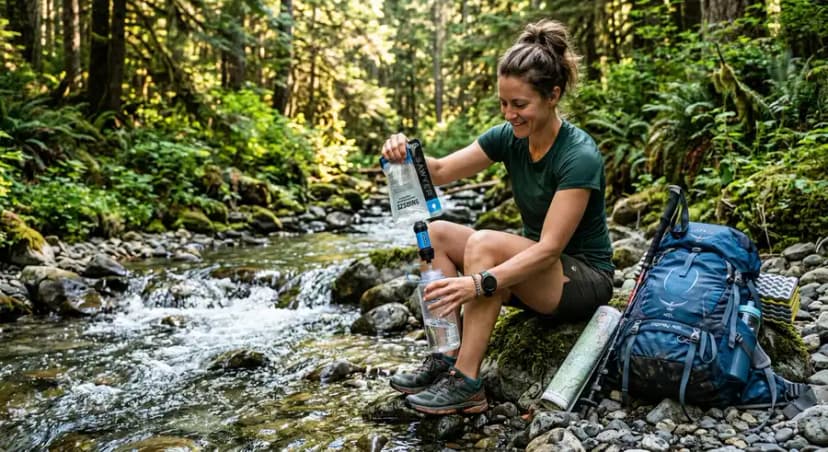
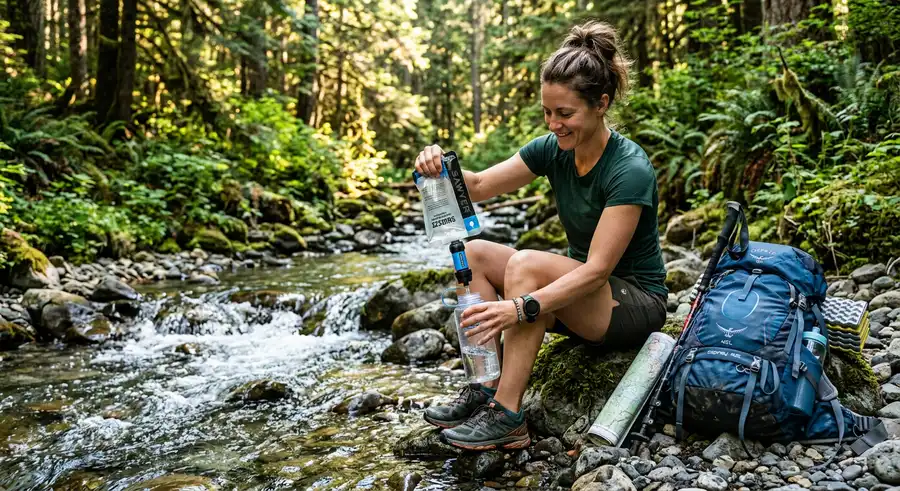
Sawyer Squeeze (2 oz, $30–40): The most widely recommended backpacking filter. Push or squeeze water through the hollow-fiber membrane into your bottle or reservoir. Filters to 0.1 microns. Can be backflushed to restore flow rate. Lifetime warranty. A 3-oz Sawyer Squeeze should be in every backpacker's kit. The main complaint: the included squeeze pouch punctures eventually, most people use a CNOC Vecto or Platypus bottle instead.
Sawyer Mini (1.8 oz, $20): Smaller and cheaper than the Squeeze, same filtration level. Slower flow rate and can't be used in-line with reservoirs as easily. Good for ultralight backpackers or as a backup filter.
MSR TrailShot (3.2 oz, $50): Pump-style filter that lets you drink directly from a source, puddles, shallow pools, seeps where you can't submerge a bottle. Useful for desert hiking. Slower per-liter throughput than squeeze filters but far more versatile for marginal water sources.
Katadyn BeFree (2 oz, $45): Integrated filter-bottle system. The soft flask collapses as you drink, so you don't get air lock. Fast flow rate. Better for day hiking because it doesn't pair as easily with a pack reservoir.
Platypus GravityWorks (4.4 oz for filter only, $90 system): Gravity-fed filter for groups or base camp. Fill the dirty bag, hang it up, filter flows passively into the clean bag. Best for making large volumes (4L+) without effort, popular on family backpacking trips and canoe camping.
Chemical Treatment
Chemical treatment uses iodine, chlorine dioxide, or sodium hypochlorite to kill pathogens. Unlike filters, chemicals penetrate viruses. Unlike filters, they require wait time and leave a taste.
Aquatabs (sodium hypochlorite): $10–15 for 50 tablets. One tablet per liter, 30-minute wait. Kills bacteria, viruses, and Giardia. Does NOT reliably kill Cryptosporidium. The most affordable treatment option and lightest to carry.
Iodine tablets (Potable Aqua): Similar to Aquatabs but with a stronger iodine taste. Kills bacteria, viruses, Giardia. Does not kill Crypto. Pregnancy and thyroid conditions are contraindications. Acceptable for short trips as backup, not ideal for extended use.
Chlorine dioxide tablets (Aquamira, Katadyn Micropur): The gold standard for chemical treatment. Kills bacteria, viruses, Giardia, AND Cryptosporidium at the 4-hour wait time (2-hour in warm clear water). Tastes better than iodine. Aquamira drops are a 2-part system (mix Part A and Part B first, then add to water). Micropur tabs are simpler, one tab per liter, no mixing. Both require planning ahead because of wait time, but Crypto coverage makes them the complete chemical solution.
UV Purification
UV light disrupts the DNA of pathogens, preventing them from reproducing. A short exposure (typically 60–90 seconds with the device activated) treats 1 liter. UV kills bacteria, viruses, Giardia, and Cryptosporidium, it's a true purifier, not just a filter.
SteriPen Ultra (3.7 oz, $100): The most popular UV device among ultralight backpackers who travel internationally. Rechargeable via USB. 8,000 treatments per charge. Works in any clear container, Nalgene, wide-mouth bottle, pot. Does NOT work in colored, silicone, or narrow-mouth containers. Also doesn't work well in turbid (cloudy) water, UV can't penetrate suspended particles.
The critical limitation of UV: it doesn't work in turbid water. If you're pulling from a silty glacial stream or muddy puddle, pre-filter the water through a bandana or coffee filter first to remove particles, then treat with UV. Or use a different method.
Boiling
Boiling is the oldest and most reliable water treatment method. Bringing water to a rolling boil (even at altitude, the common advice to boil longer at altitude is unnecessary for safety) kills all pathogens including Crypto. You don't need to boil for 10 minutes, one minute at rolling boil is sufficient at any altitude up to 20,000 feet.
Practical limitations: requires fuel, time, and waiting for water to cool before drinking. Not practical as a primary hydration method on a moving hike. Most useful when you're already boiling water for cooking (cook meals in filtered water, kill anything remaining in the process) or at camp when you need a large volume treated overnight.
Choosing the Right Method
Here's a simple decision guide:
- Solo or small group, North America: Sawyer Squeeze as primary, chemical tablets as backup. This covers you for everything in the backcountry and weighs under 3 oz combined.
- International travel or areas with high human impact: UV purifier (SteriPen) or chlorine dioxide tablets. You need virus coverage.
- Desert hiking with marginal sources: MSR TrailShot so you can access shallow seeps and pools, plus chemical backup for when conditions prevent filtering.
- Group camping or base camp: Platypus GravityWorks, make 4 liters at a time without effort.
- No backup plan: Boiling. Always works if you have fuel.
Common Mistakes
People reliably make the same filtration errors:
- Letting the filter freeze: Freezing damages hollow-fiber filters by bursting the fibers. A frozen Sawyer looks fine but may not filter properly. Backflushing doesn't fix freeze damage. Sleep with your filter in cold weather.
- Not backflushing: As a Sawyer clogs with use, flow rate drops. Backflushing every 20–50 liters restores performance. Ignore this and eventually it takes 5 minutes to filter a liter.
- Contaminating the clean side: If your clean output nozzle touches an unfiltered surface, your hands, an untreated bottle rim, you've re-contaminated the water. Keep clean and dirty sides separate.
- UV in turbid water: Already mentioned but worth repeating, if you can't see the bottom of a white cup through 10cm of water, UV treatment is unreliable.
- Storing chemical tablets in heat: Chlorine dioxide tablets degrade faster in heat. Store in a cool, dark place and check expiration dates before a trip.
How to Purify Water While Hiking FAQs
Yes. Even clear, high-altitude streams can carry Giardia and Cryptosporidium from wildlife. There's no way to visually assess water safety, always filter or treat, regardless of how clean the source looks.
The Sawyer Squeeze is the best all-around choice for most backpackers, lightweight, affordable, lifetime warranty, and 0.1-micron filtration. Pair it with chlorine dioxide tablets as backup and you're covered for virtually any North American backcountry water source.
Yes. One minute at a rolling boil kills all pathogens including Giardia, Crypto, bacteria, and viruses. You don't need to boil longer at altitude despite common advice, one minute is sufficient at any elevation up to 20,000 feet.
Not turbid (cloudy or silty) water. UV light can't penetrate suspended particles, leaving pathogens shielded. Pre-filter murky water through a cloth to remove particles before using UV. In clear water, UV is one of the most complete treatment methods available.
Freezing can permanently damage hollow-fiber filters by rupturing the fibers. The filter may still pass water but no longer filter properly. In freezing temperatures, sleep with your filter in your sleeping bag or jacket pocket to prevent freezing.