Why the permit exists
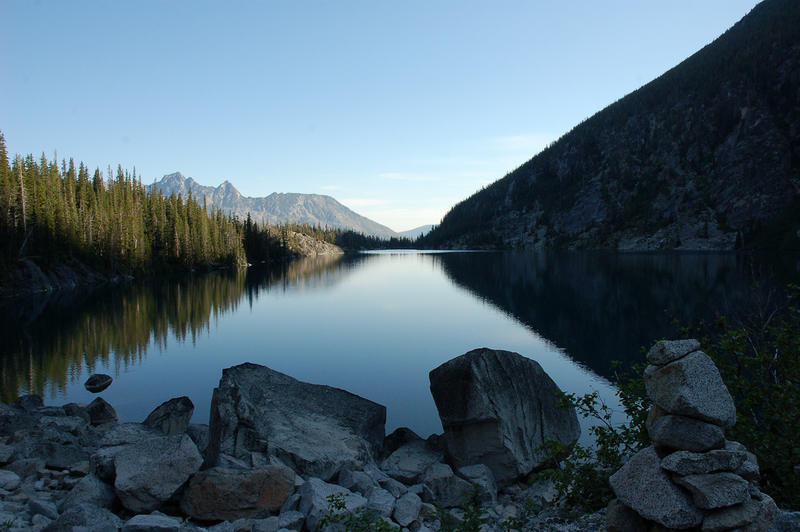
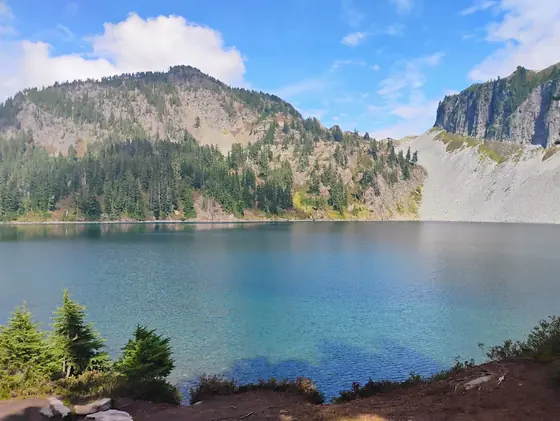
Conundrum Hot Springs is a set of natural pools at around 11,200 feet in the Maroon Bells-Snowmass Wilderness, eight and a half miles up a valley from Aspen. It became popular enough that the impact was visible: bare ground, damaged vegetation and human waste in a fragile alpine basin.
The response was a permit system with roughly 20 designated campsites, each of which you book individually. Camping anywhere else in the upper valley is not allowed, and the designated sites are numbered and spread out along the last stretch of the approach.
On human waste the Forest Service is clear but not absolute: wag bags are free at the trailhead and highly recommended, though not actually required. If you do not use one you are obliged to bury solid waste six to eight inches deep, at least 200 feet from water, camp and trail. In an alpine basin this small, with twenty parties a night, taking the bag is the decent choice even though nobody will check.
Two rules that do catch people out, because neither is obvious: dogs are not allowed anywhere in the Conundrum Hot Springs zone, and campfires are prohibited. There is also a limit of two permits per person per calendar year.
The release, and how to be ready
This is the part worth planning around. Permits are not drawn in a lottery. They are released on recreation.gov on three fixed dates a year, each at 8:00 a.m. Mountain Time, on a first-come basis. Permits are required year round, which is why there is a winter release most people never hear about.
- 15 February releases permits for 1 April to 31 July.
- 15 June releases permits for 1 August to 30 November.
- 15 October releases permits for 1 December to 31 March.
Summer weekends disappear within minutes. What gets you a site:
- An account logged in, with payment saved, several minutes before the release time.
- A first, second and third choice of date decided in advance, and a willingness to take a Tuesday.
- Flexibility on which numbered site you get. They are not equivalent, but any site is better than no trip.
- Someone else in the party trying simultaneously on a different connection, on different dates, so you cover more ground.
Cancellations do appear through the season, so if you miss the drop it is genuinely worth checking recreation.gov periodically rather than giving up.
The walk in
From the Conundrum Creek trailhead outside Aspen it is around eight and a half miles to the springs with roughly 2,500 feet of gain. The trail is well graded and never technical, but it is long with a full pack, and it finishes above 11,000 feet, which is where the difficulty actually comes from.
There are two creek crossings that matter. In early summer, with snowmelt running, they can be genuinely serious, thigh-deep and fast. Later in the season they are straightforward. If you are going in June, ask about conditions before you commit.
Altitude is the thing to respect. If you have flown into Denver that morning and driven straight over, you will feel it. Spending a night in Aspen first is the difference between a good trip and a headache in a hot pool at 11,200 feet.
What it is actually like up there
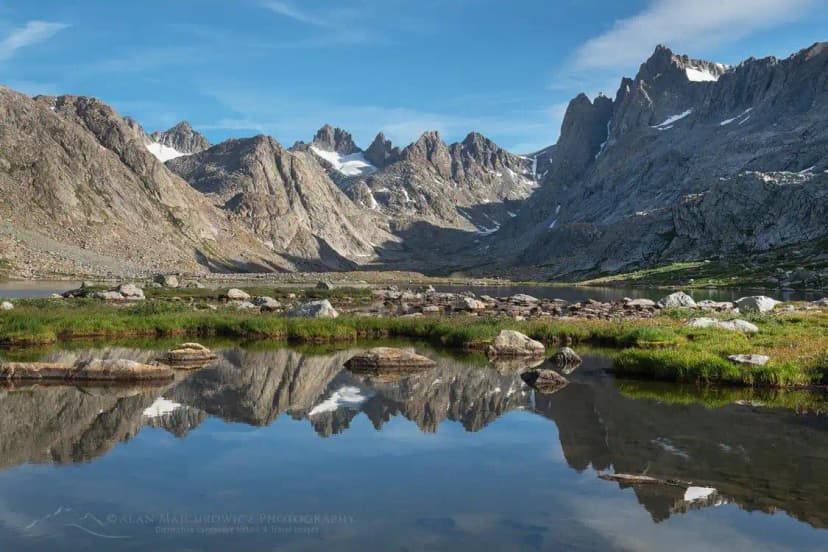
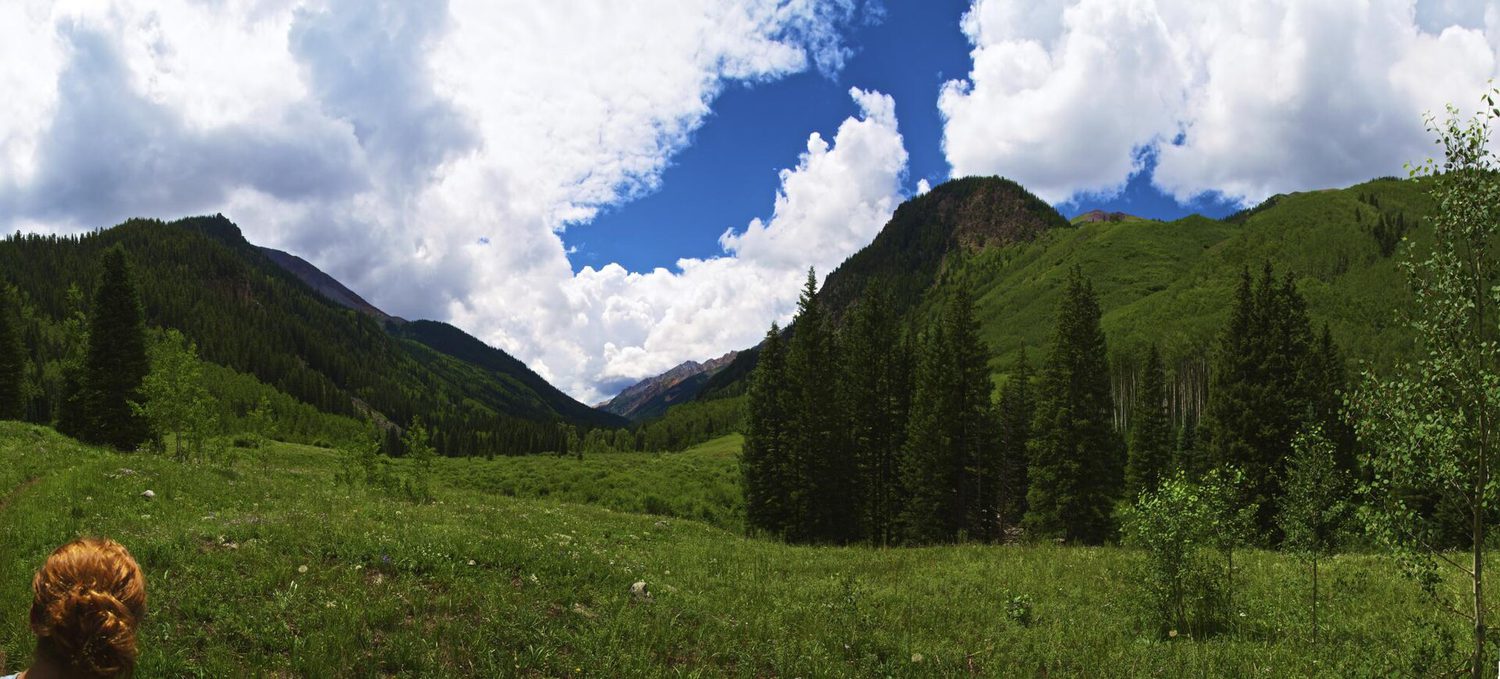
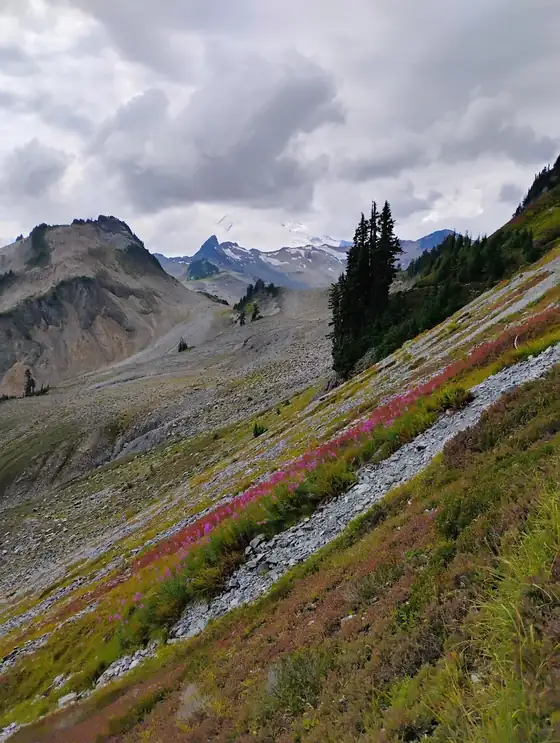
The pools sit in an open basin with peaks around them, and the water is pleasantly hot rather than scalding. It is beautiful, and it is also busy: twenty campsites of people, many of whom came a long way and want to be in the water at sunset.
Two practical notes. Clothing is optional at the springs and a fair number of people take that up, which is worth knowing in advance if you are bringing anyone who would rather not be surprised by it. And moose use this valley. They are not tame, they do not move for hikers, and a cow with a calf is the single most dangerous animal most people will meet in Colorado. Give them a very wide berth.
The bigger trip in the same wilderness: Maroon Bells Four Passes Loop: Backpacking Guide. Day by day, with where to sleep and what to book.
When to go
Mid-July to late September is the reliable window. Earlier and the creek crossings are dangerous and snow lingers on the upper valley; later and you are gambling on the first real snow, though a clear late-September night with the aspens turning below you is the best version of this trip.
Weekdays are quieter in every sense: easier to permit, fewer people in the pools, more chance of having a sunrise soak to yourself.
Conundrum Hot Springs Permits FAQs
On three fixed release dates, each at 8:00 a.m. Mountain Time: 15 February covers 1 April to 31 July, 15 June covers 1 August to 30 November, and 15 October covers 1 December to 31 March. They are first-come on recreation.gov rather than a lottery, and summer weekends go within minutes.
No. Dogs are prohibited throughout the Conundrum Hot Springs permit zone, and campfires are prohibited too. There is also a limit of two permits per person per calendar year.
Roughly 20 designated sites, each booked individually. Camping anywhere else in the upper valley is not permitted.
About eight and a half miles each way from the Conundrum Creek trailhead outside Aspen, with roughly 2,500 feet of gain, finishing at around 11,200 feet.
The permit requirement is for overnight camping. Day hiking the valley is possible, but seventeen miles round trip with 2,500 feet of gain at altitude makes it a very long day.
It is highly recommended rather than required. Free wag bags are available at the trailhead. If you do not use one, the Forest Service requires solid waste to be buried six to eight inches deep and at least 200 feet from water, camp and trail.
Yes, the valley is regular moose habitat. They do not move aside for hikers and a cow with a calf is genuinely dangerous. Give them a very wide berth and do not try to pass close by on the trail.
Mid-July to late September. Before that the creek crossings run high and fast with snowmelt and can be hazardous, and after it you are gambling on early snow.
In practice yes, and a fair number of visitors use it that way. Worth knowing in advance if you are bringing people who would rather not be surprised.