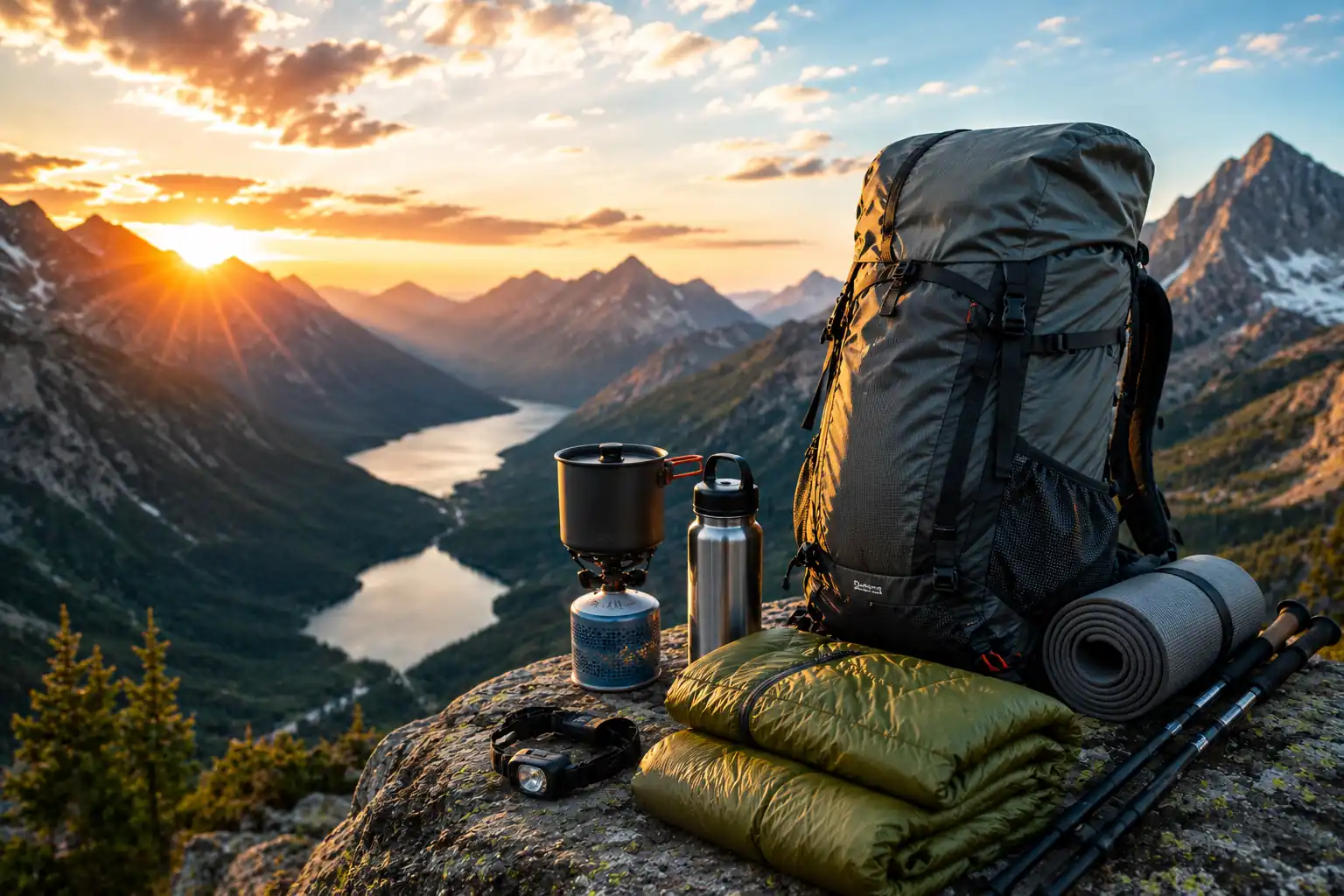
Going ultralight -- a base weight under 10 lbs -- fundamentally changes how you experience the trail. Less weight means less fatigue, more miles, and more enjoyment at the end of a long day. Here is the best ultralight backpacking gear of 2025 across every major category, plus the field-tested strategy to actually get your pack down without spending a fortune or sacrificing safety.
What Is "Ultralight" Backpacking?
- Ultralight: base weight under 10 lbs (everything except food, water, and fuel)
- Super ultralight: base weight under 5 lbs
- Traditional: base weight 20-30 lbs
The "Big Three" (shelter, sleep system, pack) account for 60-70% of pack weight. Optimizing these three items moves you from traditional to ultralight in a single gear refresh.
Ultralight Shelters
- Zpacks Duplex (1 lb) -- DCF trekking-pole shelter, 2-person, the benchmark ultralight shelter
- Six Moon Designs Lunar Solo (1 lb 9 oz) -- affordable trekking-pole shelter with excellent floor space for solo hikers
- Hyperlite Mountain Gear Dirigo 2 (1 lb 5 oz) -- DCF, freestanding option, better in wind than trekking-pole shelters
Ultralight Sleep Systems
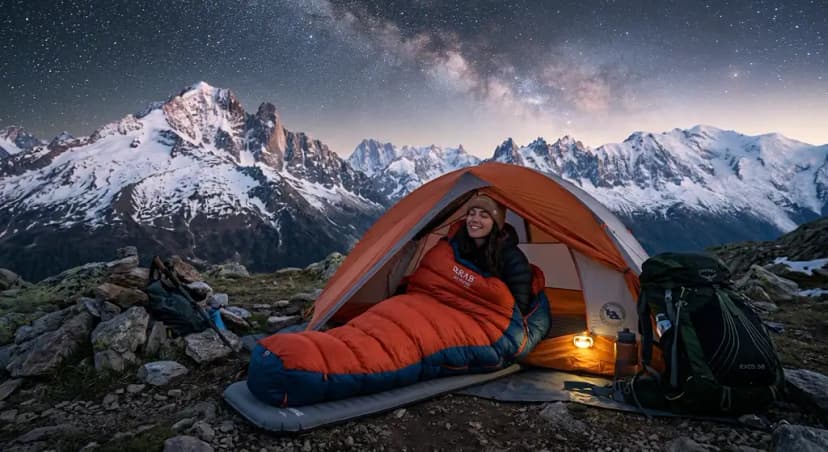
- Feathered Friends Swallow 20 (1 lb 9 oz) -- 950-fill hydrophobic down, the gold standard ultralight sleeping bag
- Zpacks Sleeping Bag 20 (1 lb 4 oz) -- DCF outer shell, extremely light, best for dry conditions
- Thermarest NeoAir XLite NXT (12 oz) -- ultralight inflatable pad, exceptional R-value (4.5) for its weight
Ultralight Packs
- Hyperlite Mountain Gear 2400 Windrider (1 lb 12 oz) -- DCF frameless pack, excellent organization, the standard choice for serious ultralight backpackers
- Gossamer Gear Kumo 36 (13.5 oz) -- frameless ultralight pack under 1 lb, for truly minimalist setups
- Zpacks Arc Haul Ultra 60L (1 lb 3 oz) -- DCF with a carbon fiber frame stay for carrying heavier loads (25+ lbs) ultralight
How to Build a Sub-10 lb Base Weight Step by Step
Do not buy gear randomly. Work in order of payoff so every dollar removes the most ounces. Use a free LighterPack spreadsheet to track each item by weight before you spend anything.
- Weigh everything you currently own on a kitchen scale and sort it heaviest-first. The biggest offenders are almost always the tent, sleeping bag, and pack.
- Replace the Big Three first. Swapping a 6 lb tent, 3 lb bag, and 5 lb pack for the items above alone can cut 8-10 lbs.
- Cut the "Big Three" of the kitchen next: stove, pot, and food storage. A BRS-3000T canister stove weighs 0.9 oz and costs about $17, versus 12+ oz for a traditional two-burner setup.
- Audit the "just in case" pile last. Most hikers carry duplicate layers, oversized first-aid kits, and full-size toiletries they never touch.
Buy the pack last, after the rest of your kit is dialed in, so you can size the volume to what you actually carry instead of overbuying.
Cooking Gear: the easiest weight to lose
Cooking is where traditional backpacking carries the most dead weight, and where the swap costs the least. A two-burner-style canister stove, a nested pot set, a bowl, a mug and cutlery runs 24 to 30 oz. The ultralight version is a 2.6 oz upright canister stove or a 0.5 oz alcohol burner, a single 750ml titanium pot that doubles as the bowl, and one long-handled spoon. That is around 8 oz all in, and it is the same hot dinner.
Going further, cold soaking drops the stove, fuel and pot entirely for a screw-top jar and about 3 oz. It is the cheapest lightweight gear decision on this list and the one most Pacific Crest Trail hikers end up making somewhere in the desert section, though plenty of them switch back the first cold night in the Sierra. Try it on a weekend before you commit a thru-hike to it.
The rule that holds across every piece of gear here: weigh what you own before you buy anything. A kitchen scale and an afternoon usually finds two pounds you can drop for free, and it tells you which upgrade is actually worth the money.
The Cost Tradeoff
Ultralight gear costs significantly more than traditional gear. A full ultralight Big Three setup (shelter + sleep + pack) runs $1,000-2,500. For occasional weekenders, the expense is hard to justify. For long-distance hikers doing 50+ nights per year, the investment pays off in reduced physical wear and dramatically more comfortable high-mileage days.
Free and Cheap Weight Savings (No New Gear)
You can drop 2-4 lbs before buying anything. These are the moves thru-hikers make on a budget:
- Repackage food into ziploc bags and ditch boxes, cans, and glass. Cook in the bag or use a single titanium mug.
- Cut your toothbrush handle, trim map margins, and leave the stuff sacks at home. Compression sacks add weight; let your sleeping bag fill the gaps in your pack instead.
- Carry only the water you need between sources. Water is 2.2 lbs per liter, so on a well-sourced trail like Oregon's section of the PCT you rarely need more than 1 liter at a time.
- Swap a heavy headlamp for a 1 oz Nitecore NU25 and a power bank sized to your actual nightly use.
- Wear your heaviest items (shoes, fleece, rain shell) instead of packing them at the trailhead.
Match Your Setup to the Destination and Season
Ultralight is about being light for the conditions, not dangerously underprepared. Tune your kit to where and when you go:
- Summer in the High Sierra (John Muir Trail, July-September): dry granite, mild nights. A trekking-pole DCF shelter and a 20-degree quilt shine here, but pack a bear canister, which is required and adds about 2 lbs.
- Shoulder season in the Smokies or Appalachian Trail (April, October): wet, cold, and humid. Down loses loft when damp, so a hydrophobic-down bag like the Feathered Friends Swallow or a synthetic quilt is safer.
- Desert routes (Arizona Trail, spring): water is the limiter, not weight. A frameless pack like the Kumo struggles when you must carry 4+ liters, so the Arc Haul Ultra earns its frame.
- Buggy late-summer trails (Wind River Range, Wyoming): prioritize a shelter with full mesh and a head net over shaving the last few ounces.
Common Ultralight Mistakes to Avoid
Cutting weight badly is more dangerous than carrying a few extra ounces. Steer clear of these:
- Skimping on the sleeping pad R-value. A sub-2 R-value pad will leave you cold even in summer above 8,000 feet. Match R-value to ground temperature, not air temperature.
- Going stoveless on a high-output trip without a real cold-soaking food plan. You will burn far more calories than cold oats can replace.
- Trusting frameless packs with too much load. Keep frameless packs under roughly 25-28 lbs total, including food and water, or comfort and your shoulders both suffer.
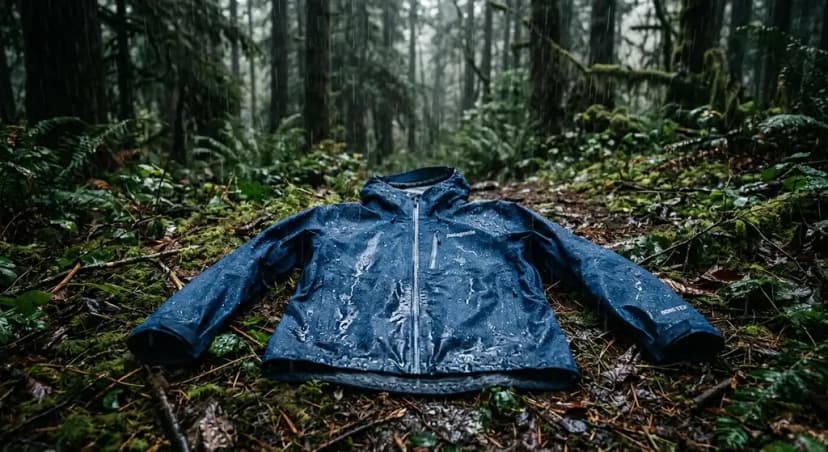
- Leaving rain protection at home. A 3 oz emergency bivy or a properly seam-sealed shelter is non-negotiable, even on a forecast bluebird weekend.
Best Ultralight Backpacking Gear FAQs
Focus on the Big Three (shelter, sleeping bag, pack) since they account for 70% of weight. Used gear from Feathered Friends, Western Mountaineering, or Zpacks appears on gear swap communities like Reddit r/ulgeartrade at 40-60% off retail. Lighter doesn't always mean expensive -- a Tyvek groundsheet (free from construction sites) weighs 3 oz vs. a $50 silnylon groundsheet at 5 oz.
Yes, when done correctly. Ultralight hiking does not mean leaving safety gear behind -- it means using lighter versions of essential gear. You still carry emergency shelter, navigation, first aid, fire-starting, and signaling capability. The weight reduction comes from precision packing, dual-purpose gear, and eliminating genuine redundancy -- not from eliminating safety margins.