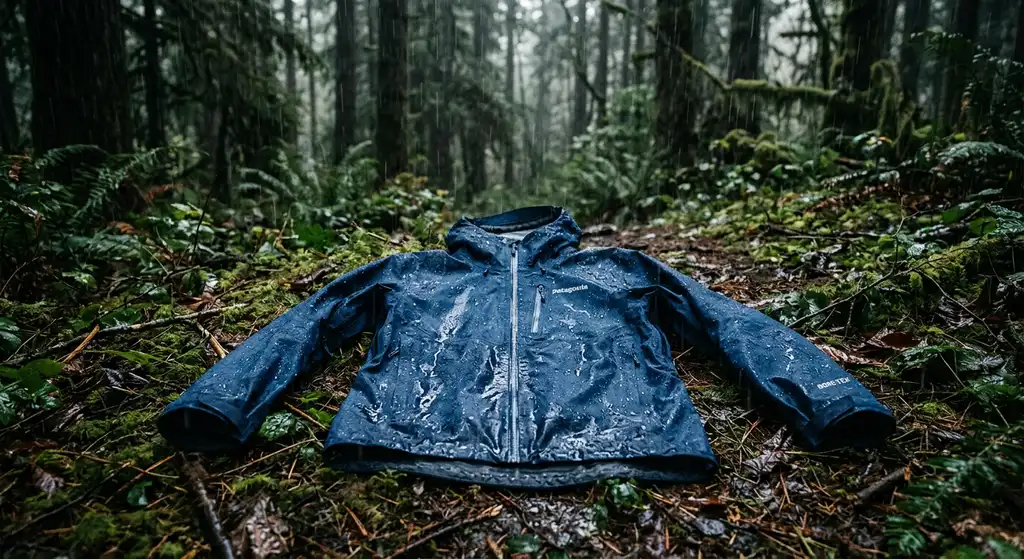
A quality rain jacket is the most versatile piece of hiking gear you can own -- it blocks rain, wind, and unexpected cold snaps year-round. The key word is breathable. A jacket that keeps rain out but traps body heat is a recipe for sweat-soaked misery, because that trapped moisture chills you the moment you stop. The best hiking rain jackets of 2025 balance waterproofing, breathability, packed weight, and price. This guide covers the choices that actually matter on the trail.
Hardshell vs. Softshell vs. 2.5-Layer
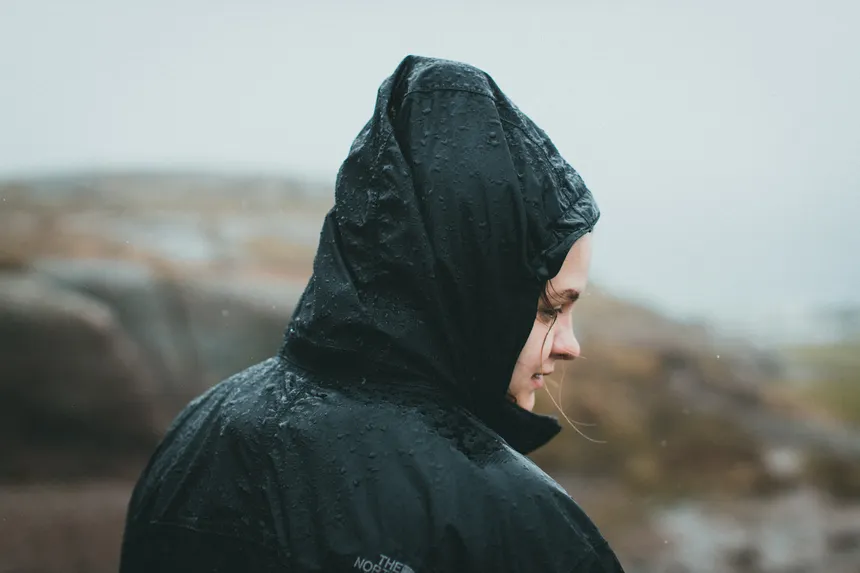
- Hardshell -- maximum waterproofing, durable face fabric, typically packable. Best for sustained rain and technical terrain. Gore-Tex or eVent membrane.
- Softshell -- stretchy, breathable, wind-resistant, and water-resistant (but not fully waterproof). Best for aerobic activities in light rain or dry wind.
- 2.5-layer -- lightweight and packable, great as a backup. Less breathable than a true hardshell; better suited for short-duration storms.
For most three-season day hikers, a 3-layer hardshell is the sweet spot: it survives years of pack abrasion and handles all-day rain. Reserve ultralight 2.5-layer shells for fast-and-light trips or as an emergency layer at the bottom of your pack.
Top Rain Jacket Picks
- Patagonia Torrentshell 3L -- best value hardshell. Three-layer construction, fully seam-taped, packs to its pocket. Excellent for everyday trail use.
- Arc'teryx Beta LT -- premium Gore-Tex construction with excellent storm protection and breathability. Best in class for serious alpine conditions.
- Outdoor Research Foray II -- Gore-Tex Active, outstanding breathability for high-output activities. Great for trail running and fast hiking.
- REI Co-op Rhyolite Rain Jacket -- budget-friendly hardshell with fully taped seams. Outstanding value for casual to moderate hiking.
Features to Look For
- Fully seam-taped construction (not just critical seams)
- Helmet-compatible hood with a brim for rain deflection
- Pit zips for ventilation on climbs
- Packable into its own pocket for convenient carrying
Understanding Waterproof Ratings and Membranes
Two numbers describe a waterproof jacket. The hydrostatic head, in millimeters, tells you how much water pressure the fabric resists before it leaks. A rating of 10,000mm handles ordinary rain; 20,000mm or higher stands up to wind-driven downpours and pack-strap pressure. The second is the breathability rating (grams per square meter over 24 hours); 15,000g or more keeps sweat from building up on hard climbs.
Membranes do the work. Gore-Tex is the standard, eVent breathes faster, and Gore-Tex Active is tuned for high-output efforts. In-house membranes like Patagonia H2No and Outdoor Research AscentShell perform comparably for less. None of this matters if the DWR (durable water repellent) finish has worn off, the most common cause of a jacket that suddenly feels like it is leaking.
How to Fit and Layer a Rain Jacket
Size your shell to fit over an insulating mid-layer, not a t-shirt alone. Raise your arms overhead and reach forward; the hem should stay below your waist and the cuffs cover your wrists. The hood must turn with your head without blocking peripheral vision. On the trail:
- Wear a moisture-wicking synthetic or merino base layer; never cotton.
- Add a light fleece or active insulation only when stopped or in real cold.
- Open the pit zips and drop the hood before you start climbing to dump heat early.
- Cinch the hood and hem only once the wind picks up or rain intensifies.
Caring for Your Jacket so It Keeps Working
A waterproof jacket is not maintenance-free. Body oils, sunscreen, and trail grime clog the membrane and kill breathability. Wash your shell every 10 to 15 outings with a technical cleaner such as Nikwax Tech Wash; standard detergent leaves residue that repels water from the inside. After washing, restore the DWR with a wash-in or spray-on treatment, then tumble dry on low or iron warm to reactivate it. Store it loosely on a hanger rather than stuffed in a pocket for months, which can crease and crack the coating.
Matching the Jacket to the Conditions
Where and when you hike should drive your pick more than the brand name. In the persistent drizzle of the Pacific Northwest or Scotland, prioritize a burly 3-layer hardshell with a deep hood. For the brief, violent afternoon thunderstorms of the Rockies in July and August, an ultralight 2.5-layer shell that disappears in your pack is smarter. Desert hikers in spring rarely need full waterproofing and do better with a wind-resistant softshell. Match the gear to the forecast and one well-chosen jacket serves you across most trails.
Best Rain Jacket by Hiking Destination
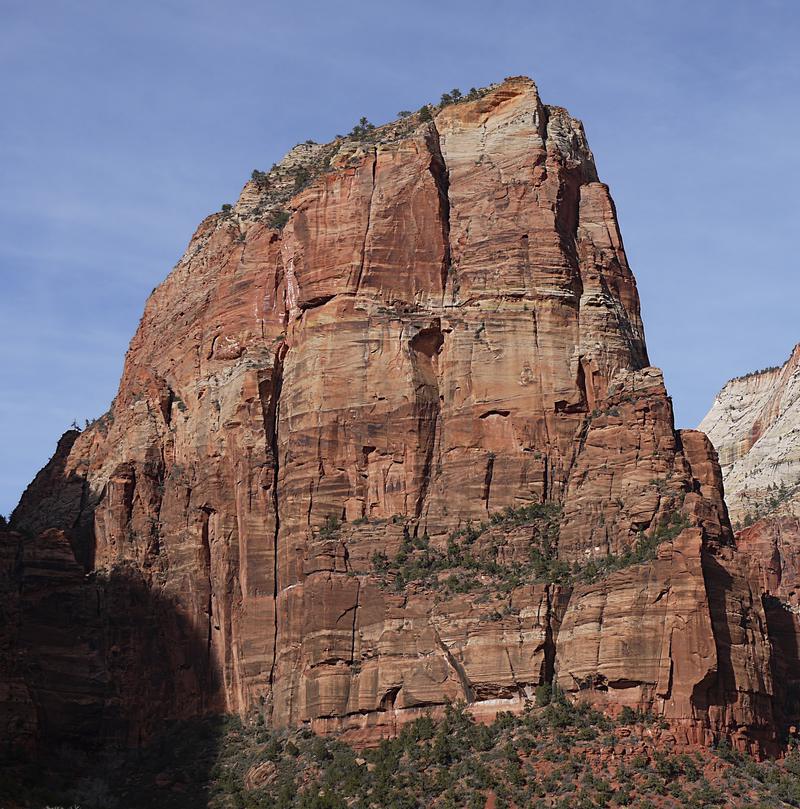
On Washington's Hoh River Trail in Olympic National Park, where rainforest sees rain most days, a 3-layer Gore-Tex hardshell with pit zips earns its weight. On the Highline Trail in Glacier National Park, where July storms blow sideways across exposed ledges, a helmet-brim hood and adjustable hem matter most. On Utah's Angels Landing near Springdale, skip the hardshell and carry a wind shirt. In Colorado, hikers on a 14er like Quandary Peak want only a featherweight 2.5-layer shell for the afternoon monsoon.
Packed Weight and What to Carry
Weight decides whether a jacket comes with you or stays home. Rough targets:
- Ultralight 2.5-layer -- 6 to 9 ounces; an emergency shell for fast day hikes.
- Standard 3-layer hardshell -- 11 to 16 ounces; the all-rounder for multi-day trips.
- Burly alpine shell -- 16 ounces and up; for sustained storms and abrasive rock.
A jacket you leave behind because it is bulky protects no one. In dry climates buy lighter; if your forecast is genuinely wet, the extra ounces of a hardshell pay for themselves the first time you spend hours in real rain.
Common Mistakes That Make a Jacket Fail
Most people who say their jacket leaked made one of these avoidable errors:
- Buying a jacket too small to vent or layer under.
- Never reapplying DWR, so the face fabric wets out and breathability collapses.
- Washing with regular detergent, which leaves a film that draws water inward.
- Choosing a water-resistant softshell for a trip that needs a waterproof shell.
- Leaving pit zips closed on the climb, then blaming the membrane.
Best Hiking Rain Jackets FAQs
Waterproof jackets have a membrane (Gore-Tex, eVent, or similar) bonded to the fabric that prevents water penetration under sustained rain and pressure. Water-resistant jackets have a DWR coating that beads off light rain but eventually saturates and soaks through. For hiking in real weather, waterproof is the minimum standard.
Machine wash on a gentle cycle with a technical wash like Nikwax Tech Wash (not regular detergent, which clogs the membrane). Tumble dry on low heat to reactivate the DWR coating -- this step is critical. Reproofing with Nikwax TX.Direct Wash-In every few seasons restores DWR performance.