How to Plan a Sustainable Hiking Trip
Hike in shoulder season and on weekdays to spread out impact, carpool or take a park shuttle to the trailhead, stay on the trail, and camp on durable surfaces at least 200 feet from water. Pack out all waste, including toilet paper, store food in a bear canister, and support the trails you use by buying a park pass or volunteering for a maintenance day.
The more people hike, the more important hiking sustainability becomes: doing it in a way that doesn't destroy what you came to see. Overuse damage is real and visible: widened trails, bare soil around water sources, campfire rings in sensitive meadows, and wildlife that's lost its fear of humans. None of it happens because people were trying to cause harm. It happens because most hikers don't have the specific knowledge to avoid it. This guide covers everything: transportation, permits, trail behavior, waste management, campfire rules, and how to actually leave a place better than you found it.
How to Plan a Sustainable Hiking Trip, Step by Step
- Pick the season and day with care. Shoulder season and weekdays spread use across the year, so a popular trail is not hammered every summer Saturday.
- Choose a trail that can take you. Well-built, durable trails handle traffic; fragile alpine meadows and trails already closed for restoration do not.
- Get the permit, and follow its limits. Quotas and group sizes exist to cap damage, so book early and keep your party within them.
- Share the drive or take the shuttle. Getting to the trailhead is usually the biggest carbon cost of a hike, and full lots push parking onto roadside vegetation.
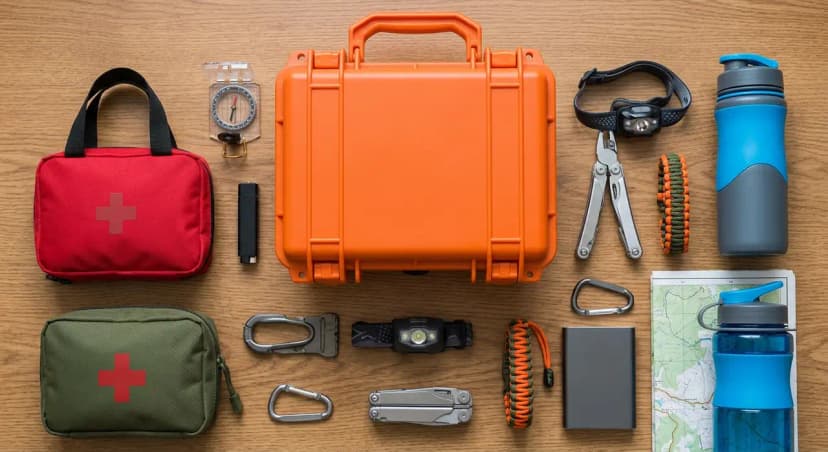
- Pack to leave nothing behind. Bring a trash bag, a trowel or waste bag, and food with little packaging, plus a bear canister where the park requires one.
- Stay on the trail and camp on durable ground. Walk through mud rather than around it, and camp at least 200 feet from lakes and streams.
- Skip or shrink the campfire. Use a stove, and where fires are allowed, keep them small and in existing rings.
- Give back to the trail. Buy the park pass, join a volunteer trail day, or donate to the group that maintains the route you used.
What Is Hiking Sustainability?
Hiking sustainability means enjoying the outdoors in a way that keeps trails, wildlife, and ecosystems healthy for the people who come after you. In practice it comes down to five decisions: where and when you hike (spreading out impact), how you get to the trailhead (transport is the biggest carbon cost of most hikes), how you behave on trail (staying on durable surfaces and following Leave No Trace), how you handle waste (packing out everything, including toilet paper), and how you give back (permits, park passes, and trail-maintenance days). Sustainable hiking is not about buying more eco gear. It is about choices that cost nothing and prevent the erosion, pollution, and wildlife habituation that overuse causes.
Before You Go: The Planning Stage Has the Biggest Impact
The single most impactful sustainability decision happens before you leave your house: where and when you hike. Popular trails at peak times concentrate thousands of hikers into a narrow window, and the cumulative damage is severe. The same experience is often available with a fraction of the impact by shifting your timing or destination slightly.
- Choose shoulder season: Late May, early June, September, and October are when most western parks are beautiful, uncrowded, and not hammered by the July–August peak. Wildlife is more active, wildflowers are out earlier, and you don't need to book permits six months in advance.
- Hike on weekdays: Saturday trailhead traffic at popular spots in Washington or Colorado can be 3–5× weekday traffic. The trail is the same on a Tuesday.
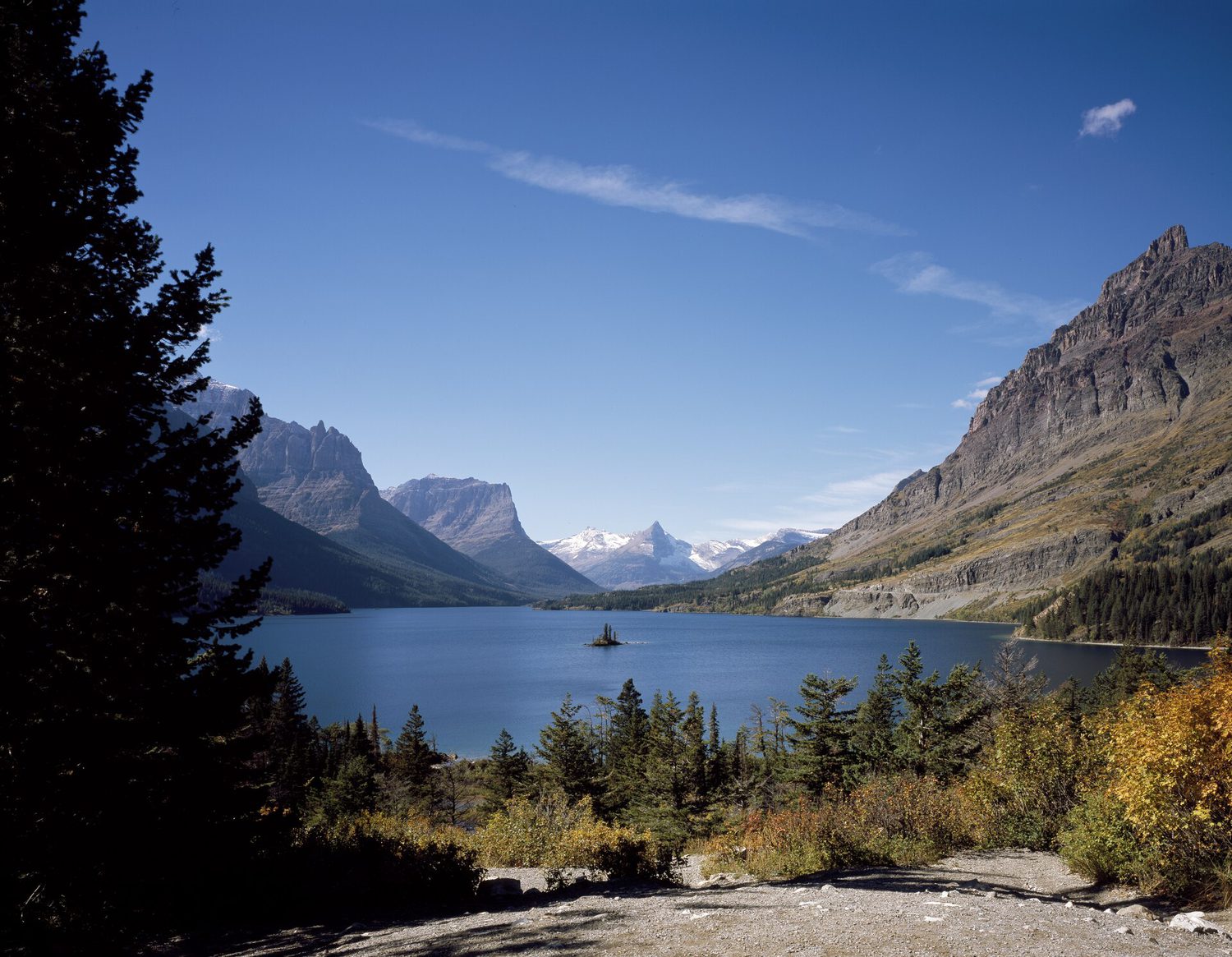
- Choose lesser-known alternatives: Glacier has 700 miles of trails; the Highline Trail gets 95% of the social media traffic. The Washington Trails Association and local hiking forums (r/hiking, r/PacificCrestTrail) regularly surface less-visited alternatives to famous routes.
- Book permits when required: Permit systems exist specifically to limit impact. Paying the $6 recreation.gov lottery fee for Angels Landing or the small permit fee for the Enchantments is how those places stay intact.
Getting to the Trailhead
Transportation is usually the largest carbon footprint component of any hiking trip, larger than gear, food, or anything else. A solo driver doing a 200-mile round trip to a trailhead generates more emissions than the entire rest of the trip.
- Carpool: The hiking community on r/hiking and r/PacificCrestTrail regularly coordinates carpool threads for popular destinations. Most hiking groups will add one more person. Carpooling also reduces the trailhead parking crisis at places like Mount Baker or the Enchantments.
- Use park shuttles: Zion, Glacier, Rocky Mountain, Acadia, and many others have free shuttle systems specifically to reduce private vehicle traffic. Using them isn't just convenient, it directly reduces the congestion and emissions that degrade the park experience.
- Stay local: Base camping near the trailhead instead of driving in and out each day reduces miles driven and keeps more of your spending in the local gateway community.
- Check public transport first: More hiking trails are reachable without a car than most people assume. Seattle's Trailhead Direct buses run to Mount Si and Mailbox Peak, Amtrak stops at Glacier and in the Adirondacks, and in the Alps and the Dolomites public transport reaches almost every trailhead. It is the single most environmentally friendly way to start a hike, and it removes the parking problem entirely.
On Trail: Leave No Trace in Practice
The seven Leave No Trace principles are well-known. The specific applications that r/hiking cites most often as violated:
Stay on the Trail, All of It
Cutting switchbacks is one of the most damaging things hikers do. It looks harmless but destroys vegetation, accelerates erosion, and eventually creates a permanent scar that takes decades to recover. On popular alpine trails, a single shortcut repeated by 50 hikers per day over a summer becomes a bare erosion channel by fall. If the trail goes around, go around.
Widening the trail is the same problem in slow motion. When a muddy section appears, most hikers step to the side to stay clean. The result is a trail that doubles in width each wet season. Step through the mud. Wet feet wash off. Destroyed trail margins don't.
Camp on Durable Surfaces
In the backcountry, camp on rock, sand, gravel, or dry grass, not on live vegetation or soil near water. The 200-foot rule for distance from water, trails, and camp is not just a guideline; it's the minimum needed to prevent bank erosion and water contamination. In heavily used areas, use designated campsites even if a "pristine" spot looks appealing, dispersed camping in already-impacted areas concentrates damage where it can recover. Spreading out across untouched terrain creates new damage everywhere.
Human Waste
This is the topic r/backpacking cites most frequently as mishandled. The rules vary by location:
- Cat holes: 6–8 inches deep, at least 200 feet (70 adult paces) from any water source, trail, or campsite. Bury the hole when done. In most forested backcountry below treeline, this is the correct method.
- Pack it out (WAG bags): Required in high-use alpine areas, desert environments, river corridors, and most permit-required wilderness in the western US. The Grand Canyon, Mount Whitney, the Enchantments, and many other popular destinations now require pack-out for all human waste. Check regulations before you go. WAG bags (Restop, PETT, or similar) are small, odor-sealed, and pack out easily.
- Toilet paper: Always pack it out in a sealed ziplock bag, even when burying waste. Toilet paper left in a cat hole takes months to decompose and is frequently dug up by animals. There is no context where leaving TP on the ground is correct.
Campfire Rules
Campfires are one of the most visible impact sources in the backcountry. The "10-year rule" is a useful heuristic: if there's no established fire ring and the area doesn't show 10 years of hardened use, don't build a fire. This applies to alpine meadows, sand beaches near water, and any area marked as fire-sensitive in park regulations.
Use a stove instead. A canister stove (Jetboil Flash, MSR PocketRocket Deluxe) or alcohol stove weighs less than 5 oz, leaves zero trace, and is faster and more reliable than a campfire for cooking. The trade-off against campfire ambiance is real, but the impact difference is enormous.
When a fire is appropriate and legal: use an established fire ring, burn only small dead wood from the ground (not standing dead or live wood), burn it completely to ash, and drown the ashes with water before bed, not just until they stop smoking, but until the center of the ash pile is cold to the touch.
Wildlife Interactions
The goal on every one of these points is the same: leave nature able to carry the next group through without visible cost. Spending time in a natural environment changes nothing about it if you move through carefully, and degrades it permanently if a few thousand people each cut one corner.
Feeding animals, even indirectly by leaving food scraps or an unlocked bear box, is one of the most harmful things a hiker can do. A habituated bear that associates humans with food is almost always euthanized. A marmot that learns to raid packs develops a behavioral pattern that spreads to its offspring. The saying in park management: "a fed animal is a dead animal."
- Pack out all food waste including fruit peels, nut shells, and cooking grease. An apple core is not an exception: it takes months to break down at altitude, it is not native to the local ecosystems it lands in, and it trains the next wild animal down the trail to check the path for food
- Use a bear canister (required in many wilderness areas, check the specific regulations) or a proper PCT hang
- Keep 100 yards from bears and wolves, 25 yards from other wildlife
- Do not approach wildlife for photos, use a telephoto lens and let animals move at their own pace
Supporting Trail Conservation
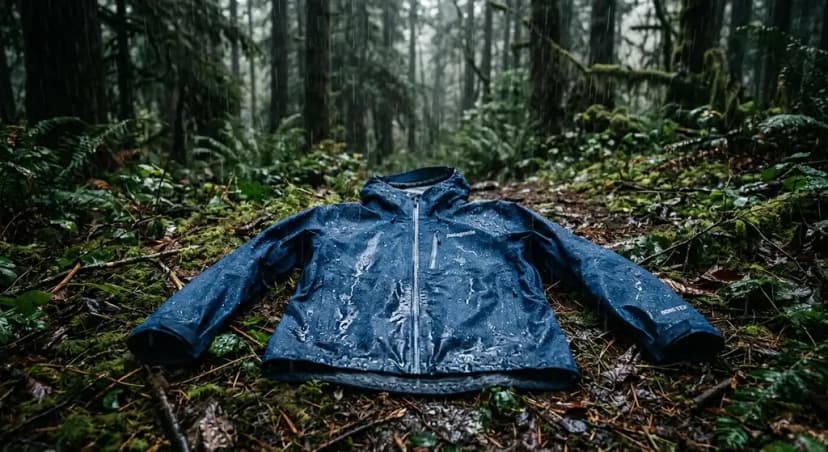
Gear purchases and trip spending are votes for the outdoor industry. One high quality shell repaired twice over ten years does less damage than three cheap ones landfilled, so the long term choice is usually to buy less and repair more. Some direct ways to support trail sustainability:
- America the Beautiful Pass ($80/year), covers entry to all federal lands and some revenue goes to trail maintenance
- Washington Trails Association, Colorado Trail Foundation, American Hiking Society, these nonprofits fund and organize trail maintenance volunteers. A single volunteer trail day does more for a trail than a year of thoughtful hiking on it.
- Buy annual park passes for parks you visit regularly, more revenue reaches the park than from per-visit fees
- Report trail damage to rangers or via park apps, they can prioritize repairs if they know where problems are
Hiking Sustainability: How to Plan a Sustainable Hiking Trip FAQs
Hiking sustainability is the practice of hiking in a way that keeps trails, wildlife, and ecosystems healthy for future visitors. It comes down to five choices: where and when you hike, how you travel to the trailhead, how you behave on trail (Leave No Trace), how you dispose of waste, and how you give back through permits, park passes, and trail maintenance. Most of it costs nothing. It is about knowledge and habits, not buying more gear.
As more people hike, cumulative impact adds up fast: widened and eroded trails, bare soil and contamination near water, campfire scars in fragile meadows, and wildlife that loses its fear of humans (a habituated bear is usually euthanized). Sustainable hiking spreads out and prevents that damage so the places stay intact and open. A single volunteer trail-maintenance day does more for a trail than a year of careful hiking on it.
The seven LNT principles: plan ahead and prepare, travel on durable surfaces, dispose of waste properly, leave what you find, minimize campfire impacts, respect wildlife, and be considerate of other visitors. The most commonly violated in practice: cutting switchbacks, camping within 200 feet of water, leaving toilet paper, and improperly storing food.
Hike on weekdays and in shoulder season (May, September, October). Stay on the trail, with no shortcutting switchbacks. Camp at designated sites only. Use park shuttles instead of driving. Book permits when required, since they exist to manage impact.
Carpool whenever possible, since it's the largest emissions reduction available for most hikes. Use park shuttle systems where they exist (Zion, Glacier, Rocky Mountain, Acadia). Staying at a basecamp near the trailhead eliminates daily driving in and out.
In most forested areas: cat holes 6 to 8 inches deep, 200 feet from water, trails, and camp. In high-use alpine areas, desert, and river corridors: pack everything out with WAG bags (Restop or similar), which are often required by regulation. Always pack out toilet paper in a sealed bag regardless of method.
Minimize single-use packaging. Bulk foods in reusable containers generate far less waste than individual-serving freeze-dried packets. High calorie-to-weight foods such as nuts, nut butter, dried fruit, and hard cheese need no packaging. Pack out every scrap including fruit peels and nut shells.
Buy an America the Beautiful Pass ($80/year), which covers all federal lands and sends some revenue to trail maintenance. Volunteer with your local trail association for maintenance days. Report trail damage through park websites. Donate to the Washington Trails Association, Colorado Trail Foundation, or American Hiking Society.