Sedona is hikeable all year, but the experience swings hard with the season. Get the timing right and you walk cool morning trails under blue skies with manageable crowds. Get it wrong and you are grinding up Devil's Bridge in 100-degree heat or fighting for trailhead parking on a holiday weekend. This month-by-month guide breaks down the best time to visit Sedona by what each season actually feels like on the trail, so you can match your dates to the kind of hiking you want.
Spring (March to May): The Overall Best Window

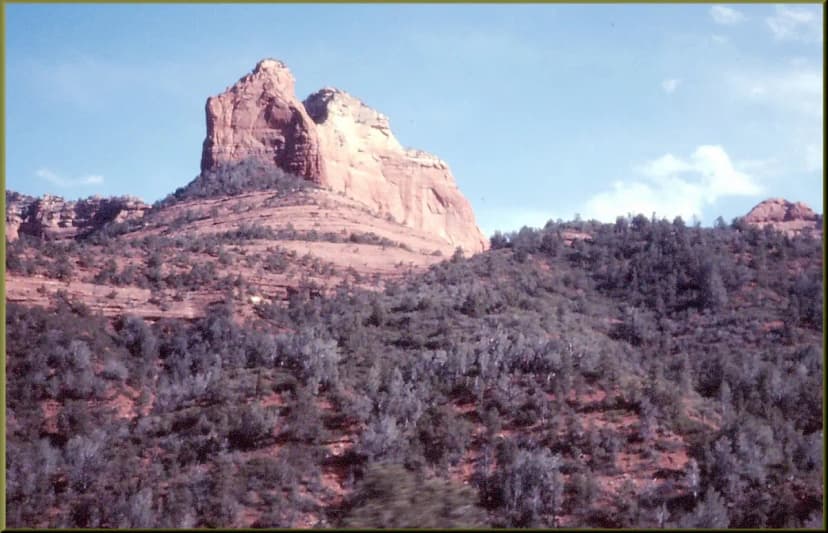
Spring is the classic answer for the best time to visit Sedona. Daytime highs sit in the comfortable 70s and 80s, nights are cool, and the desert blooms with prickly pear and wildflowers. Oak Creek runs full from snowmelt, which makes the West Fork Trail and Cathedral Rock crossings especially pretty. The tradeoff is crowds: March spring break and the long Easter weekend pack the trailheads, so plan sunrise starts at Devil's Bridge and Soldier Pass. April is the sweet spot of the season, with wildflowers peaking and the worst of the spring-break surge already gone.
Fall (September to November): The Local Favorite
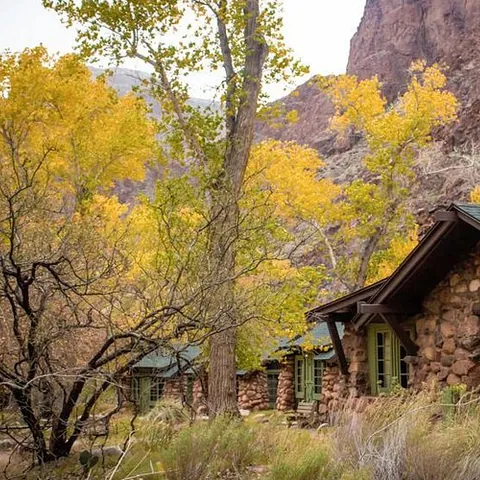
Many locals rate fall even higher than spring. The summer heat breaks by mid-September, and from mid-October into early November the bigtooth maples and Arizona sycamores in Oak Creek Canyon turn brilliant gold and red. West Fork is the marquee fall-color hike in the state. Weather is dry and stable, and crowds thin out after the summer rush, though peak foliage weekends still draw a crowd. If you are chasing Sedona fall colors, aim for the last two weeks of October and check recent trip reports, since exact peak shifts a week or two each year.
Summer (June to August): Hot Days, Monsoon Afternoons
Summer is the season to plan around, not avoid entirely. Highs regularly hit 95 to 100-plus degrees in the red rock basins. The monsoon arrives in July and August with dramatic afternoon thunderstorms and flash-flood risk in slot canyons and creek drainages. If you visit in summer:
- Start hikes at first light and be off exposed trails like Bear Mountain by mid-morning.
- Carry far more water than feels necessary, at least a liter per hour.
- Retreat to the shaded, cooler trails of Oak Creek Canyon or cool off at Slide Rock State Park.
- Watch the sky and never enter a narrow canyon when storms are building.
Winter (December to February): Quiet Trails and Snow-Dusted Rock
Winter is underrated. Daytime highs in the 50s and low 60s make for ideal hiking effort, the trails are blissfully quiet, and an occasional snow dusting on the red rocks is stunning for photos. Higher-elevation trails on the rim and in the canyon can be icy or snowy, so bring traction. Pack layers, since mornings can start near freezing before warming up fast.
Month-by-Month Quick Reference
If you only remember one thing about Sedona weather by month, remember that the shoulder months on either side of summer are the prize. Here is the short version of when to visit Sedona for hiking:
- March to May: Warm, blooming, busy. Best all-around hiking weather, peak crowds during spring break.
- June to August: Hot mornings, stormy afternoons. Hike at dawn or stick to creekside shade.
- September to November: Cooling, dry, and gold. Best fall color in mid-to-late October.
- December to February: Cold and calm. Empty trails, possible snow, bring layers and traction.
Avoiding the Crowds (and the Parking Problem)
Sedona's biggest hiking headache is not the heat, it is parking. The lots at Devil's Bridge, Cathedral Rock, and Soldier Pass often fill by 7 to 8 a.m. on weekends in spring and fall. To dodge the worst of it:
- Visit Tuesday through Thursday instead of the weekend whenever your schedule allows.
- Use the seasonal Sedona Shuttle to popular trailheads on busy days rather than driving.
- Start your most popular hike first, then move to quieter trails like Mescal or Bell Rock Pathway later in the day.
- Buy a Red Rock Pass in advance so you are not stuck at a kiosk while a spot disappears.
What to Pack for the Season You Pick
The red rocks are deceptively exposed, and the right gear changes by season. A few essentials worth dialing in before you go:
- Sun protection year-round: wide-brim hat, sunglasses, and SPF 30-plus, even in winter when the high-desert sun is intense.
- Traction in winter: microspikes for icy rim and canyon trails from December through February.
- Hydration in summer: a 2 to 3 liter reservoir plus electrolytes for any hike after May.
- Layers in spring and fall: mornings near 40 degrees can climb 30-plus degrees by afternoon.
Best Time of Day, Any Season
Whatever month you choose, early morning wins. Trailhead lots at Devil's Bridge, Cathedral Rock, and Soldier Pass often fill by 7 to 8 a.m. year-round, and sunrise light on the red rock is the best of the day. To make the most of your dates, plan your routes with our 3-day Sedona hiking itinerary, which sequences the marquee trails so you hit each one at its best light and avoid the midday parking scramble.
The Best Time to Visit Sedona FAQs
April and October are the sweet spots. Spring (March to May) brings warm, comfortable days and wildflowers, while fall (September to November) offers stable dry weather and brilliant canyon foliage in mid to late October. Both seasons have ideal hiking temperatures.
Summer highs often exceed 95 to 100 degrees in the red rock basins, so hiking is only comfortable at sunrise. Start before 6 a.m., carry plenty of water, finish exposed trails by mid-morning, and watch for July and August monsoon thunderstorms and flash floods.
Peak fall color in Oak Creek Canyon, especially along the West Fork Trail, usually arrives from mid-October to early November. The bigtooth maples and sycamores turn gold and red, making it one of Arizona's best autumn hikes.