The Short Answer: Late Spring and Early Fall

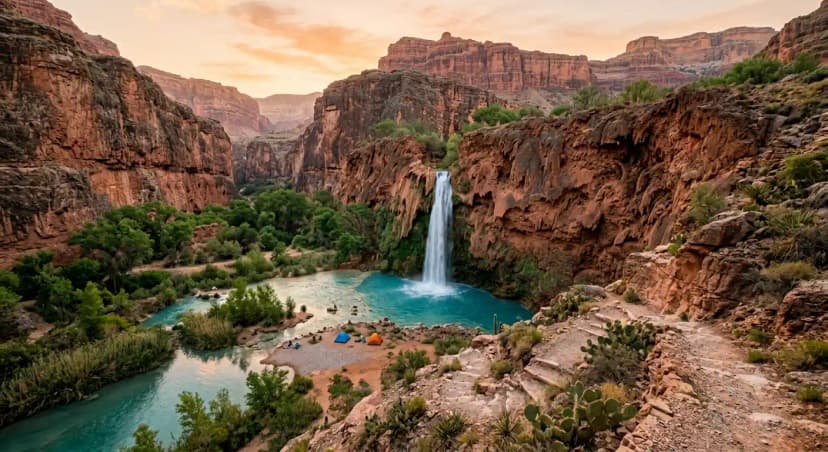
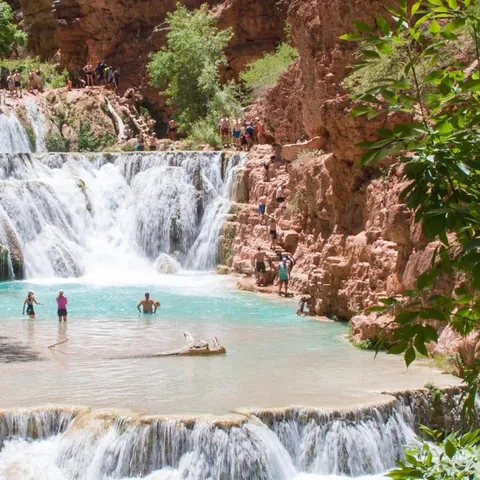
The best time to visit Havasupai Falls is generally April to early June and September to early November. In those windows you get warm but bearable daytime temperatures, comfortable nights for camping, and water that is still warm enough for swimming below Havasu and Beaver Falls. The 10-mile hike from Hualapai Hilltop to the campground is far more pleasant when it is not 110 degrees in the canyon. Before you lock in dates, review the logistics in our Havasupai hiking and permit itinerary so your weather window lines up with your permit window.
Spring: March to June
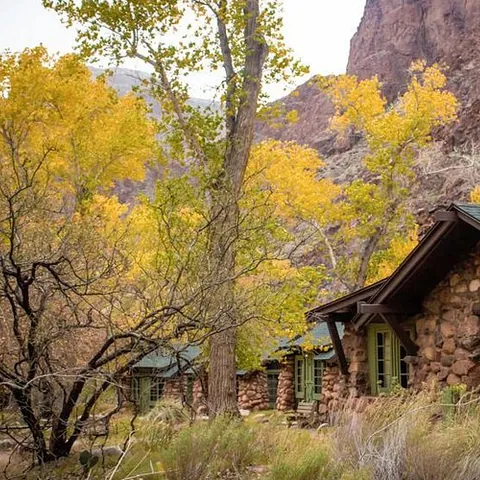
Spring is the most popular season, and for good reason. By April the cottonwoods in the campground are leafing out, daytime highs sit in the comfortable 70s and 80s, and the famous turquoise pools are inviting. Early spring nights can still be cold, sometimes near freezing in March, so pack a warm layer. As you move into late May and June, the canyon heats up quickly and the desert hike in becomes a serious heat-management exercise. Spring permits sell out fastest, so plan to book the moment reservations open.
- Pros: green canyon, good water color, comfortable swimming
- Cons: cold March nights, fierce competition for permits, building heat in June
Summer: July and August
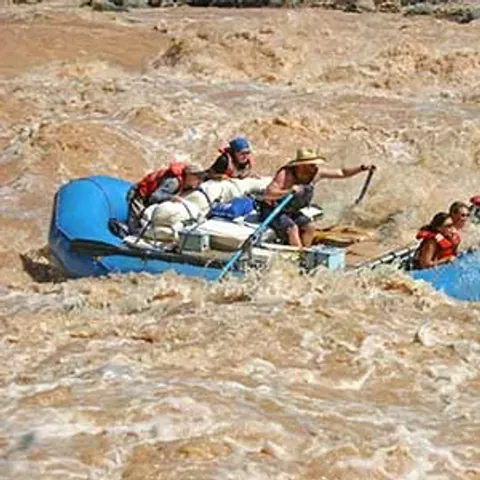
Summer is the season to be cautious about. Daytime temperatures in the canyon regularly exceed 100 to 110 degrees, making the exposed hike in dangerous in the middle of the day. More importantly, July through September is monsoon season, and Havasu Creek is prone to sudden, violent flash floods. Major floods have reshaped the falls and forced campground evacuations in the past.
- Hike in and out at dawn to avoid the worst heat
- Never camp in low spots near the creek during monsoon
- Watch the sky over the rim and the color of the water constantly
- If the creek runs muddy or rises, move to high ground immediately
Summer water is warmest for swimming, but the heat and flood risk make it the riskiest time to go.
Fall: September to November
Early fall is the other sweet spot. By late September the monsoon threat is fading and temperatures ease back into the comfortable range, while the water is still warm from summer. October may be the single best month: mild days, cool but not frigid nights, thinner crowds than spring, and golden cottonwood color toward the end of the month. As November progresses, nights turn cold and swimming becomes less appealing.
Winter: December to February
Winter visits are rare. Daytime highs are mild in the 50s and 60s, but nights drop near or below freezing, and the water is too cold for real swimming. The upside is solitude and the lowest crowds of the year. If you come in winter, treat it as a hiking and photography trip rather than a swimming trip, and pack a genuine cold-weather sleep system.
Booking Around the Seasons
No matter the season, a Havasupai trip requires a reservation that covers a fixed multi-night window, so you cannot just show up on a perfect-weather day. Permits for the whole year typically release on a single date in February, and the prime spring and fall dates vanish within hours. Aim your booking at late spring or early fall, build in flood awareness if any part of your trip touches monsoon season, and use our full Havasupai itinerary to plan the hike in, the day hikes to Mooney and Beaver Falls, and the climb back out around your chosen dates.
Best Time to Visit Havasupai Falls: Season-by-Season Guide FAQs
October is often the ideal month, with mild days, comfortable nights, water still warm enough to swim, and thinner crowds than spring. Late April and May are the next best windows before summer heat sets in.
Monsoon season runs roughly July through September, when sudden flash floods can surge through Havasu Creek and the campground. If you visit then, camp on high ground, watch the sky and water color, and be ready to evacuate to higher terrain.
Summer canyon temperatures often top 100 to 110 degrees, making the exposed 10-mile hike dangerous midday. If you go in summer, start the hike at dawn, carry extra water and electrolytes, and rest during the hottest hours.