Timing makes or breaks a trip into the Wind River Range. This is high, glaciated country in west-central Wyoming, with most trails and passes sitting between 9,000 and 12,000 feet. The hiking season is short and the weather swings fast, so picking the right month matters as much as picking the right trail. Here is what to expect through the year on both the Pinedale and Lander sides of the range.

June: Snow and Snowmelt
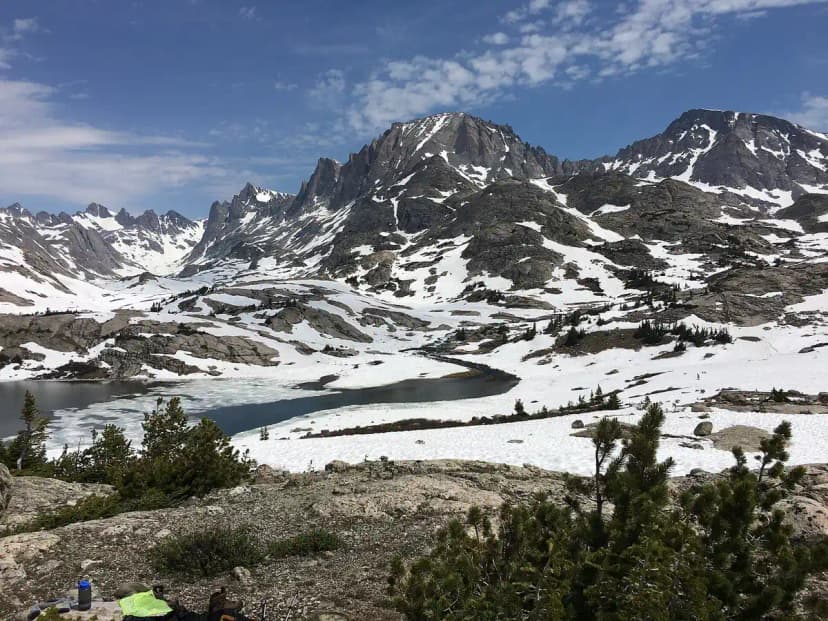
June is early. Lower trailheads like Elkhart Park near Pinedale and Big Sandy may be accessible, but the high country still holds deep, lingering snow. Creek and river crossings run dangerously high with snowmelt, and high passes such as Jackass Pass and Indian Pass can be impassable without an ice axe and snow skills. Mosquitoes start to emerge near the lakes by late June.
July: Wildflowers and Bugs
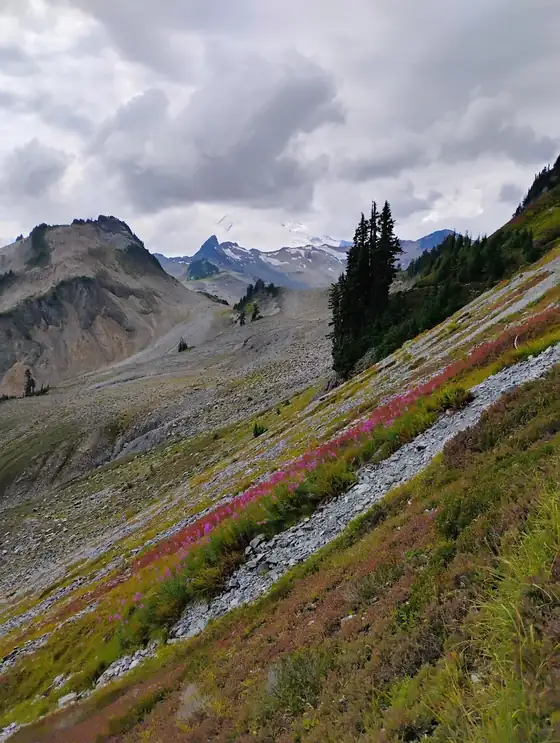
Early July is still snowmelt season up high, but by mid to late July the meadows explode with wildflowers and the passes generally open. The catch is mosquitoes, which peak in July near the lower lakes and can be genuinely miserable without a head net and treated clothing. This is a beautiful but buggy time.
August: Prime Season
August is the best all-around month. Trails are clear, water levels are safe, the bugs ease off as the landscape dries, and the days are long. The one constant to plan around is afternoon thunderstorms, which build almost daily over the high peaks. Cross exposed passes in the morning and be off summits by early afternoon.
- Best for first-timers: mid-to-late August, when conditions are most forgiving.
- Best for wildflowers: mid-July, accepting more bugs and snow up high.
- Best for solitude and color: mid-September, accepting cold nights.
If you are ready to plan dates, our Wind River Range hiking and backpacking itinerary shows how to structure a multi-day trip around this weather window.
September: Fall Color and Frost
Early September is a quiet, gorgeous time. The crowds thin, the mosquitoes are gone, and the willows and aspen near the lower trailheads begin to turn gold. The tradeoff is cold: nighttime temperatures routinely drop below freezing, and the first serious snowstorm of fall can arrive any time after mid-September, sometimes closing high passes overnight. Carry a warm bag and watch the forecast closely.
October Through May: Off Season
From October through late spring the high country is effectively closed to typical backpacking. Snow buries the trails, access roads drift shut, and travel becomes the realm of ski mountaineers and winter experts. Unless you have serious winter skills, treat this as the off season.
Planning Tips That Apply Every Month
No matter when you go, three things hold true in the Winds. First, acclimatize a day in Pinedale or Lander before heading high. Second, always plan high-elevation travel for the morning to dodge thunderstorms. Third, this is grizzly country in all seasons, so carry a bear canister and store food properly. Get the timing right and the Wind River Range delivers some of the finest alpine hiking in the country.
Best Time to Hike the Wind River Range FAQs
August is the best all-around month. The high passes are snow-free, creek crossings are safe, and mosquitoes have eased off. Aim for the second half of August for the most forgiving conditions.
Usually yes for the high country. June still holds deep snow on the passes, and snowmelt makes creek crossings dangerous. Lower trailheads may be open, but high routes often need an ice axe and snow skills.
Mosquitoes peak in July near the lower lakes and can be intense. They taper off through August as the landscape dries out, so late August and September are far more comfortable for sensitive hikers.