Wind River Range, Wyoming
One range, granite towers, glaciers & alpine lakes, deep in Wyoming.
Four days in the "Winds": the granite amphitheater of the Cirque of the Towers, the alpine lakes of Titcomb Basin, Green River Lakes under Squaretop, and the wild glaciers below Gannett Peak.
“I’ve requested to book a Chain Lakes Loop guide on ExplorOFF, and it was the best idea ever! I highly recommend going with their guided option since you get a real human connection on the trail and don’t have to worry about a thing. Yulia was great to talk to!”

 14 stops on a real mapEvery stop pinned in order→
Wind River Range: every stop pinned in order.
Cirque of the Towers, Titcomb Basin & Green River Lakes · Wyoming
Every stop on this trip, in order, opens as one driving route in the Google Maps app. No copying addresses across one at a time.
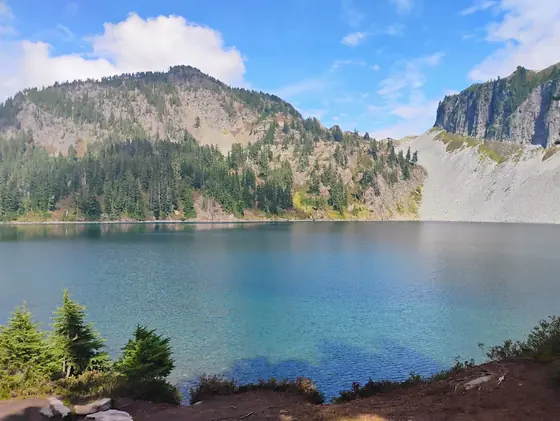
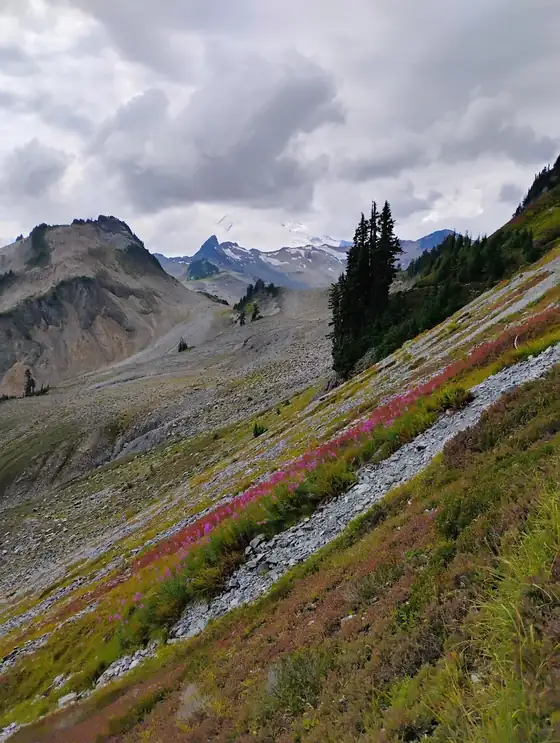
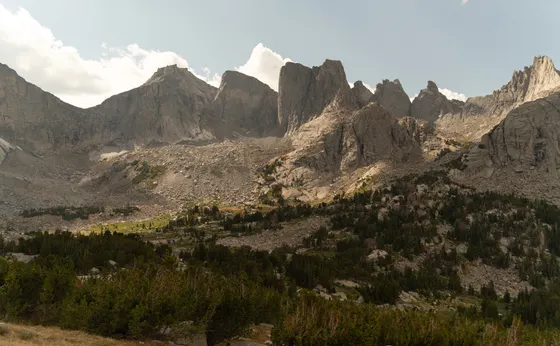
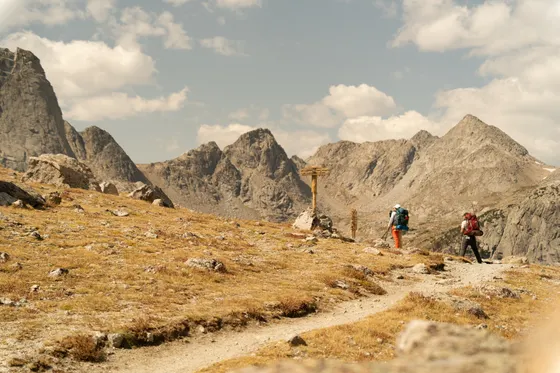
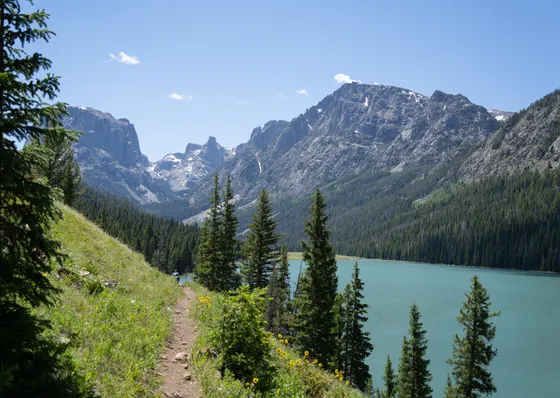
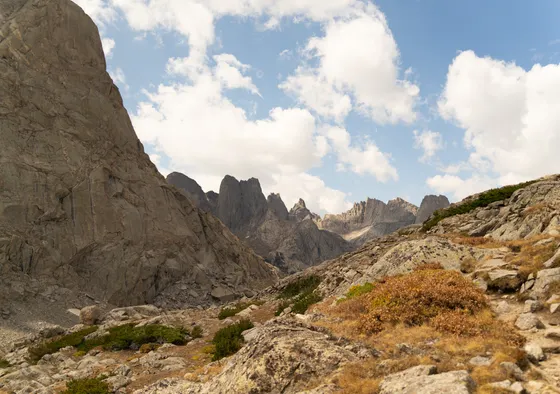
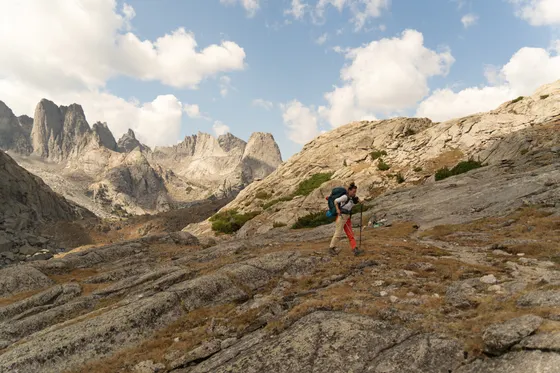
Wind River Range in photos: 5 of the stops.

Plan and book your 4 days in Wind River Range, one step at a time
How 4 days in Wind River Range split up
Plan 4 days for Wind River Range. Trip length: 4 Days. Highest peak: 13,810 ft. Difficulty: Strenuous. The Wind River Range, the "Winds" to those who know them, is one of the most remote and spectacular mountain ranges in the lower 48: a 100-mile granite spine running through west-central Wyoming, holding Gannett Peak (13,810 feet, the state high point), more than 40 named glaciers, and hundreds of alpine lakes. It is managed almost entirely as wilderness within the Bridger-Teton and Shoshone National Forests, with no entrance gate, no shuttle, and no crowds like the Tetons just to the north.
Day 1: Drive in to Big Sandy · into the Cirque of the Towers
4 stops · Day one
Day 2: Explore the Cirque · Lonesome Lake & the granite walls
3 stops · Day two
Day 3: Reposition to Pinedale · up Pole Creek toward Titcomb Basin
4 stops · Day three
Day 4: Titcomb Basin & Green River Lakes · the grand finale
3 stops · Day four
Drive in to Big Sandy · into the Cirque of the Towers
The Winds are remote: plan on about 3.5 hours from Jackson Hole (JAC) to the Big Sandy trailhead, or come up from Riverton (RIW), with the final stretch on long gravel roads and no cell service. Aim for the Big Sandy trailhead, the classic southern gateway, and fuel up, fill water, and pick up bear spray in Pinedale or Lander before you commit to the dirt.
Not the order you want? Drag a stop, or use the arrows beside it. Stops move between days too.
 Drive from
~3.5 hr · long gravel access · fuel up first · DriveThe Winds are remote. Plan on about 3.5 hours from Jackson Hole (JAC) to the Big Sandy trailhead, or come up from Riverton (RIW), with the final stretch on long gravel roads and no cell service. Fuel up, fill water, and pick up bear spray in Pinedale or Lander before you commit to the dirt.
- Big Sandy trailhead
Southern gateway · self-register here · ViewpointBig Sandy is the classic southern gateway to the Cirque of the Towers. Self-register at the trailhead (no permit, no fee), check the group-size limits, and make sure your bear-proof food container and bear spray are ready before you start the climb.
- Cirque of the Towers via Jackass Pass
~8 mi in · strenuous · granite amphitheater · HikeFrom Big Sandy the trail climbs past Big Sandy Lake before tackling Jackass Pass, a rocky, boulder-strewn crossing that drops you into the Cirque of the Towers, a horseshoe of granite spires ringing Lonesome Lake. It is roughly 8 miles in, so plan to backpack and camp on the approach or just outside the cirque.
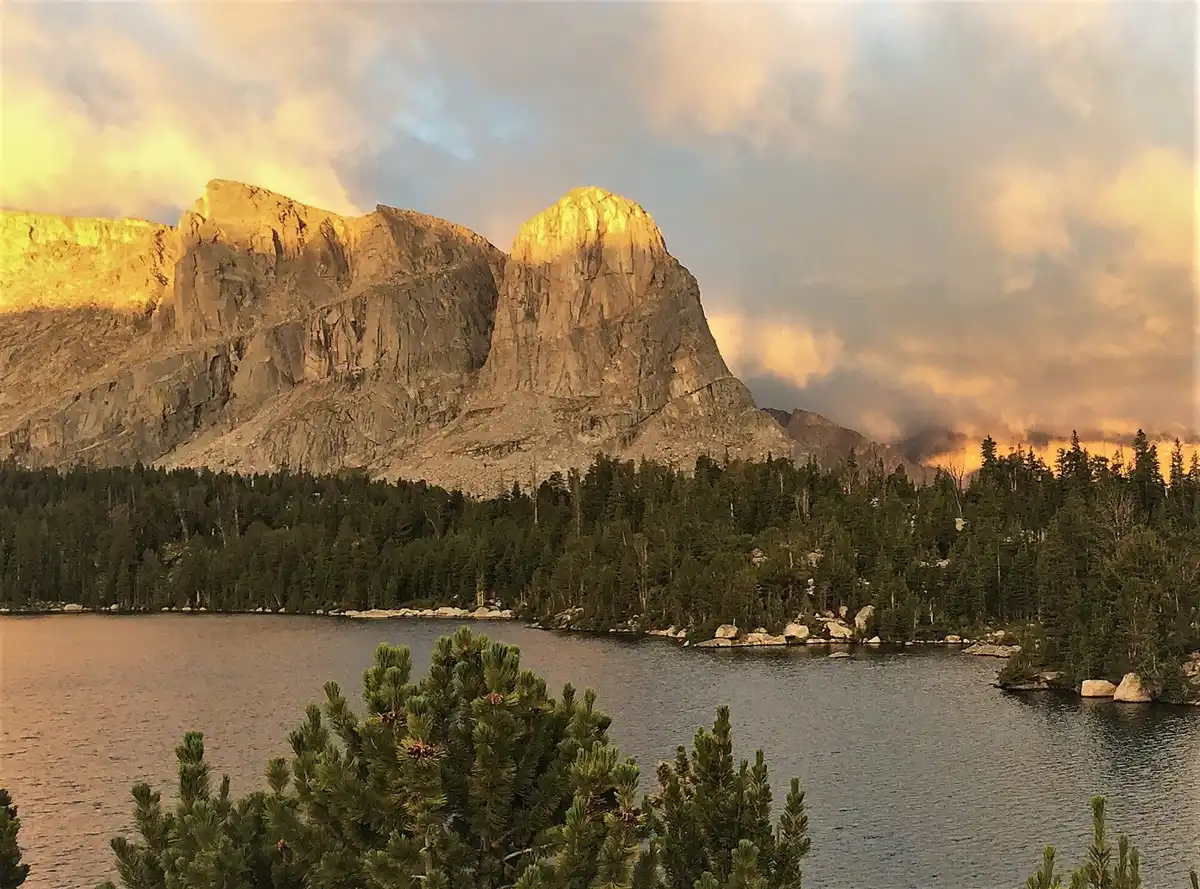 Doug Letterman / CC BY 2.0Backpack camp near the cirque
Camp outside Lonesome Lake · bear-proof food · lodgeSet up a backcountry camp on the approach or just outside the cirque, since camping is restricted right at Lonesome Lake to protect the basin. This is active grizzly country, so store all food in a bear-proof container away from your tent and keep bear spray within reach.
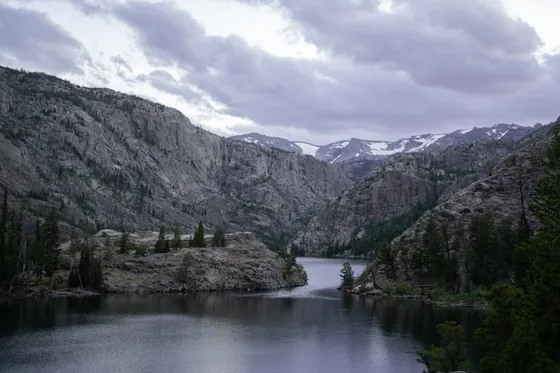
Explore the Cirque · Lonesome Lake & the granite walls
Spend the day inside the Cirque of the Towers, the iconic granite amphitheater that draws climbers and backpackers from around the world. Wander the meadows around Lonesome Lake beneath Pingora, Wolf's Head, and the long sweep of towers, and watch climbers inch up the walls. This is a place to slow down: the light on the granite at dawn and dusk is the whole point.
Not the order you want? Drag a stop, or use the arrows beside it. Stops move between days too.
- Lonesome Lake & the cirque meadows
Granite amphitheater · world-class climbing · HikeSpend the day inside the Cirque of the Towers, wandering the meadows around Lonesome Lake beneath Pingora, Wolf's Head, and the long sweep of towers. Watch climbers inch up the walls, and let the light on the granite at dawn and dusk do its work.
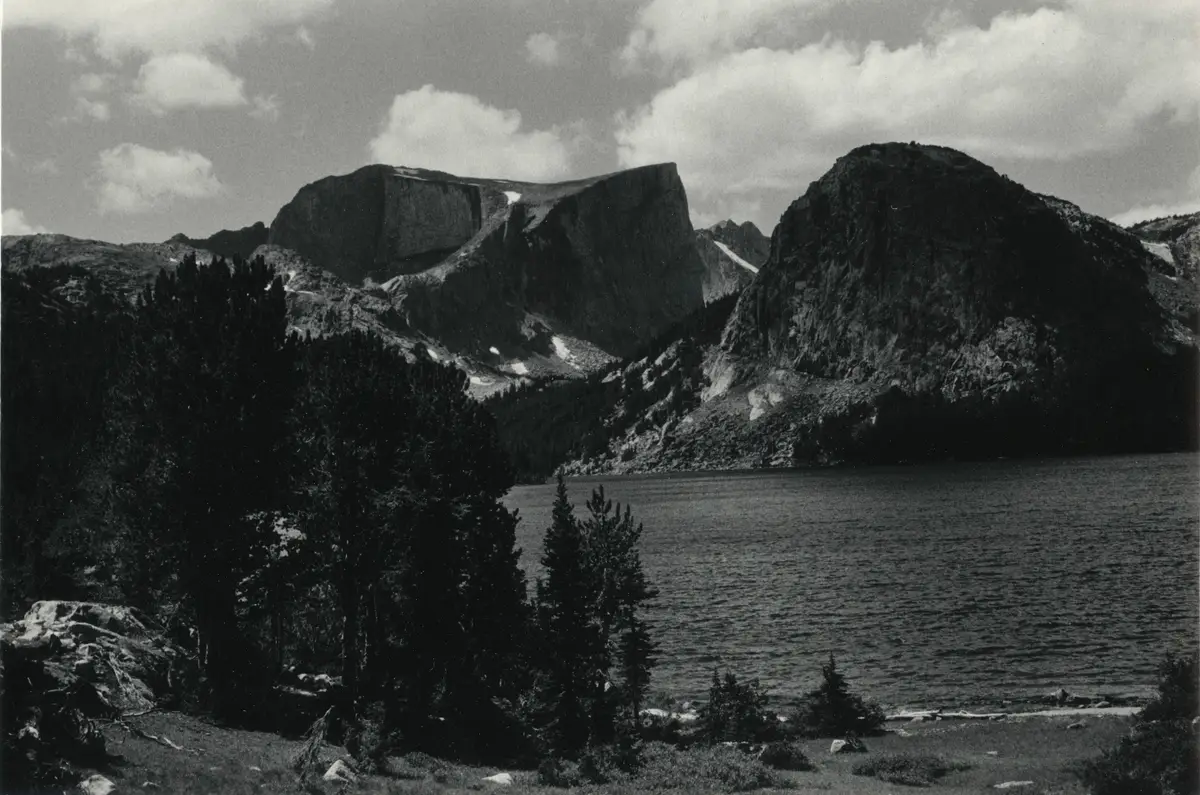 John Sweeney / CC BY-SA 3.0Scramble toward Texas Pass
Higher view back over the cirque · ViewpointIf you have the legs, scramble up toward a high bench or out toward Texas Pass for a sweeping view back over the cirque and Lonesome Lake. Go early, since afternoon thunderstorms build fast over the spires, and be off exposed terrain by early afternoon.
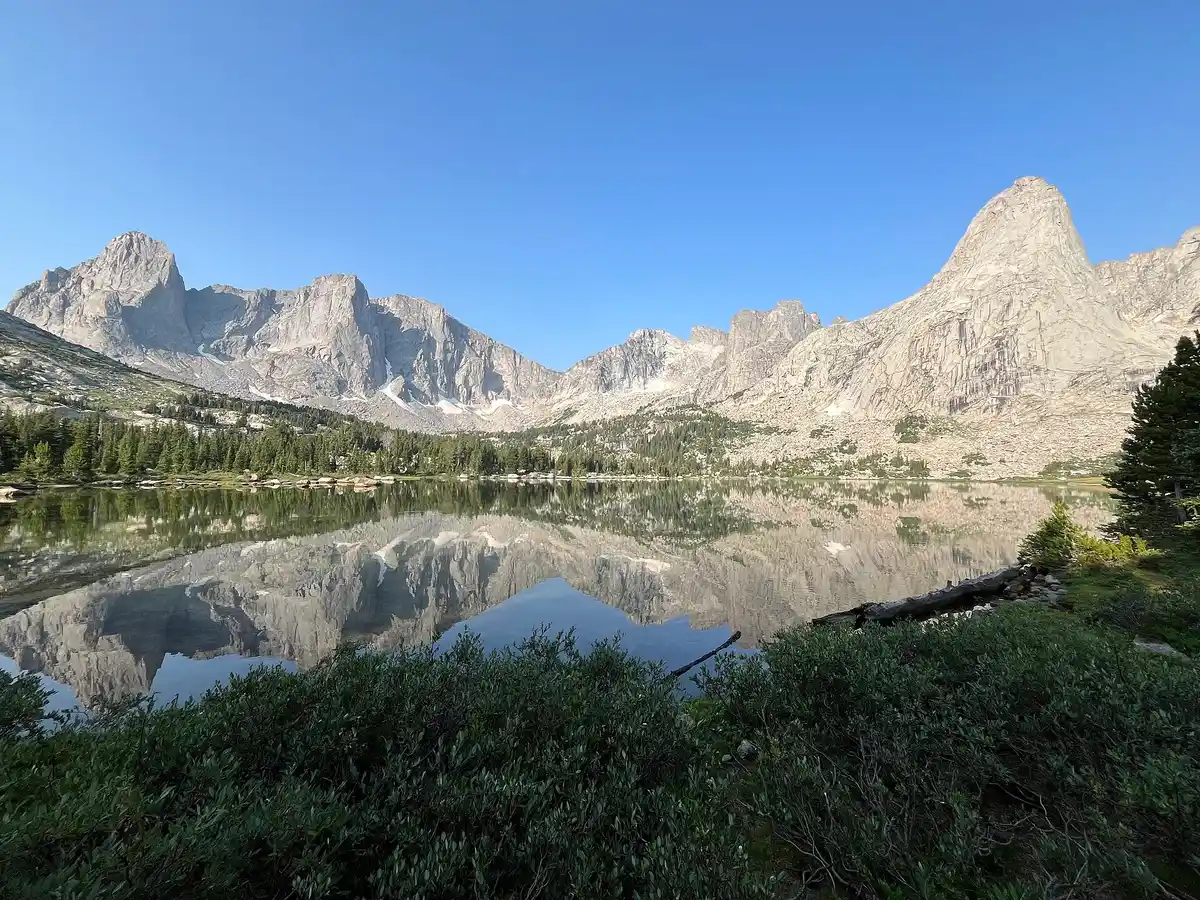 Second night near the cirque
Basecamp · leave no trace · lodgeStay a second night near the cirque so you can explore at a slow pace and catch the granite at golden hour. Keep a clean, bear-aware camp, store all food in the canister away from your tent, and camp on durable surfaces to protect the fragile meadows.
Reposition to Pinedale · up Pole Creek toward Titcomb Basin
Hike back out over Jackass Pass to Big Sandy and reposition to the west side of the range. Drive to Pinedale, the friendly hub town, resupply, and head up to the Elkhart Park trailhead above town, the launch point for the range's most famous alpine-lake backpack. From here the Pole Creek / Titcomb Basin route runs roughly 25 to 30 miles round trip into the high heart of the Winds.
Not the order you want? Drag a stop, or use the arrows beside it. Stops move between days too.
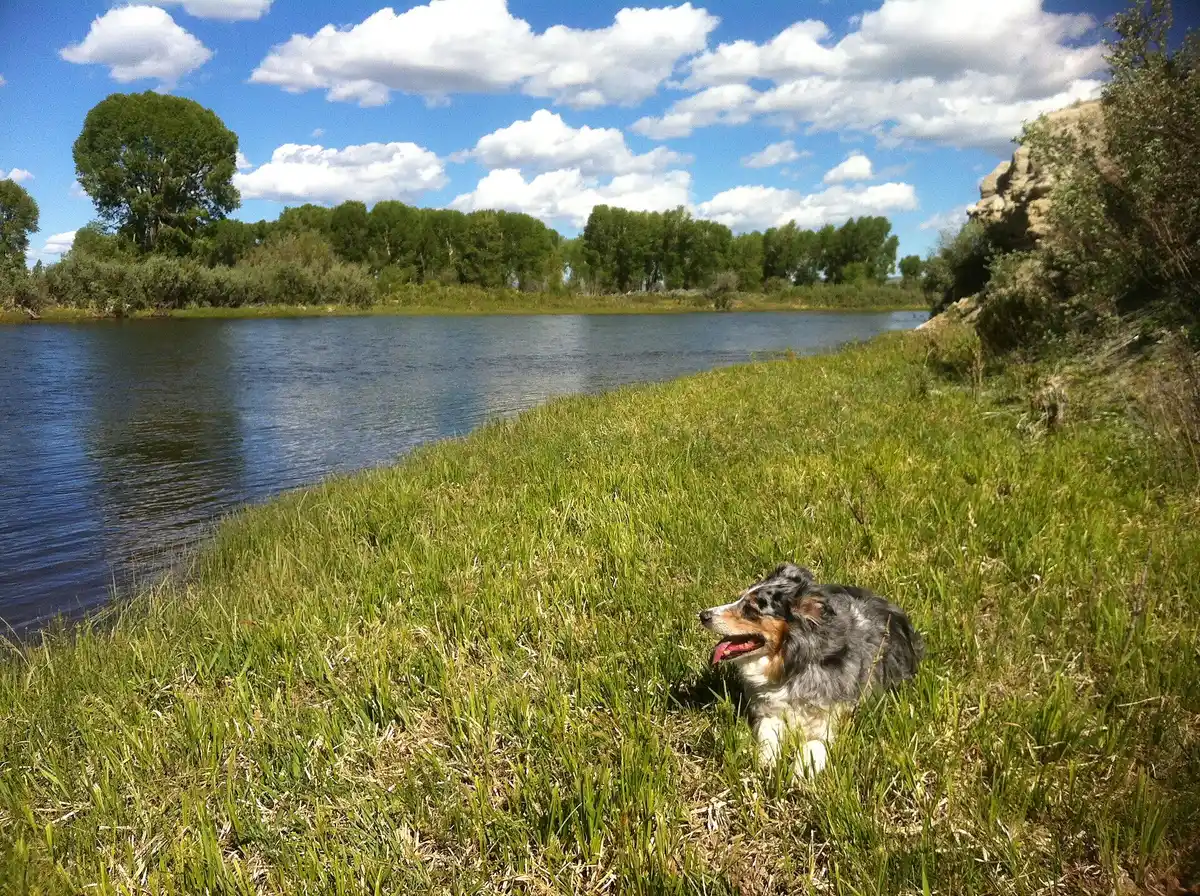 U.S. Department of the / CC BY-SA 2.0Reposition to Pinedale
West-side hub · resupply · DriveHike back out over Jackass Pass to Big Sandy and reposition to the west side of the range. Drive to Pinedale, the friendly hub town, and resupply: this is your last gas, food, and water before heading up to the Elkhart Park trailhead above town.
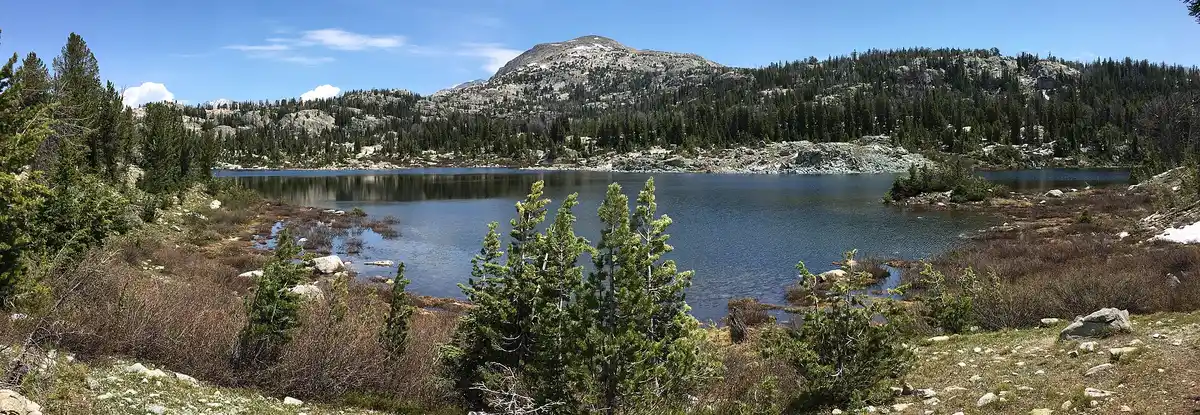 Fredlyfish4 / CC BY-SA 4.0Pole Creek toward Titcomb Basin
~25 to 30 mi RT · Elkhart Park trailhead · HikeFrom Elkhart Park, the Pole Creek route runs roughly 25 to 30 miles round trip into the high heart of the Winds and the range's most famous alpine-lake backpack. Snow can linger on the higher sections into summer and mosquitoes are fierce in July, so come prepared.
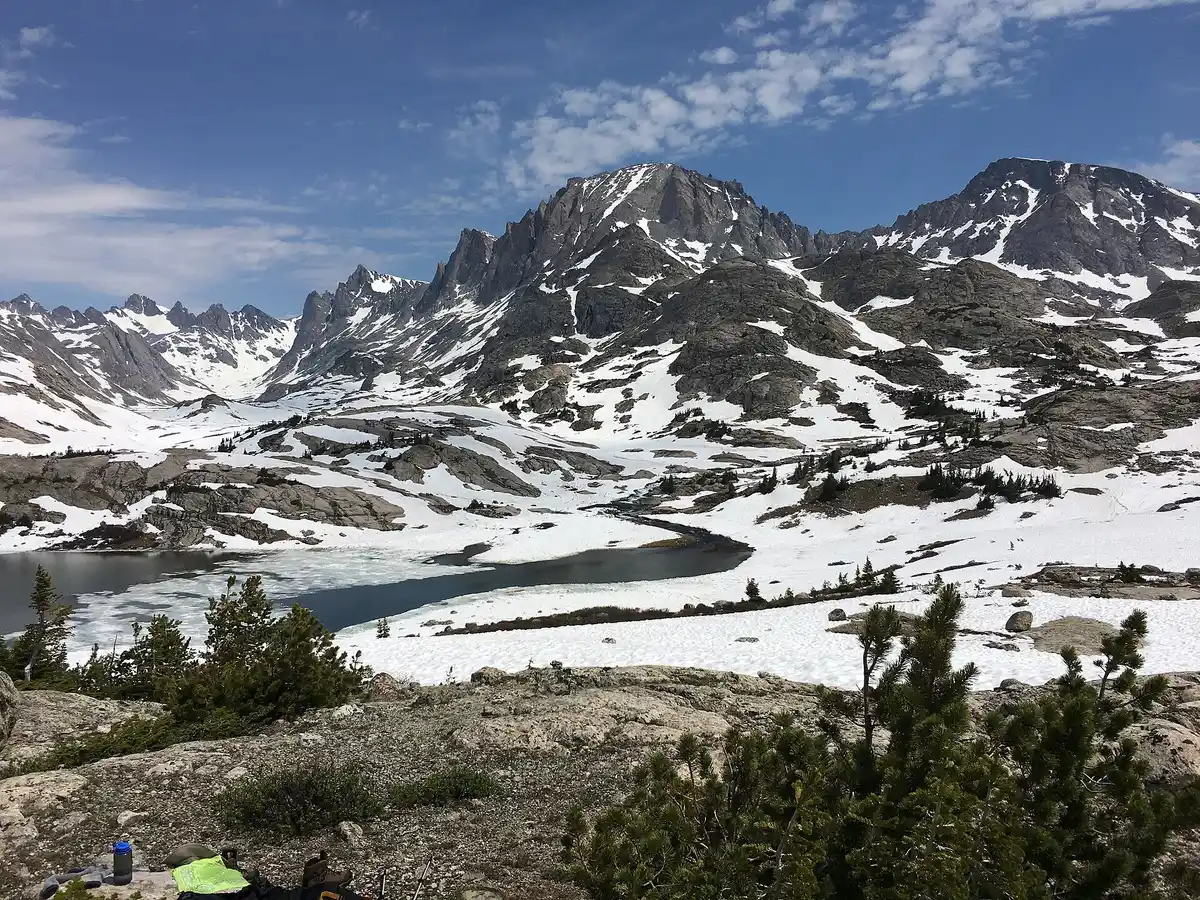 Fredlyfish4 / CC BY-SA 4.0Seneca Lake
Granite-ringed alpine lake · ViewpointClimb past Seneca Lake, a granite-ringed alpine lake on the way in toward Titcomb. It is a good landmark and rest stop as the trail gains the high country, with classic Wind River scenery opening up around you.
- Camp at Island Lake
Sapphire lake · gateway to Titcomb · lodgeCamp at Island Lake, a sapphire lake ringed by granite that makes a stunning first night in and the classic gateway to Titcomb Basin. Pick a breezier site to dodge the mosquitoes, store all food in your bear-proof container, and keep bear spray within reach.
Titcomb Basin & Green River Lakes · the grand finale
Push the last few miles up into Titcomb Basin, a glacier-carved corridor of linked alpine lakes hemmed in by sheer granite under Fremont Peak (13,745 feet), with the glaciers and Gannett Peak beyond. It is one of the great alpine basins in North America and the turnaround highlight of the trip. Soak it in, then hike back out to Elkhart Park.
Not the order you want? Drag a stop, or use the arrows beside it. Stops move between days too.
- Titcomb Basin under Fremont Peak
Glacier-carved alpine basin · HikePush the last few miles up into Titcomb Basin, a glacier-carved corridor of linked alpine lakes hemmed in by sheer granite under Fremont Peak (13,745 feet), with the glaciers and Gannett Peak beyond. It is one of the great alpine basins in North America and the turnaround highlight of the trip.
- Green River Lakes & Squaretop
Squaretop reflection · drive-up day hike · ViewpointWith extra time, swing north of Pinedale to Green River Lakes, where the perfect dome of Squaretop Mountain reflects in the water at one of the most photographed spots in Wyoming. It is a gentler, drive-up-and-day-hike alternative to the high passes of Titcomb.
- Getting home: Jackson or Riverton
JAC ~1.5 to 2 hr · RIW alternative · DriveFrom Pinedale it is roughly 1.5 to 2 hours back to Jackson Hole (JAC), or head to Riverton (RIW) on the east side. Fuel up in Pinedale and start the long, remote drive out with daylight to spare, keeping your route downloaded offline for the stretches with no cell signal.
Sort where you sleep each night
Most nights on this trip are in a tent. Reserve any campsite the route needs, and the room either side of it if you want one.
Tell us your dates and we will do the calling: the rooms either side, and the guided days in between. Nothing is charged and you decide at the end.
Request to bookWhat to pack for Wind River Range
Built from this route, not a generic list. Every line says why it is here.
On every day of this trip
On your feet
Because you are sleeping out 3 nights
For the drive to the trailhead
Specific to Wind River Range
What we actually learned in the Winds.
No fee, but self-register and mind group limits
The Wind River Range has no entrance fee and most areas need no permit, but you must self-register at the trailhead. Wilderness rules apply, including group-size limits and no mechanized travel. Check the Bridger-Teton National Forest site for current closures and regulations before you go.
Carry bear spray and store food properly
This is active grizzly country. Carry bear spray on your hip where you can reach it, not buried in your pack, and store all food and scented items in a bear-proof canister away from your tent. Keep a clean camp and never leave food unattended.
Go late July to mid September
The reliable window is late July through mid September. Earlier and snow lingers on the high passes; July brings notorious mosquitoes, so pack a head net. Afternoon thunderstorms build fast over the peaks, so start early and be off exposed terrain by early afternoon.
Respect the altitude and remoteness
Trailheads sit near 9,000 feet and passes climb well above 11,000. Acclimatize, pace yourself, and know that there are no services, no quick exits, and little to no cell signal. Be fully self-sufficient and tell someone your route and return date.
Treat your water and pack it all out
The Winds are full of clear lakes and streams, but always filter or treat your water. There are no facilities, so practice strict leave-no-trace: pack out all trash, bury waste properly, and camp on durable surfaces away from lakeshores.
Base in Pinedale or Lander
There is no lodging in the wilderness. Pinedale serves the west-side trailheads (Elkhart Park, Green River Lakes) and Lander serves the south and east (Big Sandy, Sinks Canyon). Rooms are limited in both towns and fill on summer weekends, so book early.
Wind River Range: questions before you go
Wind River Range hiking: the questions people ask most.
The Wind River Range runs about 100 miles through west-central Wyoming, southeast of Grand Teton and Yellowstone. It is anchored by the hub towns of Pinedale on the west side and Lander to the south and east, and it holds Gannett Peak (13,810 feet), the highest point in Wyoming, plus more than 40 named glaciers.
For Wind River Range hiking, the two standouts are the Cirque of the Towers, a granite amphitheater reached over Jackass Pass from the Big Sandy trailhead (roughly 16 miles round trip), and Titcomb Basin, a classic alpine-lake backpack up Pole Creek from Elkhart Park near Pinedale (about 25 to 30 miles round trip). For an easier day, Green River Lakes offers the iconic Squaretop Mountain reflection right from the lakeshore.
For most areas of the Wind River Range there is no permit required and no entrance fee, but you do need to self-register at the trailhead. The range is managed as wilderness within the Bridger-Teton and Shoshone National Forests, so group-size limits and leave-no-trace rules apply. Always check the Bridger-Teton National Forest site for current regulations and closures.
Four days is a realistic minimum for backpacking in the Wind River Range, Wyoming, which is what this route uses: two days for the Cirque of the Towers out of Big Sandy and two for the Titcomb Basin side out of Elkhart Park. The full Titcomb backpack alone is about 25 to 30 miles round trip, so many hikers give it 3 to 5 days on its own, and a week or more opens up the deeper traverses. Whatever the length, budget conservatively, since the trailheads sit near 9,000 feet and the miles come slowly at altitude.
The reliable window is late July to mid September. Earlier in the season, snow lingers on the high passes and crossings can be difficult. July brings notorious mosquitoes, so a head net is essential. Late August and early September often offer the best mix of clear trails, fewer bugs, and stable weather, though afternoon storms can build any time.
Yes. The Wind River Range is active grizzly habitat. You must carry bear spray where you can reach it quickly and store all food and scented items in a bear-proof container away from your tent. Keep a clean camp, make noise on the trail, and never leave food unattended. Bear awareness is not optional here.
The nearest airport is Jackson Hole (JAC), about 1.5 to 2 hours from Pinedale, with Riverton (RIW) as an alternative on the east side. From there you drive to the trailheads: Big Sandy and Elkhart Park for this route, plus Green River Lakes north of Pinedale. The final stretches are on gravel roads with no services or cell signal, so fuel up and download maps first.
There is no lodging inside the wilderness, so base in one of the gateway towns. Pinedale serves the west-side trailheads like Elkhart Park and Green River Lakes, while Lander serves the south and east, including Big Sandy and Sinks Canyon. Rooms are limited in both towns and fill on summer weekends, so book early or plan to camp.
The Winds are spectacular but demanding. Trailheads sit near 9,000 feet, passes climb above 11,000, and the range is remote with no services and little cell signal. It suits hikers and backpackers who are comfortable at altitude, fit, and self-sufficient in grizzly country. Beginners can start with shorter day hikes like Green River Lakes before committing to a multi-day backpack.
Yes. This is remote, no-signal country with brutal talus passes and no quick way out, so a satellite messenger or personal locator beacon is the safest way to reach help if something goes wrong. Store your food in an IGBC-approved bear canister or a secure hang in this grizzly habitat, and pack warm layers even in early August, when nights above 10,000 feet get cold and storms build fast.
Tell us your dates and we ask a local guide who works this area what they can do on your days and what it costs. If nobody is free, we tell you. Asking is free: no card, no deposit, and nothing is held until you say yes.
Pick how you want to go.
Same 4-day route. Same 8 stops.

- A private local guide, campsites booked
- Included
- Airport pickup and every drive
- Included
- Park, permit and campsite fees paid
- Included
- All the gear and the trail meals
- Included
Written and walked by Yulia Vasilyeva · Co-founder · Lead planner and guide
Three years leading guided hikes in the Pacific Northwest, rated 5.0 by 20+ verified guests, and she builds every custom itinerary herself. Based in Seattle.
Last checked September 2026
You might also love these
Other itineraries near this one.
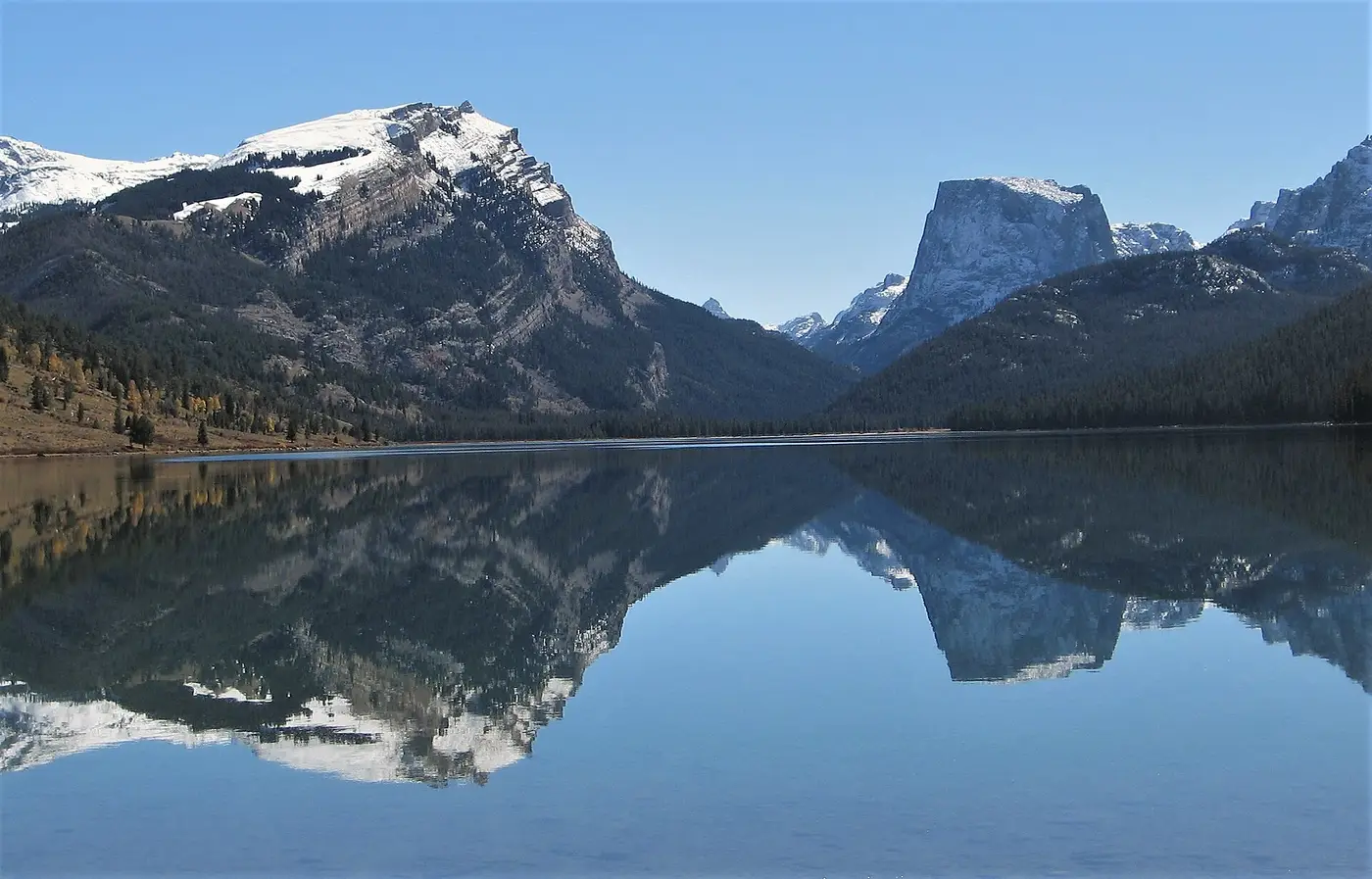
Wind River Range Thru-Hike: Boulder Lake to Green River Lakes in 7 Days
Seven days and about 53 miles north through the Bridger Wilderness, from Boulder Lake over Hat Pass and Shannon Pass to Green River…
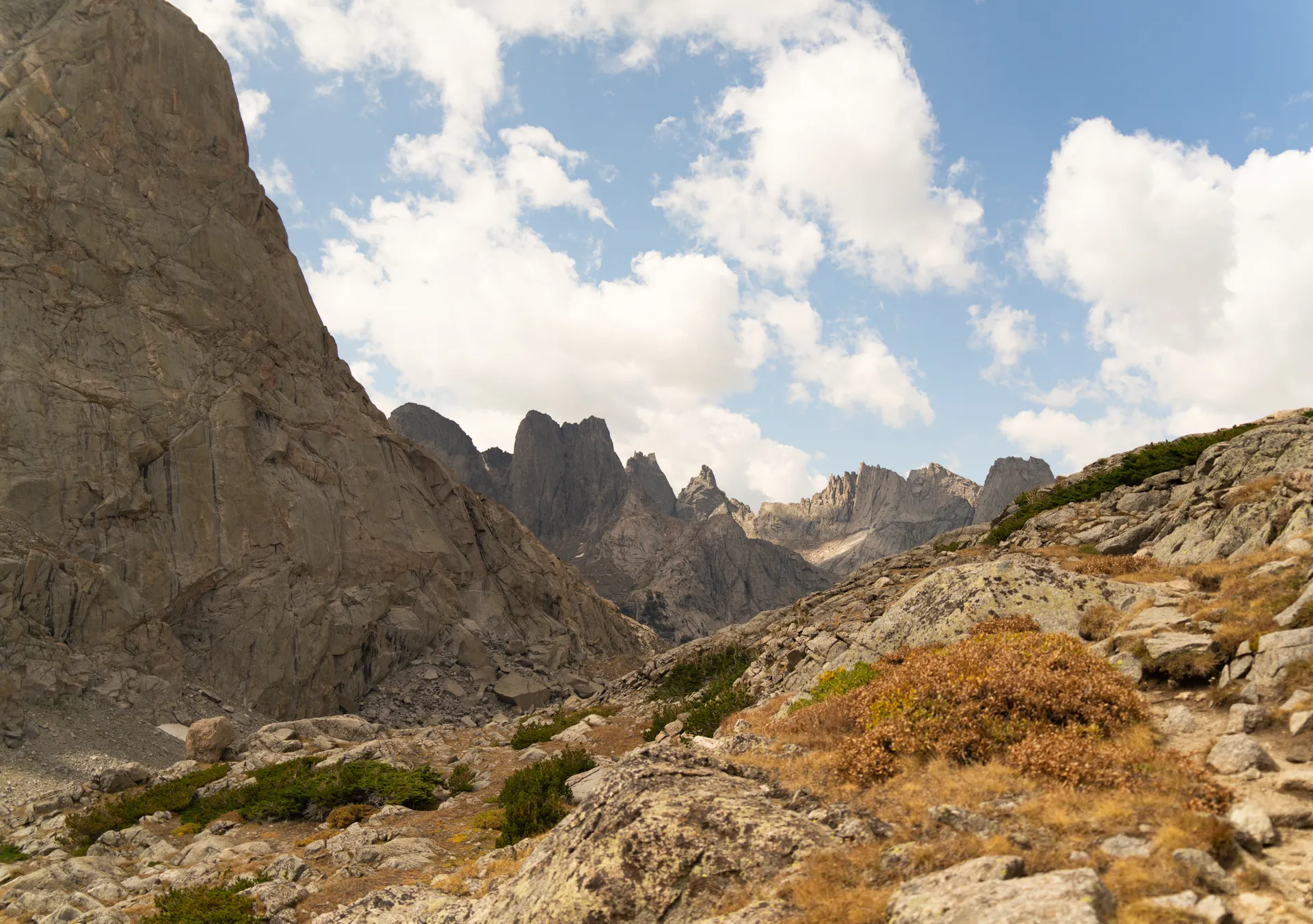
Wind River Range Backpacking: A 7-Day Itinerary
Seven days of serious alpine backpacking through the Winds: Titcomb Basin under Gannett Peak, Indian Basin, Island Lake, high passes,…

Grand Teton Day Hikes: 3-Day Itinerary
The best day hikes in the Grand Tetons over a long weekend, no overnight backcountry permits needed: Jenny Lake, Hidden Falls,…
Guides for this tripBest Time to Hike the Wind River RangeCirque of the Towers HikeTitcomb Basin Hike
What adventurers say about us.
All reviews are from verified guests. ★★★★★ 5.0 average from 20+ bookings.
"Felt like going out with a really knowledgeable friend who just happens to know everything about the area. No awkward tour-guide energy, just a magnificent day."
"Yulia is an incredible guide. She knew every trail, every viewpoint, and exactly how to pace the day for our group. The photos she took of us were stunning. 100% booking again."
"I was visiting Seattle solo and this was the best decision I made on the trip. Yulia picked me up, had snacks, and took us to a trail I never would have found on my own. Absolute must-do."
"We did this as a couple's trip and it was perfect. Yulia adapted everything to us, our pace, our interests, our photo obsession. The mountain views were unreal."
"Phenomenal experience. Yulia has deep local knowledge and a real passion for the outdoors. She went out of her way to show us the hidden gems tourists never see. Will remember this forever."
"I've done a few guided hikes and this was by far the best. Yulia is warm, funny, and genuinely expert. The trail she chose had the most insane wildflower bloom, we got so lucky."
Fees, reservation windows, shuttle dates and trail closures are planning estimates. Confirm hours, road status and any reservations with the land manager before you go.
What other travelers are saying
Be the first to leave a tip or question for the next traveler.
Was this helpful?
One tap. It goes straight to Yulia and Margarita.
You can't hike it if you can't get the permit.
The best hikes in America run on lotteries that open once a year and sell out in minutes. Every trail runs on its own calendar. Pick the ones you want and we do the watching.
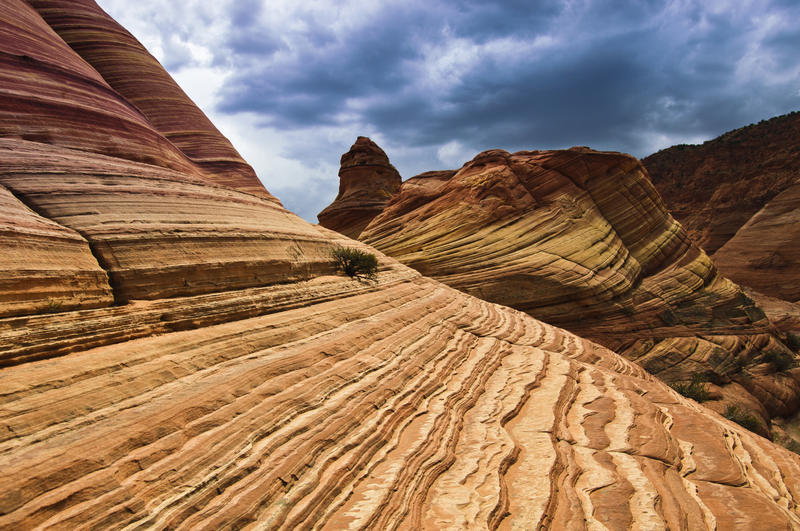 The WaveCoyote Buttes North · Arizona / UtahPermitLotterybrutal odds
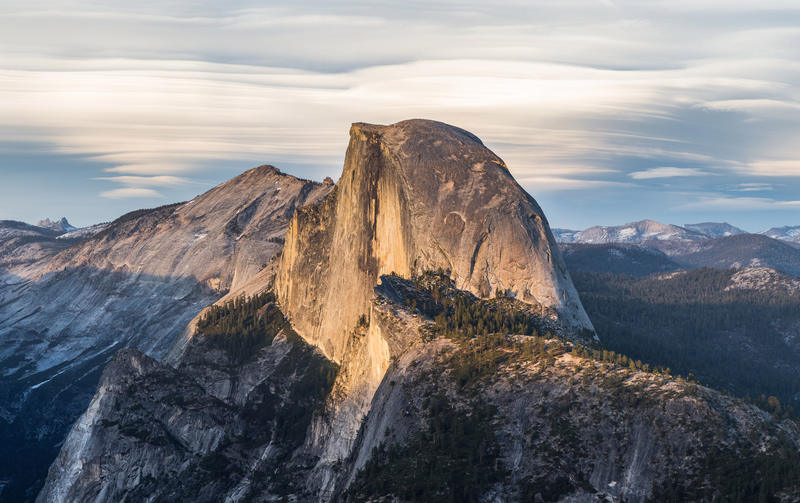 Half Dome CablesYosemite NP · CaliforniaPermitOpens Mar 1fair odds
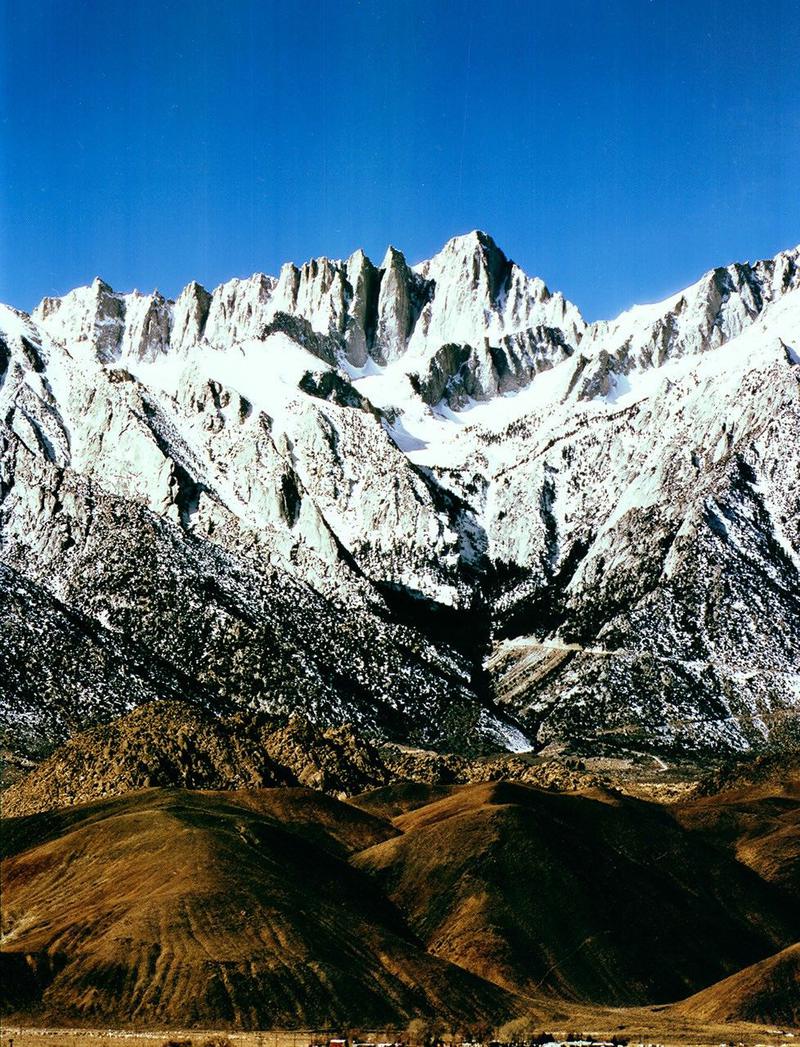 Mt. WhitneyInyo NF · CaliforniaPermitOpens Feb 1tough odds
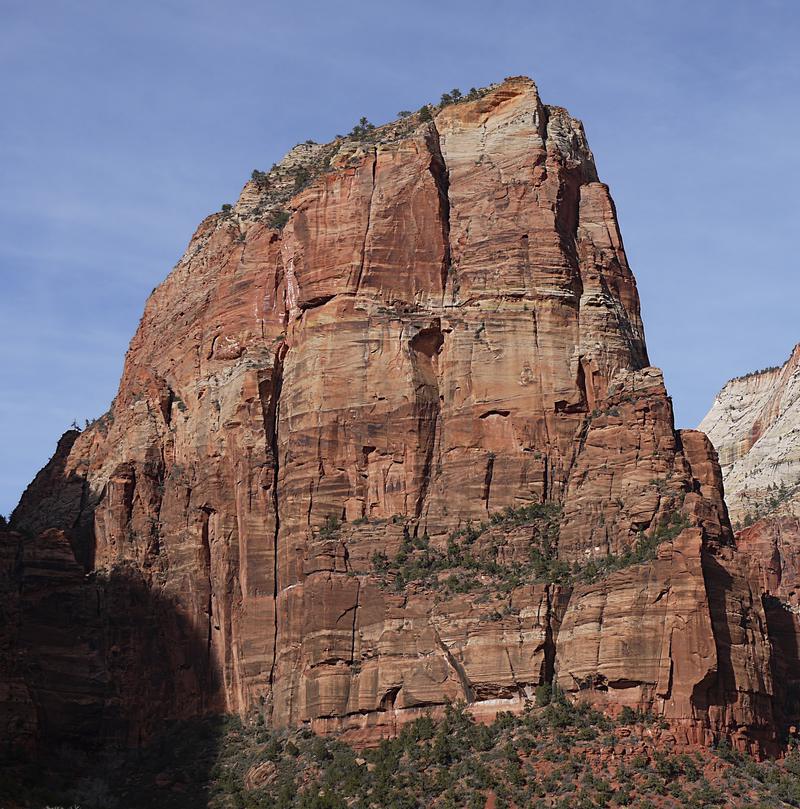 Angels LandingZion NP · UtahPermitLotterytough odds
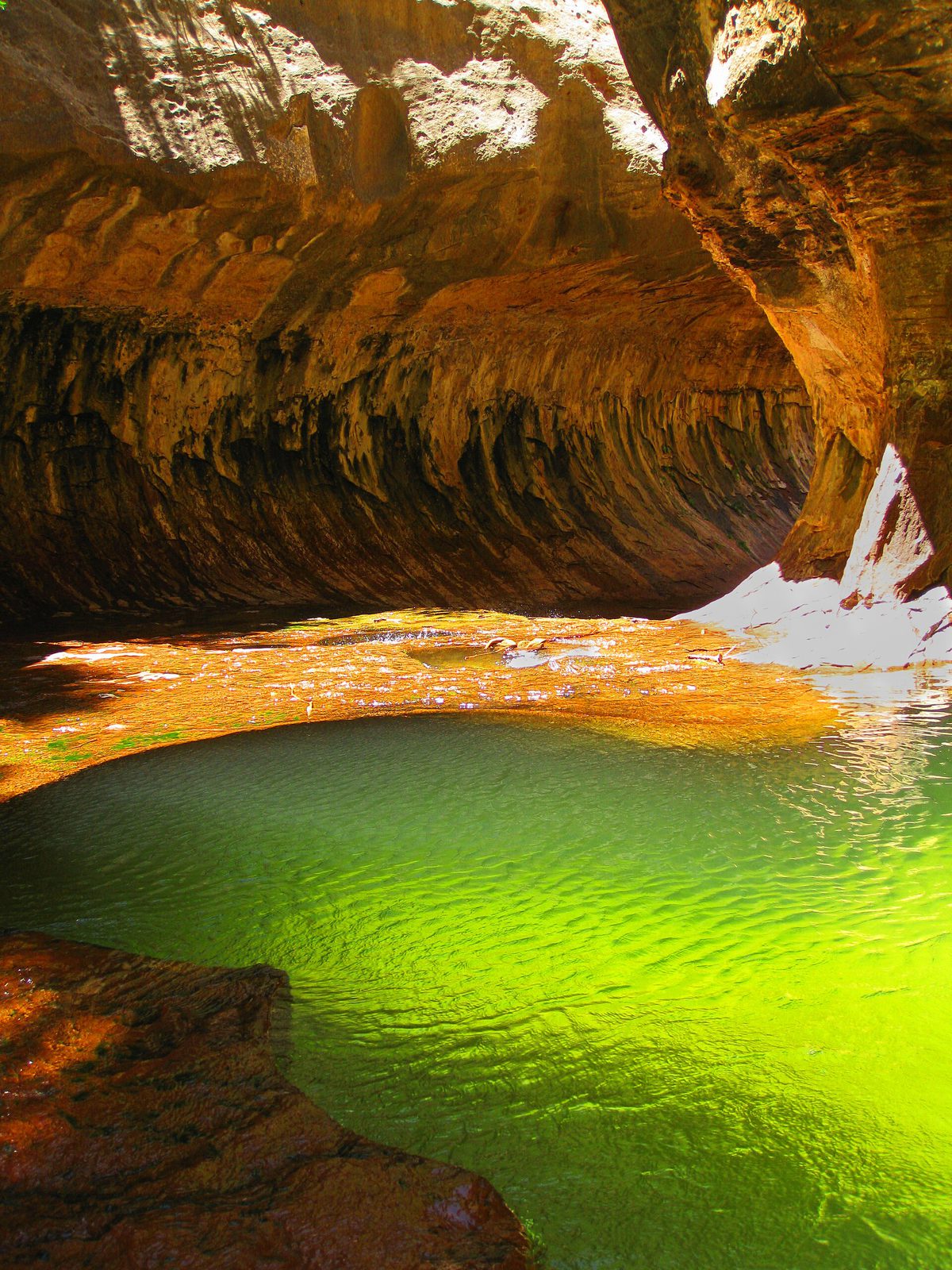 The SubwayZion NP · UtahPermitLotterytough odds
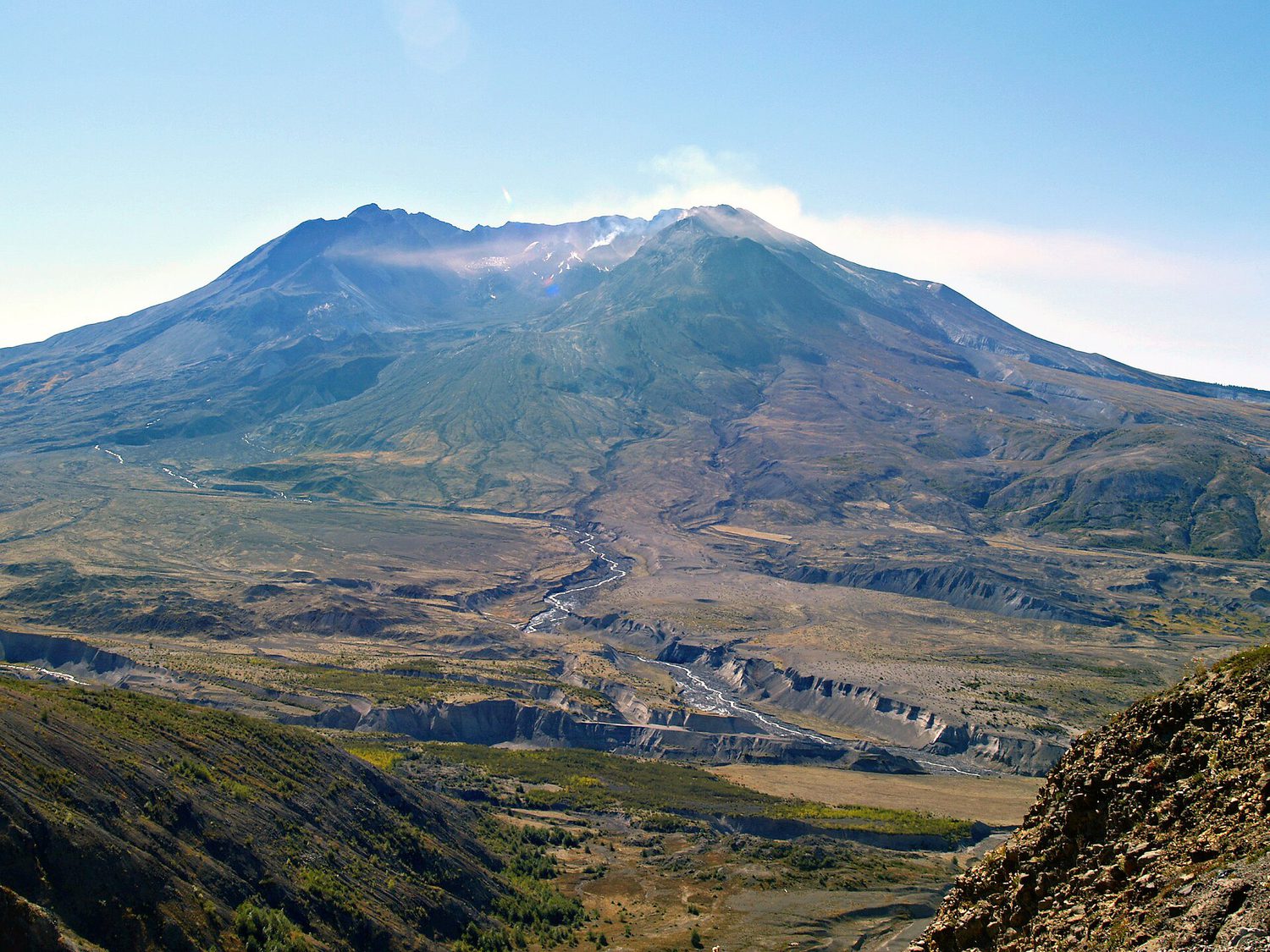 Mount St. Helens Summit ClimbGifford Pinchot NF · WashingtonPermitReservationtough odds
How it works
- An email the morning each window opens, never the day after.
- A 14-day heads-up so you can line up your group and dates.
- Win odds and a ranked backup plan for every trail you pick.
Didn't win? We keep watching. We check recreation.gov every day for The Enchantments, Half Dome and Angels Landing, and email you the moment a sold-out date frees up. Cancellations are the second chance most people never hear about.