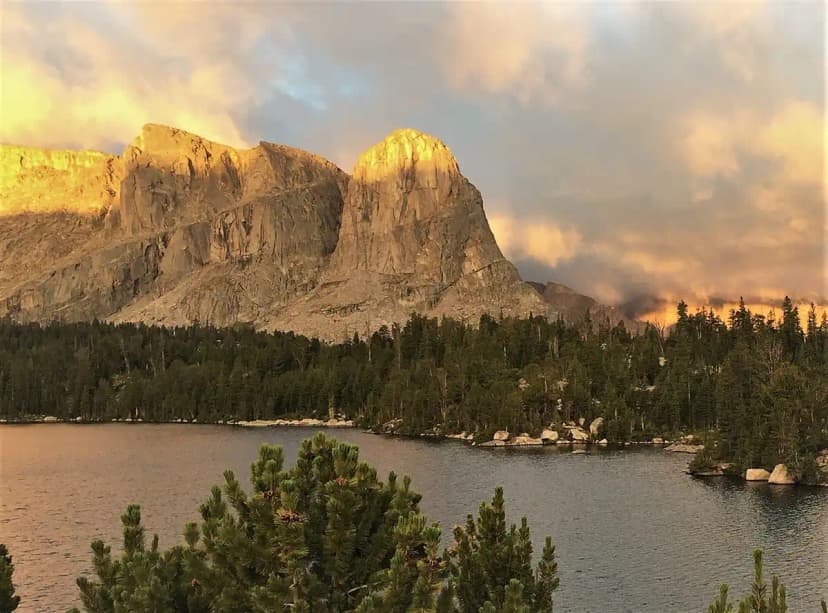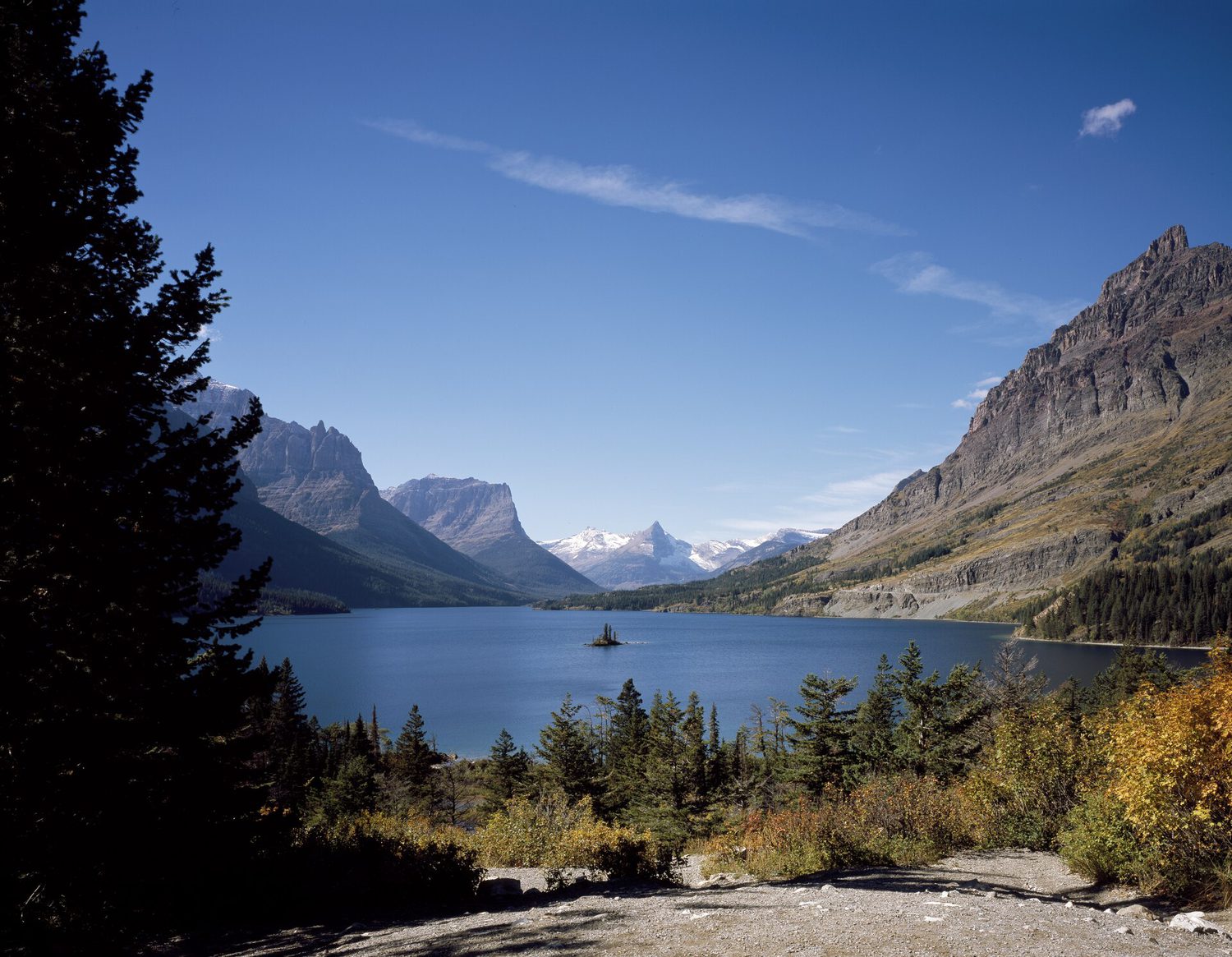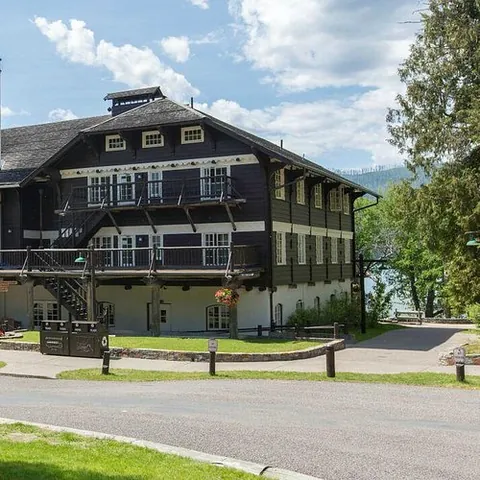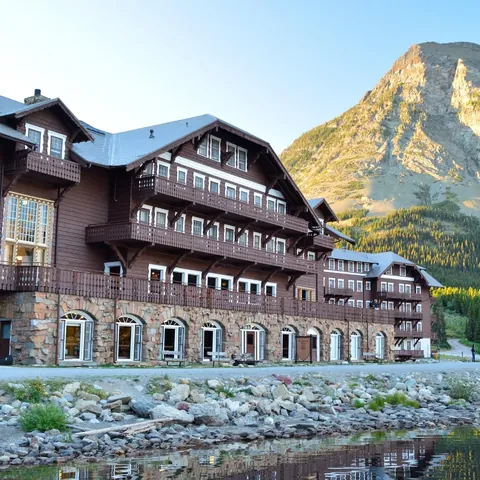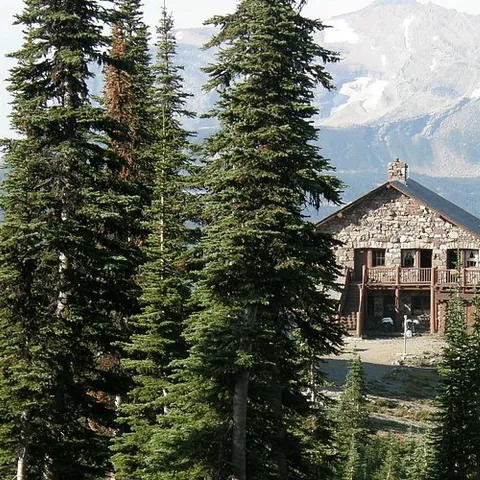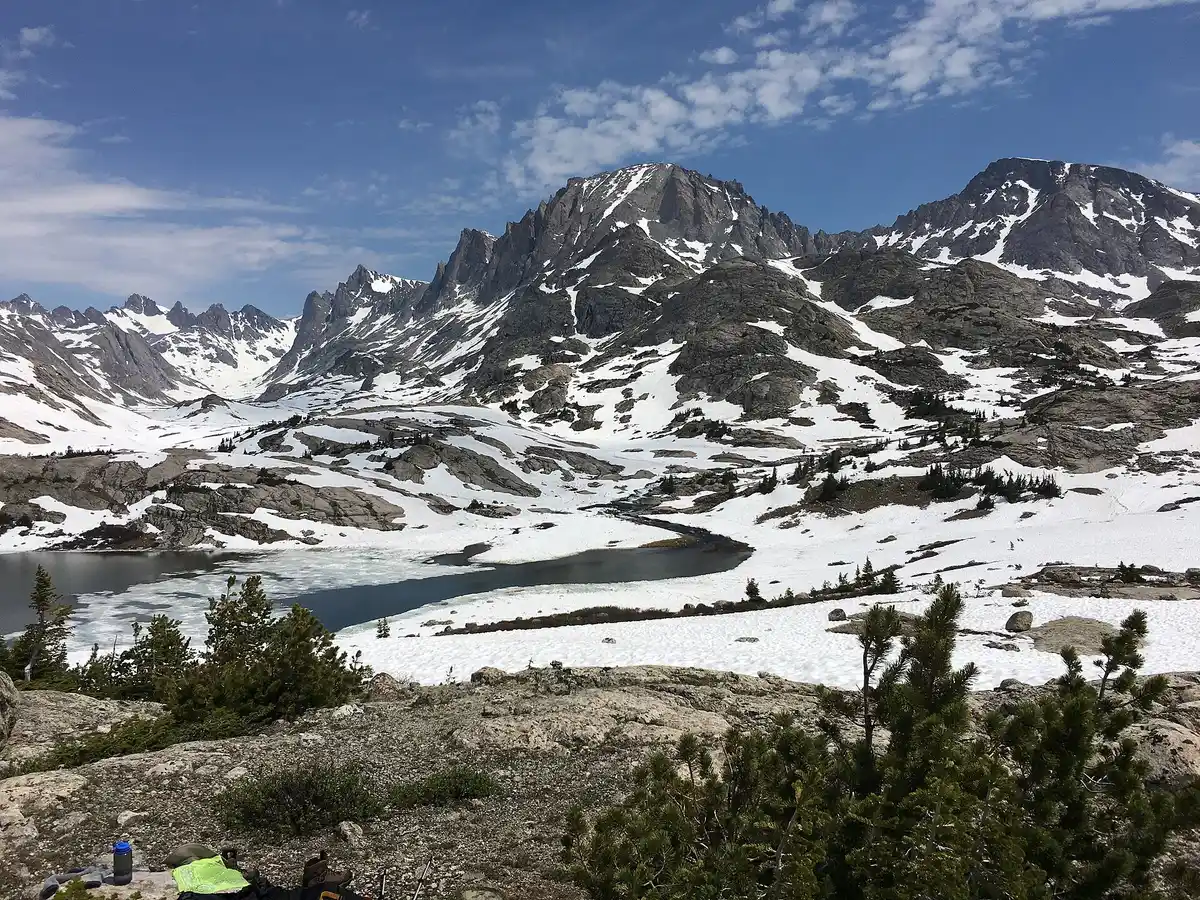
The Wind River Range packs the highest peaks in Wyoming, including 13,809-foot Gannett Peak, into one rugged wilderness with no roads through its core. That means the hiking season is short and weather driven, and timing your trip well is the single biggest factor in whether you cross the high passes on dry trail or wallow through snow. Here is a season-by-season breakdown to help you choose.
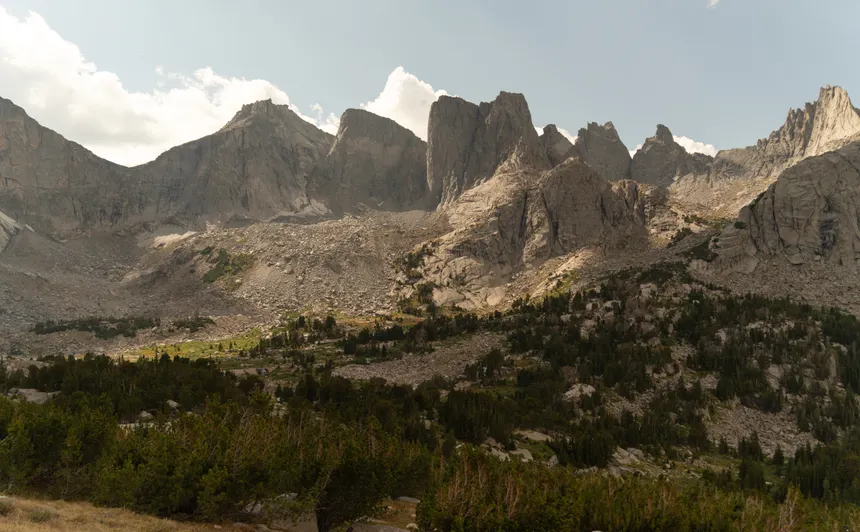
Spring and early summer (May to early July)
The Winds are still buried. Trailheads at lower elevations may melt out, but the high country holds deep snow well into July, and passes like Jackass Pass and the divide above Titcomb Basin can require an ice axe and traction early in the season. Stream crossings run high and dangerous during peak snowmelt in June. Unless you are an experienced mountaineer comfortable on snow, this is too early for a standard backpacking trip.
Peak summer (mid-July to August)
This is prime hiking season, but it comes with two catches:
- Mosquitoes are fierce near lakes and meadows from mid-July into early August. Bring a head net and a tent with good bug netting.
- Afternoon thunderstorms build almost daily. Cross high passes and exposed ridgelines in the morning and be down by early afternoon.
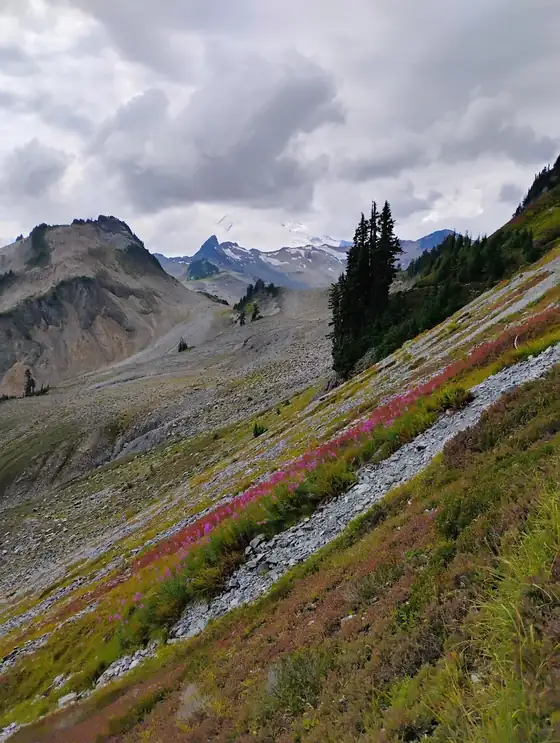
The payoff is full wildflower bloom, snow gone from most passes, and the long daylight that makes big-mileage days possible. This is when the 7-day Wind River Range backpacking itinerary is most comfortable to attempt.
Late summer to early fall (late August to mid-September)
Many seasoned Winds hikers consider this the best stretch of all. Mosquitoes fade, nights turn crisp, water crossings drop, and the willows and tundra start to glow gold. The tradeoff is shorter days and colder nights, so pack a warmer sleeping bag. Early-season snow squalls become possible by mid-September, especially up high, so watch the forecast.
Fall and winter (late September onward)
By late September the season is closing. Snow can arrive at any time, the high passes become unreliable, and most backpackers have cleared out. Winter brings deep snow and serious avalanche terrain that only experienced ski mountaineers should consider. For hikers, the trip is over until the following July.
A few timing tips
- Check the latest snow conditions with the Bridger-Teton or Shoshone National Forest before committing to a high route.
- Watch for wildfire smoke, which can roll in from regional fires in August and August into September and erase the views.
- The high country sits between roughly 10,000 and 12,000 feet, so build in time to acclimatize and expect freezing nights even in midsummer.
Nail the timing and the Winds deliver some of the most spectacular alpine backpacking in the Lower 48. For a day-by-day route that fits neatly into that mid-July to September window, see the full Wind River Range backpacking week.
Best Time to Visit the Wind River Range FAQs
Late August into early September is often the best, balancing clear high passes, fewer mosquitoes, stable weather, and the first fall color. Mid-July through September overall is the reliable hiking window.
Yes, from mid-July onward most high passes are clear and wildflowers peak, but expect heavy mosquitoes near lakes and near-daily afternoon thunderstorms. Cross passes early in the day.
Lower trailheads melt out in late spring, but the high passes and basins hold snow into July. June still has deep snow and dangerous high stream crossings, so most backpacking starts mid-July.