The best hiking daypacks at a glance
| Category | Our pick | Capacity | Waterproofing |
|---|---|---|---|
| Best overall | Osprey Talon 22 / Tempest 20 | 20 to 22L | Raincover sold separately |
| Best waterproof | Sea to Summit Ultra-Sil Dry Daypack | 20L | Fully waterproof fabric |
| Best budget | REI Co-op Flash 22 | 22L | Water resistant, needs a liner |
| Best for long days | Deuter Trail 24 | 24L | Built-in raincover |
| Best for scrambling | Black Diamond Distance 15 | 15L | Water resistant |
What Makes a Great Hiking Daypack
Day bags for hiking are a different animal from overnight packs. You are carrying light loads, usually 8 to 15 lbs of water, layers, food and a first aid kit, so the frame matters less and the harness, the ventilation and the pockets matter more. A good day hiking backpack disappears on your back by the second mile.
Three details separate the best hiking daypacks from the rest. A ventilated back panel, meaning suspended mesh held off your spine (Osprey's AirSpeed, Deuter's Aircomfort) rather than foam pressed against it, which is the difference between a damp shirt and a soaked one on a summer climb. Zippered pockets you can reach while walking, on the hip belt and the lid, because a pocket that needs the pack off is a pocket you stop using. And a hip belt that actually carries, not a webbing strap. If you want the ventilation of a bigger pack in a day size, the Osprey Stratos 24 is the one to look at, the same suspended mesh back as its weekend siblings in a 24L body.
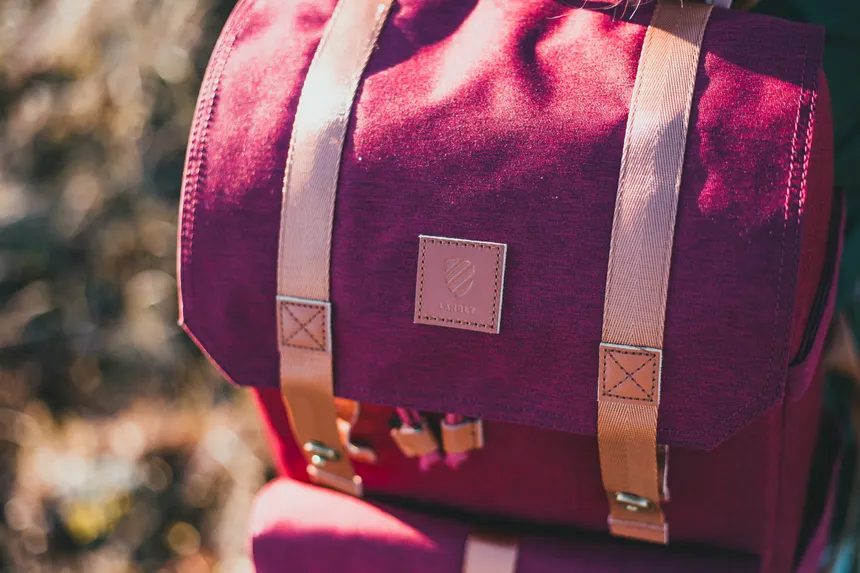
A daypack gets used more than any other piece of hiking gear. It goes on every outing, handles everything from a 3-mile morning loop to a 15-mile ridge traverse, and needs to carry a wildly variable load depending on the day. The criteria that separate a great daypack from a mediocre one: back ventilation that doesn't turn your shirt into a sweat sponge, organization that makes the one item you need findable without unpacking everything, and a hip belt that does actual weight transfer work instead of existing purely for decoration.
The optimal daypack volume for most hikers is 18–25 liters. That's enough for a 2L hydration reservoir, an extra layer, lunch, first aid, a rain jacket, sunscreen, and the other day-hike essentials. Go much smaller and you're making compromises on what you can carry. Go larger and you'll overpack, which just means carrying dead weight.
Best Overall: Osprey Daylite Plus (20L), $85
The Osprey Daylite Plus has been the benchmark daypack for years and the current version earns that status. The suspended mesh back panel (AirSpeed) keeps airflow between the pack and your back, not a marginal difference on warm days, a real one. The 20L volume hits the sweet spot for day hiking without being excessive.
Organization is practical rather than elaborate: a main compartment with a hydration sleeve (fits up to 3L), a front zip pocket, and two side pockets sized for a water bottle or trekking pole. The hip belt actually transfers load on longer days rather than just being a strap. Build quality is typical Osprey, solid zippers, durable fabric, and the lifetime All Mighty Guarantee covers it if anything fails.
One legitimate complaint: the back panel is not adjustable for torso length, so it fits some bodies better than others. If you're between a S/M and L/XL, try it on loaded before committing.
Best Budget Pick: REI Co-op Flash 22, $65
For $20 less than the Osprey, the REI Flash 22 delivers about 85% of the performance. The framesheet provides more structure than you'd expect at this price, the hipbelt pockets are usable (small but there), and 22 liters of volume is slightly more generous than the Daylite Plus. REI members get a 10% annual dividend, which effectively drops the price further.
Where it loses ground to the Osprey: the back panel is a flat foam pad rather than a suspended mesh, which means more back sweat on warm hikes. The zippers are decent but not as smooth as Osprey's. Still, if you're primarily doing cooler-weather hikes or shorter outings, the $20 savings is real and the pack is genuinely good.
Best Ventilated Pack: Deuter Speed Lite 23, $110
Deuter's Aircomfort back system is the best ventilated back on any daypack. The tensioned mesh creates a larger air gap than Osprey's AirSpeed and the result is noticeably better airflow on hot days. If you run hot or live somewhere warm, the Deuter is worth the premium over the Osprey.
The Speed Lite 23 is also one of the lighter daypacks in this category despite its features, just 600g for the pack itself. The ActivFit shoulder straps and hip fins contour well to different body shapes. At $110 it's priced above the Osprey but the ventilation difference is worth it if you hike in warm conditions regularly.
Best Ultralight Daypack: Black Diamond Bolt 24, $90
The Black Diamond Bolt 24 prioritizes weight above everything else. At 450g for the pack, it's one of the lightest structured daypacks available that still has a meaningful suspension. The framesheet is removable if you want to go even lighter. Hip belt pockets are included and actually functional.
The trade-off: minimal padding on the back panel means less comfort under heavy loads, and there's no hydration sleeve (though there's a hydration port). For hikers doing fast-and-light days where pack weight is part of the overall performance target, the Bolt is excellent. For general day hiking where comfort over miles matters more than pack weight, the Osprey or Deuter are better choices.
Best Pack with Hydration: CamelBak Fourteener 24, $100
CamelBak is the original hydration pack company and the Fourteener 24 is their best current hiking option. It comes with a 3L Crux reservoir included, a $35 value, making the effective price more competitive than it looks. The reservoir integrates cleanly with the back panel and the bite valve routing keeps the hose out of the way.
The back panel is a direct-contact foam rather than suspended mesh, which limits breathability. But if you specifically want the convenience of a hydration system rather than carrying water bottles, the all-in-one package from CamelBak makes sense. The pack itself is solid if unremarkable, good organization, durable fabric, functional hip belt.
Best Kids' Daypack: Osprey Jet 12, $75
For hikers taking kids on the trail, the Osprey Jet 12 (or Jett for girls) scales down adult pack features for smaller bodies. The fit system adjusts as kids grow, the 12L volume is right for a child carrying their own snacks, layer, and water, and the bright colors make kids more visible on trail. Osprey's lifetime guarantee applies here too.
What Size Daypack Do You Actually Need?
Under 5 miles / short hikes: 12–18L. You can get away with a minimalist pack carrying just water, snacks, a phone, and a layer.
5–12 miles / half-day to full-day hikes: 18–25L. Standard daypack range. Enough for 2L water, lunch, a full layer change, rain jacket, first aid, and camera.
12+ miles / long days / variable weather: 22–30L. Extra volume for more food, extra water capacity, potential emergency overnight gear (emergency bivy, extra food, fire starter).
Features That Actually Matter vs. Marketing Noise
Actually matters: hip belt that sits on the iliac crest and transfers weight, back ventilation in warm climates, hydration compatibility, external attachment points for trekking poles.
Nice but not critical: hip belt pockets (convenient but not essential), rain cover (useful but a separate cover works too), trekking pole loops.
Marketing noise: "ergonomic" straps with no real adjustment, integrated rain covers that don't actually seal well, excessive pocket organization that adds weight without utility, brand names on highly visible areas (you're a hiker, not a walking advertisement).
Best Hiking Daypacks: Waterproof Picks for Every Budget FAQs
The Osprey Daylite Plus (20L, ~$85) is the best all-around daypack for most hikers, ventilated back panel, real hip belt, good organization, and Osprey's lifetime guarantee. If you hike in hot conditions, the Deuter Speed Lite 23 has better back ventilation. For budget-conscious hikers, the REI Co-op Flash 22 (~$65) is a strong runner-up.
18–25 liters covers the vast majority of day hikes. That's enough for a 2L hydration reservoir or two water bottles, a layer, lunch, rain jacket, first aid, sunscreen, and the other day-hike essentials. If you consistently carry camera gear or extra layers, lean toward 22–25L. For minimalist hikers on short outings, 15–18L is sufficient.
For hikes over 6 miles or packs over 15 lbs, yes. A functional hip belt transfers weight from your shoulders to your hips, which are much better equipped to carry load. The difference on a 10-mile day is significant, without a hip belt, shoulder and neck fatigue accumulates. Many budget daypacks have purely decorative hip straps that don't transfer load; look for a belt with real padding and a structured cup shape.
Most daypacks use a removable framesheet rather than a full frame, which provides enough structure to keep the pack from collapsing while staying lighter than a full frame. A framesheet is sufficient for loads up to about 20 lbs. If you're consistently carrying 25+ lbs on a day hike, you're in overnight pack territory and should look at 35–45L packs with a proper suspension system.
The Ten Essentials apply even to short day hikes: navigation (downloaded map offline), sun protection, insulation (extra layer), illumination (headlamp), first aid, fire starter, repair tools and knife, nutrition (extra food), hydration (water + filter or purification tabs), and emergency shelter (emergency bivy or space blanket). Most of this fits easily in a 20L daypack without feeling heavy.