How to Build a Layering System That Actually Works
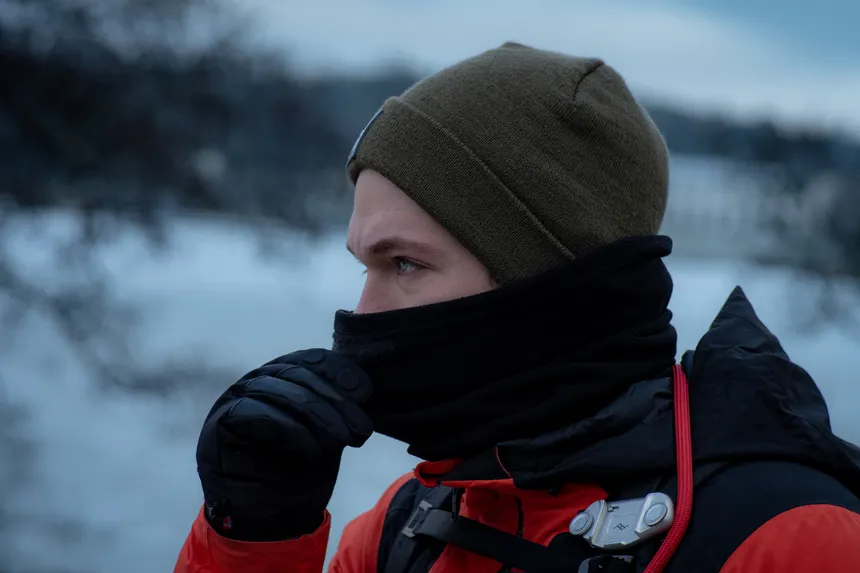
The layering system concept is simple, three functional layers that work together. The execution is where most hikers go wrong, usually by mixing premium and budget layers in ways that create gaps, or buying layers from the same brand out of convenience rather than performance. A great system requires that each layer works independently AND transfers moisture efficiently to the next one.
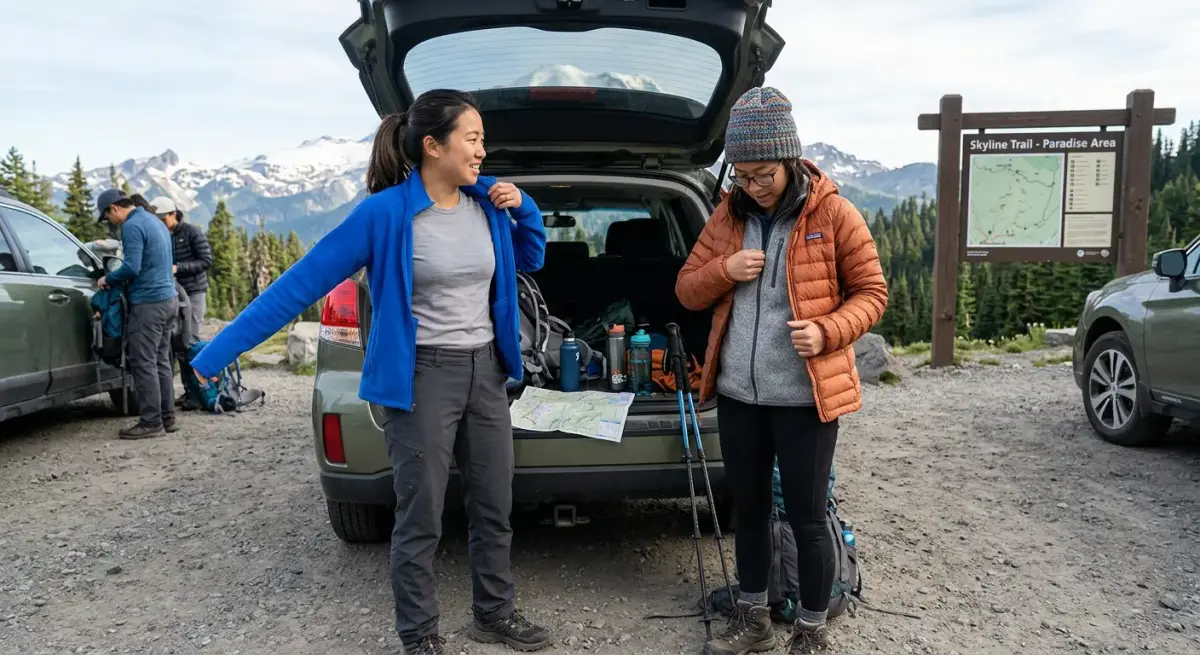
The layers must be compatible in fit: a slim-cut base layer under a fitted mid layer under a shell with a fitted cut means you can wear all three simultaneously without feeling like a stuffed sausage. Buy the shell last and try it with your mid layer before purchasing.
The Best Complete System: Wet Climate (Pacific Northwest, Northeast, UK)
Wet climates demand breathability and reliable waterproofing over maximum warmth-for-weight. Down insulation is not appropriate as a primary mid layer here.
Base layer: Patagonia Capilene Cool Daily (lightweight synthetic, ~$45) for summer and active shoulder season. Smartwool Merino 150 (~$90) for shoulder season and cooler conditions. Both wick efficiently; the merino handles odor better on multi-day trips.
Mid layer: Patagonia R1 Fleece (~$130). The grid fleece construction breathes better than flat fleece while staying warm enough for cool temperatures. It's the mid layer of choice for Pacific Northwest trail guides, mountain rescue teams, and expedition leaders who work in sustained wet conditions. When it rains, the fleece stays warm; when you're moving hard, it breathes enough to prevent overheating. No other fleece at this price point matches it.
Shell: Arc'teryx Zeta SL (~$350) for the best breathability-to-waterproofing ratio in a lightweight shell. Budget alternative: Marmot PreCip Eco (~$110). The Arc'teryx is worth the premium if you're in rain frequently, the Gore-Tex Paclite Plus membrane is meaningfully more breathable than the membranes in budget shells, which means less internal condensation during sustained activity. If you're hiking one or two days a season in rain, the Marmot is sufficient.
The Best Complete System: Dry / Mountain Climate (Rockies, Sierra Nevada, High Desert)
Mountain climates with lower humidity and more predictable weather allow for down insulation as a mid layer. The priority shifts from breathability to warmth-for-weight and packability.
Base layer: Icebreaker Merino 150 Anatomica (~$90) or Patagonia Capilene Cool Daily. Either works for dry mountain conditions. The merino handles the temperature swings between sun and shade better.
Mid layer: Patagonia Down Sweater (~$280) or Mountain Hardwear Ghost Whisperer (~$350, lighter). Down is appropriate in dry mountain climates because the risk of saturation from sustained rain is lower. The warmth-for-weight advantage of down over fleece matters for packability on summit days where the mid layer goes in and out of the pack frequently. On a trail where you might go from 65°F at the trailhead to 35°F on a windy summit, being able to compress your mid layer into a softball-sized package matters.
Shell: A lightweight hardshell for unexpected afternoon thunderstorms, the Patagonia Torrentshell 3L (~$180) or Arc'teryx Norvan SL (~$280 for the ultra-packable version). Mountain thunderstorms can be sudden and serious; a shell is not optional above treeline.
The Best Budget System (Under $200 Complete)
Building a functional layering system without spending over $200 requires discipline about where to spend more and where to compromise.
Base layer (~$35): REI Co-op Lightweight Base Layer synthetic top. It's basic, dries fast, and does the primary job of wicking moisture. No frills, solid performance.
Mid layer (~$50–$65): Columbia Steens Mountain 2.0 Fleece (~$55) or REI Co-op Activator Fleece (~$60). Neither matches the Patagonia R1 in breathability or warmth-to-weight, but both are genuinely functional for most hiking conditions and cost less than half as much.
Shell (~$90–$110): Marmot PreCip Eco (~$110) or Frogg Toggs UL2 (~$30 for absolute bare bones). The Marmot is the right call, the Frogg Toggs works for emergencies but isn't breathable enough for sustained hiking without building up internal condensation. The Marmot's NanoPro membrane is adequate for most conditions.
Total: around $190. This system will serve most hikers on most trails in most conditions. The compromises show up in breathability at high output, packability of the fleece, and durability of the shell over many seasons. Upgrade pieces as they wear out.
The Best Ultralight System
For hikers counting grams and prioritizing speed over absolute comfort across all conditions:
Base layer (~$90): Smartwool Merino 150 tee or Icebreaker 150. Merino is the right choice for ultralight systems because it does double duty, it's comfortable enough to wear for several days (eliminating extra garments), wicks well, and provides slight warmth over pure-synthetic options.
Mid layer (~$165): Mountain Hardwear Ghost Whisperer/2 (~$350) or Patagonia Micro Puff (~$250) if you're in dry conditions. Ultralight down or synthetic insulated jackets pack to the size of a grapefruit and weigh under 200g, the best warmth-per-gram option for fast-and-light alpinism and long-distance trails in good weather windows.
Shell (~$175–$280): Arc'teryx Norvan SL Hoody (~$280) or Patagonia Houdini (~$100 for wind-only). The Norvan SL is waterproof at 95g, extraordinary for a genuine hardshell. The Houdini is not waterproof (wind and light rain only) but weighs next to nothing and works in dry mountain climates where rain is short-lived.
How to Mix Brands Without Making Mistakes
Mixing brands is fine. What you need to ensure is that the fit is compatible (try shell over mid layer, mid over base), and that the moisture transfer works (synthetic base under synthetic mid under shell: fine. Cotton base under anything: not fine).
The biggest brand-mixing risk is buying a fitted mid layer from one brand and a shell from another that runs tighter in the chest and sleeves, so you can't layer both comfortably. Buy your shell last and try it in the store over your existing mid layer if possible.
Best Layering System for Hiking FAQs
Patagonia makes the best complete system for most hikers, the Capilene base layers, R1 fleece mid, and Torrentshell shell are all class-leading at their price points and are designed to work together. Arc'teryx makes the best shells and the most durable overall garments but at twice the price. For budget systems, REI Co-op base layers and Columbia fleece with a Marmot shell is a strong combination.
Base layer directly against your skin, mid layer over that, shell over everything. The moisture-management path goes from your skin outward: sweat wicks from skin through base layer into mid layer, then vapor pressure pushes it through the shell. This only works if all layers are breathable, a waterproof-coated mid layer blocks moisture transfer.
In summer: one or two (base layer plus shell in the pack). In fall/spring: two to three (base layer, mid layer, shell). In winter: three to five active layers plus accessories. The right number depends on temperature, precipitation likelihood, and how far you are from your car, the further out, the more layers you carry regardless of current conditions.
Yes, with caveats. Synthetic running shirts and tights make excellent hiking base layers, they wick well and dry fast. Running rain jackets (not all are waterproof) can work as light shells. Running shoes aren't ideal for hiking because they lack lateral stability, but trail runners are purpose-built for both activities. Don't use cotton athletic gear for hiking.
Multiple layers are better in almost all hiking scenarios. A single heavy parka keeps you warm when standing but overheats you when moving, and you can't take it off without being cold. A mid layer plus shell lets you add and remove as exertion and temperature change, wearing both when stopped, just the shell in light rain while moving, and just the base layer when pushing hard uphill. The layering system is better because conditions never stay constant.